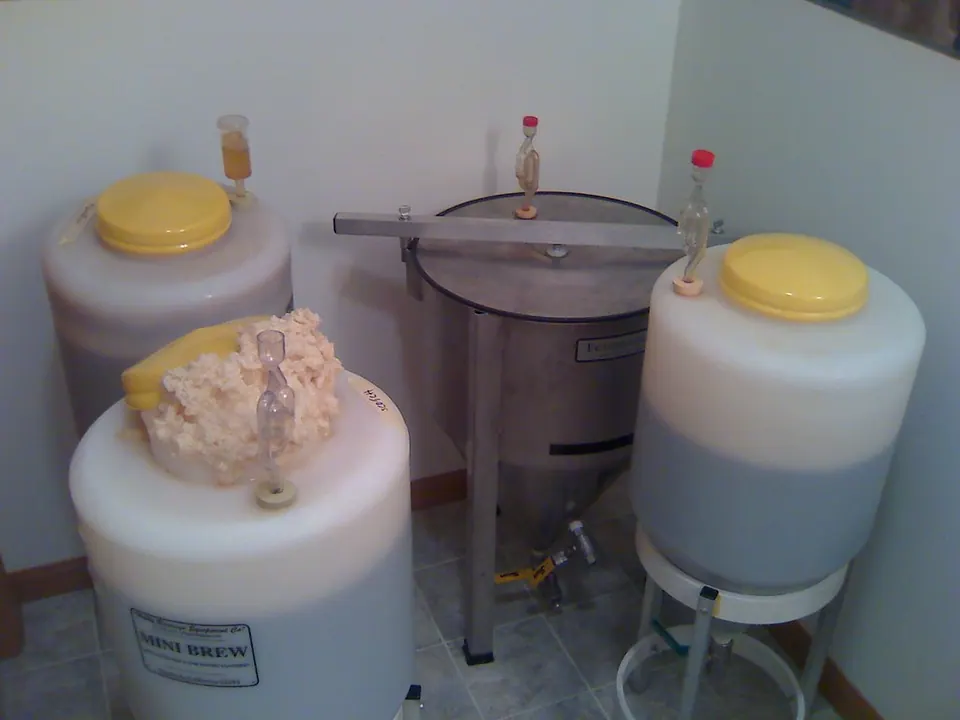
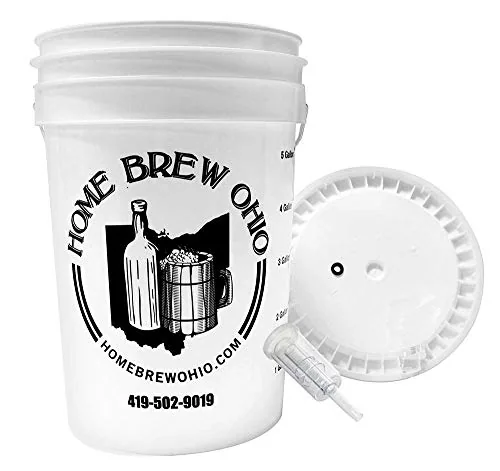
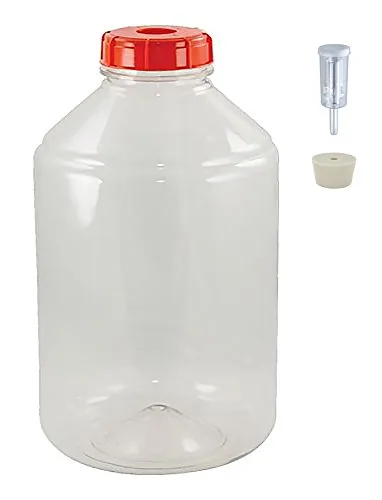
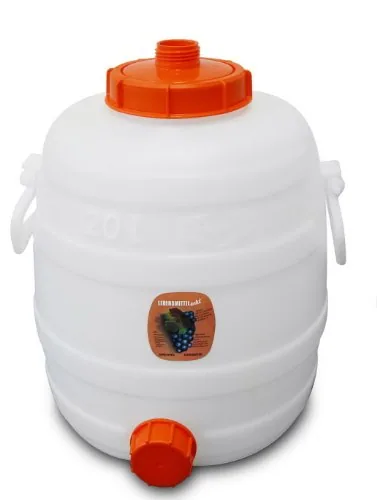
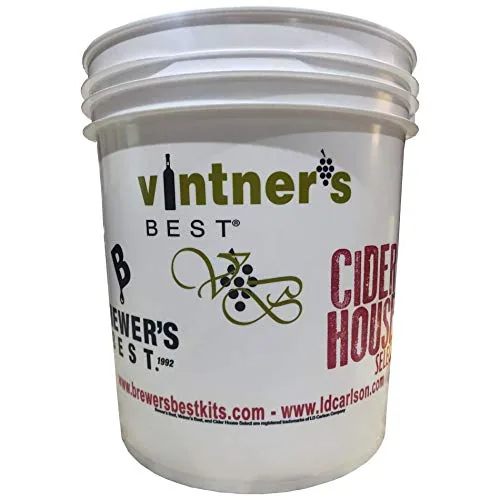
- Plastic buckets (HDPE, polypropylene) are the cheapest, lightest primary fermenters; they scratch, so clean with soft cloths only.
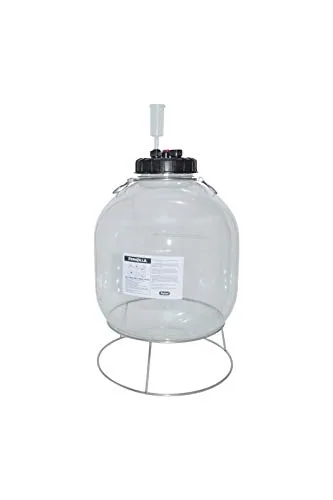
- PET carboys and fermenters (FerMonster, FermZilla) are clear, light and less oxygen-permeable than buckets; the FermZilla All Rounder kit is rated 2.5 bar (36.2 psi) for pressure fermenting.
- Glass doesn't scratch or stain, but carboys break and cut. Carry them by the base in a carrier and never pour hot wort into cold glass.
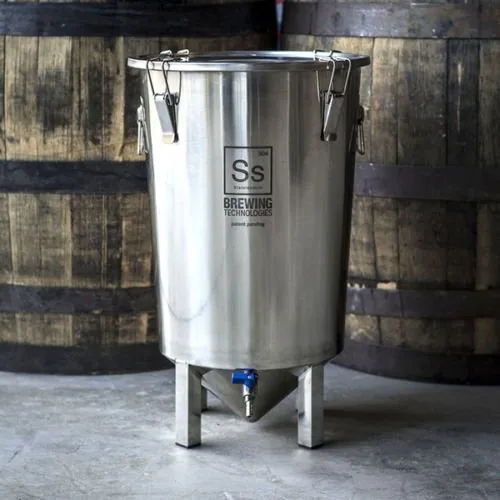
- Stainless (Ss Brewtech, Spike, Northern Brewer) lasts for decades and takes hot cleaning; it's opaque and costs the most.
Plastic vs glass vs stainless fermenter choices come down to five things: headspace for your batch size, how easy the vessel is to clean and sanitize, how much oxygen gets in, whether it can hold pressure, and how safe it is to move when full. A full 5-gallon (19 L) batch weighs over 40 lb, so the last point matters more than it sounds.
This page compares the three materials using the listed volumes, materials and pressure ratings of fermenters from Home Brew Ohio, FerMonster, Speidel, KegLand, Brewer's Best, Ss Brewtech, Spike Brewing, Northern Brewer, VEVOR, North Mountain Supply, Kegco and Eagle. Browse them all in the fermenters and temperature control hub.
Plastic (HDPE buckets and PET)
Light, inexpensive, wide openings; PET options can hold pressure
Browse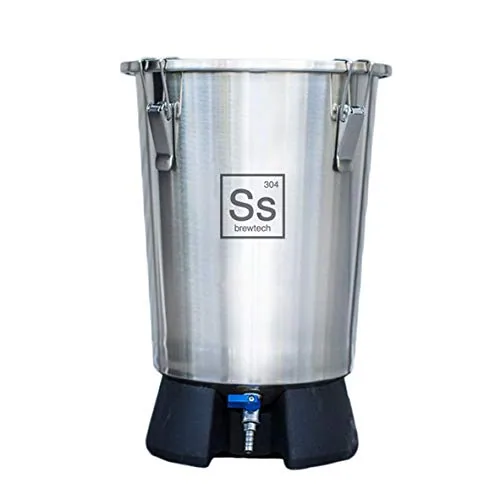
Picks from each side
Plastic (HDPE buckets and PET)
Home Brew Ohio 6.5 Gal Fermenting Bucket with Lid and Airlock
- Volume
- 6.5 gal
- Material
- Plastic bucket
- Outputs
- Grommeted lid, 3-piece airlock
Best for 5-gallon primary fermentation
FerMonster 6 Gal Fermenter with Econolock and #10 Stopper
- Volume
- 6 gal
- Material
- PET plastic
- Outputs
- Drilled lid, Econolock, #10 drilled stopper
Best for Ready-to-use PET fermenter
Speidel 20L HDPE Fermenter
- Volume
- 20 L (5.3 gal)
- Material
- HDPE
- Outputs
- 4.75 in. wide-mouth lid, built-in handles
Best for Durable glass alternative
KegLand FermZilla All Rounder 30L PET Fermenter
- Volume
- 30 L (7.9 gal)
- Material
- PET
- Type
- Pressure fermenter
Best for Affordable pressure fermenting
Brewer’s Best 7.9 Gal Fermenting Bucket
- Volume
- 7.9 gal
- Material
- Plastic, gallon markings
- Type
- Fermenting bucket
Best for Wine kit primary
Stainless steel
Ss Brewtech Brew Bucket Stainless Fermenter, 7 Gal
- Volume
- 7 gal
- Material
- Stainless steel
- Type
- Fermenting bucket
Best for Moving to stainless fermenting
Ss Brewtech Mini Brew Bucket, 3.5 Gal
- Volume
- 3.5 gal
- Material
- Stainless steel
- Outputs
- Rotatable racking arm, LCD thermometer
Best for Small stainless batches
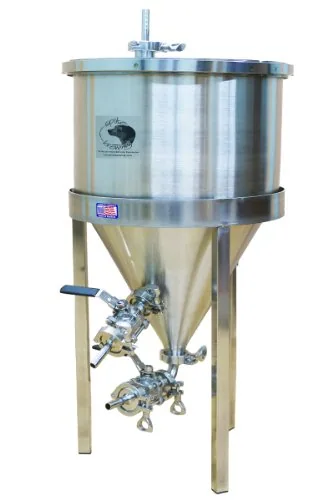
Spike Brewing CF-125 Stainless Conical Fermenter
- Volume
- 5 and 10 gal batch capability
- Material
- 304 stainless, 2 mm thick, made in USA
- Outputs
- 18 in. diameter × 31 in. tall
Best for Premium stainless fermenting
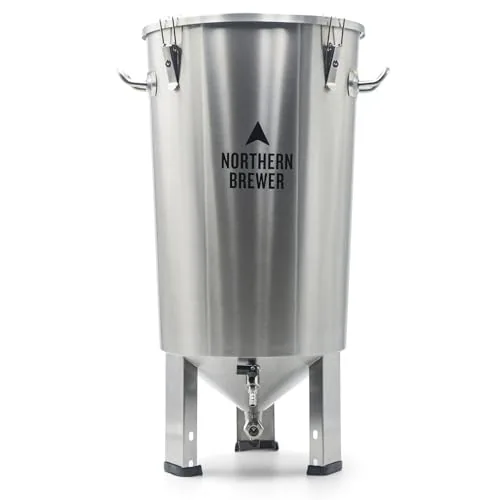
Northern Brewer Reactor Stainless Conical Fermentor, 8.5 Gal
- Volume
- 8.5 gal max; marks 4–8 gal (15–30 L)
- Material
- 304 stainless steel
- Outputs
- 1/2 in. NPT bottom-drain ball valve, racking arm
Best for Stainless 5-gallon fermenting
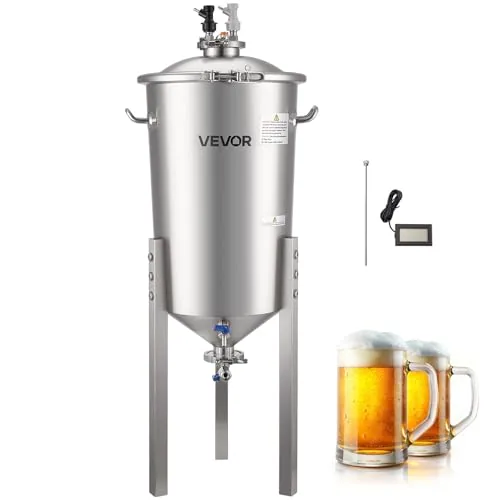
VEVOR 30L Stainless Pressure Fermenter, 15 PSI
- Volume
- 8 gal (30 L)
- Material
- Stainless steel
- Pressure
- 15 PSI
Best for Budget stainless pressure fermenting
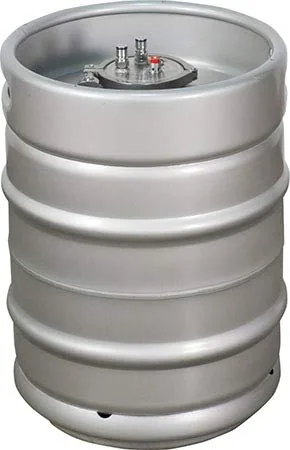
KegLand Kegmenter Fermenting Keg, 50L
- Volume
- 50 L (13.2 gal)
- Material
- Keg-style fermenter (details not listed)
- Type
- Fermenting keg
Best for 10-gallon pressure fermenting
Plastic vs glass vs stainless at a glance
| HDPE / PP bucket | PET carboy / fermenter | Glass carboy | Stainless | |
|---|---|---|---|---|
| Weight empty | ✓ Light | ✓ Light | ✗ Heavy | ~ Moderate |
| Breakage risk | ✓ Low | ✓ Low | ✗ Shatters, cuts | ✓ Very low |
| Scratches | ✗ Easily | ~ Avoid abrasives | ✓ No | ✓ Resists |
| See the beer | ✗ | ✓ | ✓ | ✗ |
| Oxygen ingress | ~ Higher; lid seal matters | ✓ Low | ✓ Very low | ✓ Very low |
| Hot cleaning | ~ Check the maker's limit | ✗ Warm only | ~ No thermal shock | ✓ |
| Pressure capable | ✗ | ~ FermZilla only (2.4–2.5 bar) | ✗ | ~ Some models (e.g. 15 PSI) |
| Wide opening for cleaning | ✓ | ~ FerMonster wide mouth | ✗ Narrow neck (Kegco wide mouth excepted) | ✓ |
| Lifespan | ~ Replace when scratched | ~ Years with care | ✓ Indefinite if unbroken | ✓ Decades |
Source: Listing data for the fermenters shown; Beer & Brewing homebrew safety
Headspace: which size for a 5-gallon batch?
Active fermentation throws foam (krausen) a few inches high. A primary fermenter needs room above the beer, or you'll need a blow-off tube. Here is the headspace left over a 5-gallon batch in common listed sizes:
Headspace over a 5 gal batch
Listed vessel volume minus 5 gal
A 5-gallon glass carboy is a secondary or bulk-aging vessel for 5-gallon batches, not a primary. For primary fermentation, 6.5 gallons or more is comfortable; 6 gallons works with a blow-off tube on vigorous yeasts.
Pressure ratings: which fermenters can hold pressure?
Pressure fermenting (spunding) lets you ferment warmer with fewer esters, carbonate in the fermenter and transfer to a keg without oxygen. Only vessels with a stated pressure rating and a relief valve are suitable.
Listed working pressure
PSI; buckets and glass carboys have no pressure rating
Never pressurize a vessel beyond its rating, and never pressurize a bucket, a PET water-style carboy or glass. FermZilla kits ship with a pressure relief valve; keep it in place. Spunding valves such as the KegLand BlowTie set the pressure you hold. For carbonation targets in the keg afterwards, use the keg carbonation chart.
Glass carboys: clear, inert and fragile
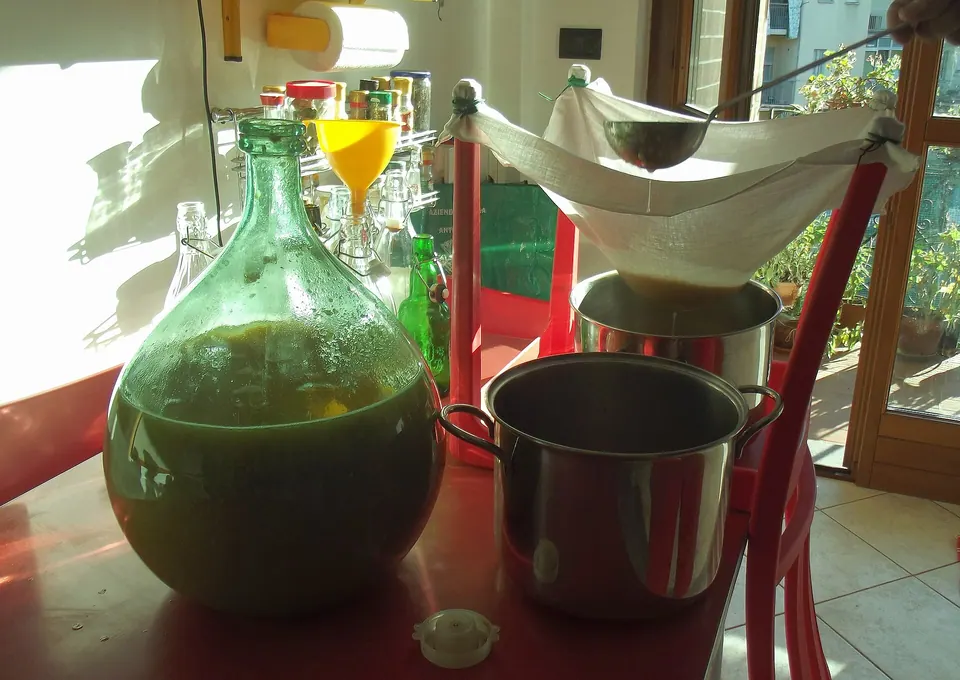
Glass doesn't scratch, stain or hold odors, and it lets almost no oxygen through, which is why winemakers and lager brewers still use it for long aging. The trade-off is weight and breakage: Craft Beer & Brewing calls a wet, full glass carboy an accident waiting to happen and says to use a good handle and always support the bottom, and the CPSC recalled Saxco carboys for laceration hazards. One listed set (Suzile) gives a 104°F (40°C) maximum, a reminder that glass and hot liquid don't mix.
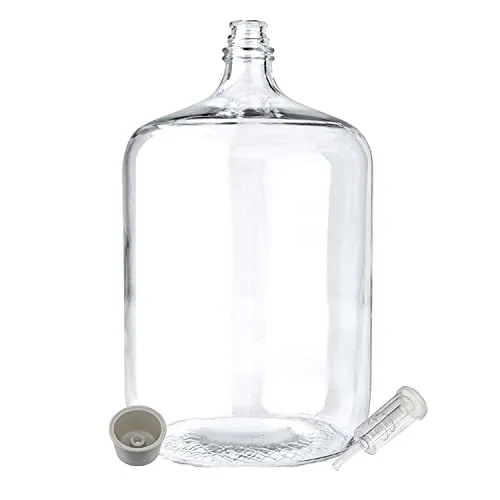
Home Brew Ohio 6.5 Gal Glass Carboy with Bung and Airlock
- Volume
- 6.5 gal
- Material
- Glass
- Outputs
- Drilled bung, 3-piece airlock
Best for Glass primary fermenting
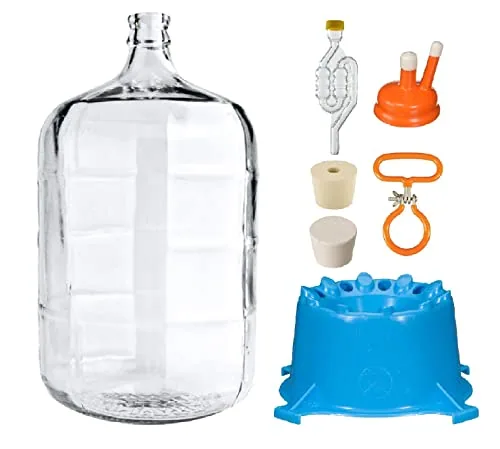
North Mountain Supply 5 Gal Italian Glass Carboy Set
- Volume
- 5 gal
- Material
- Italian glass
Best for Wine and mead aging
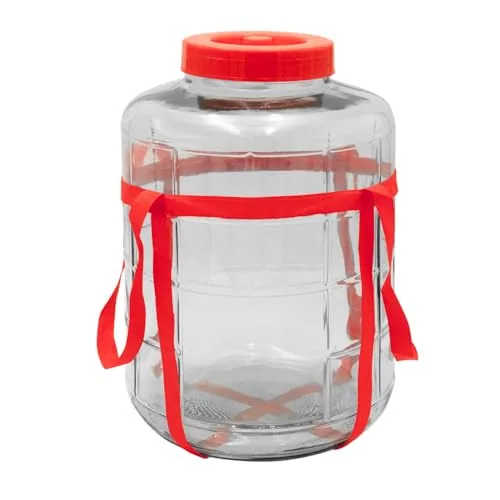
Kegco 6.5 Gal Wide Mouth Glass Carboy
- Volume
- 6.5 gal
- Material
- Machine-made glass
- Outputs
- Plastic lid with removable airlock cap
Best for Glass you can reach into
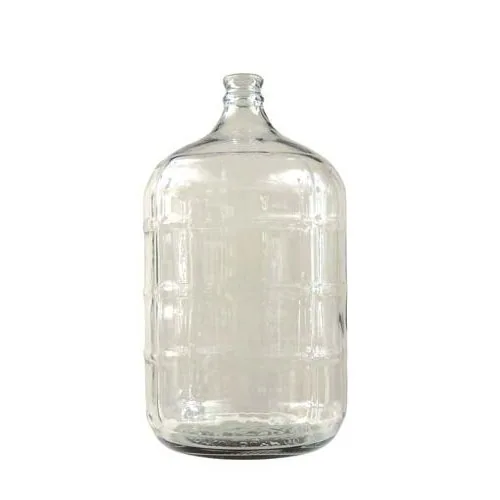
Eagle FE320 Glass Carboy, 5 Gal
- Volume
- 5 gal
- Material
- Glass
- Outputs
- Fits #7 stopper or carboy hood
Best for Secondary or wine aging
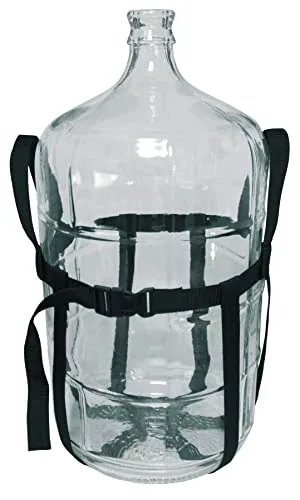
Brew Hauler FE338 Nylon Carboy Carrier
- Volume
- Fits glass carboys (carboy not included)
- Material
- Nylon webbing, made in USA
- Type
- Carboy carrier
Best for Carrying full glass carboys
If you choose glass, add a carrier strap (Brew Hauler, HomeBrewStuff) and set the carboy in a milk crate or on a rubber mat. Never carry a full carboy by a neck handle alone.
Cleaning and sanitizing each material
- Plastic buckets: soak with an oxygen-based cleaner such as PBW per the label, wipe with a soft cloth, then sanitize. Scratches can harbor bacteria; replace a bucket that is deeply scratched.
- PET: no abrasive brushes and no hot water beyond the maker's limit. Wide-mouth designs (FerMonster) let you reach in by hand.
- Glass: a carboy brush and a jet washer reach the shoulder. Let hot glass cool before adding cold liquid, and vice versa.
- Stainless: takes hot cleaner and scrubbing pads made for stainless; avoid chlorine bleach left in contact, which can pit steel.
Cleaners clean; sanitizers sanitize. Star San is an EPA-registered no-rinse sanitizer at label dilution, while PBW and OneStep are cleaners.
Who should choose which
Fermenter material by situation
| Situation | Plastic / PET | Glass | Stainless |
|---|---|---|---|
| First batch | ✓ Bucket | ~ | ~ |
| Kids or pets around, tile floors | ✓ | ✗ | ✓ |
| Long aging (wine, mead, lager) | ~ PET | ✓ | ✓ |
| Pressure fermenting | ✓ FermZilla | ✗ | ~ Rated models |
| Hot cleaning and decades of use | ✗ | ~ | ✓ |
| Watching fermentation | ✓ PET | ✓ | ✗ |
| Glycol or cooling-coil upgrades later | ~ | ✗ | ✓ Ports on conicals |
Choose plastic (a 6.5–7.9 gallon bucket or a FerMonster PET carboy) for a first batch and light, cheap handling. Choose a FermZilla if pressure fermenting is on your list. Choose glass for long aging if you can move it safely. Choose stainless if you want a vessel for life, hot cleaning and ports for valves, thermowells and cooling. Pair any of them with a controller from the temperature control and summer page.
Mistakes to avoid
- Primary fermenting 5 gallons in a 5-gallon carboy. No headspace means a clogged airlock and krausen on the ceiling; use 6.5 gallons or a blow-off tube.
- Scrubbing plastic with abrasive pads. Scratches are hard to sanitize.
- Pressurizing an unrated vessel. Only vessels with a listed pressure rating and a relief valve.
- Moving full glass by the neck. Carry it from the base in a crate or carrier.
- Opening the lid every day. Each opening lets oxygen and microbes in. Log gravity readings in the brew-day log and check fermentation progress with the ABV calculator at the end instead.
Plastic buckets and PET carboys are the practical default: light, cheap, easy to handle, and in the FermZilla's case pressure-rated. Glass suits long aging if you can store and move it safely. Stainless is the long-term buy for brewers who want hot cleaning, ports and a fermenter that never wears out. Whatever you pick, leave at least a gallon of headspace for a 5-gallon primary.
We compared listed volumes, materials and pressure ratings for the fermenters shown, plus safety guidance from Craft Beer & Brewing and the CPSC. We did not ferment in these vessels or measure oxygen ingress; material traits are general properties, not product tests.