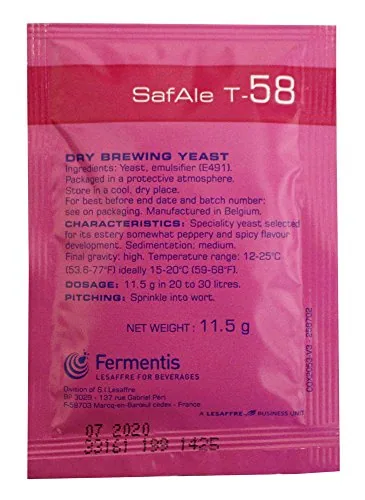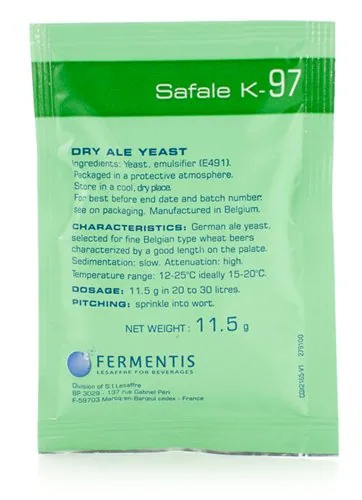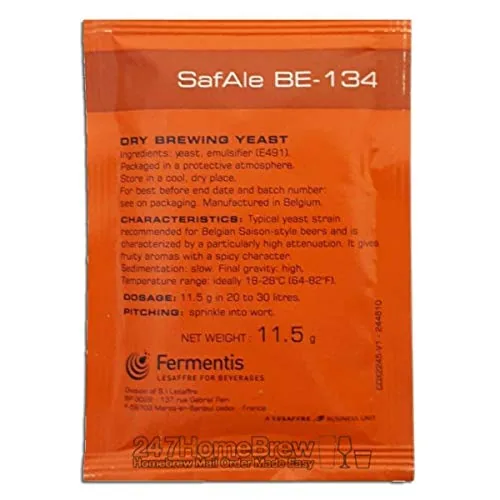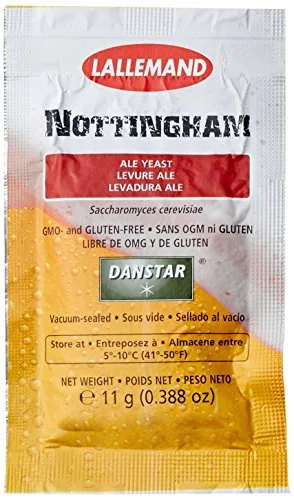
Fermentis
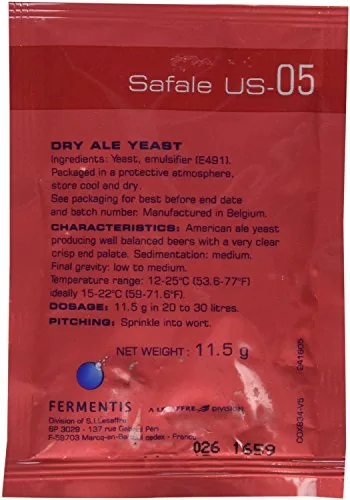
Fermentis SafAle US-05 Dry Ale Yeast, 11.5 g
- Type
- Dry ale yeast, American
- Dose
- 50–80 g/hL (11.5 g ≈ 3.8–6 gal)
- Temp
- 59–75°F (15–24°C)
Best for American pale ales and IPAs
Dry beer, wine, cider and mead yeast from Fermentis, Lallemand, Mangrove Jack's and others, plus Go-Ferm, Fermaid and stir plates, with maker tech-sheet numbers.
Best for American pale ales and IPAs
Best for English ales and stouts
Best for Lagers in a cool basement or fridge
Best for Hefeweizen and witbier
Best for Fruity, crisp lagers
Best for Belgian ales and spiced beers
Best for Kölsch-style ales
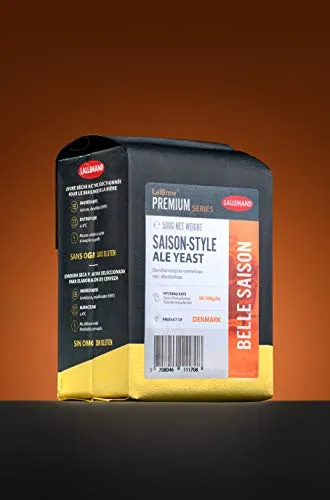
Best for Dry saisons in warm weather
Best for Clean ales and a reliable backup yeast
Best for Full-bodied English ales
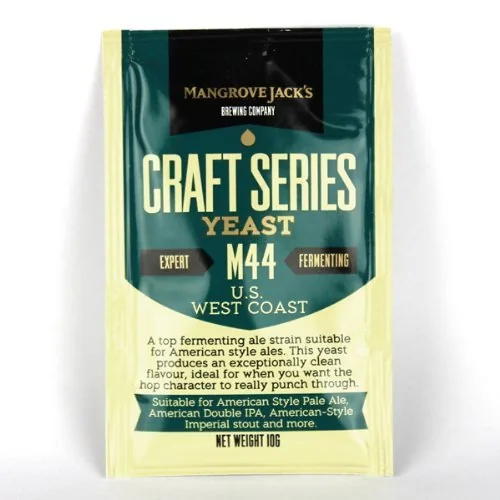
Best for West Coast IPAs
Best for Hazy IPAs
Best for Summer brewing without temp control
Best for Brewers who make saison often
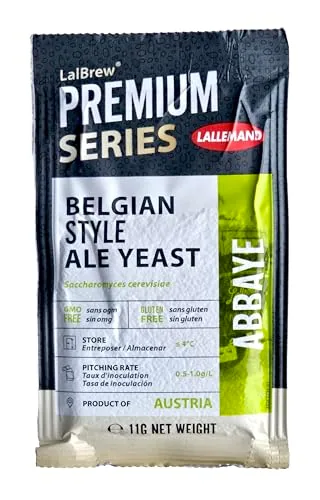
Best for Belgian abbey styles
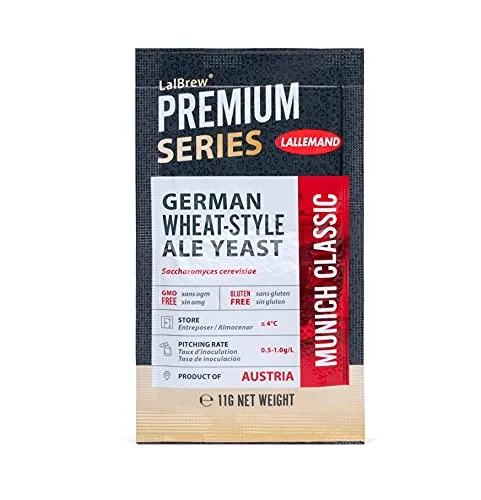
Best for Hefeweizen
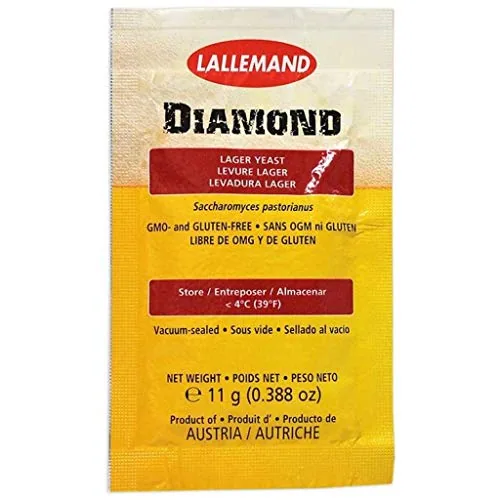
Best for Clean lagers
Best for Lagers without a dedicated lager fridge
Best for Saisons without diastaticus worries
Best for Quick kettle-free sours
Best for Bohemian pilsners
Best for Hefeweizen
Best for Saisons in a hot garage
Best for Warm fermentation
Best for Clean American ales
Best for Pseudo-lagers in summer
Best for Dry wines, ciders and meads
Best for IPAs and pale ales
Best for Staggered nutrient additions for mead
Best for Fruit wines and meads
Best for Stuck wine or mead fermentations
Best for High-gravity beers and starters
Best for High-gravity beers
Best for Fruit wines from juice
Best for 1-gallon meads and seltzers
Best for Quick yeast starters
Best for Regular liquid-yeast starters
Best for Small yeast starters
Best for Wine and cider fermentations
Best for Clean hard seltzer
Best for First yeast starter
Best for Rehydrating wine and mead yeast
Best for High-gravity meads and wines
Best for Frequent mead and wine makers
Best for Budget starter setups
Best for Starters up to 3 L
No product matches every filter. Clear one to see more.
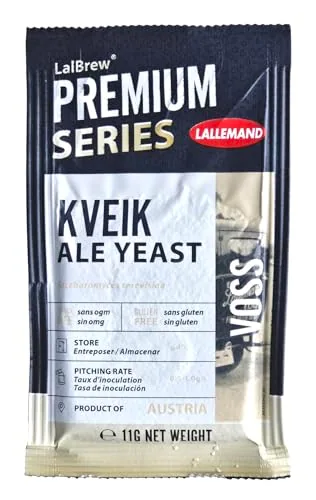
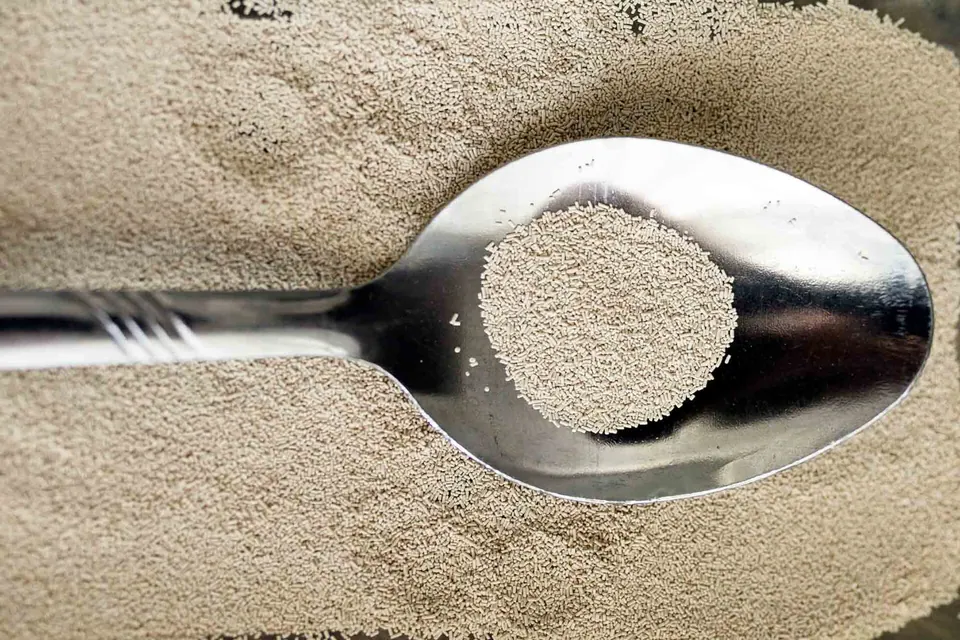
Yeast decides more of a beer's flavor than most brewers expect, and dry yeast is the easiest place to start: it ships without ice packs, stores for years sealed and doses by weight. Pick by style first, then by the temperature you can actually hold. A clean American ale strain such as SafAle US-05 suits pale ales and IPAs at 59–75°F (15–24°C) per its listing; lager strains want 48–68°F (9–20°C) or cooler; kveik strains like LalBrew Voss are happiest at 95–104°F (35–40°C).
Dry yeast by the maker’s numbers
| Yeast | Use | Fermentation temp | Dose | Attenuation / tolerance | Rehydration |
|---|---|---|---|---|---|
| SafAle US-05 Fermentis | Ale (American) | 18–26°C (64.4–78.8°F) | 50–80 g/hL | 78–82%; not listed on the product page | Optional: ≥10× its weight of sterile water or boiled, hopped wort at 25–29°C (77–84°F), 15–30 min; or direct pitch at or above fermentation temperature |
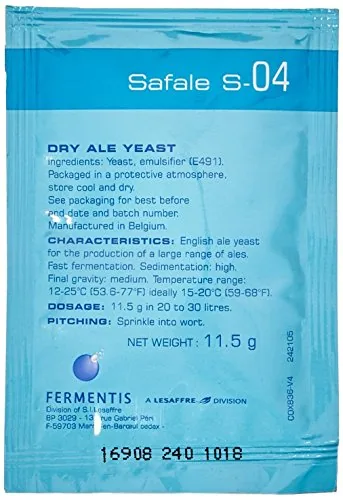
| SafAle S-04 Fermentis | Ale (English) | 18–26°C (64.4–78.8°F) | 50–80 g/hL | 74–82%; 9–11% ABV | Optional: ≥10× its weight of sterile water or boiled, hopped wort at 25–29°C (77–84°F), 15–30 min; or direct pitch at or above fermentation temperature |
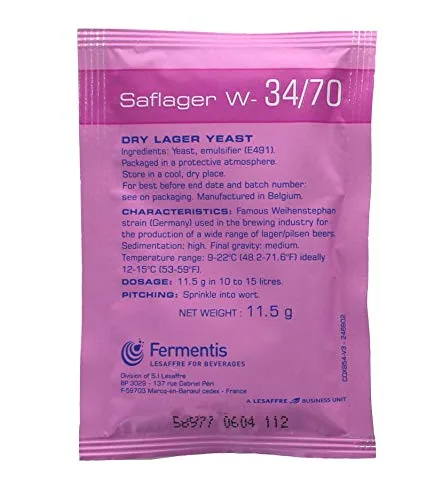
| SafLager W-34/70 Fermentis | Lager | 12–18°C (53.6–64.4°F) | 80–120 g/hL | 80–84%; 9–11% ABV | Optional: ≥10× its weight of sterile water or boiled, hopped wort at 15–25°C (59–77°F), 15–30 min; or direct pitch at or above fermentation temperature |
| LalBrew Nottingham Lallemand | Ale (English) | 10–25°C (50–77°F) | 50–100 g/hL | 78–84%; 14% ABV | Dry pitching is the maker's preferred method (no significant difference vs rehydration, per Lallemand) |
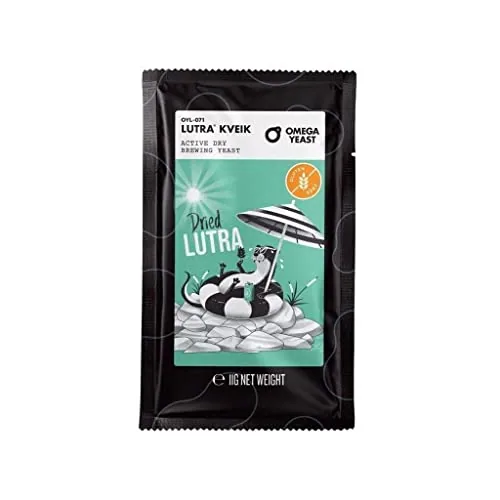
| LalBrew Voss (kveik) Lallemand | Ale (kveik) | 25–40°C (77–104°F) Optimum 35–40°C (95–104°F) per Lallemand | 50–100 g/hL | 76–82%; 12% ABV | Per the sachet |
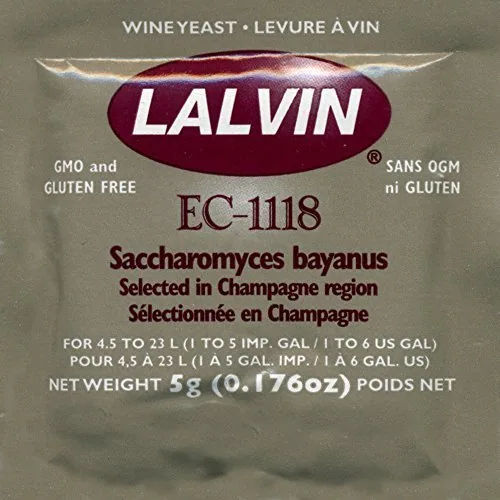
| Lalvin EC-1118 Lallemand | Wine, cider, mead | 10–30°C (50–86°F) | 25 g/hL | Ferments dry; 18% v/v (subject to conditions) | 35–40°C (95–104°F) water for 20 min with Go-Ferm Protect Evolution (30 g/hL), then temper to within 5–10°C of the must |
Sources: Fermentis: SafAle US-05 product page; Fermentis: SafAle S-04 product page; Fermentis: SafLager W-34/70 product page; Lallemand: LalBrew Nottingham technical data sheet; Lallemand Brewing: LalBrew Voss Kveik Ale Yeast product page; Lallemand: Lalvin EC-1118 technical data sheet. 1 hL = 26.4 US gal, so 50 g/hL ≈ 1.9 g per gallon. Follow the sachet you buy; makers update their sheets.
Best for American pale ales and IPAs
Best for Clean ales and a reliable backup yeast
Best for IPAs and pale ales
Best for Clean American ales
Best for Lagers in a cool basement or fridge
Best for Bohemian pilsners
Best for Summer brewing without temp control
Best for Pseudo-lagers in summer
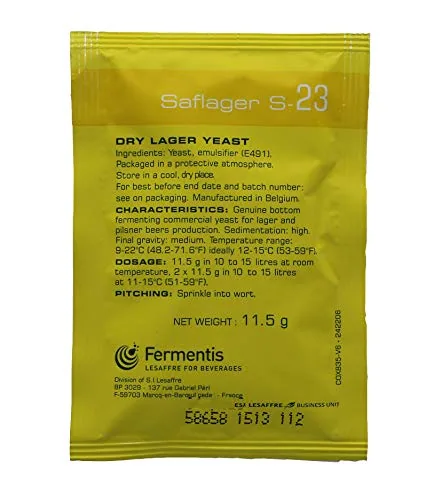
Makers dose dry yeast by weight. Fermentis lists 50–80 g/hL for US-05, which works out to one 11.5 g sachet for about 3.8–6 gal. Stronger beers and lagers need more: Fermentis lists two packets or a starter for S-23. Liquid yeast is counted in cells and loses viability with age.
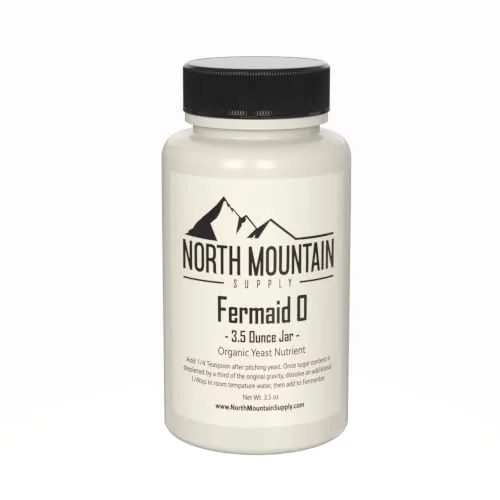
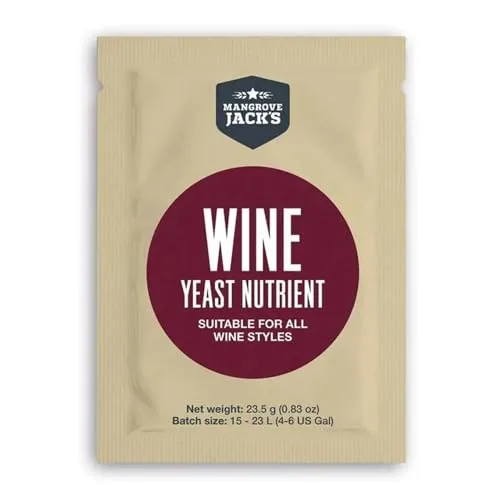
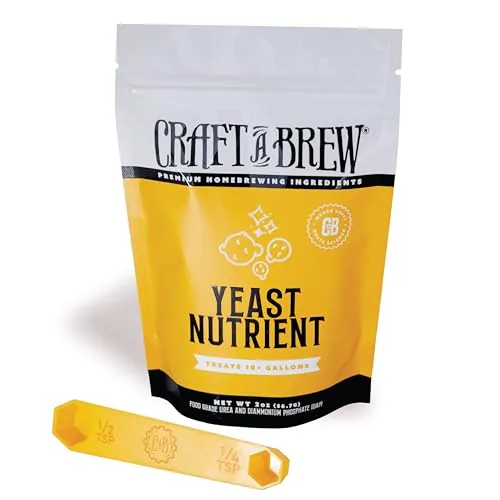
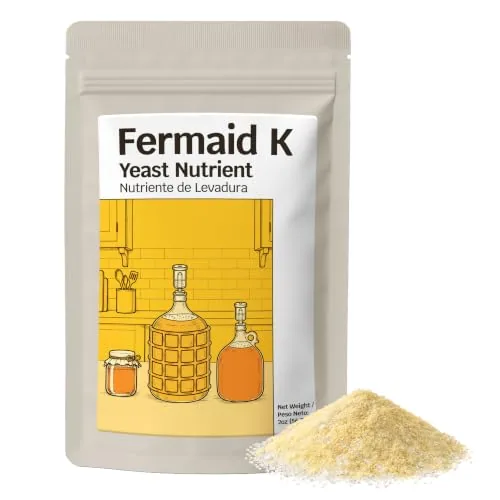
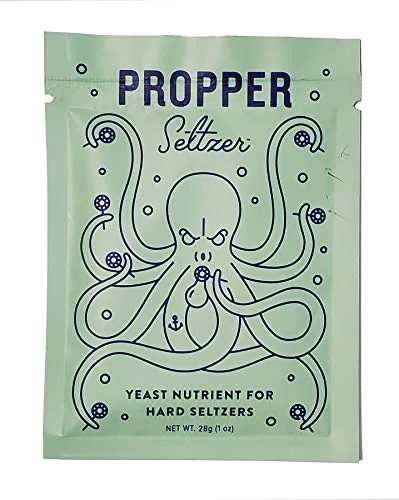
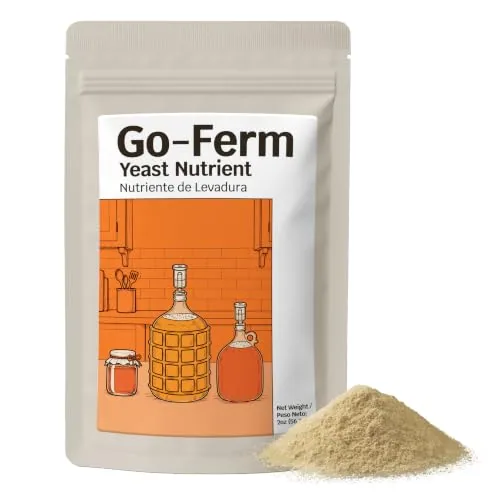
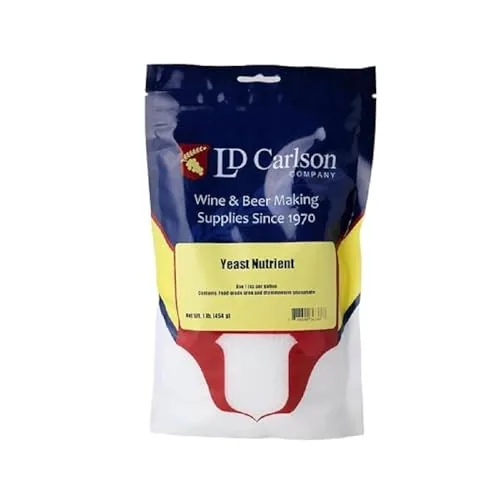
Honey and fruit juice are short on the nitrogen yeast needs, so meads and ciders benefit from nutrient. Go-Ferm is a rehydration nutrient mixed into the yeast's water; Fermaid O (organic nitrogen) and Fermaid K (a blend that includes DAP) are added during fermentation in split doses. Follow each label's dose; DAP is not added to the rehydration water.
Best for High-gravity meads and wines
Best for Staggered nutrient additions for mead
Best for Fruit wines and meads
Best for Stuck wine or mead fermentations
Best for 1-gallon meads and seltzers
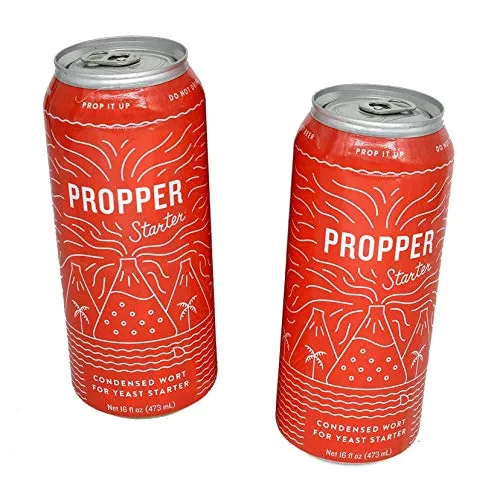
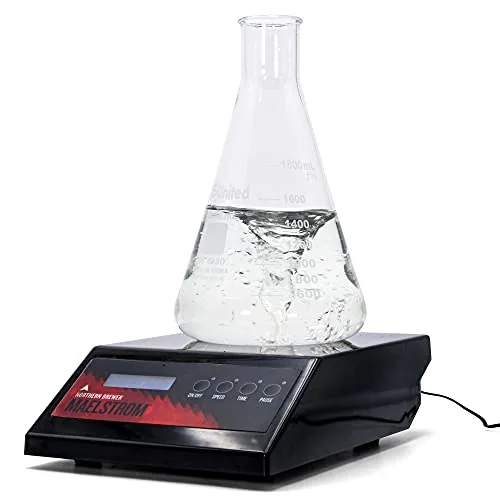
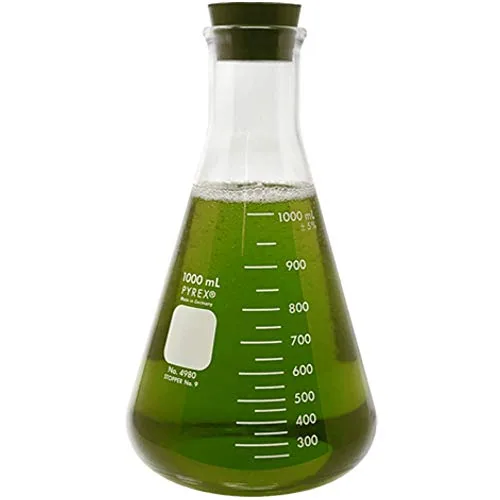
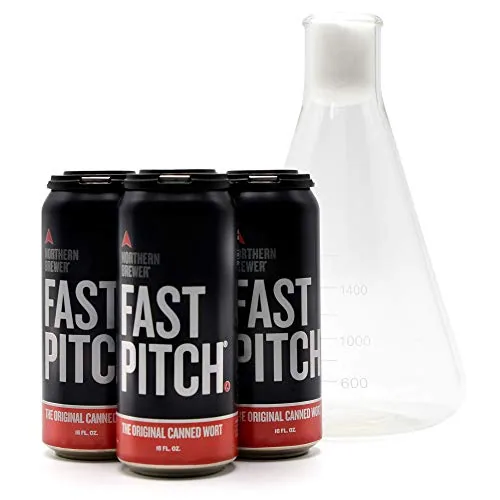
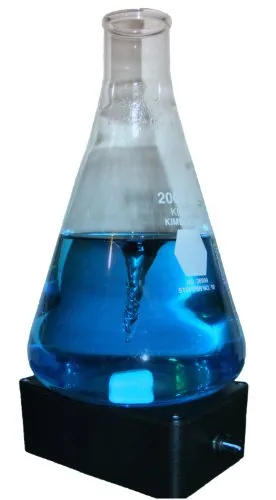
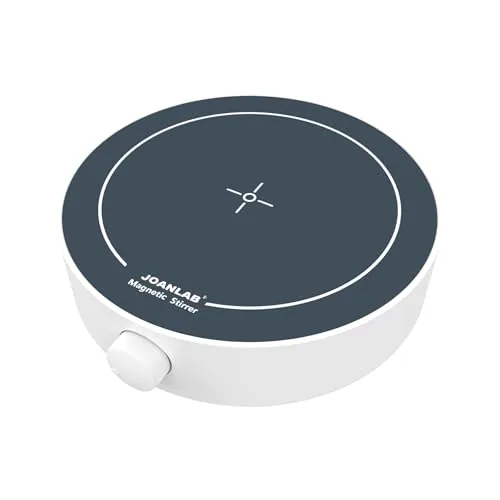
Making starters for liquid yeast? A stir plate and a borosilicate flask help.
Best for Regular liquid-yeast starters
Best for Small yeast starters
Best for Quick yeast starters
Related reading: best wine yeast.
 Best of
The best dry yeast for IPA and pale ale compared by maker temperature range, dose and attenuation: US-05, BRY-97,…
 Best of
The best wine yeast compared by maker data: EC-1118, 71B, D-47, RC212, Red Star Premier strains, Uvaferm CEG and mead…
 Best of
The best yeast nutrient for mead, wine and beer: Fermaid O, Fermaid K, Go-Ferm, DAP blends, energizers and beer…
 Best of
The best mead making kit for a first honey wine: 1-gallon kits compared by contents and what you still need, plus the…
VersusDry vs liquid yeast compared: maker doses, shelf life, viability, starters and strain range, plus Fermentis vs…
 Guide
Fermentation temperature guide for ales, lagers and kveik: maker yeast ranges in °F and °C, why beer runs warmer than…