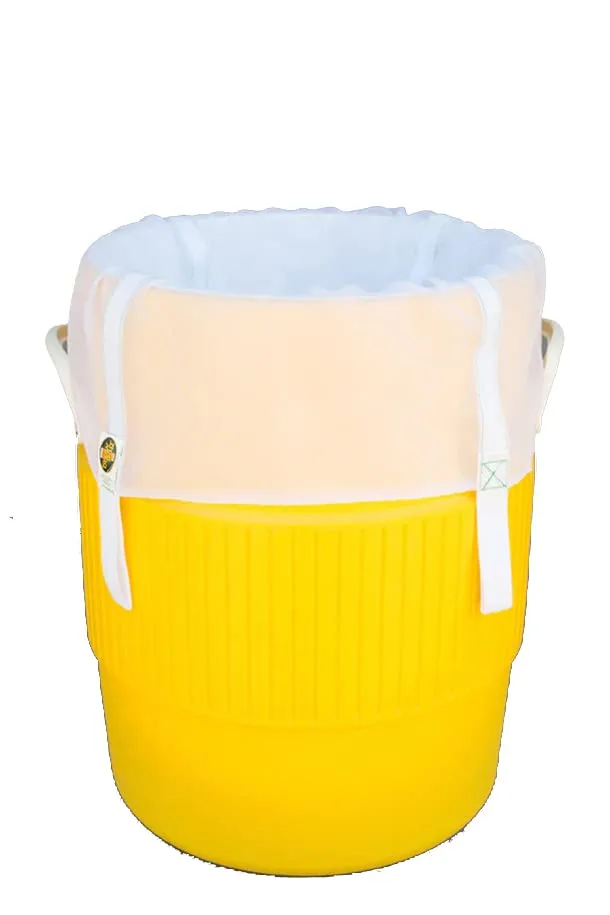
Wilser (The Brew Bag)
The Brew Bag Pro-Series for 10 Gal Coolers and Larger Kettles
- Volume
- Fits 10 gal round coolers and larger kettles
- Material
- Mesh with 1 in. poly straps
- Type
- BIAB bag
Best for Brew-in-a-bag in a cooler
BIAB, electric all-in-ones and three-vessel setups, plus the mill, chiller, water chemistry and pH meter that come with them.
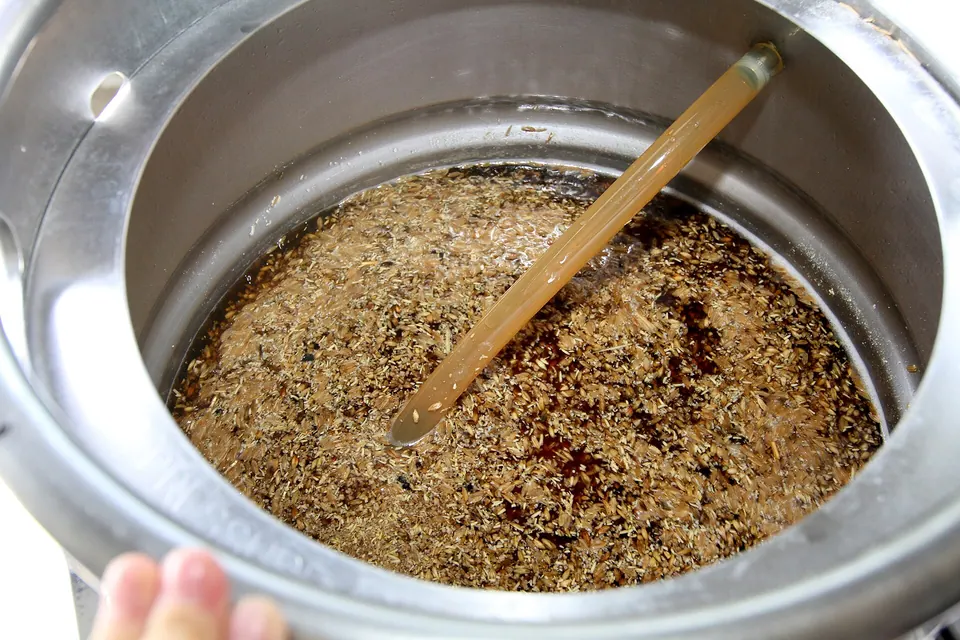
All-grain brewing means mashing crushed malt in hot water yourself instead of buying extract. There are three common routes. Brew in a bag (BIAB) adds a mesh bag to a kettle you may already own. An electric all-in-one puts mash, boil and controls in one vessel. A three-vessel setup uses a hot liquor tank, a cooler mash tun and a kettle, and scales to big batches.
| Route | What you add | Strengths | Trade-offs |
|---|---|---|---|
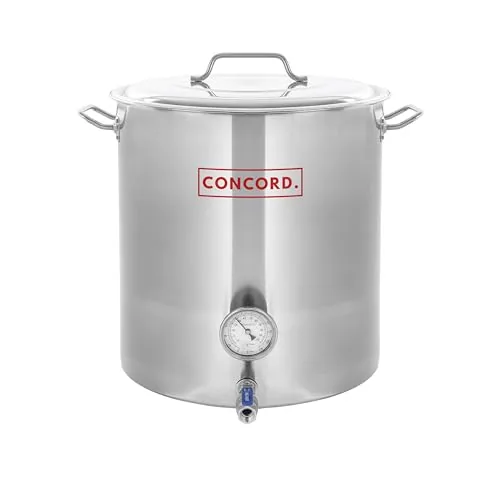
| BIAB | Bag, 8–10 gal kettle, heat source | ✓ Cheapest, one vessel | ~ Lifting a wet bag; propane only outdoors |
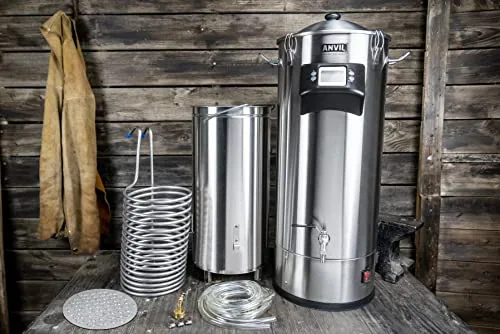
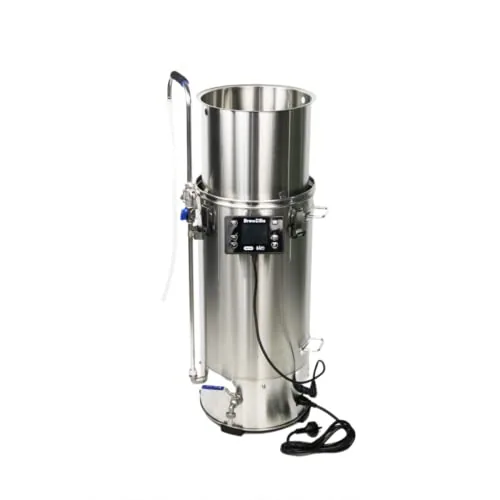
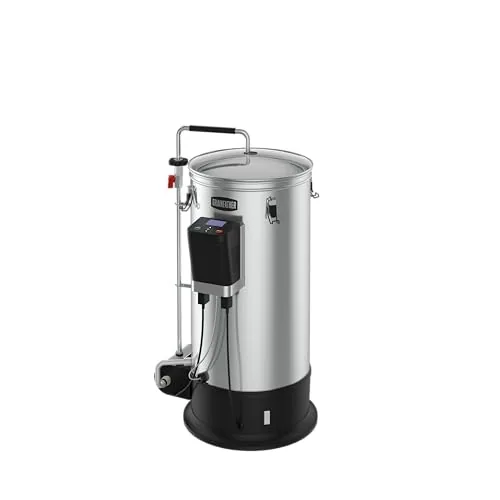
| Electric all-in-one | Anvil, BrewZilla, Grainfather and similar | ✓ Indoors on 120V, temperature control | ~ Grain capacity limits big beers |
| Three-vessel | Cooler mash tun, HLT, kettle | ✓ Scales to 10 gal batches | ~ More gear and floor space |
Best for Brew-in-a-bag in a cooler
Best for 10 gal boils on a budget
Best for Dual-voltage all-grain
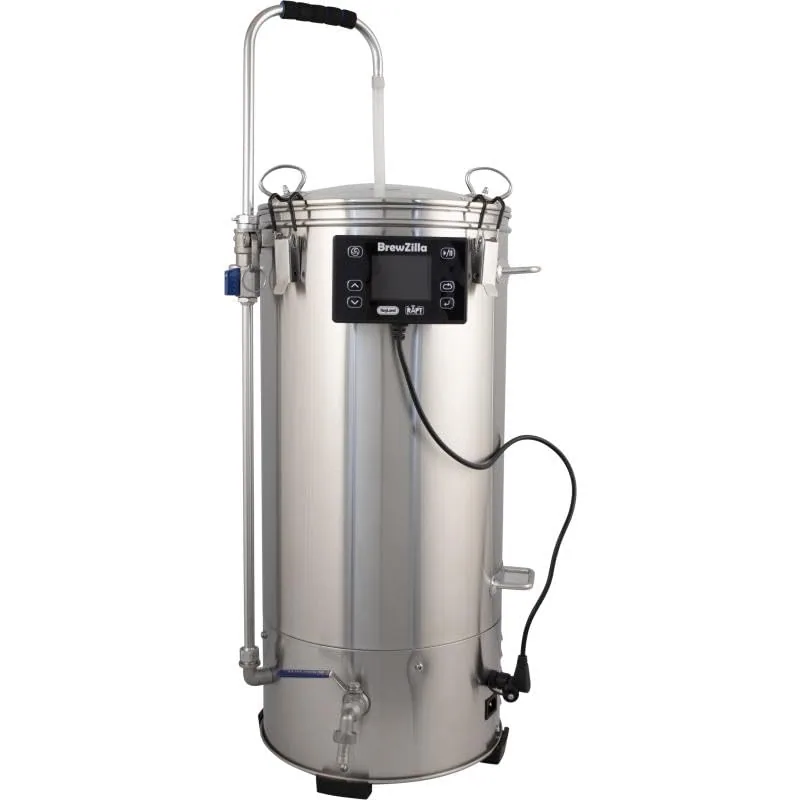
Best for 120V all-grain with app control
Best for Compact 120V all-grain
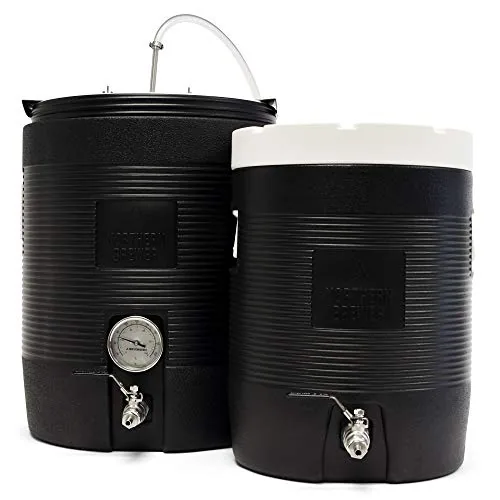
Best for Cooler-style all-grain brewing
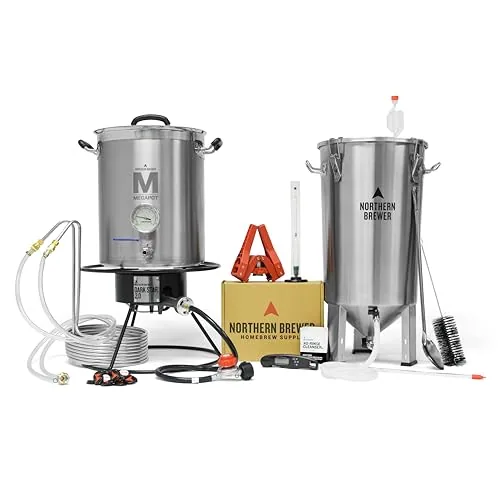
Best for Starting with stainless gear
Best for Brewers making starters
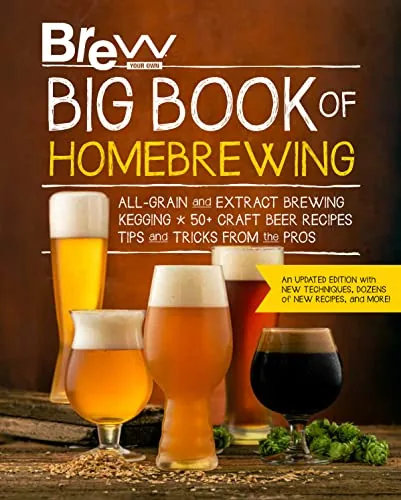
Best for A broad first reference
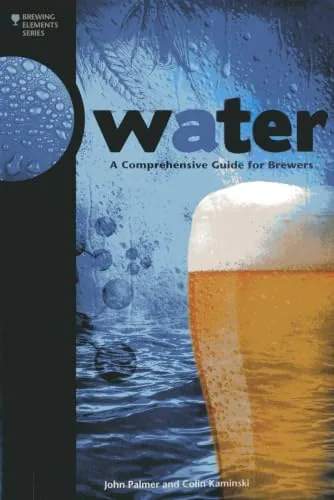
Best for All-grain brewers adjusting water
Best for Brewers ready to go beyond kits
Best for First all-grain recipe
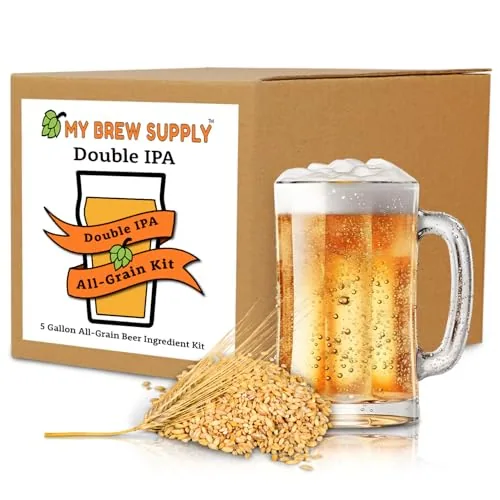
Best for All-grain Double IPA
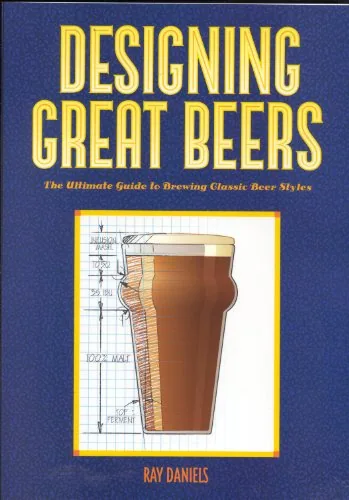
Best for Brewers writing their own recipes
Best for 120V all-grain with app control
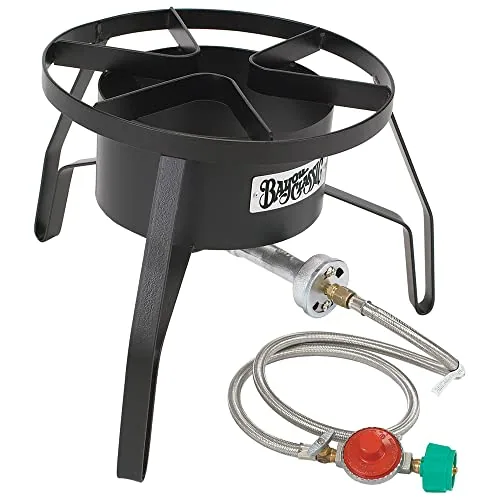
Best for Outdoor 5-gallon boils
Best for Brew-in-a-bag in a cooler
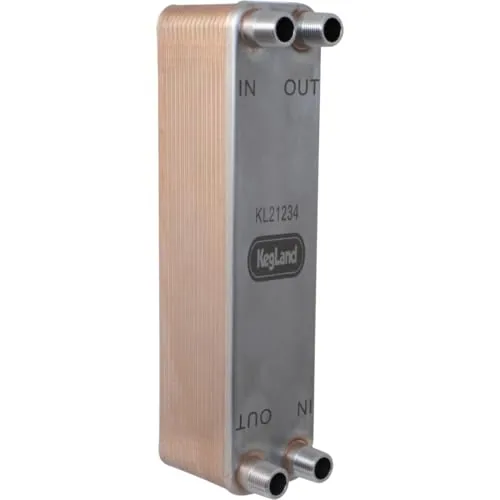
Best for Plate chilling in a KegLand setup
Best for Dual-voltage all-grain
Best for Compact 120V all-grain
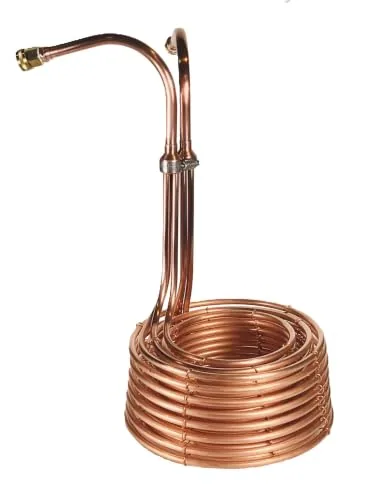
Best for Fastest immersion chilling
Best for 5-gallon all-grain on a household outlet
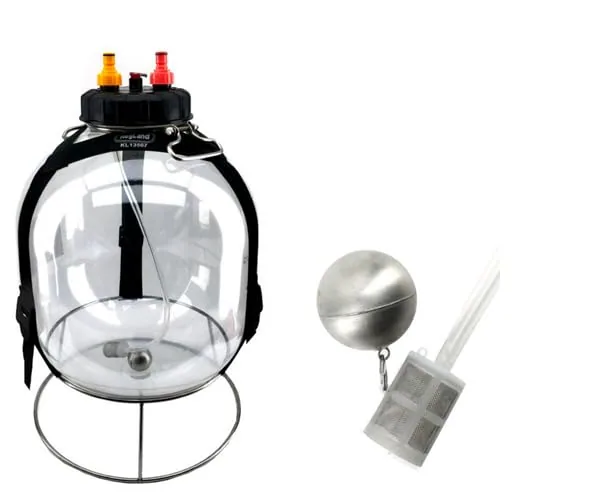
Best for Pressure fermenting and closed transfers
Best for Premium stainless fermenting
Best for 10-gallon batches in stainless
Best for Budget stainless pressure fermenting
Best for Cooling stainless conicals
Best for Small stainless batches
Best for Oxygenating wort before pitching
Best for First pressure fermenter
Best for Carbonating in a unitank
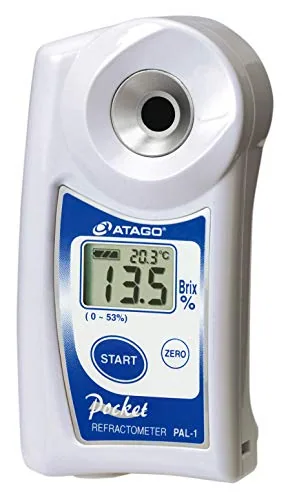
Best for Winemakers and brewers who want a digital Brix reading
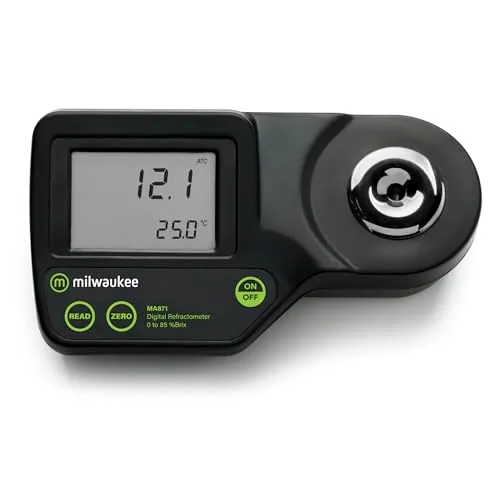
Best for Must and wort sugar readings
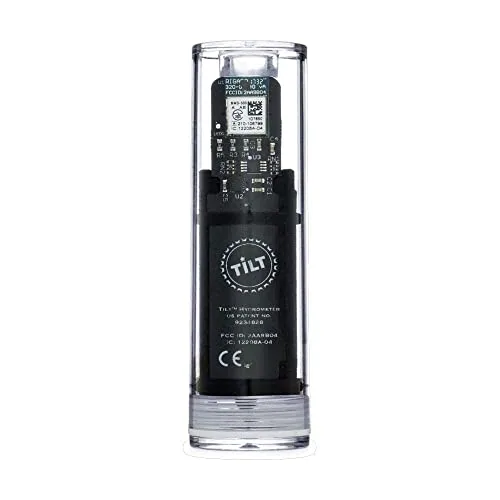
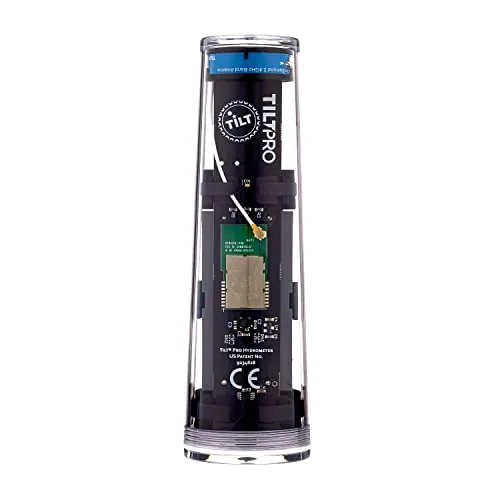
Best for Data-minded brewers and winemakers
Best for Logging fermentation without pulling samples
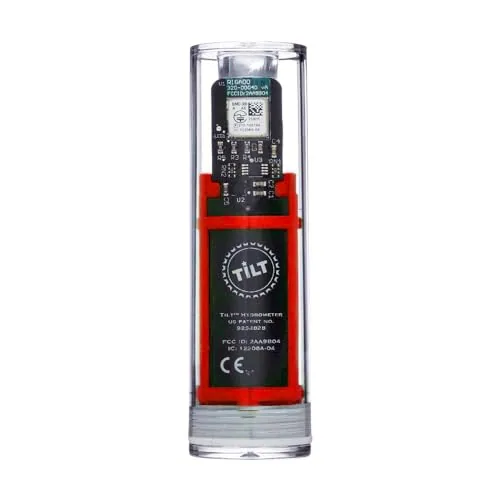
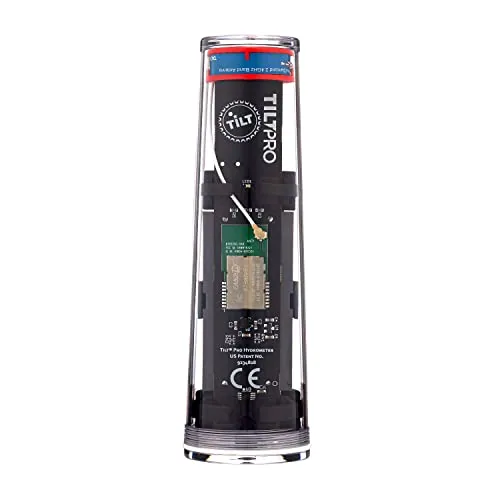
Best for A second fermenter alongside a black Tilt
Best for Advanced brewers with large fermenters
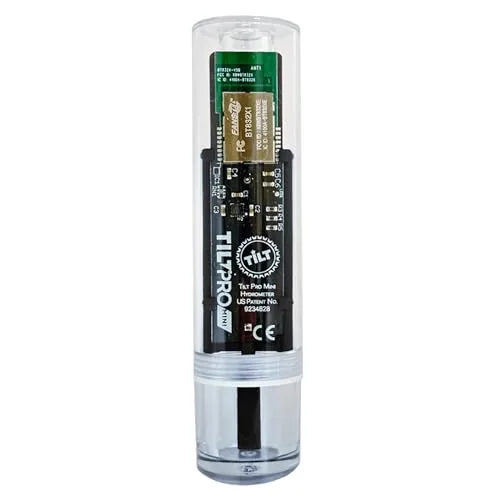
Best for A second large fermenter
Best for Fermenting in kegs or stainless
Best for Cream ales and American lagers
Best for Irish dry stout
Best for Rye beers
Best for Brewing cream ales often
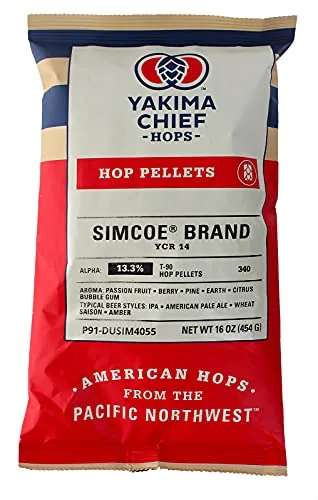
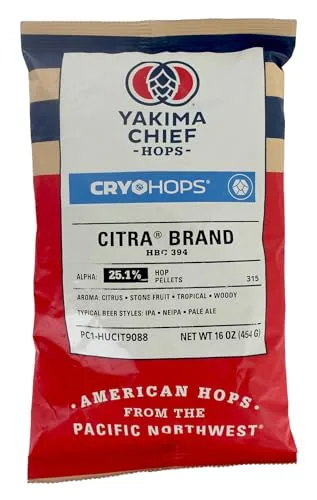
Best for Regular IPA brewers
Best for Heavily dry-hopped IPAs
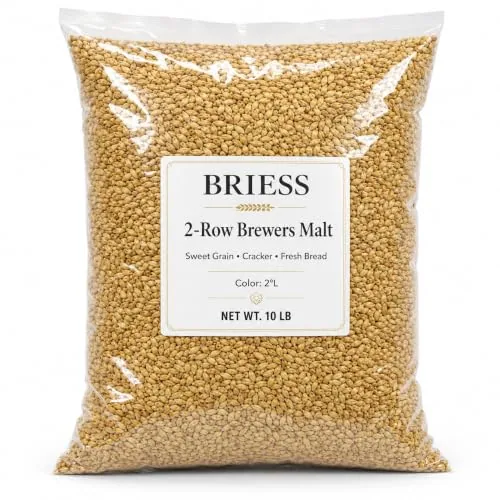
Best for The base of most all-grain recipes
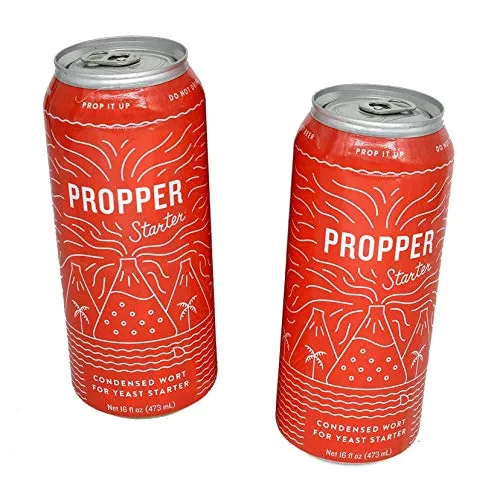
Best for Quick yeast starters
Best for Small yeast starters
Best for Regular liquid-yeast starters
Best for First yeast starter
Best for Budget starter setups
Best for Starters up to 3 L
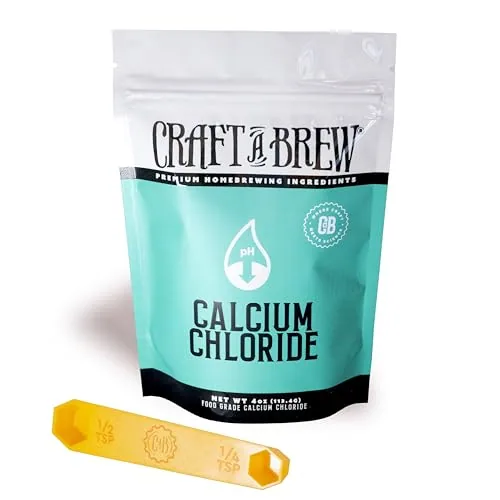
Best for Building hoppy water profiles
Best for Starting water chemistry
Best for Brewers not yet doing water calculations
Best for Soft-water brewers
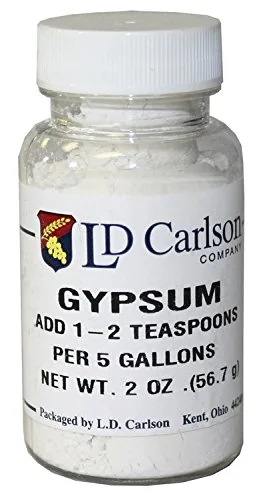
Best for Hoppy pale ales and IPAs
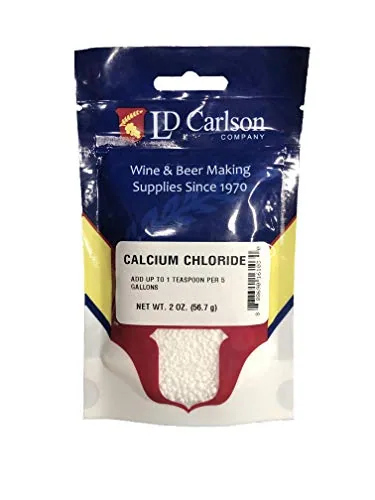
Best for Malty beers and NEIPAs
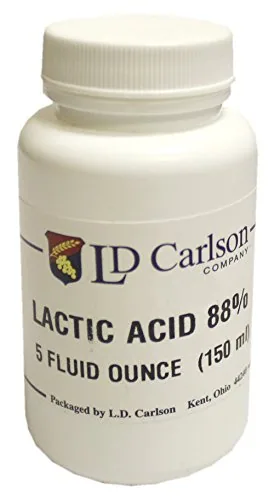
Best for Mash pH adjustment
Best for Regular brewers
Best for Soaking dirty fermenters and kettles
Best for An alternative to PBW
Best for Scrubbing large kettles
Grain capacity sets the strongest 5-gallon beer you can brew. Listings state it differently, so treat these as maker figures.
Maker or listing figures
A grain mill lets you buy uncrushed malt; a faster chiller matters more with full-volume boils; water chemistry and mash pH start to show in the glass. Add them one at a time.
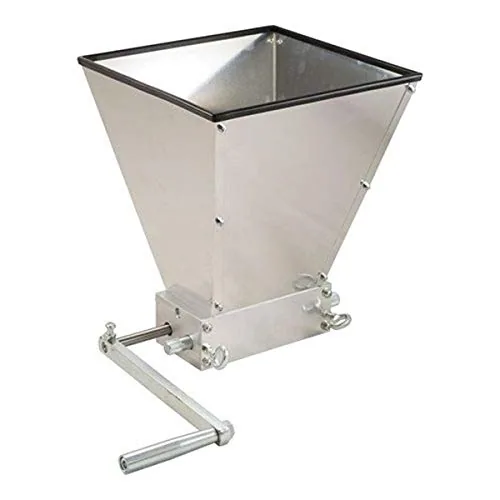
Best for An established homebrew mill design
Best for Fastest immersion chilling
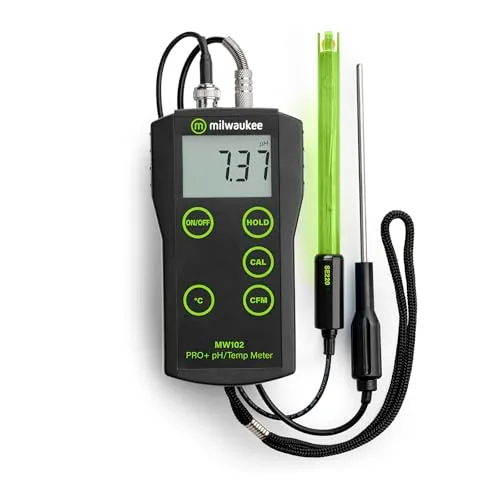
Best for Checking mash and wine pH
Best for Hoppy pale ales and IPAs
Best for Brewers not yet doing water calculations
Plan water additions with the water chemistry calculator and pre-boil volumes with the boil-off calculator.
Whichever route you choose, track mash temperature, efficiency and volumes in the brew-day log for your first few batches.
Related reading: Anvil Foundry 10.5 review (with the 6.5), KegLand BrewZilla Gen 4 review and best grain mills for homebrewing.
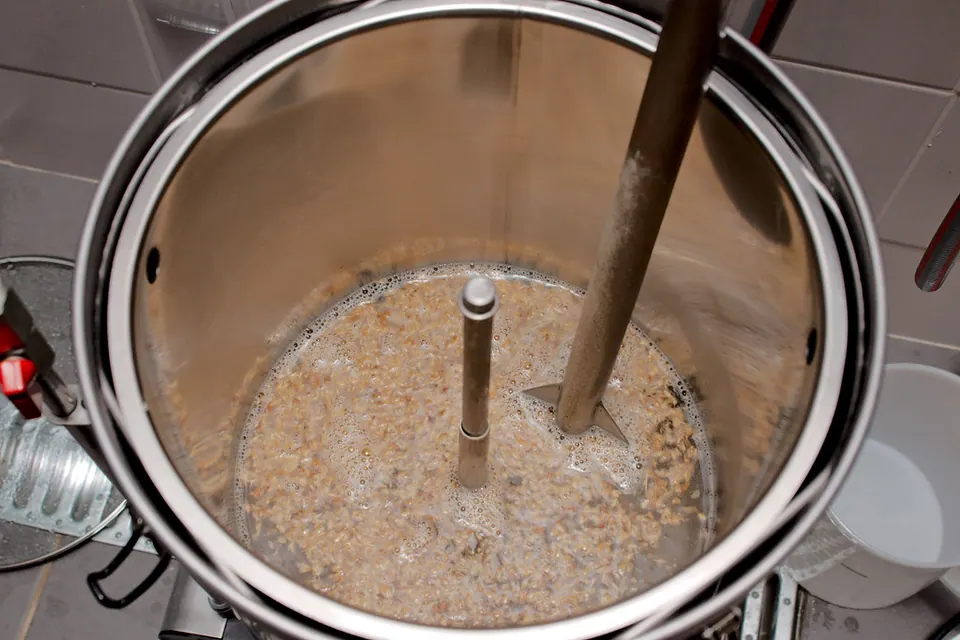 Best of
The best all-in-one brewing system for your outlet: Anvil, Grainfather, BrewZilla and budget 35L units compared by…
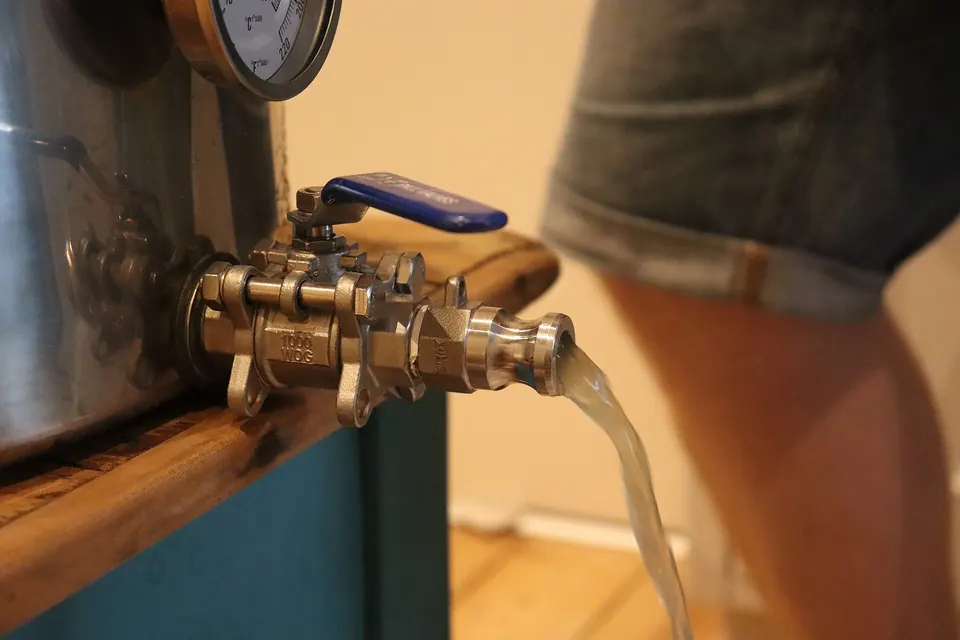 Best of
The best brew kettle for your batch size: 5 to 16 gallon stainless kettles compared by steel grade, bottom, ports,…
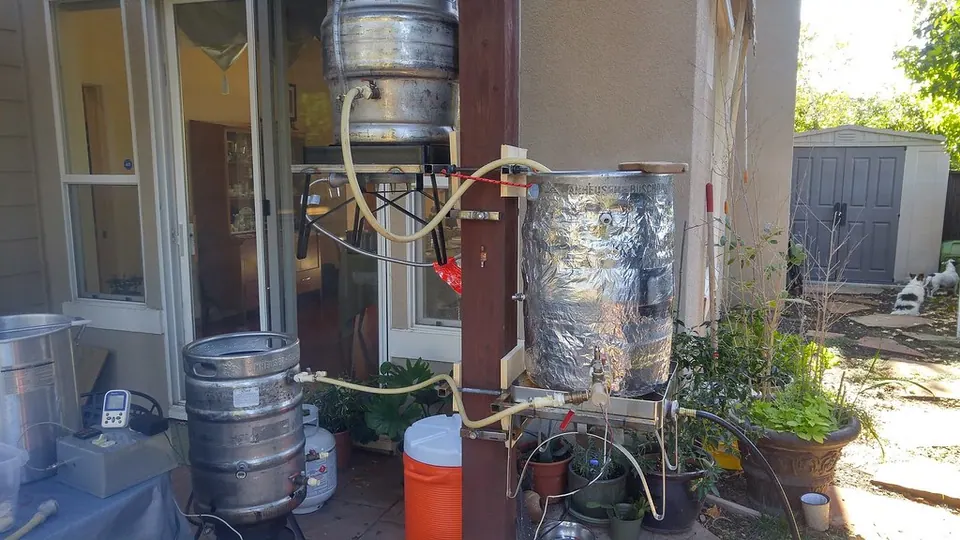 Best of
The best propane burner for brewing outdoors: Bayou Classic, Concord, Gas One, ARC and Dark Star burners compared by…
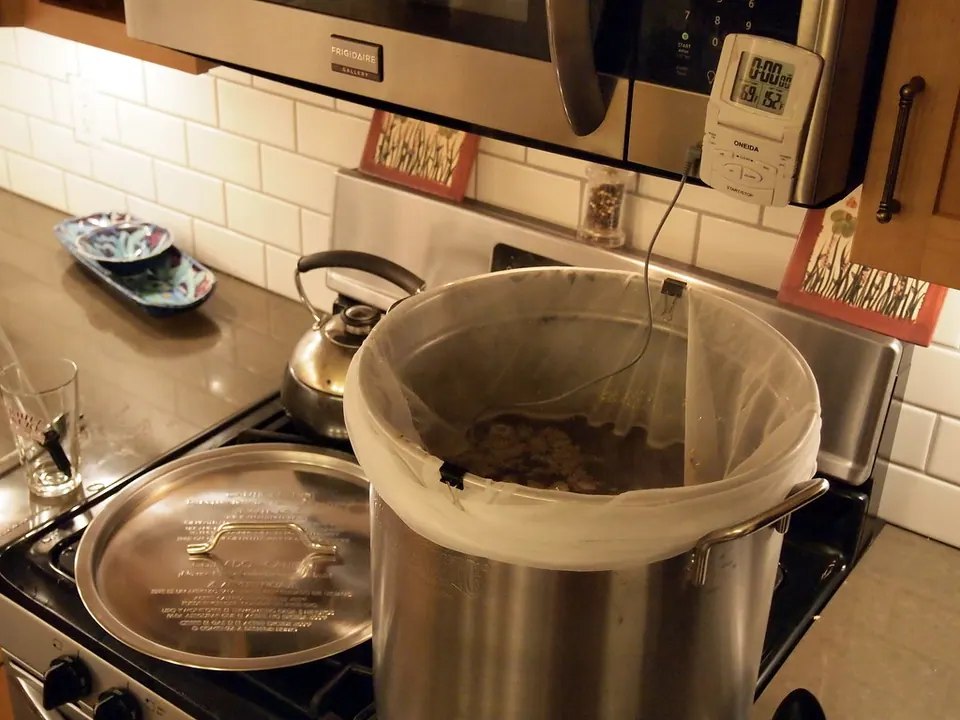 Best of
The best BIAB bag and hop spider for your kettle: The Brew Bag, mesh straining bags and stainless hop spiders compared…
 Best of
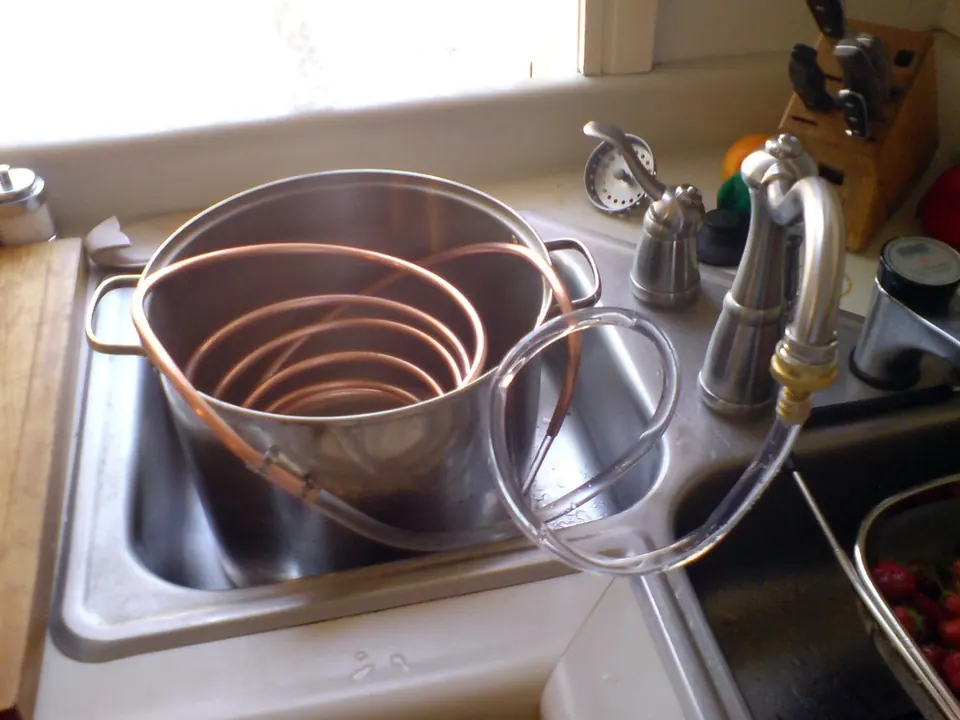
The best wort chiller for your setup: immersion, counterflow and plate chillers from JaDeD, Anvil, Grainfather and…
 Best of
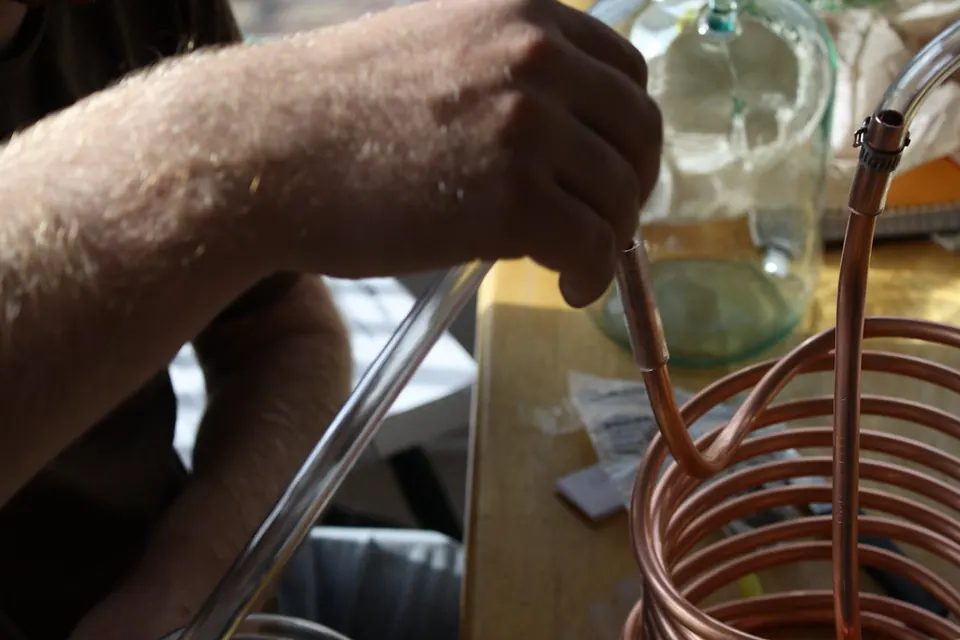
The best immersion chiller for your kettle: copper and stainless coils from JaDeD, NY Brew Supply, Northern Brewer and…