White Labs
White Labs Clarity Ferm
- Use
- Haze-reducing enzyme added at pitching
- Type
- Proline-specific enzyme
- Size
- Single vial
Best for Clearer beers
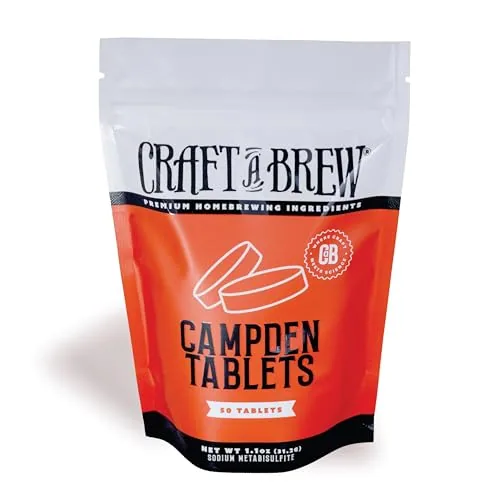
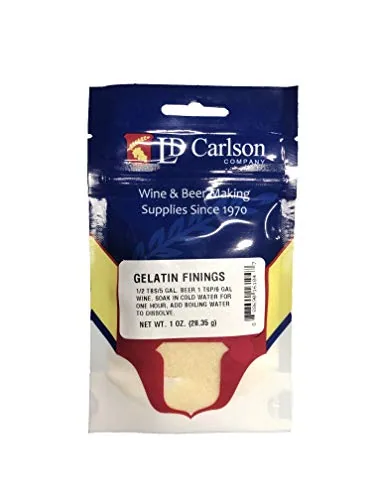
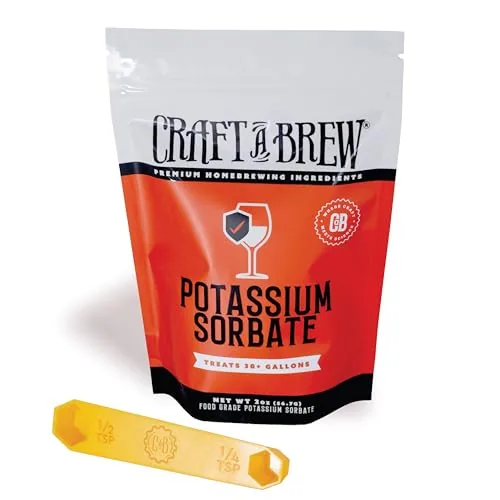
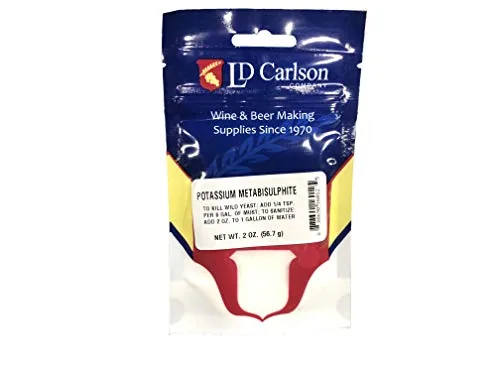
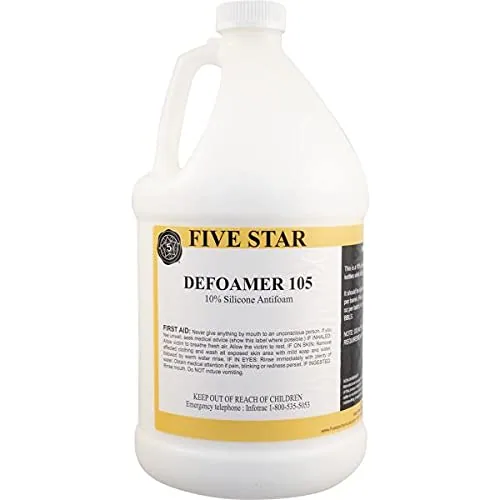
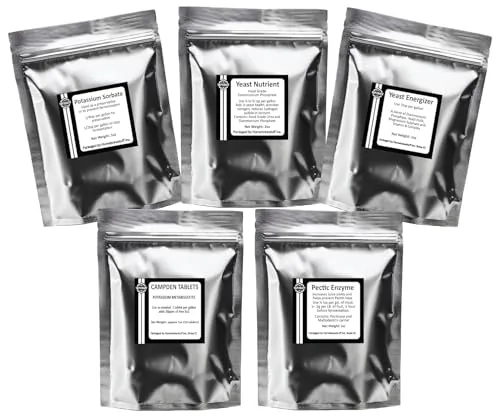
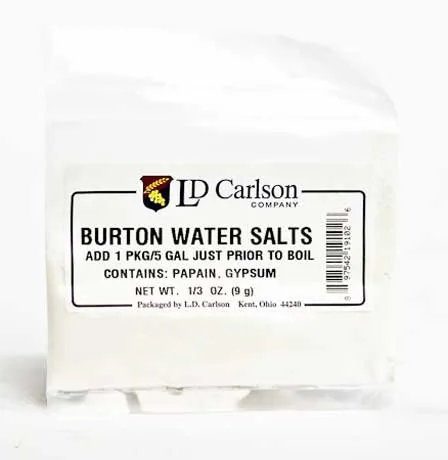
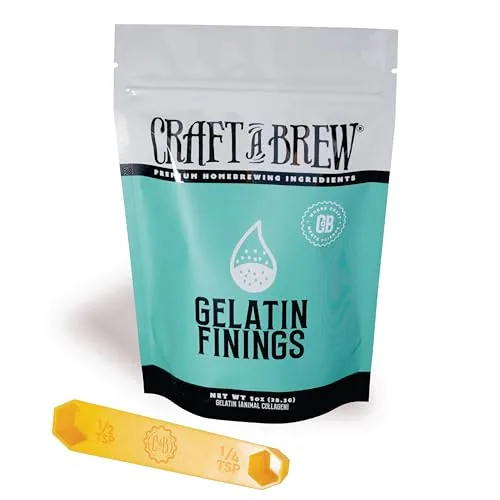
Water salts, acids, Whirlfloc and finings, Campden tablets, sorbate, enzymes and antifoam, explained by what each does and used per the label.
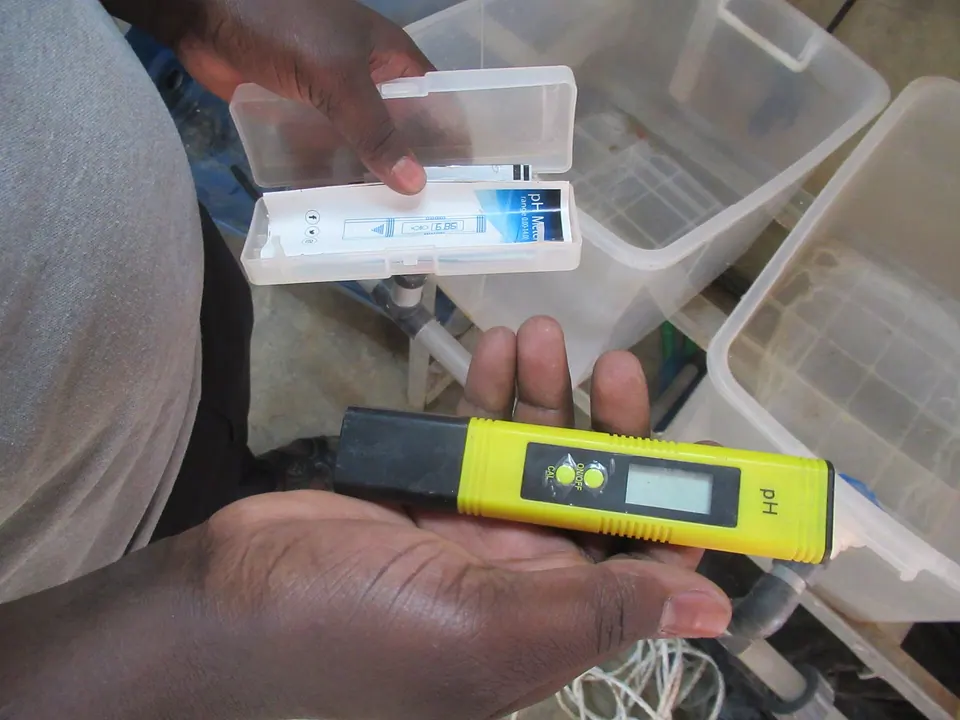
Best for Clearer beers
Best for Hoppy pale ales and IPAs
Best for Building hoppy water profiles
Best for Starting water chemistry
Best for Brewers not yet doing water calculations
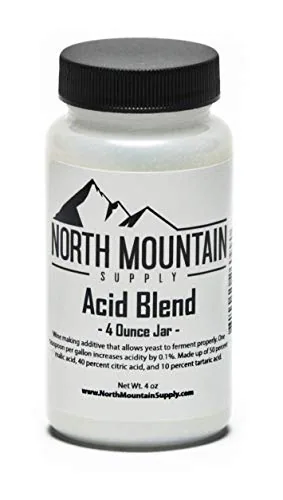
Best for Fruit wine acidity
Best for Trying kettle finings
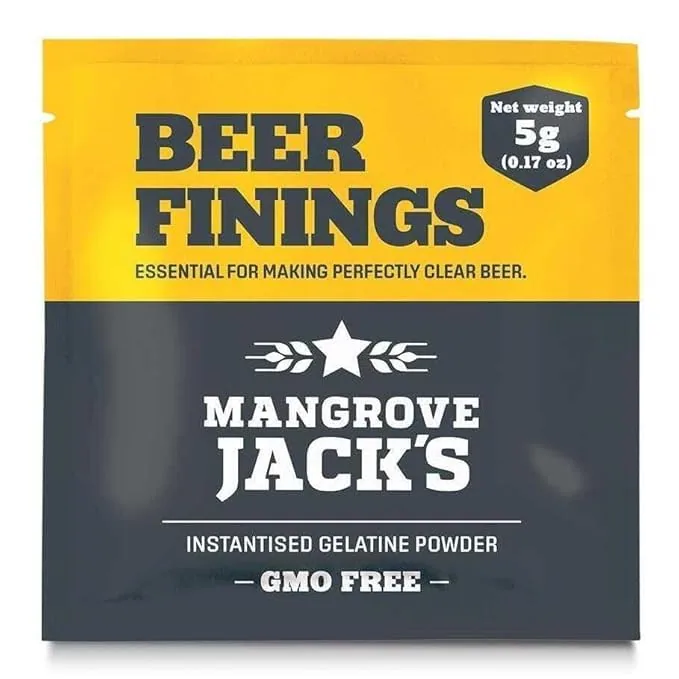
Best for Vegan-friendly beer fining
Best for Clearing wine and cider fast
Best for Fruit wine and cider
Best for Small kettles and full fermenters
Best for Malty beers and NEIPAs
Best for Soft-water brewers
Best for 1-gallon fruit batches
Best for Wine kits and fruit wines
Best for Mash pH adjustment
Best for Brightening ciders and meads
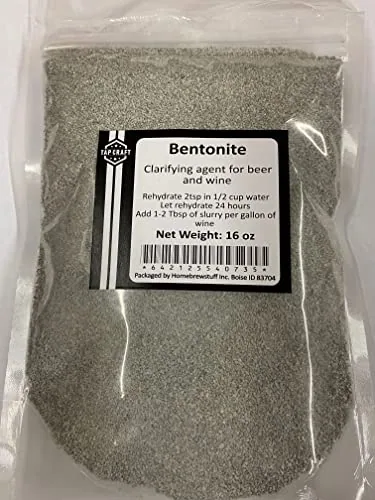
Best for Wine that will not clear
Best for Low-acid ciders
Best for Adjusting grape wine acidity
Best for Sweet wines and ciders
Best for Fruit wines and meads
Best for Clearer extract and all-grain beer
Best for Fruit wines lacking body
Best for Regular brewers
Best for 1-gallon wine and cider batches
Best for Clearing kegged beer
Best for Back-sweetening a semi-dry mead
Best for Stabilizing wine and cider
Best for Brut IPAs and light beers
Best for Winemakers and chloramine treatment
Best for Hoppy beers
Best for Frequent all-grain brewers
Best for Over-acidic wine musts
Best for Acid reduction
Best for Dark beers with soft water
Best for High-volume all-grain brewers
Best for Fruit wines and meads
Best for Bulk kettle fining
Best for One batch of clearer beer
Best for Frequent winemakers
Best for Clearing cider and wine
Best for Wine and cider stabilizing
Best for Bulk sulfite
Best for Frequent winemakers
Best for Large-batch brewers
Best for Stocking a first wine shelf
Best for English pale ales and IPAs
Best for Clearing beer before kegging
Best for One dry beer batch
Best for Grape wines
Best for Fruit wines and meads
Best for Extract kit brewers
Best for Frequent fruit winemakers
Best for Clearing stubborn wine haze
Best for Balancing fruit wines
Best for Drier beers
No product matches every filter. Clear one to see more.
Most extract brewers need almost nothing from this aisle beyond a kettle fining such as Whirlfloc. All-grain brewers add water salts and an acid; wine, cider and mead makers add Campden tablets, sorbate and pectic enzyme. Each product below is used at the dose on its own label, never a guessed one.
What each group does
| Group | Examples | What it does |
|---|---|---|
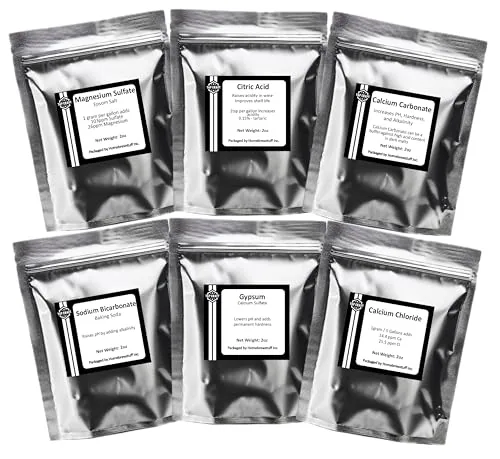
| Water salts | Gypsum, calcium chloride, chalk | Adjust calcium, sulfate, chloride and alkalinity |
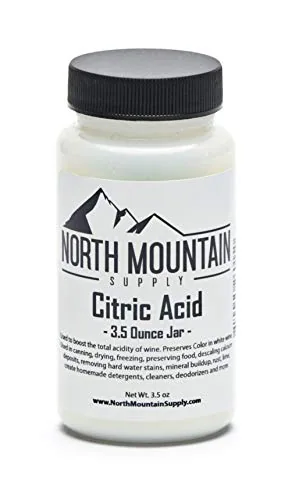
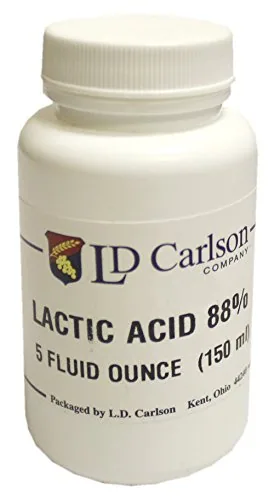
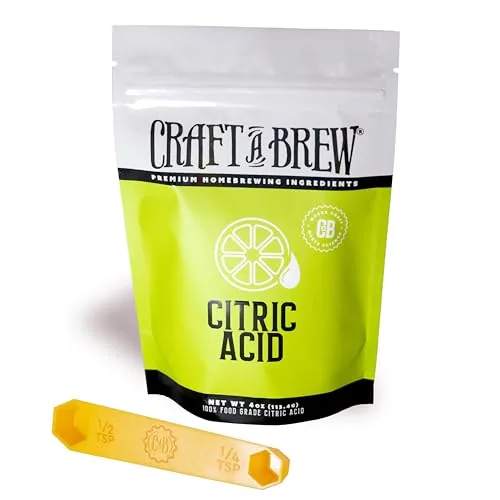
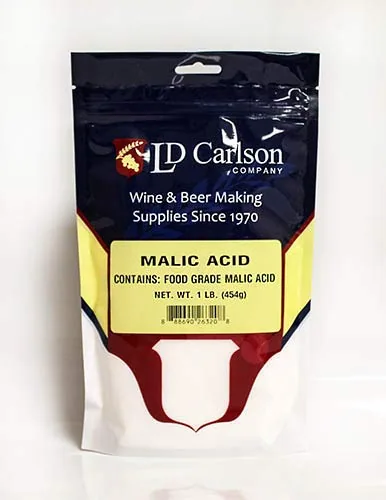
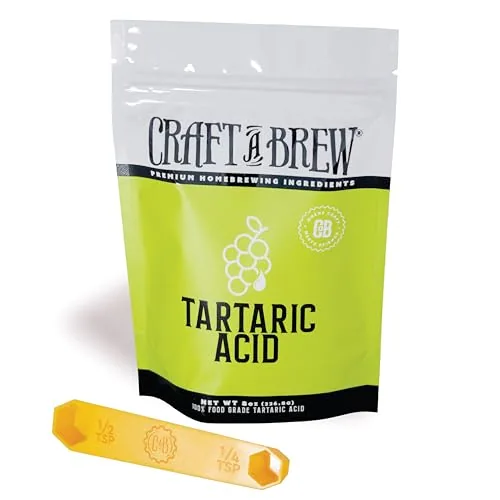
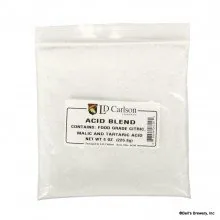
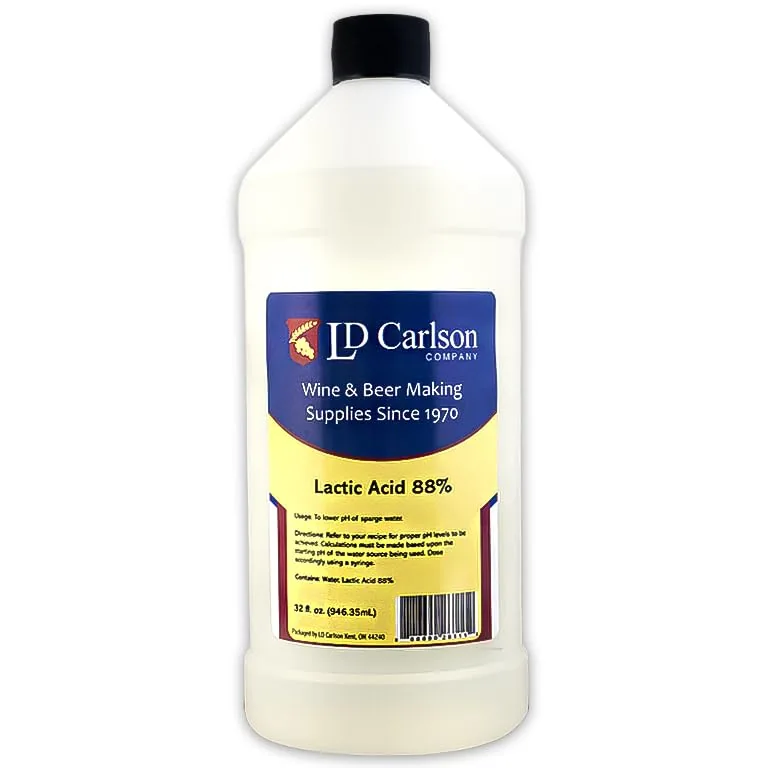
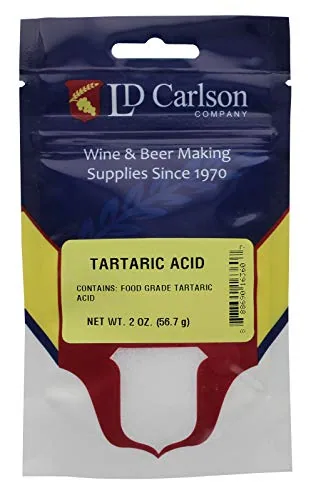
| Acids | Lactic 88%, citric, tartaric, malic | Lower mash pH; adjust wine and cider acidity |
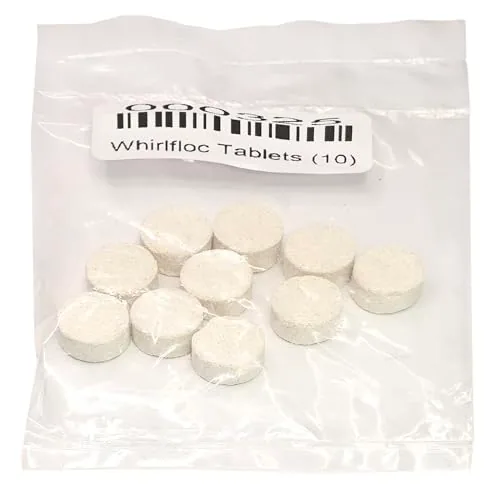
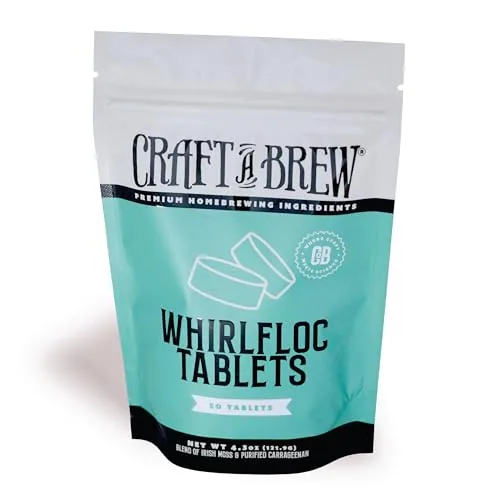
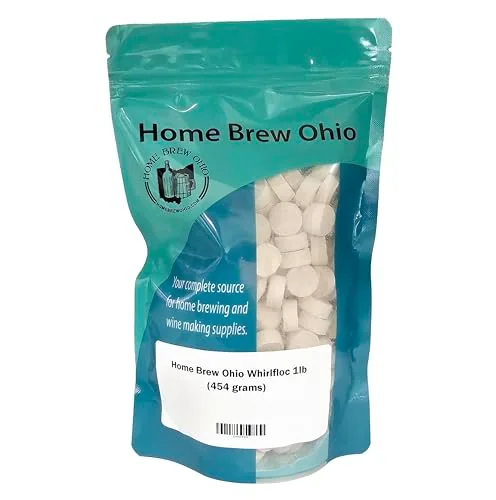
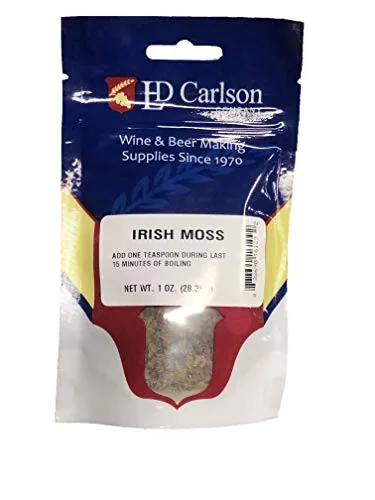
| Kettle finings | Whirlfloc, Irish moss | Drop proteins late in the boil |
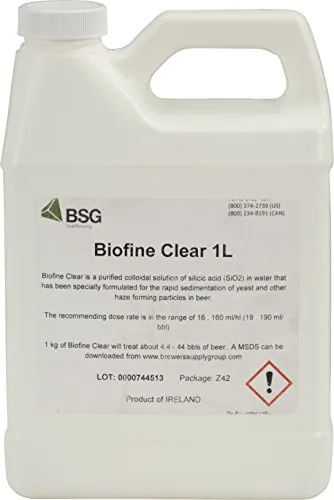
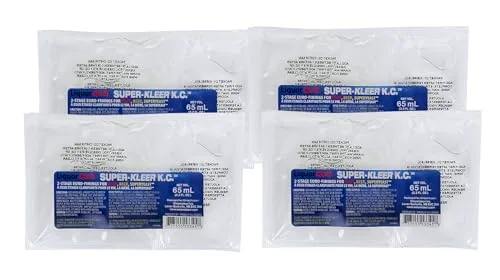
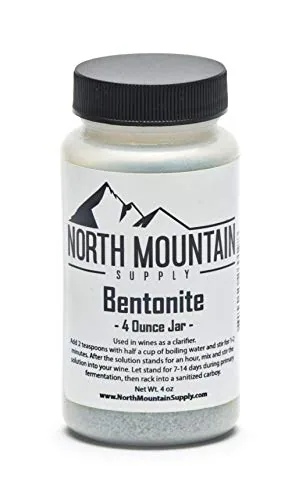
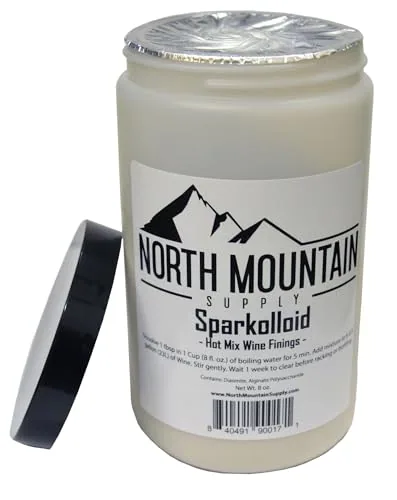
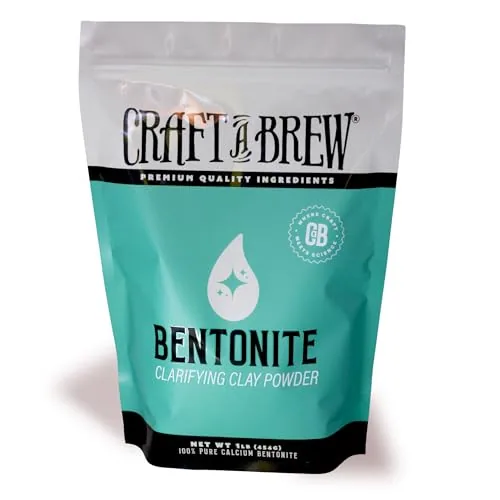
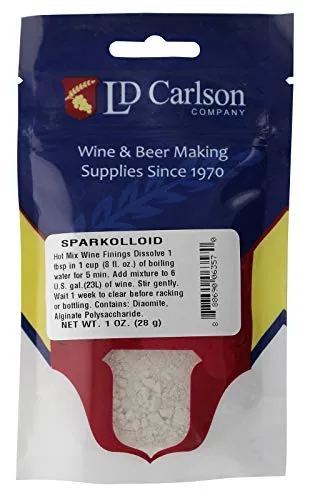
| Post-ferment finings | Gelatin, Biofine Clear, kieselsol + chitosan, bentonite | Clear yeast and haze |
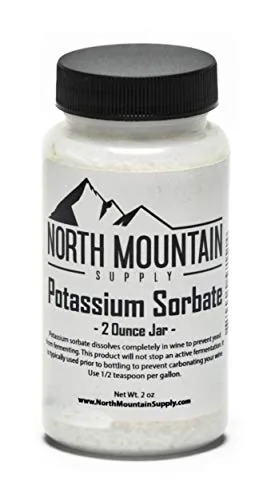
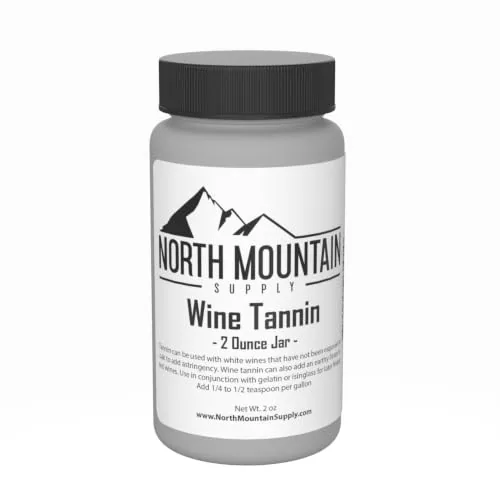
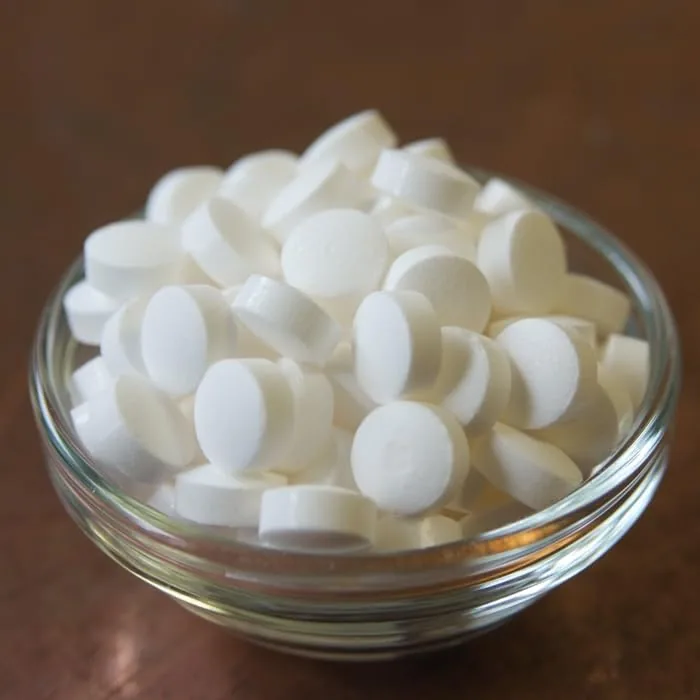
| Stabilizers | Campden tablets, K-meta, potassium sorbate | Sulfite protects; sorbate stops refermentation only with sulfite |
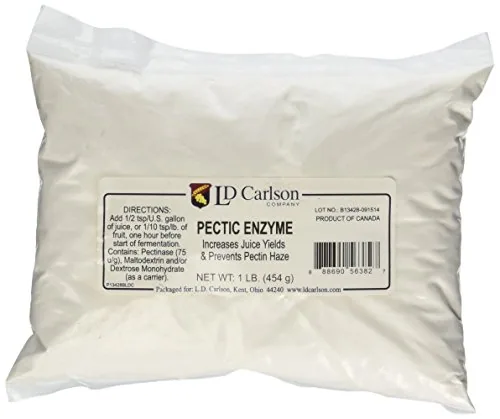
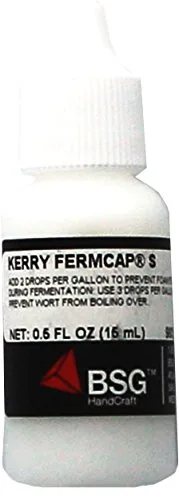
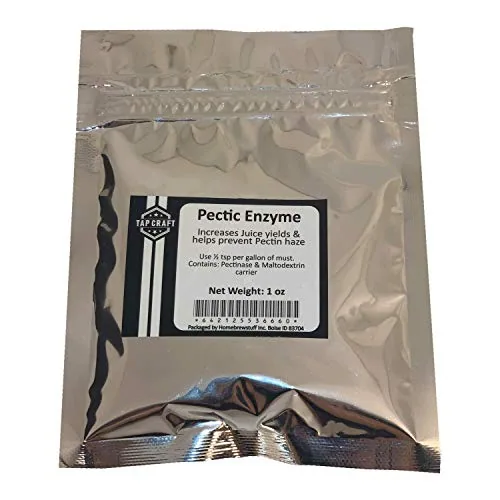
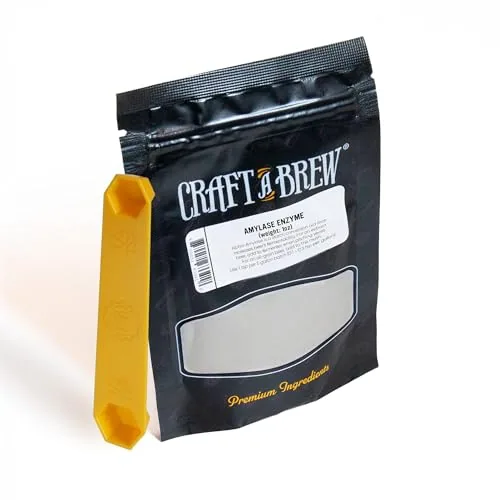
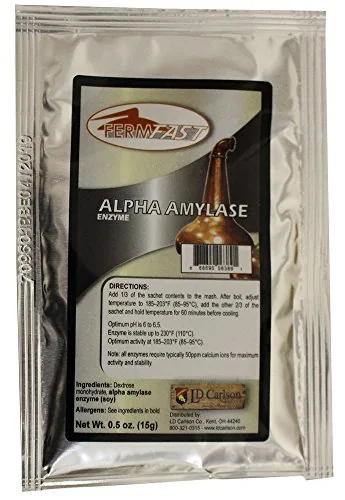
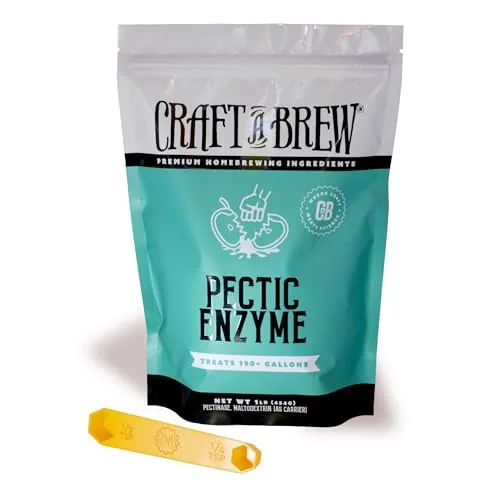
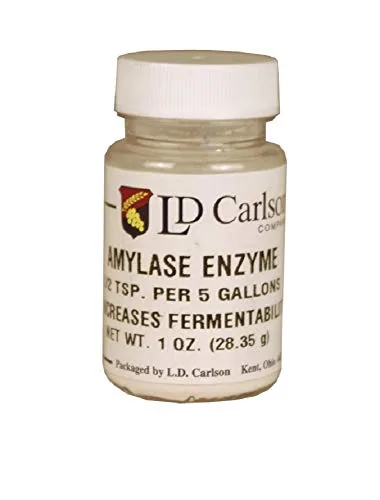
| Enzymes and aids | Pectic enzyme, amylase, Fermcap-S | Pectin haze, starch conversion, foam control |
Source: Product labels and research.md §2.9 sources
Best for Hoppy pale ales and IPAs
Best for Soft-water brewers
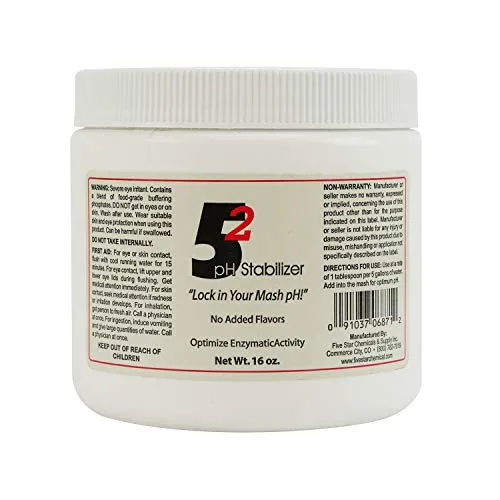
Best for Mash pH adjustment
Best for Brewers not yet doing water calculations
Best for Regular brewers
Best for Clearer extract and all-grain beer
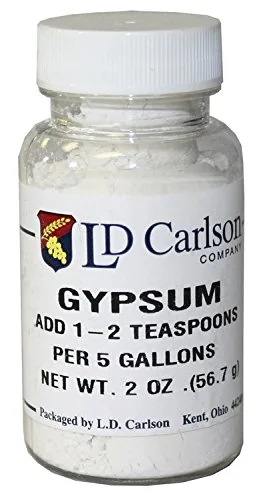
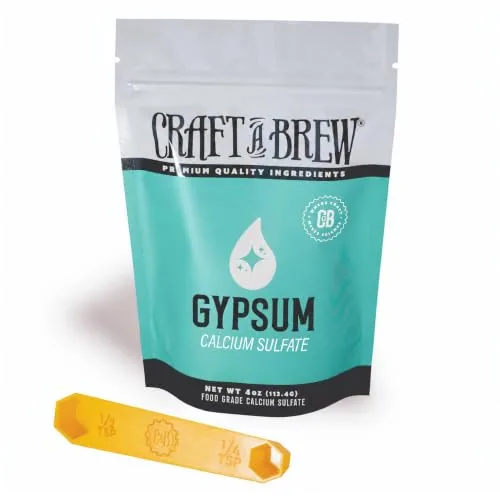
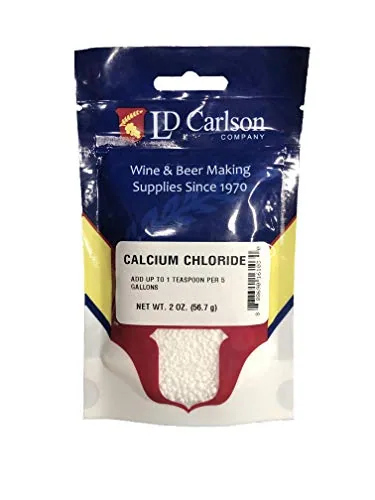
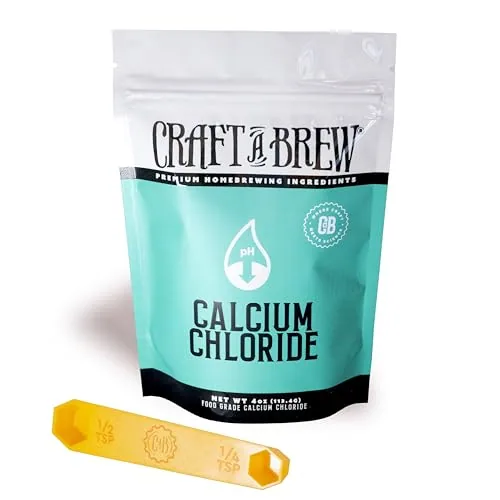
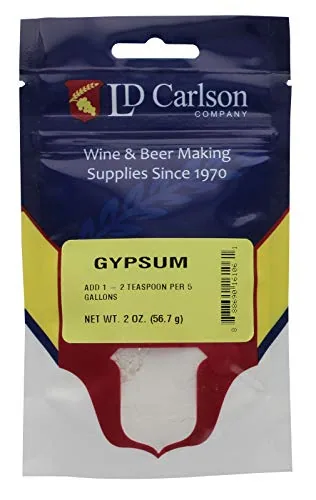
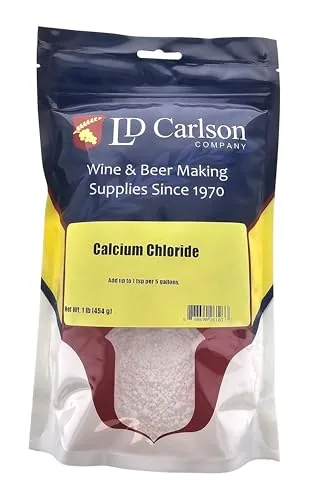
One gram of a salt in one US gallon adds a fixed amount of each ion. Gypsum pushes sulfate (crisper bitterness); calcium chloride pushes chloride (rounder malt). Chalk barely dissolves in plain water, so real additions fall short of the table.
What 1 gram of each salt adds to 1 US gallon (ppm)
| Salt | Ca | Mg | Na | SO4 | Cl | HCO3 |
|---|---|---|---|---|---|---|
| Gypsum CaSO4·2H2O | 61.5 | — | — | 147.4 | — | — |
| Calcium chloride CaCl2·2H2O | 72 | — | — | — | 127.4 | — |
| Epsom salt MgSO4·7H2O | — | 26.1 | — | 103 | — | — |
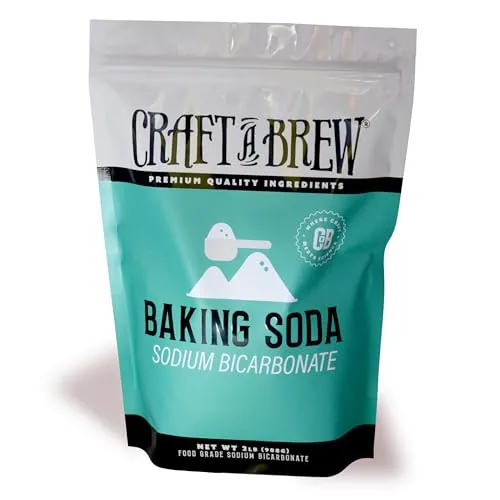
| Baking soda NaHCO3 | — | — | 72.3 | — | — | 191.9 |
| Table salt (non-iodized) NaCl | — | — | 103.9 | — | 160.3 | — |
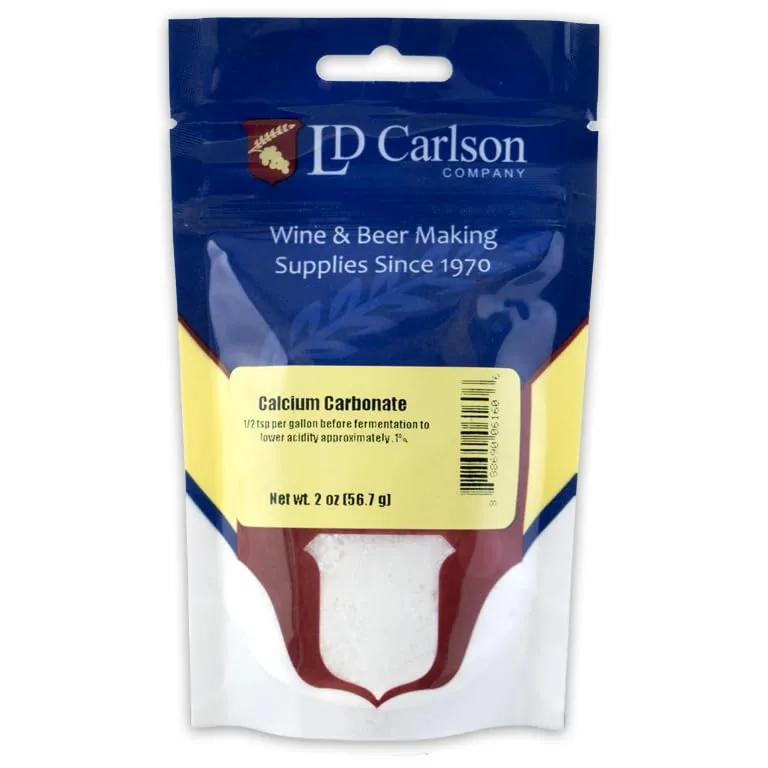
| Chalk CaCO3 Poorly soluble in plain water; real additions dissolve only partly | 105.8 | — | — | — | — | CO3 158.4 |
RA = Alkalinity − (Ca / 3.5 + Mg / 7) (all ppm; alkalinity as CaCO3 = HCO3 × 50/61). One Campden tablet treats about 20 gal (75 L) of chloraminated water (AHA/BYO guidance; check your tablet's label). Sources: Palmer & Kaminski, Water: A Comprehensive Guide for Brewers (Brewers Publications); BYO: Charts & calculators (brew-water spreadsheet); Craft Beer & Brewing: Brewing tools (water chemistry). Gypsum and calcium chloride are checked against published calculators; the rest are stoichiometric values.
Brewing water chemistry calculatorSalt additions to ppm, sulfate-to-chloride ratio and residual alkalinity.Gelatin and chitosan are animal-derived, so they are not vegan, and chitosan is a shellfish allergen concern. Campden tablets and potassium metabisulfite add sulfites. Pectic enzyme clears fruit haze but can slightly raise methanol; normal home wine and cider still do not reach dangerous levels.
Best for Vegan-friendly beer fining
Best for Clearing kegged beer
Best for Clearing wine and cider fast
Best for Sweet wines and ciders
Best for 1-gallon wine and cider batches
Best for Frequent fruit winemakers
Best for Small kettles and full fermenters
Not sure where to start? Extract brewers rarely need salts at all; treat chloramine and add finings only if you want clearer beer.
Related reading: best brewing sanitizers and cleaners and best pH meters for brewing.
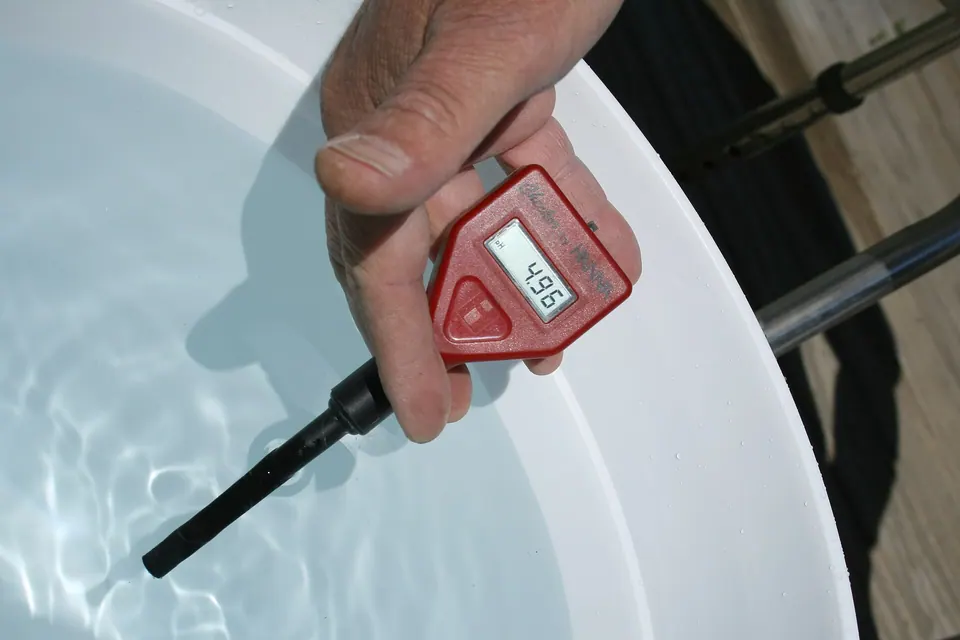 Best of
The best pH meter for brewing compared by stated accuracy, ATC, calibration and probe type, plus when cheaper test…
 Versus
Whirlfloc vs Irish moss: what each kettle fining does, label doses and timing, plus gelatin, Biofine and…
 Versus
Campden tablets vs potassium sorbate: sulfite protects against microbes and oxidation, sorbate stops new yeast growth.…
 Guide
Cleaning vs sanitizing brewing gear: why you need both, which products do which job (PBW, OneStep, Star San,…
 Guide
Brewing water chemistry for beginners: read a water report, remove chlorine and chloramine, use gypsum and calcium…
 Guide
Mash pH for all-grain brewers: the 5.2–5.6 target, how to measure with a calibrated meter, and how to lower it with…