Kegco
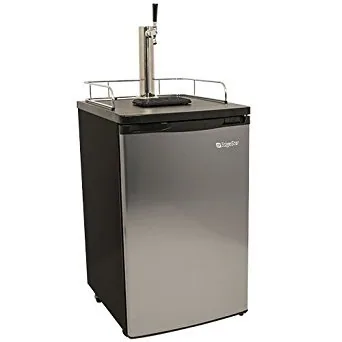
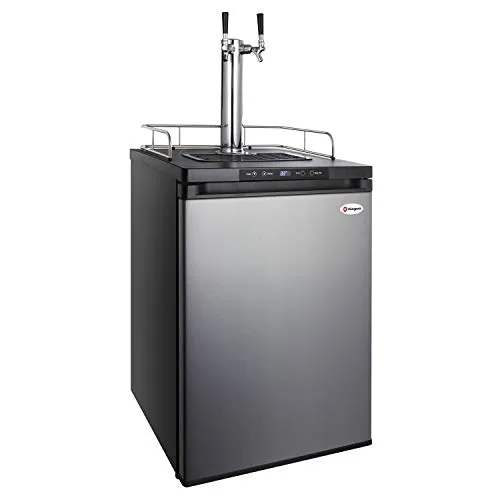
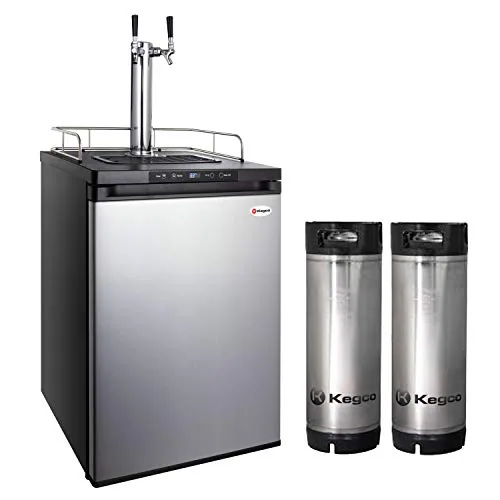
Kegco HBK309S-2K Homebrew Kegerator with Ball Lock Keg
- Taps
- 2
- Kegs
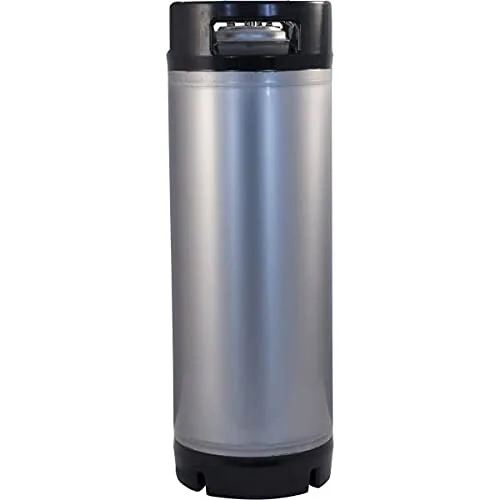
- Includes 1 ball lock keg; fits three 5 gal ball/pin lock
- Temp range
- 32–75°F
Best for Complete homebrew draft setup
Kegerator or keezer, corny kegs, CO2 safety, the carbonation chart and a line-cleaning routine for brewers done with bottling day.
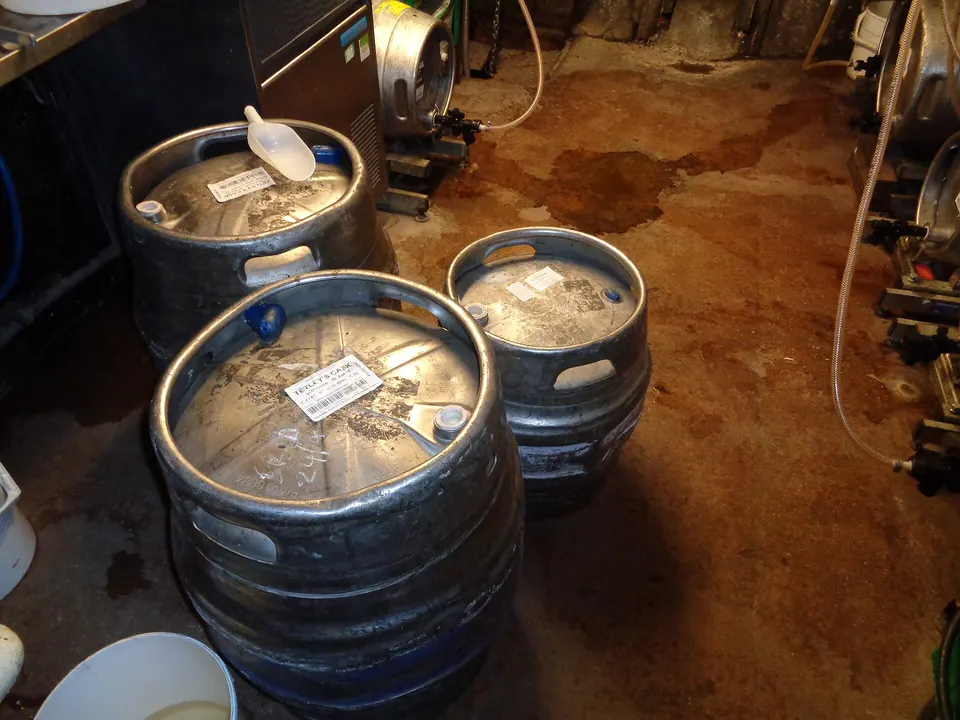
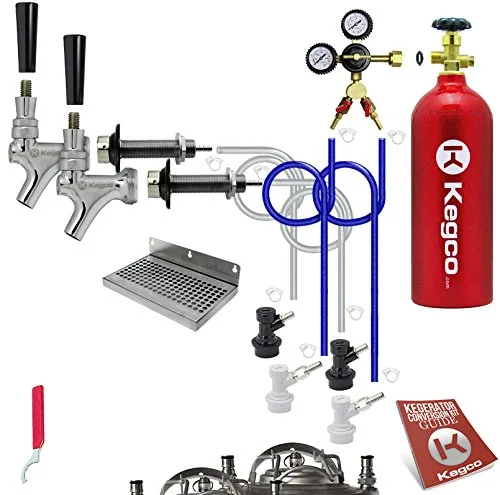
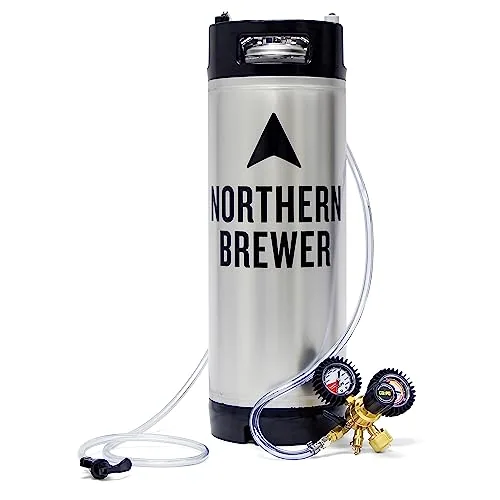
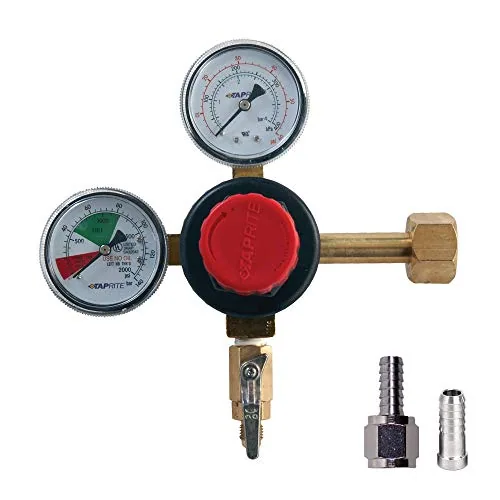
Switching to kegs replaces 50 bottles with one 5 gal (19 L) corny keg. You need a cold space, a keg, a CO2 cylinder, a regulator, lines and a faucet. A homebrew kegerator bundles the fridge and tap; a conversion kit turns a fridge you own into one; a keezer puts kegs in a chest freezer run by a temperature controller.
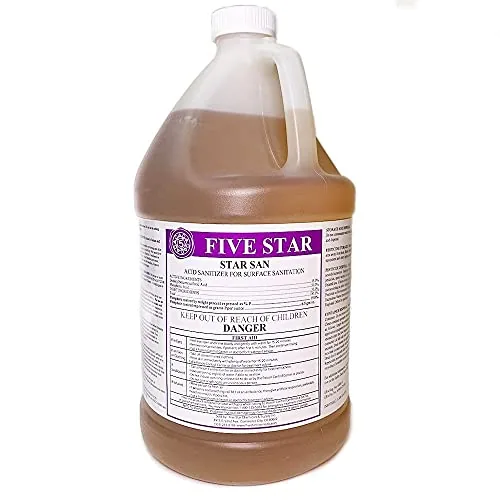
Disassemble posts and dip tube now and then, clean, then sanitize per the label.
Rack cold beer in gently, seal the lid and purge the headspace with a few bursts of CO2.
Pick a pressure from the chart for your beer temperature and target volumes.
Set-and-forget carbonation takes about one to two weeks. Check for leaks with soapy water.
Best for Complete homebrew draft setup
Best for Commercial or corny kegs
Best for Converting a fridge for corny kegs
Best for First step into kegging
Best for First kegging regulator
Best for First homebrew keg
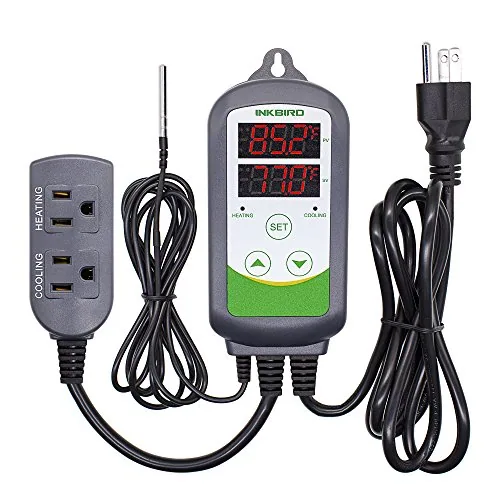
Best for Fridge or heat-wrap fermentation control
Best for Pressure fermenting and closed transfers
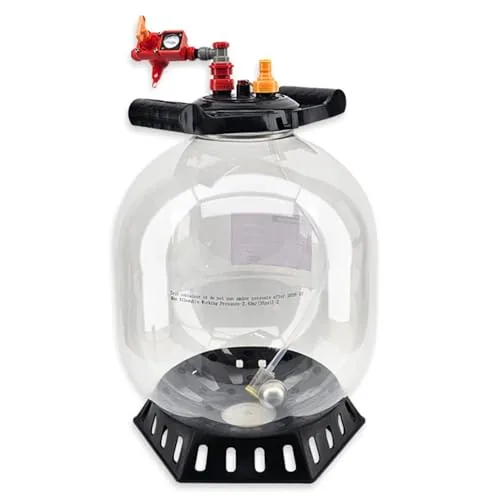
Best for First pressure fermenter
Best for Pressure fermenting in a corny keg
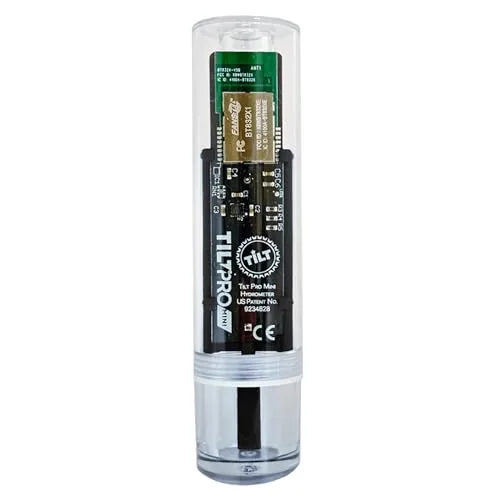
Best for Remote fermentation monitoring
Best for 10-gallon pressure batches
Best for Pressure fermenting with yeast harvest
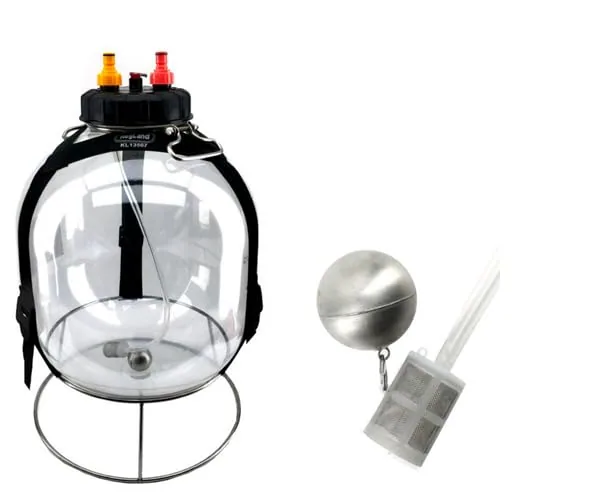
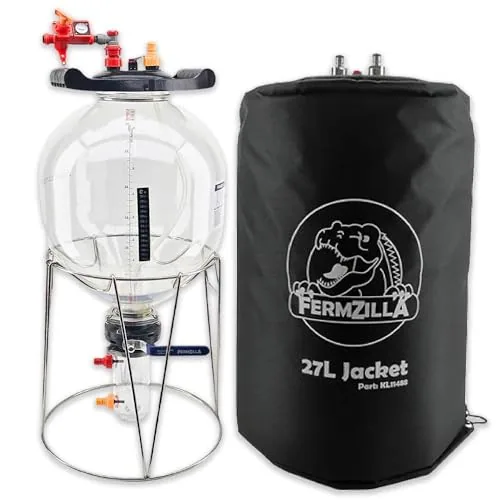
Best for Complete FermZilla setup
Best for A dedicated homebrew kegerator
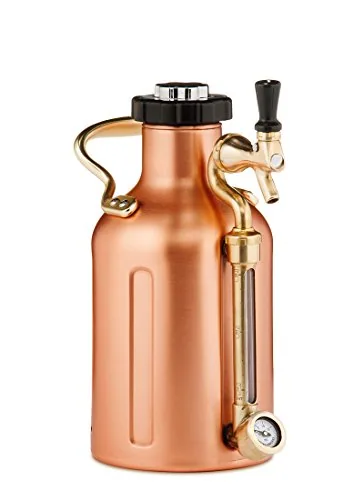
Best for First homebrew keg
Best for First step into kegging
Best for Gift for a brewer 21+
Best for First kegging regulator
Best for Complete homebrew draft setup
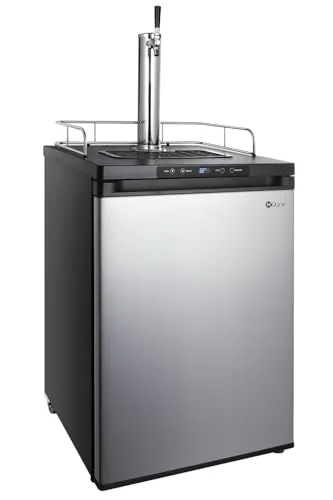
Best for One beer on tap
Best for Commercial or corny kegs
Best for Fermenting in kegs or stainless
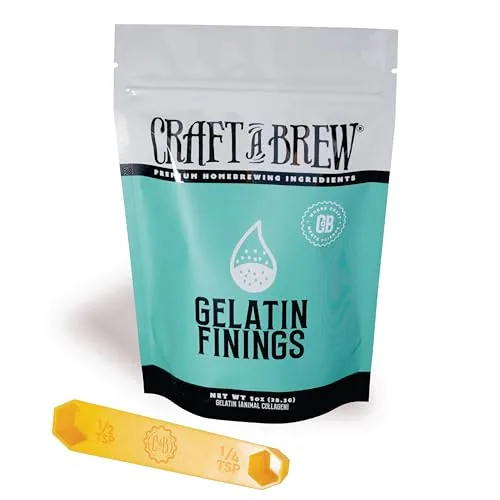
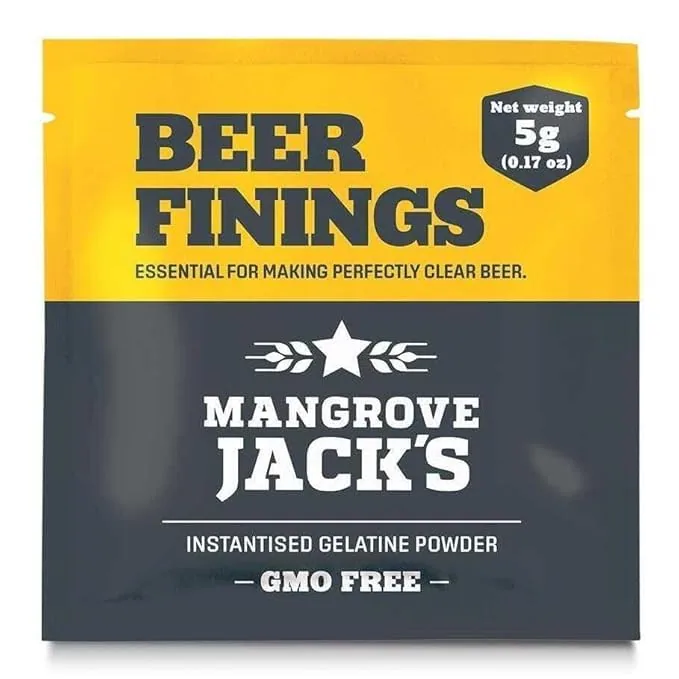
Best for Clearing kegged beer
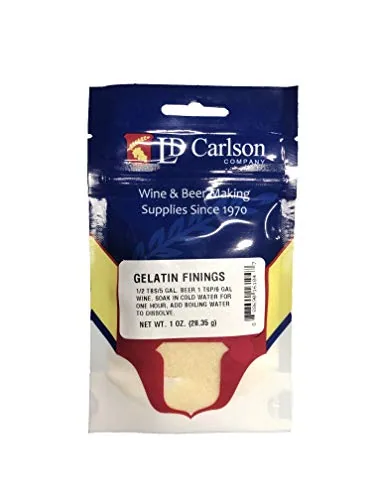
Best for Vegan-friendly beer fining
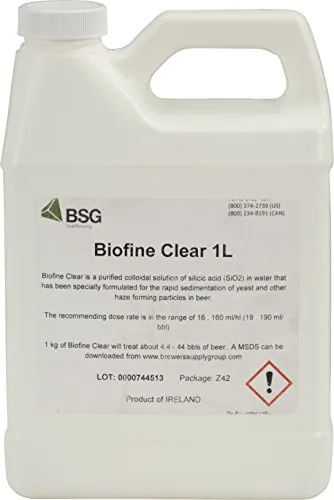
Best for Clearing beer before kegging
Best for One batch of clearer beer
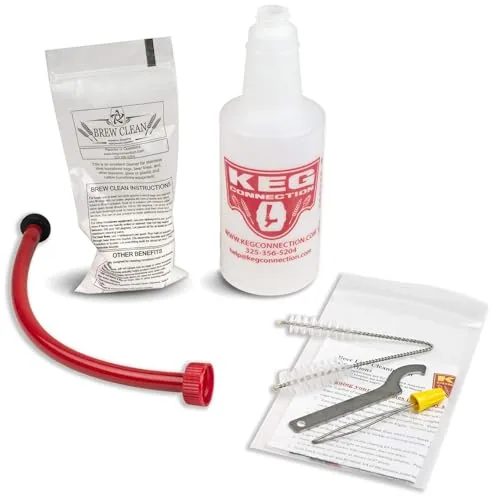
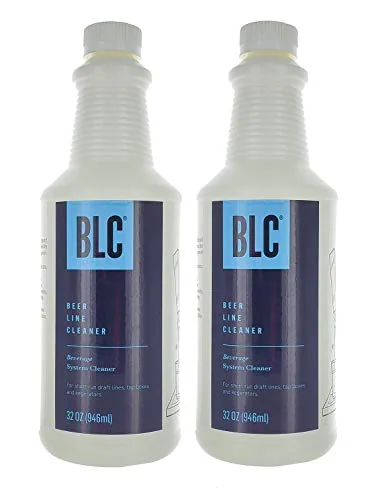
Best for Routine kegerator line cleaning
Best for Frequent brewers and kegging setups
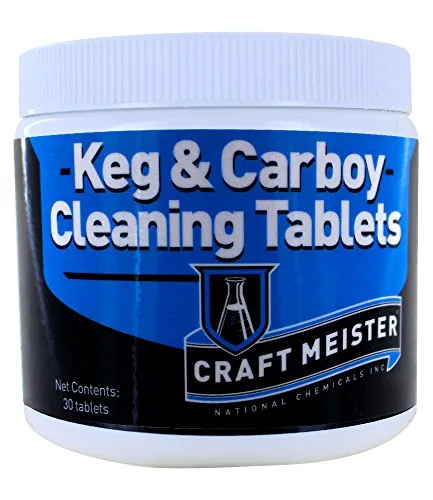
Best for Cleaning kegs and carboys
Best for Cleaning growlers and bottles without measuring
Best for Soaking kegs and carboys
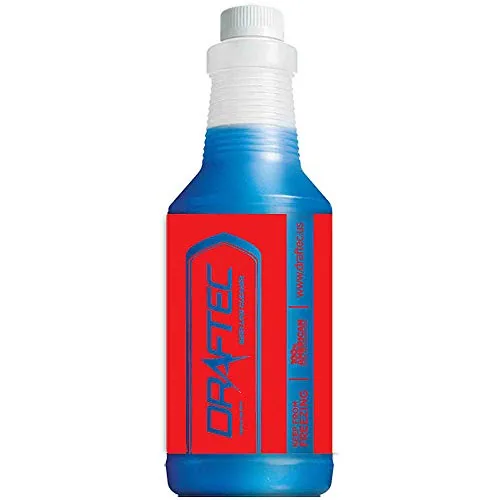
Best for Kegerator line cleaning
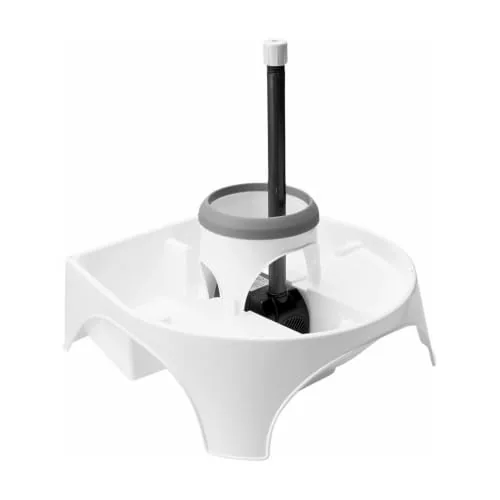
Best for Seeing when lines are full of cleaner
Best for Commercial-coupler kegerators
BYO's figures put 2.4 volumes at 40°F (4°C) at about 11.2 psi; add about 0.5 psi per 1,000 ft of altitude.
Keg pressure (psi, sea level) by beer temperature and target CO2 volumes
| Beer temp | 1.8 vol | 2.0 vol | 2.2 vol | 2.4 vol | 2.6 vol | 2.8 vol | 3.0 vol | 3.2 vol |
|---|---|---|---|---|---|---|---|---|
| 32°F 0°C | 1.6 | 3.5 | 5.4 | 7.3 | 9.2 | 11.0 | 12.9 | 14.8 |
| 34°F 1.1°C | 2.3 | 4.3 | 6.3 | 8.2 | 10.2 | 12.1 | 14.1 | 16.0 |
| 36°F 2.2°C | 3.1 | 5.1 | 7.2 | 9.2 | 11.2 | 13.3 | 15.3 | 17.3 |
| 38°F 3.3°C | 3.9 | 6.0 | 8.1 | 10.2 | 12.3 | 14.4 | 16.5 | 18.6 |
| 40°F 4.4°C | 4.7 | 6.8 | 9.0 | 11.2 | 13.4 | 15.5 | 17.7 | 19.8 |
| 42°F 5.6°C | 5.5 | 7.7 | 10.0 | 12.2 | 14.4 | 16.7 | 18.9 | 21.1 |
| 44°F 6.7°C | 6.3 | 8.6 | 10.9 | 13.2 | 15.5 | 17.8 | 20.1 | 22.4 |
| 46°F 7.8°C | 7.1 | 9.5 | 11.8 | 14.2 | 16.6 | 19.0 | 21.3 | 23.7 |
| 48°F 8.9°C | 7.9 | 10.4 | 12.8 | 15.3 | 17.7 | 20.1 | 22.6 | 25.0 |
| 50°F 10°C | 8.7 | 11.3 | 13.8 | 16.3 | 18.8 | 21.3 | 23.8 | 26.3 |
| 52°F 11.1°C | 9.6 | 12.2 | 14.8 | 17.3 | 19.9 | 22.5 | 25.1 | 27.6 |
| 54°F 12.2°C | 10.4 | 13.1 | 15.7 | 18.4 | 21.1 | 23.7 | 26.3 | 29.0 |
| 56°F 13.3°C | 11.3 | 14.0 | 16.7 | 19.5 | 22.2 | 24.9 | 27.6 | 30.3 |
Formula: PSI = −16.6999 − 0.0101059·T + 0.00116512·T² + 0.173354·T·V + 4.24267·V − 0.0684226·V². Checked against the BYO grid (40°F and 2.4 vol: 11.19 psi by formula, 11.2 psi on the chart). Regulator gauges read relative to local air pressure. BYO notes that Denver needs about 3 psi over the sea-level chart; add roughly 0.5 psi per 1,000 ft. Sources: BYO: Carbonation priming chart; Brewer's Friend: Force carbonation chart; Brewers Association: Draught Beer Quality Manual.
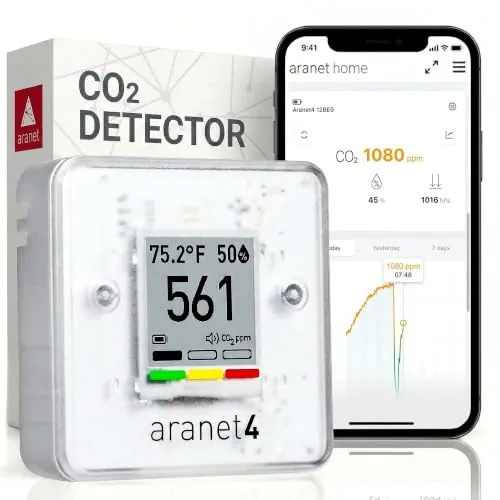
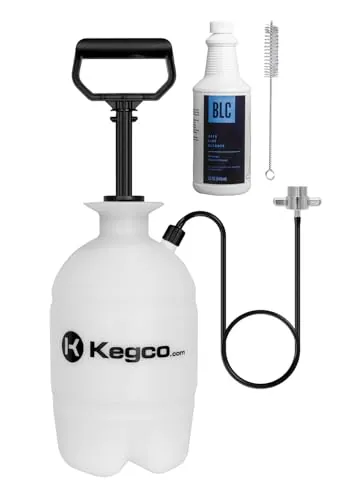
Keg carbonation chart and PSI calculatorDial in your temperature and CO2 volumes for the regulator setting.Keep the cylinder upright and secured, always use a regulator, and never exceed a keg's or fermenter's rated pressure. In a small room or basement, a CO2 monitor gives early warning of a leak. Clean beer lines regularly with a hand-pump kit and a line cleaner used per its label.
Best for CO2 awareness in a garage or basement
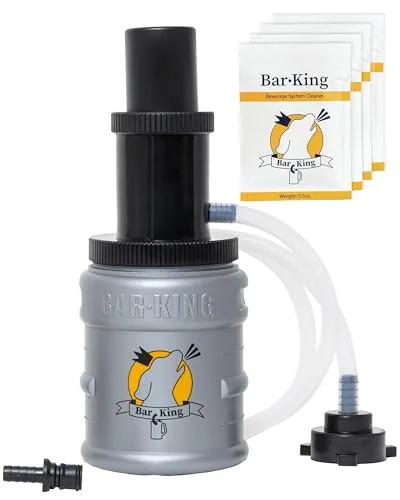
Best for Routine kegerator line cleaning
Best for Line cleaning
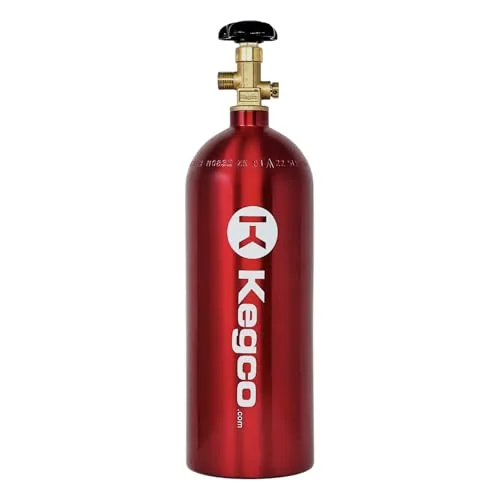
Best for Kegerator CO2 supply
Keep a few bottles for sharing? A counter-pressure filler or beer gun lets you bottle from the keg.
Related reading: best kegerators for homebrew, best homebrew keg systems and best CO2 regulators for kegging.
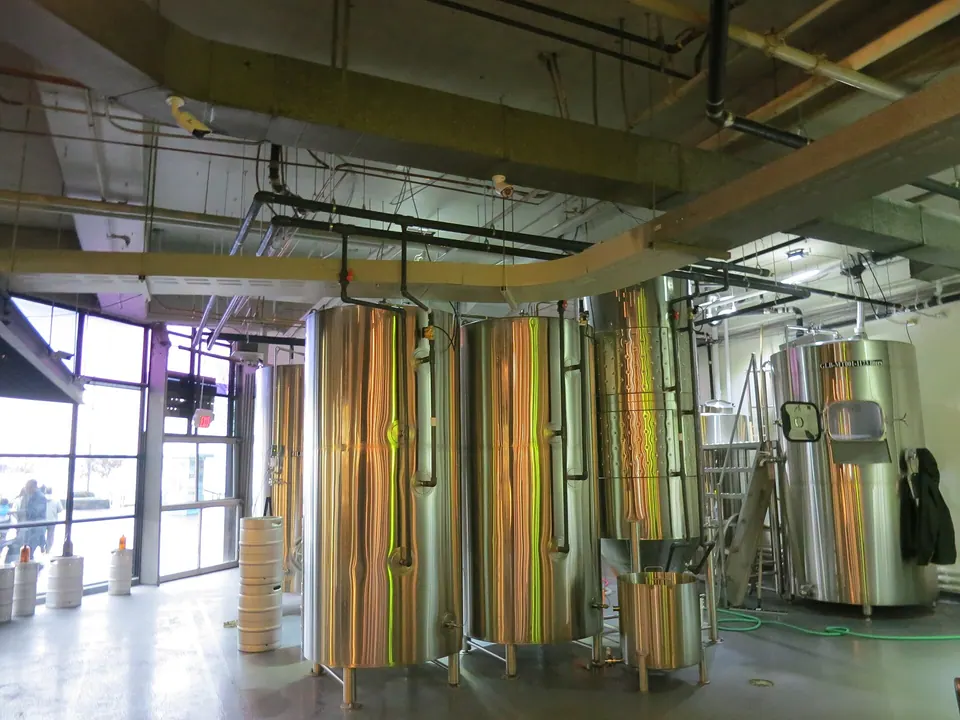 Best of
The best pressure fermenter for homebrew: FermZilla, Kegmenter, VEVOR and corny kegs compared by listed pressure…
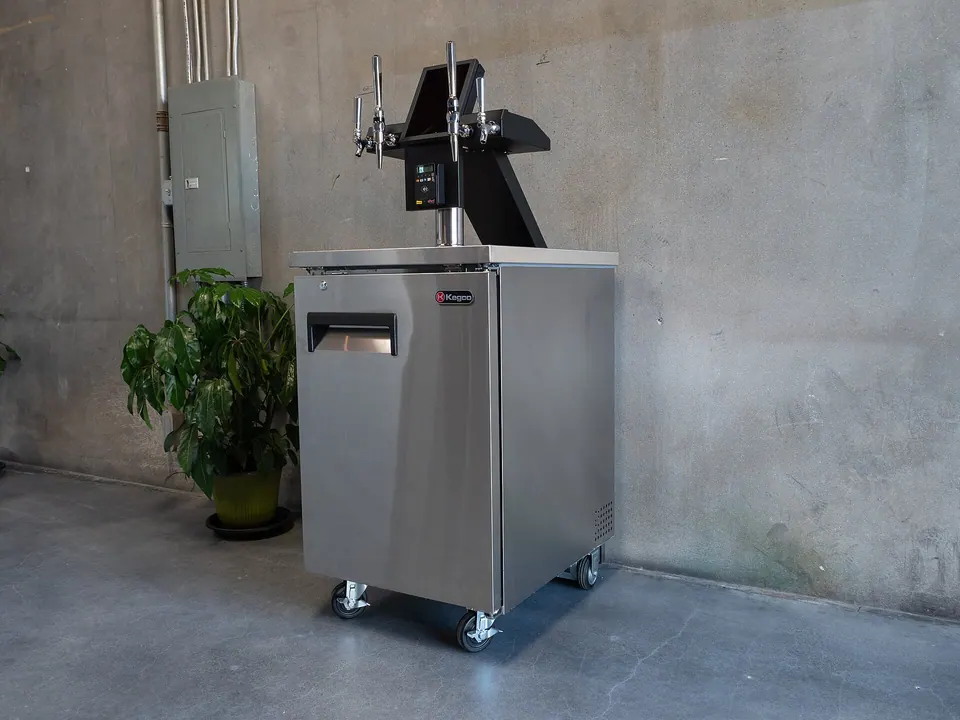 Best of
The best kegerator for homebrew: Kegco, EdgeStar and VEVOR compared by taps, corny keg fit, couplers and temperature…
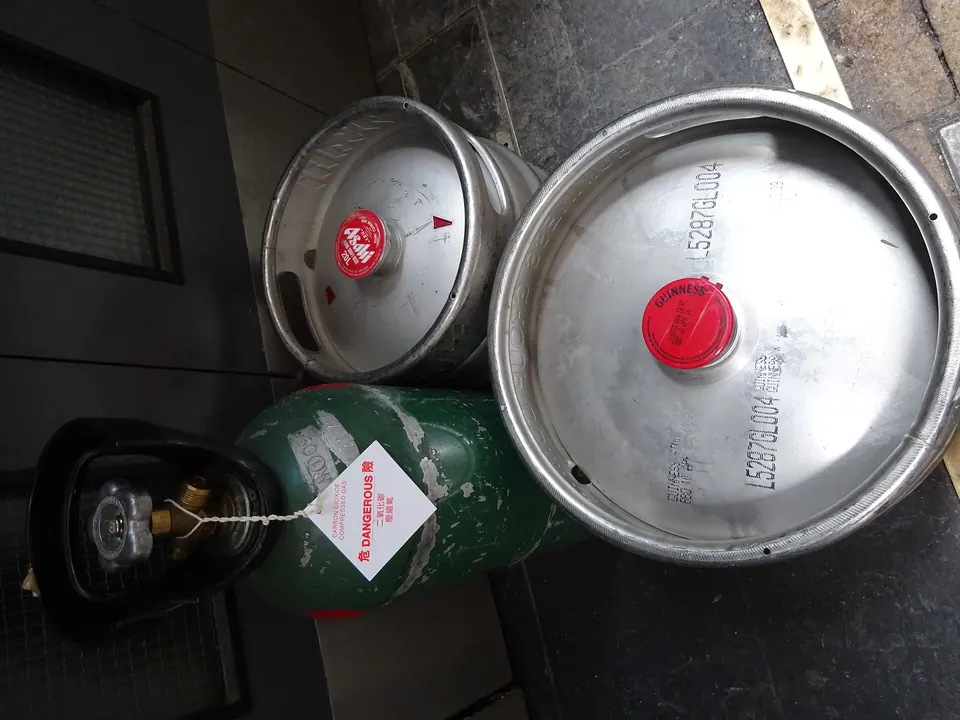 Best of
The best homebrew keg system for switching from bottles: starter kits, corny kegs, mini kegs, regulators and CO2 tanks…
 Best of
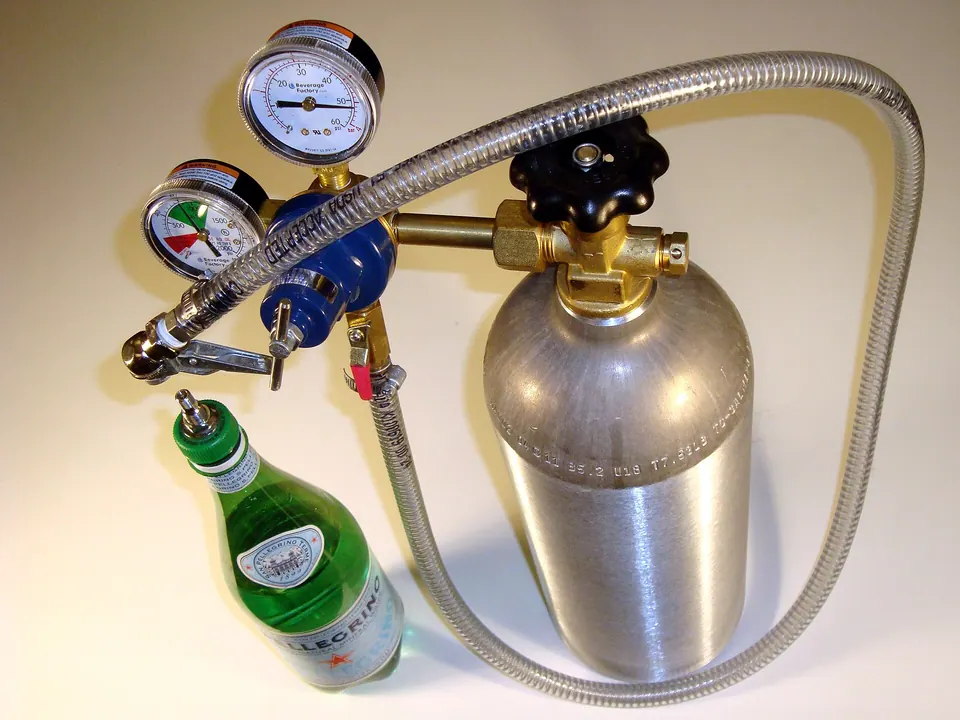
The best CO2 regulator for kegging: Taprite, Kegco, KOMOS, VEVOR and more compared by working range, relief point,…
 Best of
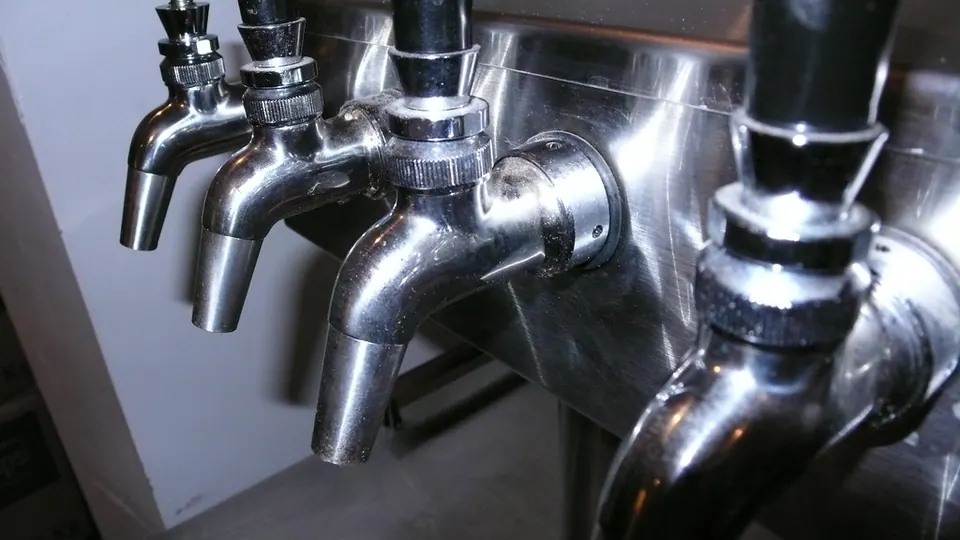
The best beer faucet for a kegerator or keezer: Perlick, Intertap, Nukatap and more compared by forward sealing, flow…
 Best of
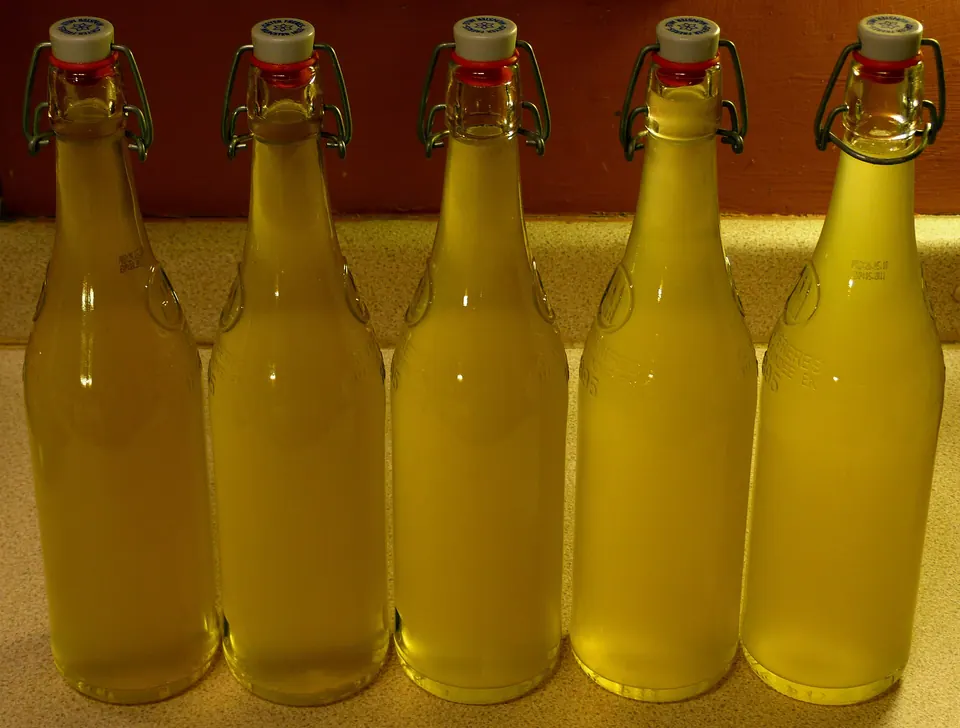
The best beer gun or counter-pressure bottle filler for bottling from a keg: Tapcooler, Nukatap, Eagle, Medusa and…