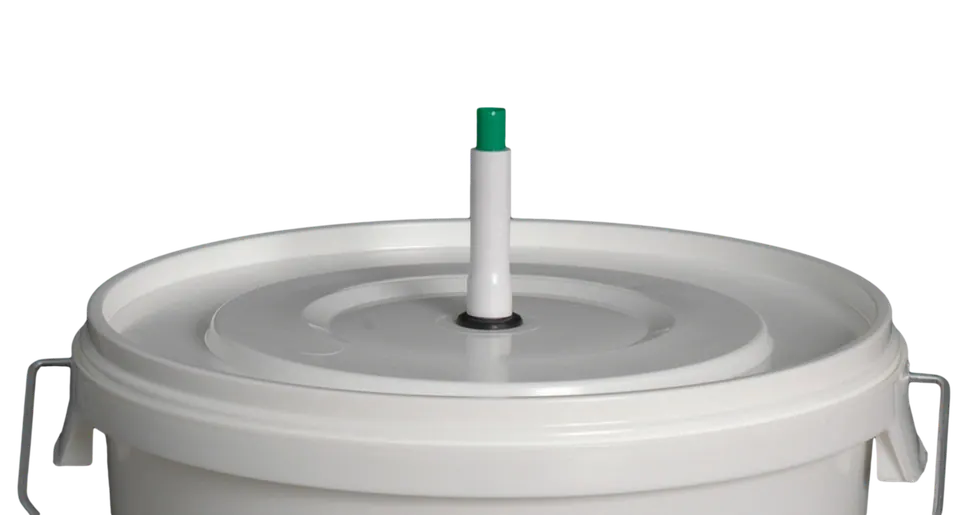
- Cleaning removes visible and invisible residue. Sanitizing kills most of the microbes left on a clean surface. You need both, in that order.
- PBW, OneStep, B-Brite and oxygen washes are cleaners. Star San, Saniclean and iodophor are sanitizers.
- Star San is an EPA-registered no-rinse sanitizer at label dilution (EPA Reg. No. 65001-1). Use every chemical only as its label directs.
- Clean right after use, sanitize right before use, and only sanitize what touches cooled wort or beer.
- Wear eye protection with acids and powders, and keep brewing chemicals away from children and food prep.
Cleaning vs sanitizing is the first lesson in every brewing textbook for a reason: most spoiled homebrew comes from a dirty surface, not a bad recipe. The two words describe different jobs that need different products. Cleaning lifts off soil, protein, hop resin and yeast. Sanitizing reduces the bacteria and wild yeast that remain to a level that can’t compete with your yeast.
Neither one sterilizes. As BYO puts it, only autoclaving fully sterilizes; brewers aim for “sanitary,” which is enough because healthy yeast quickly takes over. This guide sorts common products by job and gives a routine you can repeat every brew day. All dilutions and contact times come from each product’s label, which you should read before use.
Cleaning vs sanitizing: what is the difference?
Two jobs, two kinds of product
| Cleaning | Sanitizing | |
|---|---|---|
| Goal | Remove soil, film, protein and yeast | Reduce microbes on an already clean surface |
| When | Right after use (and before storage) | Right before contact with cooled wort or beer |
| Typical products | PBW, OneStep, B-Brite, oxygen or alkaline brewery washes, unscented dish soap | Star San, Saniclean, iodophor (BTF) |
| Mechanical help | ✓ Soak, scrub with a soft brush, recirculate | ✗ Just wet all surfaces for the label contact time |
| Rinse afterward | ✓ Usually, per label | ~ Star San and iodophor are no-rinse at label dilution |
| Works on dirty gear | ✓ That is the point | ✗ Residue shields microbes |
Source: BYO: Proper cleaning and sanitation; Palmer, How to Brew
A useful rule: anything that touches the wort before or during the boil only needs to be clean, because the boil sanitizes it. That is why an immersion chiller usually goes into the kettle for the last 10–15 minutes of the boil. Anything that touches the wort after it cools must be clean and sanitized.
Cleaners: which one for which job
Brewery cleaners come in a few families. BYO describes peroxide-based cleaners such as PBW and Craft Meister Oxygen Brewery Wash, used in hot water at the maker’s dilution, often as a half-hour soak; and caustic or alkaline cleaners such as BLC and Craft Meister Alkaline Brewery Wash, which work in cold water and suit draft lines.
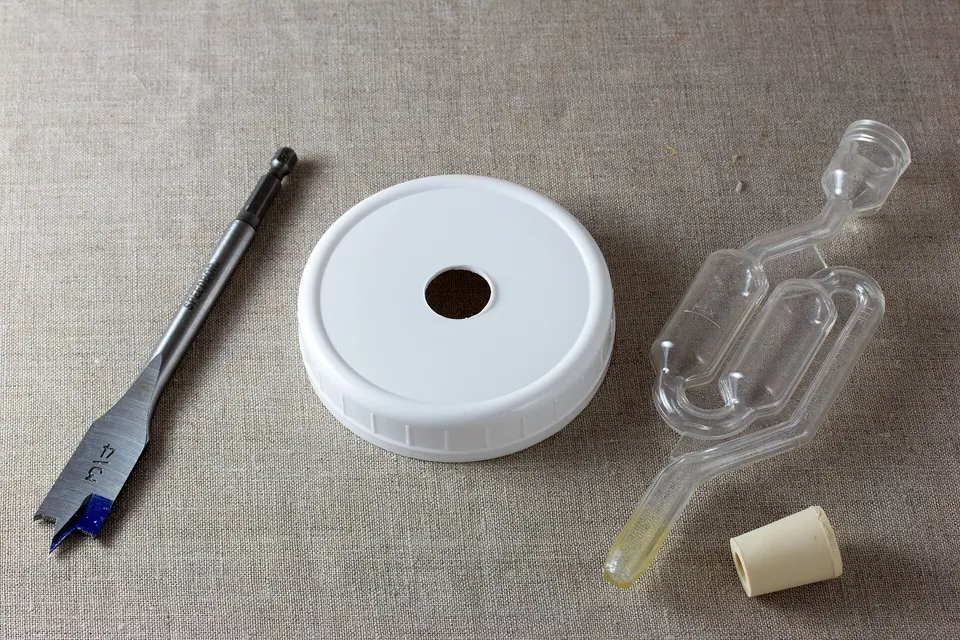
| Product | Use | Type | Size | EPA reg. |
|---|---|---|---|---|
| Five Star PBW Alkaline Cleaner, 1 lb | Cleaner (not a sanitizer) | Non-caustic alkaline powder | 1 lb | — |
| Logic OneStep No-Rinse Cleanser, 2.5 oz | No-rinse cleanser; 2-minute contact time | Oxygen-based powder | 2.5 oz | — |
| BSG HandCraft B-Brite Cleanser, 8 oz | Cleaner; 1 tbsp per gallon; rinse required | Powdered cleanser | 8 oz | — |
| Craft Meister Oxygen Brewery Wash, 16 oz | Cleaner; rinses clean | Oxygen-based powder | 16 oz | — |
| Craft Meister Alkaline Brewery Wash, 16 oz | Cleaner | Alkaline powder | 16 oz | — |
| National Chemicals BLC Beverage Line Cleaner, 2 x 32 oz | Beer-line cleaner | Liquid line cleaner | 2 x 32 oz | — |
Specs as listed by the maker or seller; check the listing before you buy.
OneStep is marketed as a no-rinse cleanser. It is not registered as a sanitizer in the sources we checked, so treat it as a cleaner and follow it with a sanitizer for anything that touches cooled wort.
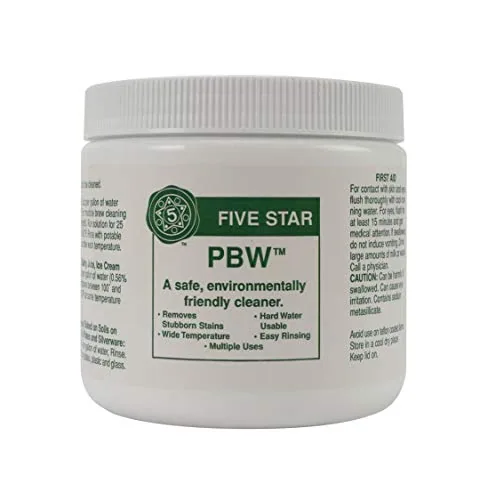
Five Star PBW Alkaline Cleaner, 1 lb
- Type
- Non-caustic alkaline powder
- Use
- Cleaner (not a sanitizer)
- Size
- 1 lb
Best for Soaking dirty fermenters and kettles
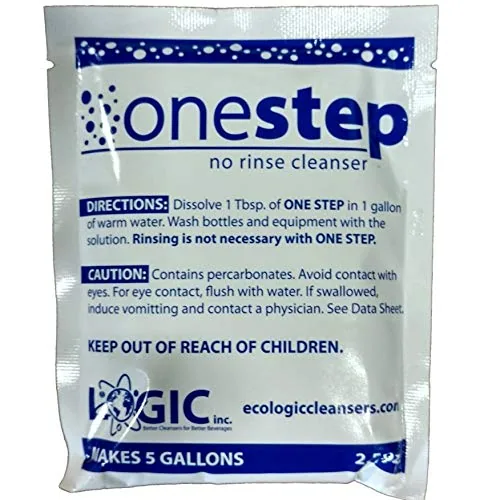
Logic OneStep No-Rinse Cleanser, 2.5 oz
- Type
- Oxygen-based powder
- Use
- No-rinse cleanser; 2-minute contact time
- Size
- 2.5 oz
Best for A first small batch
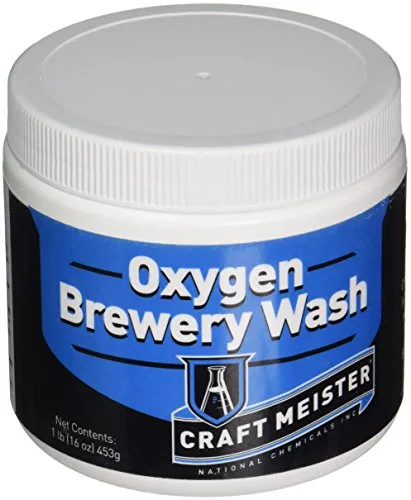
Craft Meister Oxygen Brewery Wash, 16 oz
- Type
- Oxygen-based powder
- Use
- Cleaner; rinses clean
- Size
- 16 oz
Best for General brewery cleaning
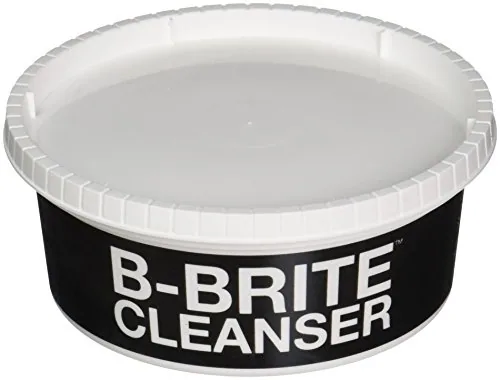
BSG HandCraft B-Brite Cleanser, 8 oz
- Type
- Powdered cleanser
- Use
- Cleaner; 1 tbsp per gallon; rinse required
- Size
- 8 oz
Best for Scrubbing krausen rings and labels
Cleaning tools that won’t scratch
Use soft brushes and cloths on plastic. Scratches in buckets and PET hold bacteria where no sanitizer can reach. A carboy brush and a jet washer handle narrow necks.
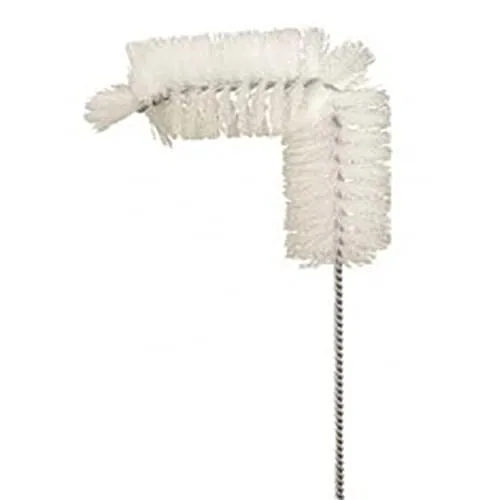
Eagle Brewing CE40 Bent Carboy Brush
- Type
- Bent brush, stainless handle
Best for Glass carboy cleaning
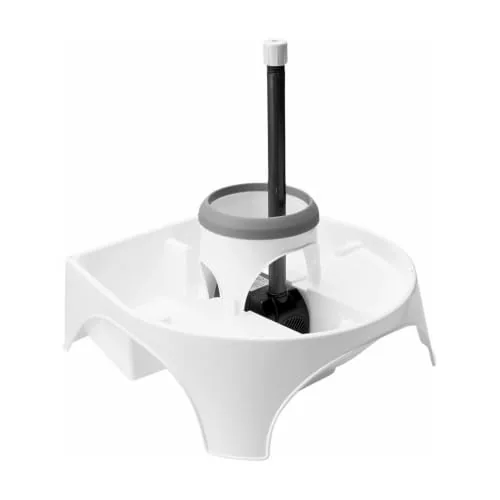
Mark II Keg and Carboy Washer
- Type
- Pump washer
- Use
- Cleaning and sanitizing kegs, carboys, kettles
Best for Cleaning kegs and carboys
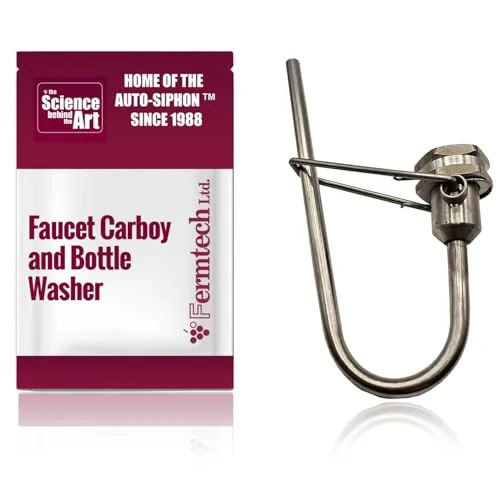
Fermtech Faucet Jet Bottle & Carboy Washer
- Type
- Faucet-mounted jet washer
- Use
- Rinsing bottles and carboys
Best for Rinsing a case of bottles fast

SPARTA Tank & Kettle Scrub Brush
- Type
- Flared scrub brush head
- Size
- 5.25 x 7.5 in
Best for Scrubbing large kettles
Sanitizers: label use only
The sanitizers homebrewers use are acid-anionic blends (Star San, Saniclean) and iodine-based products (iodophor). Each is registered for food-contact sanitizing at a specific dilution and contact time printed on the label. Use that dilution; stronger is not better, and weaker may not sanitize.
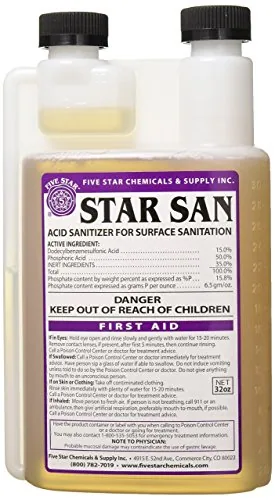
Five Star Star San Acid Sanitizer, 32 oz
- Type
- Acid sanitizer, high-foaming
- Use
- Sanitizer; no-rinse at label dilution
- Size
- 32 fl oz
Best for Sanitizing everything that touches cooled wort
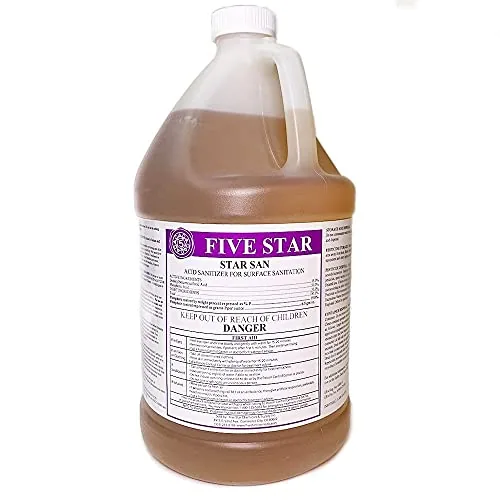
Five Star Star San Acid Sanitizer, 1 gal
- Type
- Acid sanitizer, high-foaming
- Use
- Sanitizer; no-rinse at recommended dilution
- Size
- 128 fl oz
Best for Frequent brewers and kegging setups
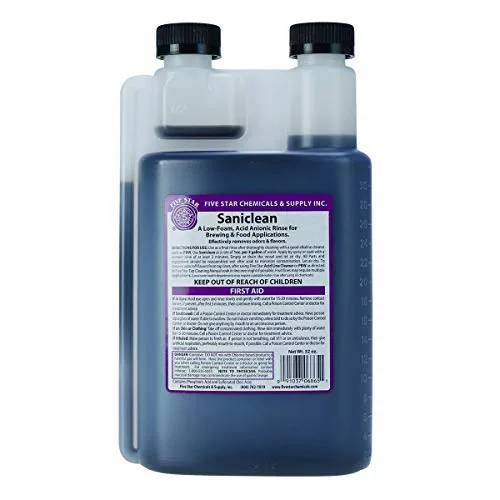
Five Star Saniclean, 32 oz
- Type
- Acid-based, non-foaming
- Use
- Acid final rinse; 2 oz per 5 gal water
- Size
- 32 fl oz
Best for Recirculating systems where foam is a problem
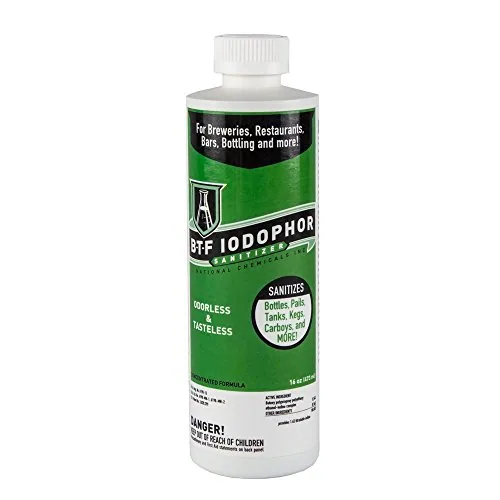
National Chemicals BTF Iodophor Sanitizer, 16 oz
- Type
- Iodophor
- Use
- Sanitizer; no-rinse, low-foam per label
- Size
- 16 fl oz
Best for Brewers who want a low-foam sanitizer
Star San foams. The foam is the same solution, and at label dilution the maker’s directions say no rinse is needed, so don’t fear the bubbles. Mix it with distilled or soft water if your tap water is hard; a cloudy solution has lost strength and should be replaced.
A brew-day cleaning and sanitizing routine
- Clean after the last brew
Rinse fermenters and bottles immediately after use. Soak in cleaner at label dilution, scrub gently, rinse, let dry and store covered.
- Mix sanitizer before you start
Fill a bucket with sanitizer at the label dilution and a spray bottle for small parts. Note the time so you can respect the contact time.
- Sanitize only the cold side
Fermenter, lid, airlock, stopper, auto-siphon, tubing, thermometer, hydrometer and test jar, spoon used after the boil, and the scissors for the yeast packet.
- Wet every surface
Swirl or spray so the whole inside surface stays wet for the label time. Drain; with no-rinse sanitizers, don’t rinse with tap water.
- Keep sanitized parts in the bucket
Small parts can wait in the solution until you need them. Sanitized hands and a spray bottle handle the rest.
- Clean again before you go to bed
Clean the kettle and chiller right away; dried wort and hop residue are much harder to remove the next day.
How clean is clean enough?
Clean means no film, no smell and no residue you can feel. A few quick checks catch most problems before they reach the beer.
- Look with a flashlight. Shine it into buckets, carboys and keg necks. Brown rings of dried krausen or hop residue mean another soak.
- Smell it. A clean fermenter smells of nothing. A sour, vinegar or solvent smell means residue or a past infection lingering in scratches or gaskets.
- Feel it. Run a clean finger over plastic surfaces. Slick or tacky film is protein or biofilm; soak again in an oxygen cleaner.
- Check the small parts. Spigots, valves, airlocks and siphon tips hide residue. Take spigots apart and soak them every batch.
- Replace what can’t be cleaned. Vinyl tubing that has turned cloudy or stained, deeply scratched buckets and hardened gaskets are cheap compared with a lost batch.
After a batch that tasted sour, medicinal or oddly buttery, treat everything that touched it as suspect: clean, sanitize and replace soft plastic parts before the next brew. Our off-flavors guide helps work out whether infection was the cause.
Bottles, kegs and lines
Rinse bottles right after pouring and they rarely need more than a soak. A bottle tree and a rinser make sanitizing 50 bottles quick. Kegs need full disassembly now and then, with O-rings checked or replaced. Draft lines need regular cleaning with a line cleaner; dirty lines can harbor bacteria that cause buttery diacetyl and sour flavors, according to BYO.
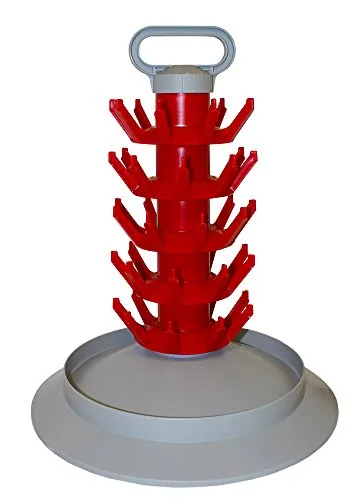
LD Carlson Econo 45 Bottle Drying Tree
- Type
- Bottle drying tree
- Count
- 45 bottles
Best for Drying bottles after sanitizing
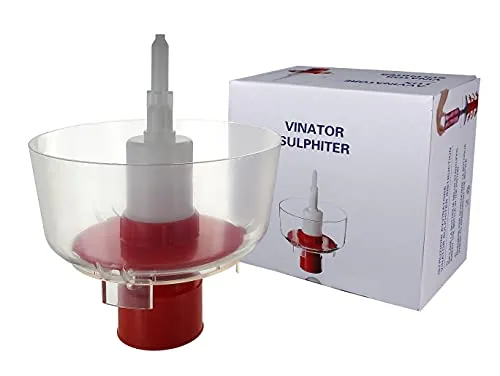
FastRack Bottle Rinser (Sulphiter)
- Type
- Bottle rinser / sanitizer pump
- Size
- 7.1 × 7.1 × 4.8 in. package
Best for Sanitizing bottles quickly
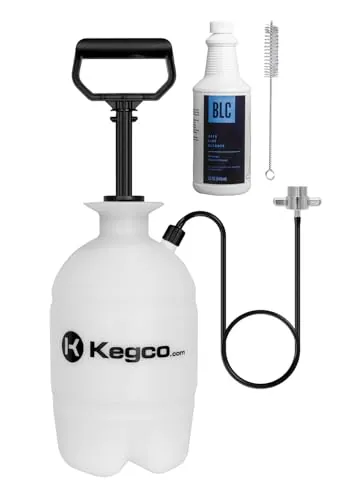
Kegco Deluxe Hand Pump Keg Line Cleaning Kit with 32 oz Cleaner
- Type
- Hand pump bottle + alkaline cleaner
- Use
- Cleaning beer lines and faucet
- Size
- 1/2 gal bottle, 32 oz cleaner
Best for Line cleaning
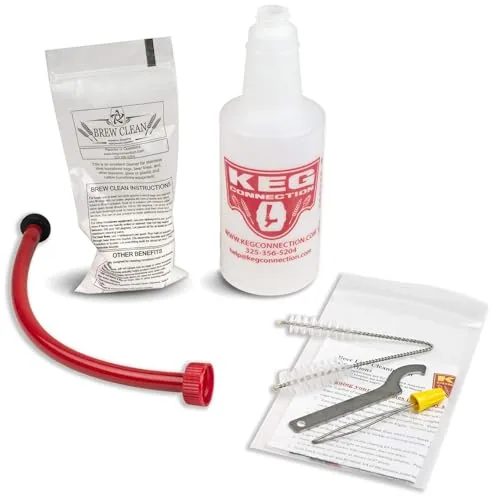
Kegconnection Kegerator Beer Line Cleaning Kit with BrewClean
- Type
- Bottle kit + powder cleaner
- Use
- Cleaning beer lines and faucets
- Size
- 8 oz BrewClean powder
Best for Routine kegerator line cleaning
More detail in how to bottle homebrew and how to keg homebrew.
Chemical safety
Brewing chemicals are concentrated acids, alkalis and oxidizers. The label is the legal set of directions for each one, including protective gear and first aid.
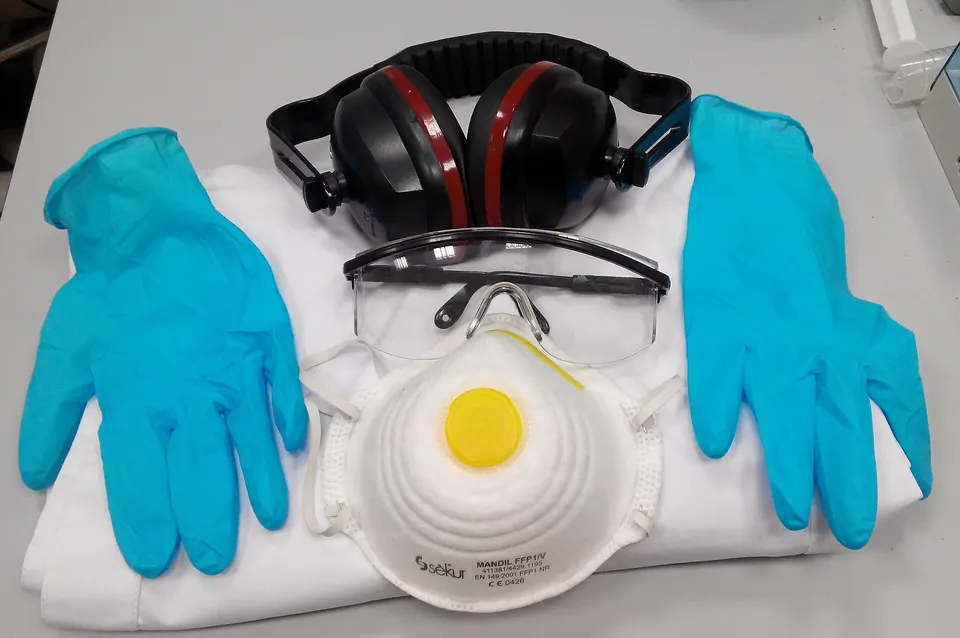
- Wear safety glasses when handling powders and concentrated acids; gloves for long soaks.
- Add chemicals to water, not water to chemicals.
- Never mix products (for example, bleach with acid sanitizer). Rinse cleaners out before sanitizing if the label says so.
- Store sealed, labeled and out of reach of children, away from food prep.
Mistakes to avoid
- Sanitizing without cleaning. Residue protects microbes.
- Using abrasive pads on plastic. Scratches can’t be sanitized reliably; replace scratched buckets.
- Over-concentrating sanitizer. It doesn’t work better and may leave flavors; follow the label.
- Rinsing no-rinse sanitizer with tap water. That reintroduces microbes.
- Scented soap. Fragrance carries into the beer. Use unscented products.
- Treating OneStep or PBW as a sanitizer. They are cleaners.
- Letting dirty gear sit. Dried krausen and hop residue take far more effort to remove.
Which products to keep on the shelf
- Minimal kit: one cleaner (PBW or OneStep) and one sanitizer (Star San or iodophor), plus a soft brush.
- Glass and narrow necks: add a bent carboy brush or a carboy washer.
- Kegging: add an alkaline line cleaner and a hand-pump line kit.
- Hard water: mix sanitizer with distilled water so it stays clear longer.
First batch coming up? Go through the full process in how to brew beer at home, and see the cleaning and sanitizing category for every product.
Gear picks for this guide: best brewing sanitizers and cleaners.