- Most beer off-flavors trace back to four causes: fermentation temperature, yeast health, oxygen after fermentation, and sanitation.
- Butter (diacetyl) and green apple (acetaldehyde) usually mean the yeast wasn’t given enough time, cells or oxygen.
- Cooked corn (DMS) points to a weak or covered boil and slow chilling; cardboard or sherry points to oxygen after fermentation.
- Medicinal, plastic flavors often come from chlorine or chloramine in the water; one Campden tablet treats about 20 gal.
- Keep a brew log. Matching the flavor to the step where it formed is how you fix it next time.
Beer off-flavors are flavors that don’t belong in the style. Some are only faults at high levels (a little fruitiness is fine in an English bitter), and some are always faults (band-aid phenols in a pale ale). The good news is that nearly every common off-flavor has a known cause, and most of them are fixable on the next batch.
This guide follows BYO’s judging guide to off-flavors and Palmer’s How to Brew, grouped by what you smell or taste. For each one you get the likely cause and the fix. Taste critically, write it down, and compare with your brew-day log to find the step that went wrong.
Common beer off-flavors at a glance
Off-flavor, likely cause, fix
| You notice | Compound or fault | Usual cause | Fix next batch |
|---|---|---|---|
| Butter, butterscotch, slick mouthfeel | Diacetyl | Underpitching, low oxygen, too little time on yeast; dirty draft lines | Healthy pitch, aerate, let it finish warm; diacetyl rest for lagers; clean lines |
| Green apple, fresh-cut pumpkin | Acetaldehyde | Incomplete fermentation, unhealthy yeast, racked off too early | Pitch enough healthy yeast, oxygenate, give it time |
| Cooked or creamed corn | DMS | Weak or covered boil, slow chilling, Pilsner-heavy grist | Vigorous uncovered boil (often 90 min for Pilsner malt), chill fast |
| Cardboard, paper, sherry, dull hops | Oxidation | Oxygen after fermentation: splashing, leaky seals, headspace | Transfer gently or closed, purge with CO2, oxygen-barrier caps |
| Band-aid, plastic, medicinal | Chlorophenols | Chlorine or chloramine in water or sanitizer residue | Campden tablets; rinse chlorine sanitizers |
| Clove, smoke, spice (when unwanted) | Phenols | Wheat, Belgian or wild yeast; contamination | Choose a clean strain; sanitation |
| Hot, solvent, headache-like alcohol | Fusel alcohols | Warm fermentation, underpitching, low oxygen | Ferment cooler, pitch and aerate properly |
| Dry, tea-bag, puckering | Astringency (tannins) | Grain steeped or sparged above 168°F (76°C), high sparge pH, over-sparging | Keep grain water ≤168°F, watch sparge pH |
| Sour, vinegar | Bacteria (Lactobacillus, Acetobacter) | Sanitation, oxygen in finished beer | Clean and sanitize, replace scratched plastic |
| Rotten egg, sulfur | Hydrogen sulfide | Some lager and stressed yeasts | Time and healthy yeast; usually fades |
Source: BYO: Judging off flavors; Palmer, How to Brew
Fermentation off-flavors
Yeast makes beer flavor, and stressed yeast makes the wrong flavors. Fermentation-related faults are the most common in homebrew and the easiest to prevent with three habits: pitch enough healthy yeast, give it oxygen at the start, and control temperature.
Diacetyl (butter)
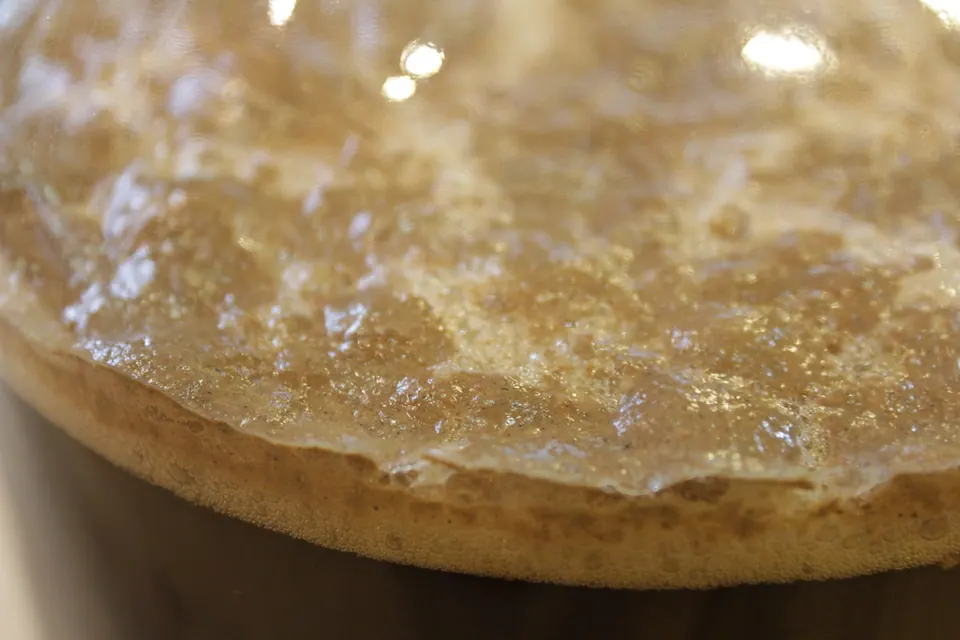
Diacetyl is a normal by-product that healthy yeast reabsorbs late in fermentation. It stays in the beer when the yeast is rushed off (cold crashed, racked or packaged too early), underpitched or short of oxygen. BYO also lists Pediococcus in dirty keg lines as a cause, which shows up as butter that appears weeks after kegging. Fix: let the beer finish and rest a few days warm at the end; for lagers, a diacetyl rest at about 60–65°F (16–18°C).
Acetaldehyde (green apple)
Acetaldehyde is an intermediate on the way to alcohol. It lingers when fermentation is cut short or the yeast is unhealthy. More time on the yeast usually cleans it up.
Fusel alcohols and excess esters
Warm fermentation is the main driver. Ale yeast that runs into the mid-70s °F during the first days makes hot, solvent-like fusels and heavy fruit. Remember the beer runs warmer than the room. BYO’s fix: ferment within the yeast’s range, pitch and aerate properly. See the fermentation temperature guide.
Sulfur
Many lager strains and some ales give off sulfur early. It usually fades with time and gentle conditioning; it rarely needs any other fix.
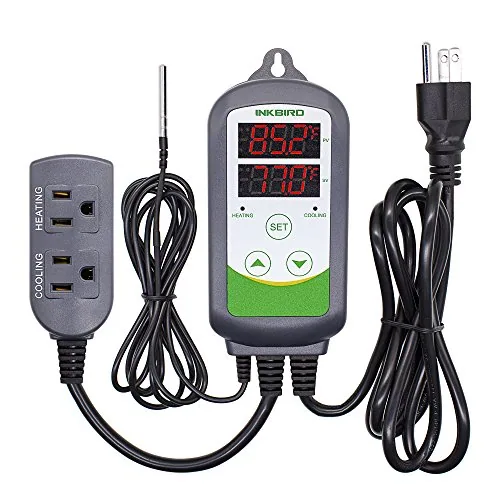
Inkbird ITC-308 Dual-Stage Temperature Controller, 110V
- Outputs
- 2 outlets: heating and cooling
- Range
- °C/°F display, high/low alarms
- Power
- 110V, 10A, 1100 W max (listing)
Best for Fridge or heat-wrap fermentation control
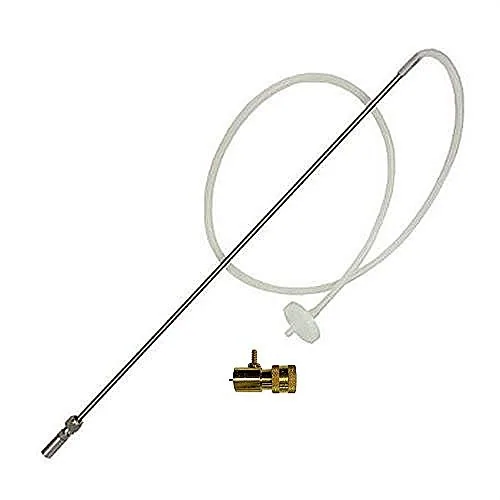
NY Brew Supply Oxygenation Kit with Stainless Wand
- Material
- Stainless wand, removable stone
- Type
- Oxygenation kit
Best for Oxygenating wort before pitching
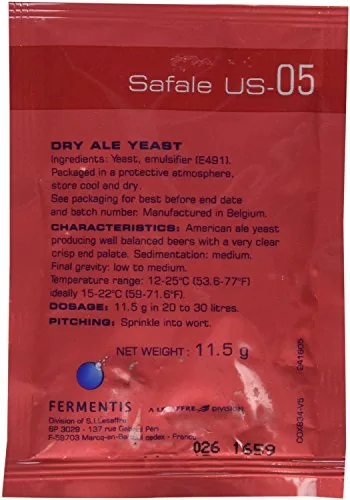
Fermentis SafAle US-05 Dry Ale Yeast, 11.5 g
- Type
- Dry ale yeast, American
- Dose
- 50–80 g/hL (11.5 g ≈ 3.8–6 gal)
- Temp
- 59–75°F (15–24°C)
Best for American pale ales and IPAs
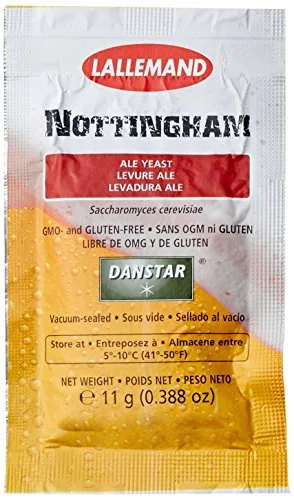
Lallemand LalBrew Nottingham Ale Yeast, 11 g
- Type
- Dry ale yeast, English
- Dose
- 50–100 g/hL
- Temp
- 59–68°F (listing); 10–25°C on TDS
Best for Clean ales and a reliable backup yeast
Hot-side off-flavors: boil, grain and water
DMS (cooked corn)
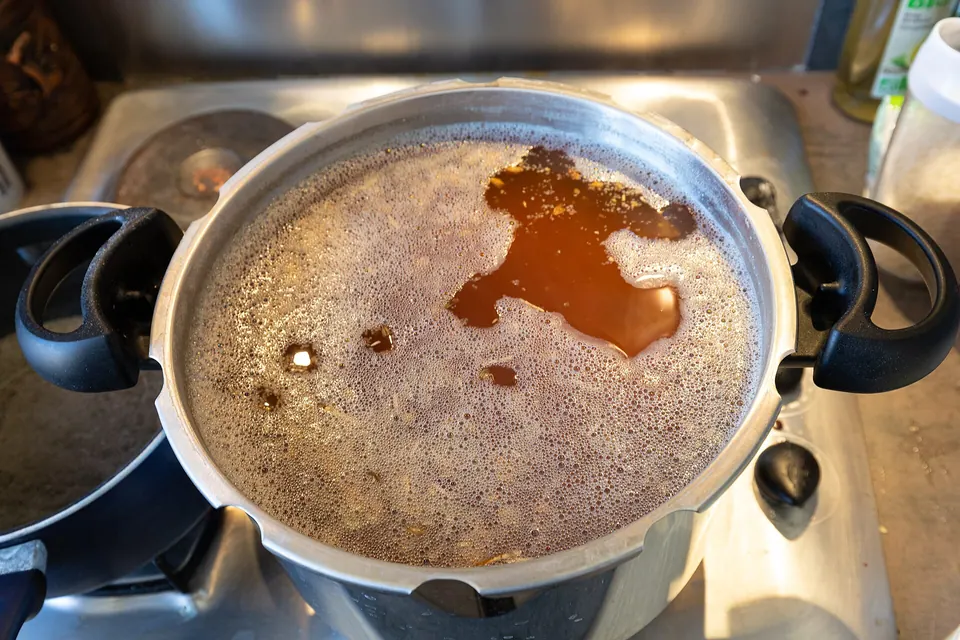
DMS forms from a malt precursor during heating and is driven off by a vigorous, uncovered boil. If the wort sits hot without boiling, or chills slowly, more DMS forms and stays. Pale Pilsner malt has the most precursor. BYO recommends a vigorous 90-minute boil in an uncovered pot, rapid chilling and an active fermentation.
Astringency
Tannins from grain husks taste like over-steeped tea. They are extracted when grain sits in water above about 168°F (76°C), when the sparge pH rises above about 6.0, or when you over-sparge or steep too long. Keep steeping and sparge water at or below 168°F.
Chlorophenols (band-aid, medicinal)
Chlorine and chloramine in tap water combine with phenols from malt and yeast to form chlorophenols, which taste medicinal at tiny levels. Boiling removes chlorine but not chloramine. One crushed Campden tablet treats about 20 gal of water, per BYO; most US water utilities publish whether they use chloramine.
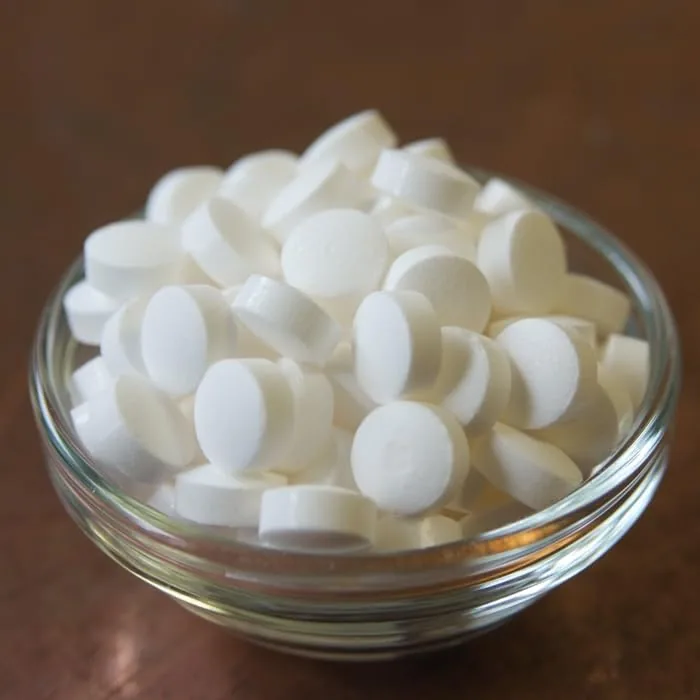
LD Carlson Potassium Campden Tablets, 1 lb
- Use
- Sulfite addition for wine and cider
- Type
- Potassium metabisulfite tablets
- Size
- 1 lb
Best for Winemakers and chloramine treatment
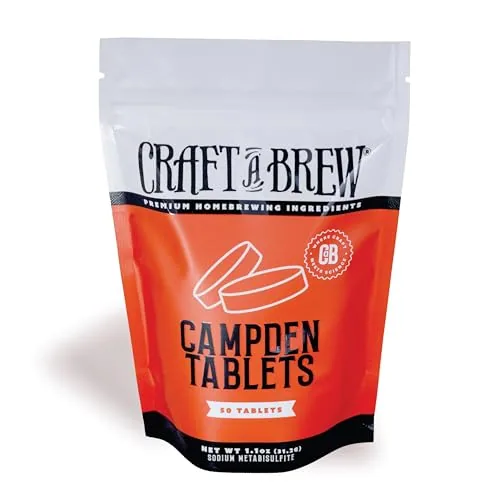
Craft A Brew Campden Tablets (Sodium Metabisulfite), 50 ct
- Use
- Sulfite addition for wine, fruit wine and cider
- Type
- Sodium metabisulfite tablets
- Size
- 50 tablets
Best for 1-gallon wine and cider batches
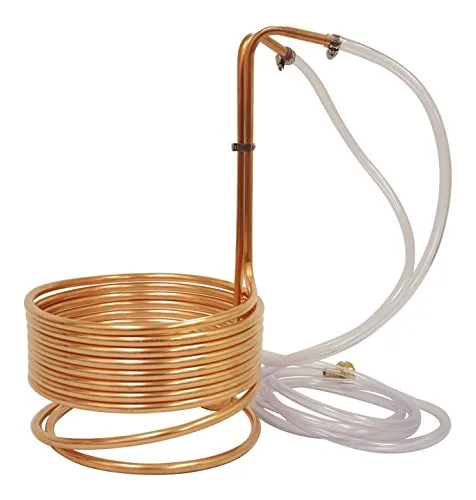
NY Brew Supply Copper Immersion Wort Chiller, 3/8 in. x 25 ft
- Volume
- 3/8 in. × 25 ft, 9 1/4 in. coil, 16 in. tall
- Material
- Copper
- Type
- Immersion chiller
Best for First chiller for 5-gallon batches
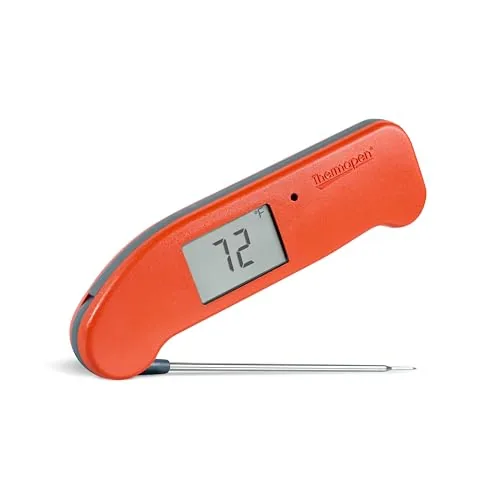
ThermoWorks Thermapen ONE Instant-Read Thermometer
- Accuracy
- Not listed on this listing
- Battery
- Not listed
Best for Checking mash and strike temperatures
Water details in brewing water chemistry and mash pH.
Cold-side off-flavors: oxygen and staling
Oxygen is good for yeast before fermentation and bad for beer after it. BYO describes oxidized flavors as cardboard or paper in pale beers and sherry or wine-like in dark ones, caused by splashing, excess stirring and poor bottling or kegging. Hoppy beers lose aroma and can darken within weeks.
- Rack gently with the tube under the surface, or transfer closed under CO2.
- Don’t open the fermenter to check on it; use a hydrometer sample only when needed.
- Avoid secondary fermenters unless the recipe needs them.
- Purge kegs with CO2 and use oxygen-absorbing caps for bottles.
- Store finished beer cold and dark; heat speeds staling.
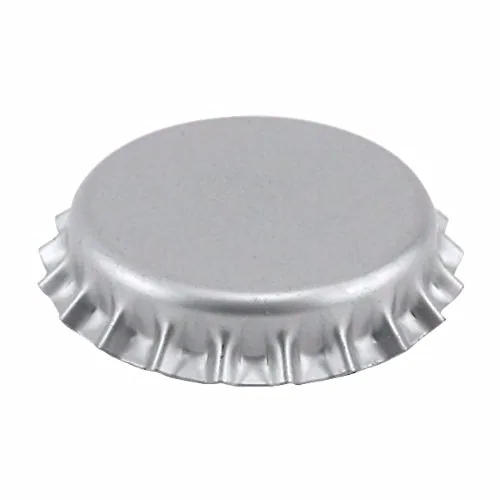
FastRack Oxygen Absorbing Crown Caps, 26 mm, 144 Ct
- Type
- Oxygen-absorbing pry-off caps
- Count
- 144
- Cap size
- 26 mm
Best for Standard bottling
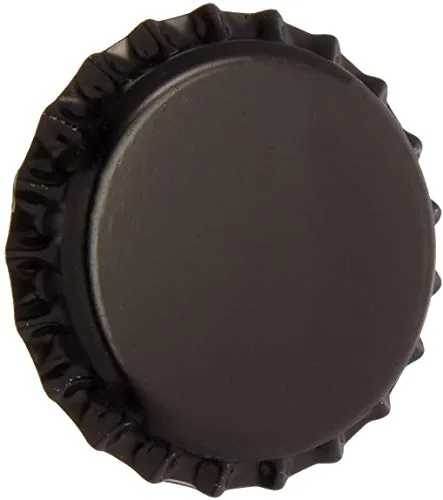
North Mountain Supply Oxygen Barrier Crown Caps, Black, 500 Ct
- Type
- Oxygen-scavenger pry-off caps
- Count
- 500
- Cap size
- 26 mm
Best for Bulk bottling
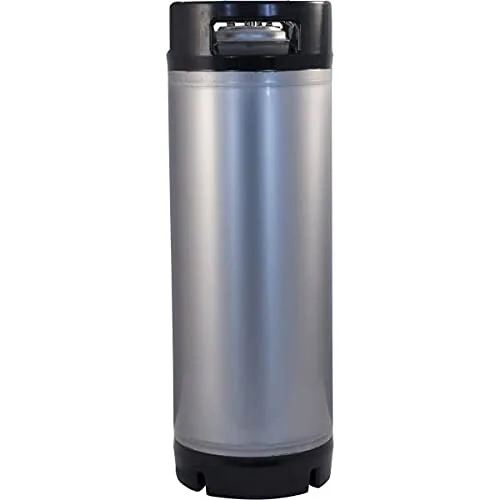
KegLand New Cornelius Keg, 5 Gal, Ball Lock
- Kegs
- 5 gal (19 L), ball lock
- Pressure
- 130 PSI operating
- Material
- 304 stainless
Best for First homebrew keg
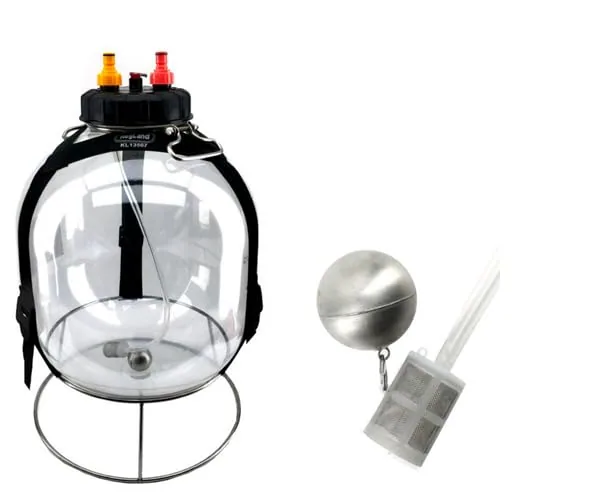
KegLand FermZilla All Rounder 30L Pressure Brewing Kit
- Volume
- 30 L (7.9 gal)
- Material
- PET
- Pressure
- 2.5 bar (36.2 psi)
Best for Pressure fermenting and closed transfers
Light-struck (skunky)
Hop compounds react with light, especially UV, to make the skunky aroma known from green and clear bottles. Ferment in the dark and bottle in brown glass.
Infection: sour, vinegar, gushers
Not every off-flavor is an infection, but these are strong signs: a sour or vinegar taste in a beer that shouldn’t be sour, a film (pellicle) on the surface, ropy or slimy texture, or bottles that gush when opened weeks later. Wild yeast can keep fermenting sugars that brewing yeast leaves behind, which is how infected batches become bottle bombs.
- Clean and sanitize every cold-side item; replace scratched plastic, old tubing and worn gaskets.
- Take spigots and valves apart to clean.
- Clean keg lines between kegs.
- Refrigerate suspect bottles and open them carefully with eye protection.
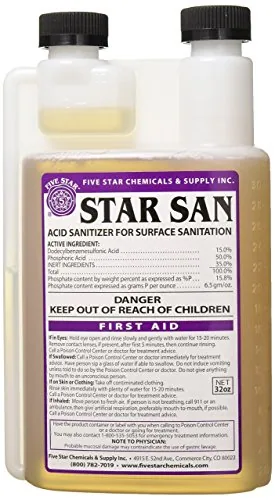
Five Star Star San Acid Sanitizer, 32 oz
- Type
- Acid sanitizer, high-foaming
- Use
- Sanitizer; no-rinse at label dilution
- Size
- 32 fl oz
Best for Sanitizing everything that touches cooled wort
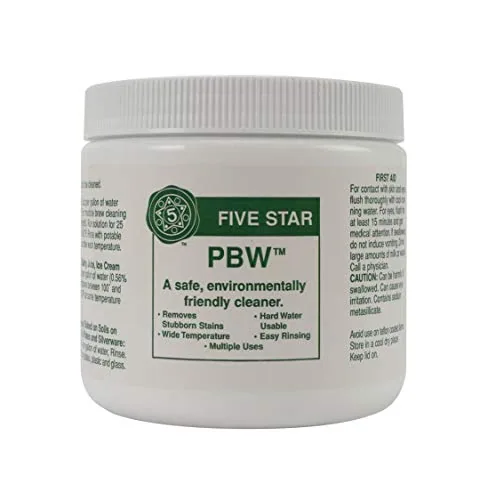
Five Star PBW Alkaline Cleaner, 1 lb
- Type
- Non-caustic alkaline powder
- Use
- Cleaner (not a sanitizer)
- Size
- 1 lb
Best for Soaking dirty fermenters and kettles
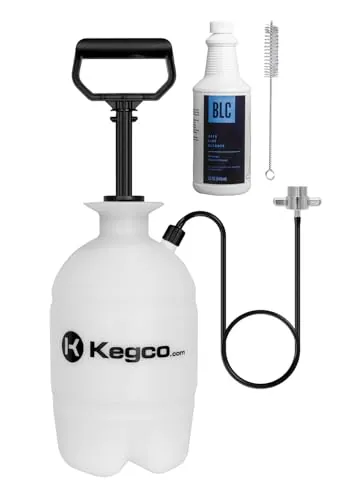
Kegco Deluxe Hand Pump Keg Line Cleaning Kit with 32 oz Cleaner
- Type
- Hand pump bottle + alkaline cleaner
- Use
- Cleaning beer lines and faucet
- Size
- 1/2 gal bottle, 32 oz cleaner
Best for Line cleaning
The full routine is in cleaning vs sanitizing.
How to diagnose an off-flavor
- Name it precisely
Smell before you sip. Is it butter or butterscotch? Green apple or cider? Cardboard or sherry? Use the table above to translate.
- Check when it appeared
Present right after fermentation points to the brew day or fermentation. Appearing weeks later points to oxygen, light or infection.
- Compare with your log
Look at peak fermentation temperature, pitch amount, oxygenation, boil length and transfer method.
- Change one variable
Fix the most likely cause on the next batch and keep everything else the same.
- Get a second opinion
Homebrew clubs and competition score sheets (BJCP-trained judges) are excellent at naming off-flavors.
Mistakes that cause off-flavors
- Fermenting warm in summer without control. The top cause of fusels and heavy esters.
- Packaging on a schedule. Diacetyl and acetaldehyde need time to clean up.
- Covering the boil. DMS stays in the kettle.
- Squeezing grain at high temperature or over-sparging. Astringency.
- Using untreated chloraminated water. Medicinal phenols.
- Splashing finished beer. Cardboard within weeks.
- Ignoring draft lines. Dirty lines spoil good beer at the tap.
Which fix to buy first
- Fruity, hot or solvent beers: a temperature controller and a fridge or chamber, or kveik for summer.
- Medicinal flavors: Campden tablets.
- Stale, cardboard beers: kegging with CO2 purging, or oxygen-barrier caps and gentle transfers.
- Butter or green apple: enough yeast (check the pitch calculator) and an oxygenation kit for bigger beers.
- Sour or gushing: new soft plastic parts, a sanitizer and a cleaner.
For more on oxygen at the start of fermentation, see wort aeration and oxygenation.
Gear picks for this guide: best fermentation temperature controllers and best brewing sanitizers and cleaners.