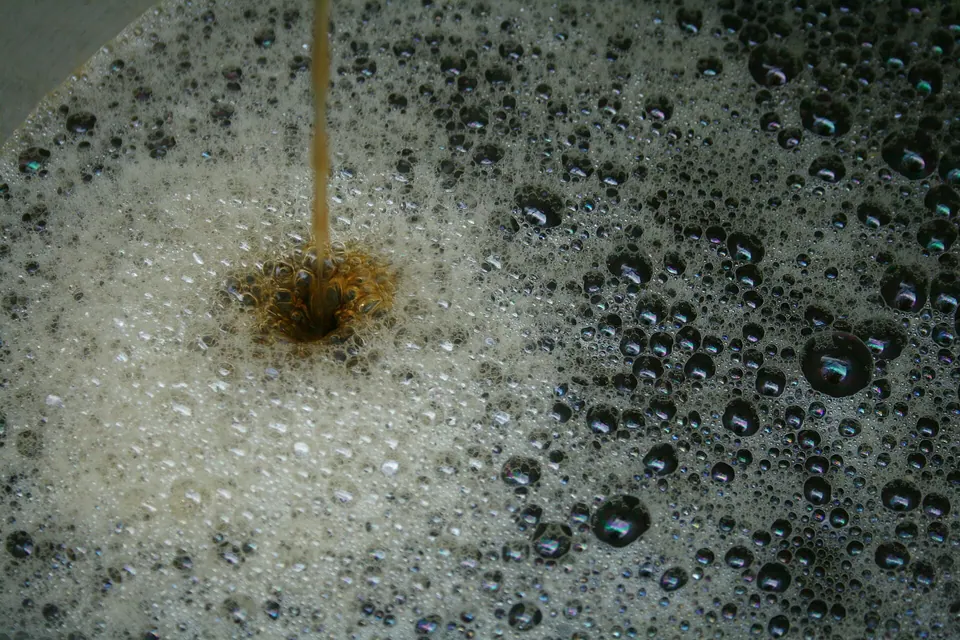
- Yeast needs dissolved oxygen at the start of fermentation to build healthy cells. After fermentation starts, oxygen becomes the enemy.
- BYO’s general target for average beers is about 8–10 ppm dissolved oxygen; high-gravity beers (above about 1.065) need more.
- Shaking or an air pump with a stone tops out around 8 ppm; pure oxygen through a stone reaches about 12 ppm in 30–60 seconds, per BYO.
- Aerate only after the wort is below about 80°F (27°C), and never add oxygen late in or after fermentation.
- Dry yeast at normal gravity needs less help than liquid or harvested yeast, but a good shake never hurts.
Wort aeration is the one time in brewing when you want oxygen in your beer. Before fermentation, yeast uses dissolved oxygen to make sterols and unsaturated fatty acids for strong cell membranes, which lets it multiply and then ferment cleanly to the end. Too little oxygen and you get slow starts, stuck fermentations and off-flavors such as diacetyl and acetaldehyde.
Boiling drives oxygen out of wort, so you have to put some back after chilling. This guide covers how much, the main methods and how to do each one, using BYO’s oxygenation article and the AHA pitch-rate guidance.
How much oxygen does wort need?
BYO’s guidance is about 8–10 ppm (mg/L) of dissolved oxygen at the start of fermentation for average-strength beer. Stronger worts need more, and they also hold less oxygen at saturation, which is why big beers and lagers are the main case for pure oxygen.
Typical dissolved oxygen by aeration method
Approximate ppm reported by BYO for 5 gal batches
Air is about 21% oxygen, so any method that mixes air into wort tops out near air saturation. Pure oxygen isn’t limited that way, which is why it reaches higher levels faster.
Why yeast needs oxygen only at the start
Yeast uses oxygen for one job in brewing: building sterols and unsaturated fatty acids, the materials of its cell membranes. A fresh membrane is what lets each new generation of cells take in sugar and survive rising alcohol. Once the yeast has built those reserves and the population has grown, fermentation runs without oxygen, and the yeast quickly consumes whatever dissolved oxygen is left in the wort.
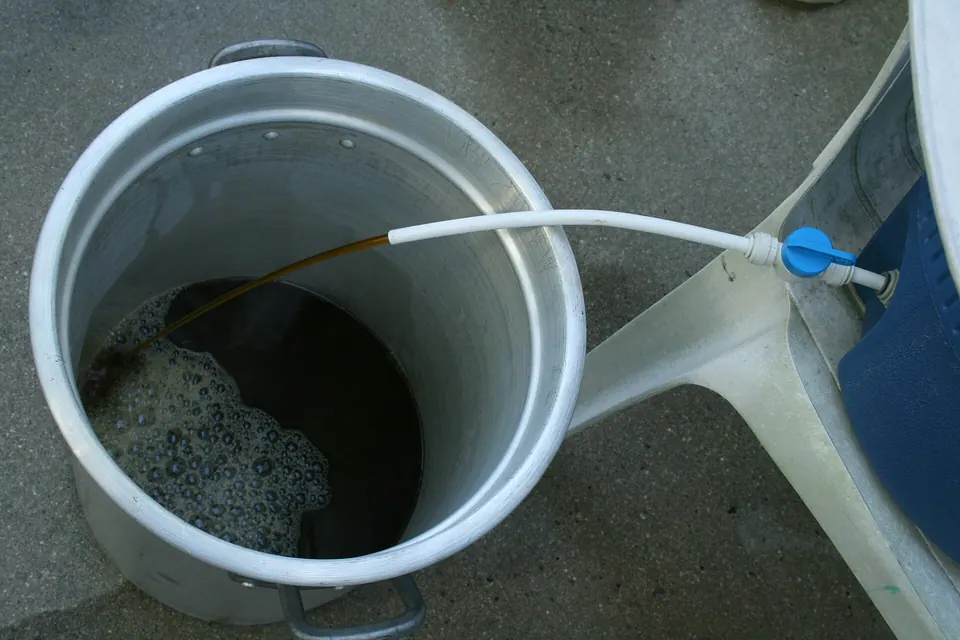
That is why timing matters so much. Oxygen added at pitching is used up in hours and does good work. Oxygen that gets in after the yeast has stopped growing, from splashing during transfers, an opened lid or a leaky keg, stays in the beer and reacts with malt and hop compounds instead, producing the stale, cardboard and sherry notes BYO describes, and dulling hop aroma.
Can you measure dissolved oxygen at home?
Dissolved oxygen meters exist, but accurate ones are costly and need careful calibration, so most homebrewers rely on a consistent method instead: the same gear, the same flow and the same run time each batch, recorded in the log. If fermentations start within about 12–24 hours and finish at the expected gravity, your aeration is doing its job.
Aeration methods compared
Shaking, air pump or pure oxygen
| Method | Reaches | Time | Gear | Best for |
|---|---|---|---|---|
| Splash when pouring or siphon spray | ~ About 4 ppm | During transfer | Spray attachment or none | Low-gravity ales, dry yeast |
| Shake or rock the fermenter | ✓ Up to about 8 ppm | A few minutes of hard shaking | None | Most ales up to about 1.060 |
| Aquarium-style air pump, sterile filter, stone | ✓ About 8 ppm | Longer runs; foams | Pump, sterile filter, stone | Regular ales, no gas cylinder |
| Pure oxygen, regulator, stone | ✓ About 12 ppm | 30–60 seconds at slow flow | O2 cylinder, regulator, wand, 0.5 micron stone | High gravity, lagers, liquid or harvested yeast |
| Inline stone on chiller outflow | ✓ Varies | During transfer | Inline stone, O2 | Plate/counterflow setups |
Source: BYO: Oxygenation
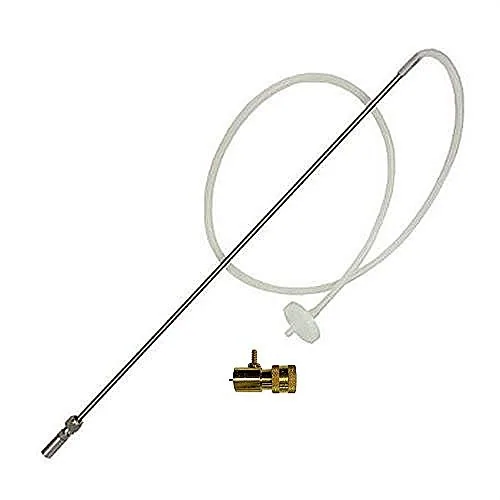
NY Brew Supply Oxygenation Kit with Stainless Wand
- Material
- Stainless wand, removable stone
- Type
- Oxygenation kit
Best for Oxygenating wort before pitching
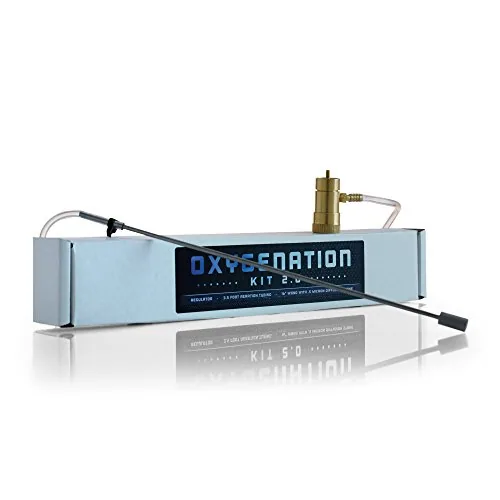
Northern Brewer Oxygenation Kit 2.0, 16 in. Wand
- Material
- 16 in. wand, 0.5 micron stone
- Outputs
- Valve, tubing, 16 in. wand, 0.5 micron stone
- Type
- Oxygenation kit
Best for Oxygenating high-gravity worts
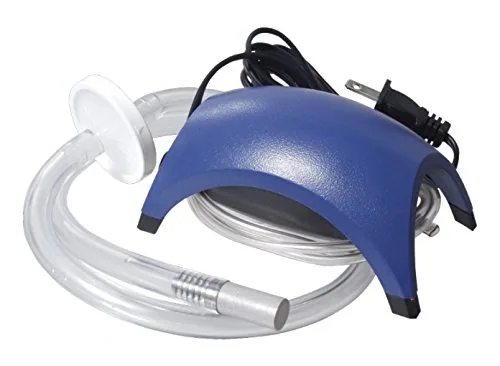
Homebrewers Outpost FE380 Air Aeration System
- Outputs
- Air pump with inline filter
- Range
- 30+ minutes per batch (maker)
- Type
- Aeration system
Best for Aerating without oxygen tanks
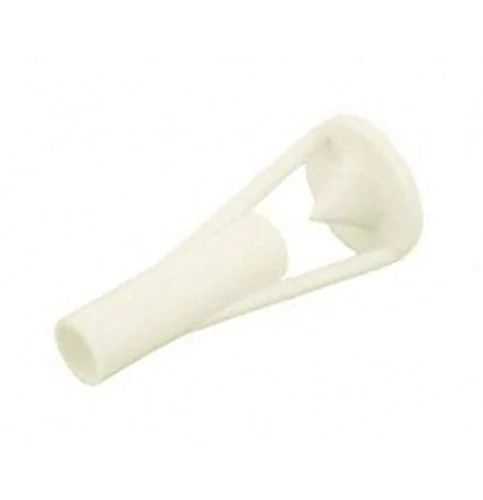
Eagle Brewing BE510 Siphon Spray Wort Aerator
- Material
- Attaches to siphon; sink adapter CE20 separate
- Outputs
- Inline spray aerator for siphon
- Type
- Inline aerator
Best for Simple aeration
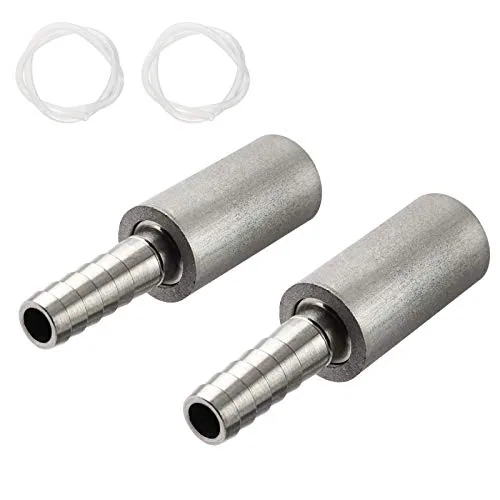
FERRODAY 0.5 Micron Diffusion Stone Kit, 2-Pack
- Material
- 304 stainless steel
- Outputs
- 1/4 in. barb, 2 × 20 in. silicone hose
- Type
- Diffusion stone
Best for Spare stones
How to oxygenate wort with pure oxygen
- Chill first
BYO: aerate only after the wort is below 80°F (27°C). Oxygen in hot wort can oxidize compounds and cause stale, cardboard flavors.
- Sanitize the wand and stone
Soak the stone and wand in sanitizer, or boil the stone, as BYO suggests. Handle stones by the fitting; skin oils clog the pores.
- Set a slow flow
Open the regulator just enough for a fine stream of bubbles. BYO notes a slow flow works better than a fast one; big bubbles escape before they dissolve.
- Run 30–60 seconds
Move the stone around the bottom of the fermenter for about 30–60 seconds for a typical 5 gal batch, per BYO. Bigger beers take the upper end.
- Pitch the yeast
BYO’s author prefers oxygenating just before pitching but says after is also fine; pick one and be consistent.
- Clean the stone
Rinse, sanitize and dry the stone; store it in a clean, dry container.
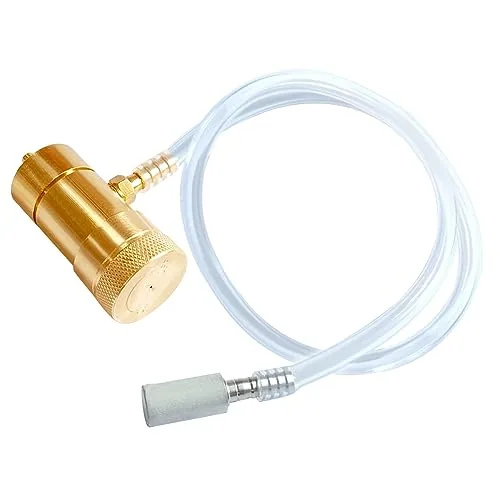
Joywayus Oxygen Injection Kit with Diffusion Stone
- Material
- Diffusion stone, silicone tubing
- Outputs
- Regulator (1 in.-20 LH thread), 1/4 in. barb, 39 in. tubing
- Type
- Diffusion stone
Best for Budget oxygenation
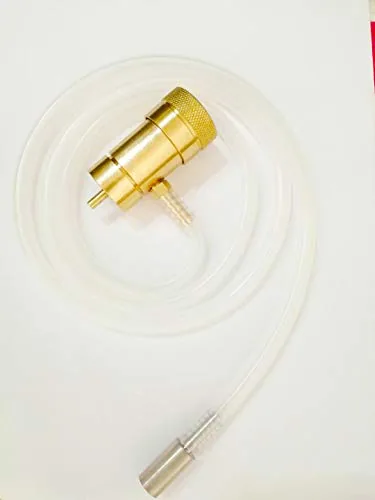
YOUHO Oxygenation Kit without Tank
- Material
- Stainless 0.5 micron stone
- Outputs
- Regulator, 4 ft silicone tubing, 0.5 micron stone
- Type
- Oxygenation kit
Best for Budget oxygenation
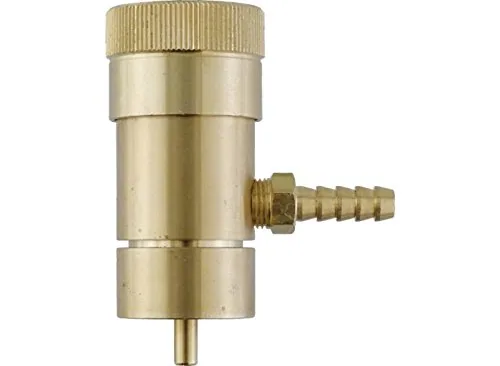
Homebrewers Outpost FE378 Oxygen Regulator for Disposable Tanks
- Material
- Brass body, stainless rod
- Outputs
- 1/4 in. barb, no gauge
- Type
- Oxygen regulator (disposable O2 cylinders)
Best for Building an oxygen kit
Aeration without gas: shaking and pumps
For a 5 gal ale with a fresh dry yeast, shaking is often enough. Seal the fermenter, then rock or shake it hard for a few minutes, letting the wort slosh and foam. With a carboy, rock it on a towel-covered floor rather than lifting it, and never shake a glass carboy by the neck.
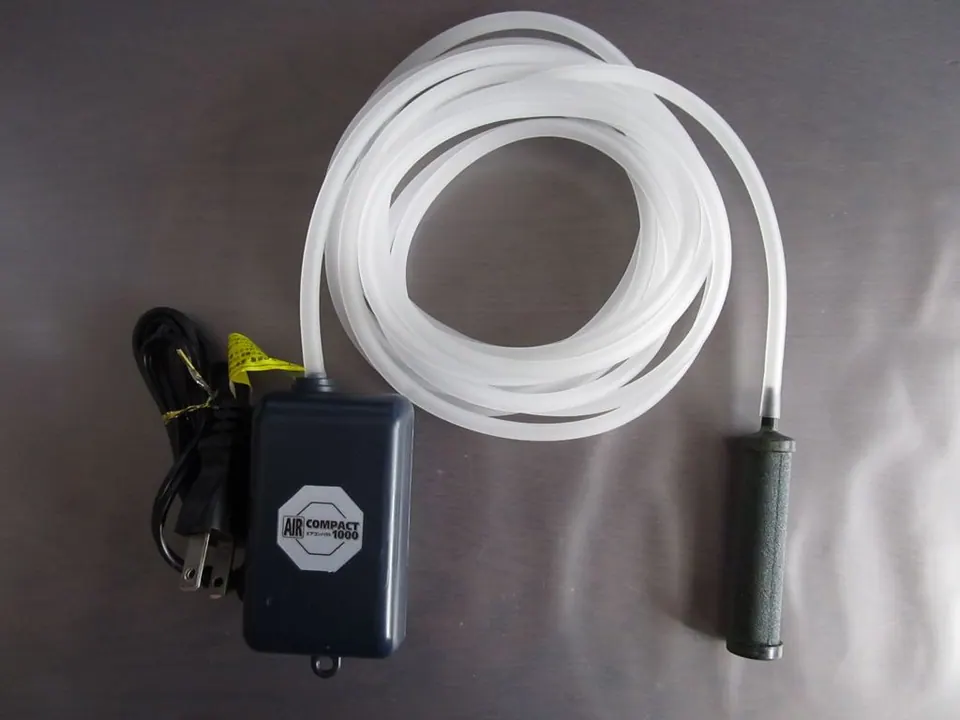
An air pump with a sterile inline filter and a stone saves your back but takes longer and foams more, because nitrogen makes up most of the air you are bubbling through. BYO points out that the filter must stay dry to work; a wet filter lets microbes through.
When oxygen helps most, and when it hurts
- Helps most: original gravity above about 1.065, lagers, liquid yeast, re-pitched slurry and harvested yeast.
- Helps less: fresh dry yeast in average ales, because dry yeast is produced with reserves for the first growth phase.
- Hurts: oxygen late in fermentation or after it. BYO lists off-flavors, chill haze and staling.
- Hurts: pure oxygen on starters, unless you can control the amount; too much can be toxic to yeast, per BYO.
- Messy: foam. A drop of antifoam controls it.
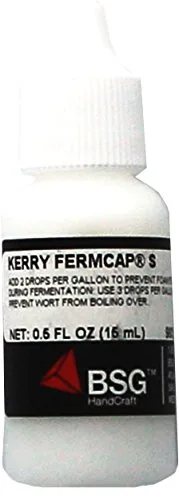
Fermcap-S Foam Inhibitor, 2 oz
- Use
- 2 drops per gallon
- Type
- Silicone antifoam
- Size
- 2 oz
Best for Small kettles and full fermenters
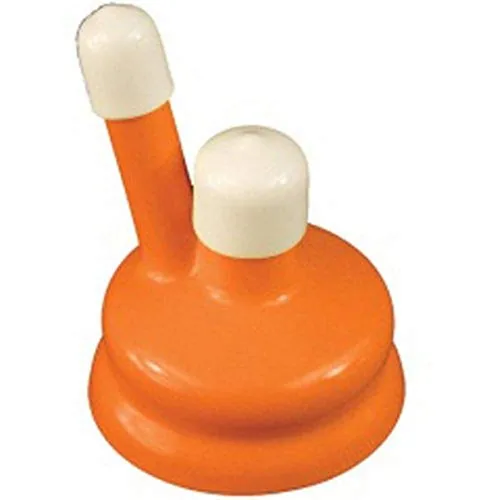
Eagle Brewing FE500 Rubber Carboy Blow-Off Hood
- Material
- Rubber with white caps
- Outputs
- Two blow-off ports (3/8 or 1/2 in.)
- Type
- Blow-off hood
Best for Vigorous fermentations
Re-pitching dry yeast is a special case: Lallemand notes that re-pitched dry yeast requires wort aeration, because the harvested cells no longer have the reserves of a fresh sachet.
Aeration, pitch rate and yeast health together
Oxygen and pitch rate work as a pair. A large, healthy pitch needs less growth and so less oxygen; an underpitched batch needs more growth and more oxygen to get there. If a beer finishes sweet or buttery, check both before blaming the recipe. The pitch rate calculator and the yeast starter guide cover the cell count side.
Dry yeast by the maker’s numbers
| Yeast | Use | Fermentation temp | Dose | Attenuation / tolerance | Rehydration |
|---|---|---|---|---|---|
| SafAle US-05 Fermentis | Ale (American) | 18–26°C (64.4–78.8°F) | 50–80 g/hL | 78–82%; not listed on the product page | Optional: ≥10× its weight of sterile water or boiled, hopped wort at 25–29°C (77–84°F), 15–30 min; or direct pitch at or above fermentation temperature |
| SafAle S-04 Fermentis | Ale (English) | 18–26°C (64.4–78.8°F) | 50–80 g/hL | 74–82%; 9–11% ABV | Optional: ≥10× its weight of sterile water or boiled, hopped wort at 25–29°C (77–84°F), 15–30 min; or direct pitch at or above fermentation temperature |
| SafLager W-34/70 Fermentis | Lager | 12–18°C (53.6–64.4°F) | 80–120 g/hL | 80–84%; 9–11% ABV | Optional: ≥10× its weight of sterile water or boiled, hopped wort at 15–25°C (59–77°F), 15–30 min; or direct pitch at or above fermentation temperature |
| LalBrew Nottingham Lallemand | Ale (English) | 10–25°C (50–77°F) | 50–100 g/hL | 78–84%; 14% ABV | Dry pitching is the maker's preferred method (no significant difference vs rehydration, per Lallemand) |
| LalBrew Voss (kveik) Lallemand | Ale (kveik) | 25–40°C (77–104°F) Optimum 35–40°C (95–104°F) per Lallemand | 50–100 g/hL | 76–82%; 12% ABV | Per the sachet |
| Lalvin EC-1118 Lallemand | Wine, cider, mead | 10–30°C (50–86°F) | 25 g/hL | Ferments dry; 18% v/v (subject to conditions) | 35–40°C (95–104°F) water for 20 min with Go-Ferm Protect Evolution (30 g/hL), then temper to within 5–10°C of the must |
Sources: Fermentis: SafAle US-05 product page; Fermentis: SafAle S-04 product page; Fermentis: SafLager W-34/70 product page; Lallemand: LalBrew Nottingham technical data sheet; Lallemand Brewing: LalBrew Voss Kveik Ale Yeast product page; Lallemand: Lalvin EC-1118 technical data sheet. 1 hL = 26.4 US gal, so 50 g/hL ≈ 1.9 g per gallon. Follow the sachet you buy; makers update their sheets.
Nutrients are the third leg. Beer wort usually has enough nitrogen for yeast, but high-adjunct beers, hard seltzers and meads need added nutrients per their labels.
Mistakes to avoid
- Oxygenating hot wort. Wait until it is below about 80°F.
- A fast, roaring flow. Big bubbles waste oxygen and foam over.
- Oxygenating for minutes on end. 30–60 seconds is enough for 5 gal of average beer with a fine stone.
- Adding oxygen after fermentation starts. Staling and haze.
- Touching the stone. Oils clog it; handle the fitting.
- Letting the pump filter get wet. It stops filtering.
- Using pure oxygen near a flame. Keep it away from the burner.
Which method should you use?
- Ales up to about 1.060 with dry yeast: shake hard; skip the gear.
- Liquid yeast or bigger ales: an air pump kit or a pure oxygen kit.
- Lagers and beers above about 1.065: pure oxygen with a 0.5 micron stone.
- Inline chilling setups: an inline stone on the chiller outflow.
More on oxygen’s darker side after fermentation is in beer off-flavors, and the fermentation side in the fermentation temperature guide. Note the method and time you used in the brew-day log.
Gear picks for this guide: best wort aeration and oxygenation kits and best yeast nutrients for mead, wine and beer.