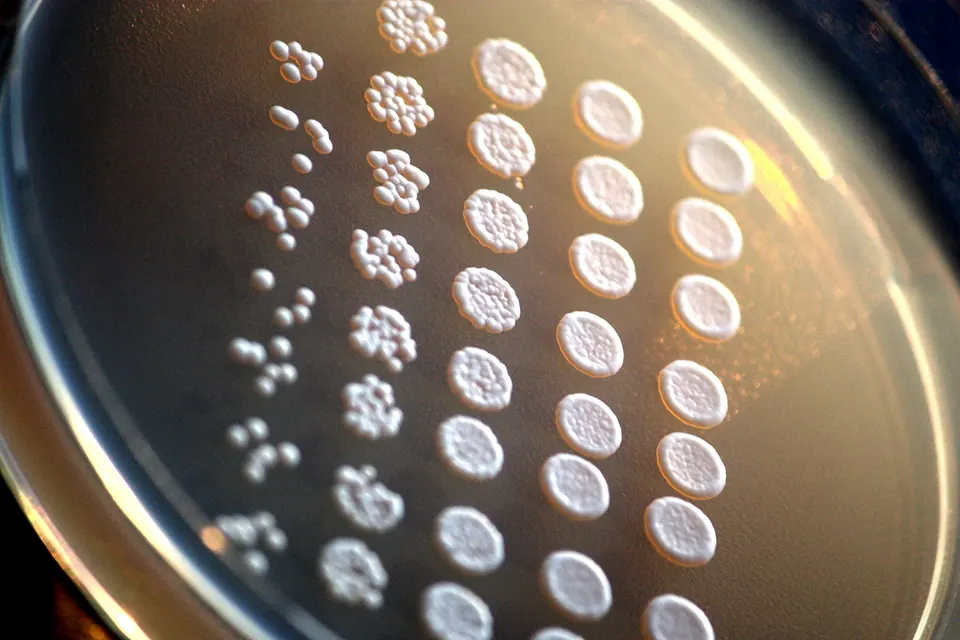
- Pitch rate is how many yeast cells you add per milliliter of wort per degree Plato. Common targets: about 0.75–1.0 million for ales and 1.5–2.0 million for lagers.
- A single fresh liquid pack is often enough for an average-strength 5 gal ale. Stronger beers, lagers and older packs benefit from a starter.
- The AHA rule of thumb for 5 gal: up to 1.048 one pack with no starter; 1.050–1.065 a 1 L starter; above 1.065 a 2 L starter.
- Dry yeast doesn’t need a starter. Dose it by weight per the maker: US-05 is 50–80 g/hL, so one 11.5 g sachet covers a typical 5 gal ale.
- A stir plate keeps yeast in suspension and grows more cells from the same starter volume.
A yeast starter is a small batch of wort that wakes up and multiplies liquid yeast before brew day. This yeast starter guide explains when you need one, how big it should be and how to make it, with or without a stir plate. The goal is simple: pitch enough healthy yeast that fermentation starts fast and finishes clean.
Pitch-rate numbers come from the American Homebrewers Association’s pitch-rate article and White and Zainasheff’s Yeast, the same sources behind our yeast pitch rate calculator. Dry yeast numbers come from the Fermentis and Lallemand sheets.
How much yeast do you need?
Cells needed = pitch rate × wort volume in mL × gravity in °Plato. Plato is roughly 259 − 259 / SG, so a 1.050 wort is about 12.3°P. White and Zainasheff use about 0.75 million cells per mL per °P for ales and 1.5 for lagers; the AHA article uses 1 million for ales and 1.5–2× that for lagers. The calculator shows both.
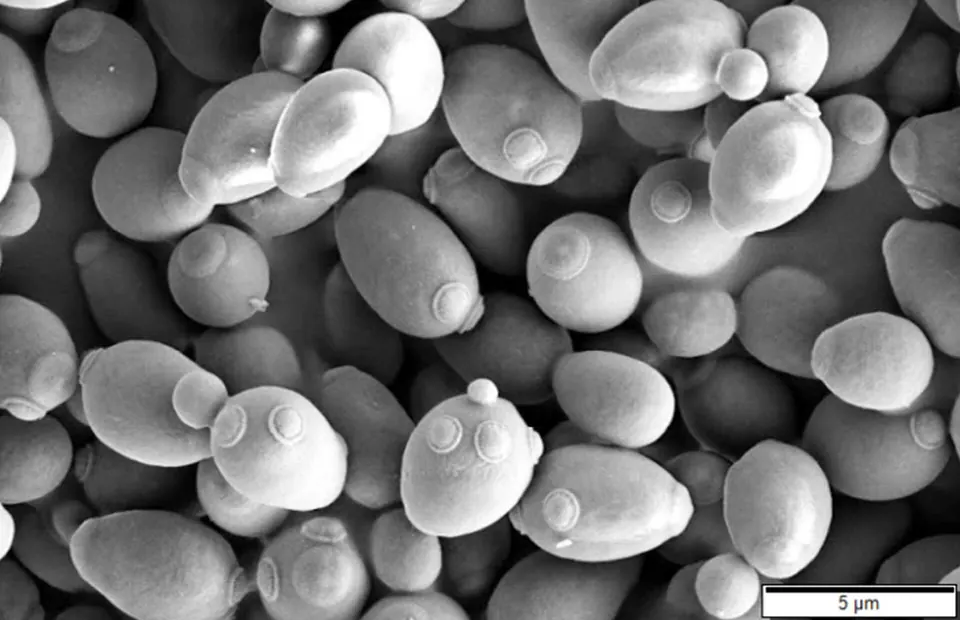
Billion cells needed for 5 gal (18.9 L) of ale
0.75 million cells/mL/°P (White & Zainasheff); °P ≈ 259 − 259/SG
A lager at 1.050 needs about twice the ale figure, roughly 350 billion cells, which is why lagers are the classic case for a big starter or several dry sachets. Liquid packs and vials are usually sold as about 100 billion cells at manufacture and lose viability as they age; the calculator uses an estimate of about 0.7% per day from the manufacture date.
AHA rule of thumb for a 5 gal (20 L) batch of ale
| Original gravity | Liquid yeast | Starter |
|---|---|---|
| Up to 1.048 | 1 package | ✓ Not needed |
| 1.050–1.065 | 1 package | ~ 1 L starter |
| Over 1.065 | 1 package | ✗ 2 L starter (or more yeast) |
| Lagers, same gravity | 1.5–2× the ale rate | ✗ Larger starter or several packs |
Source: AHA: Determining proper yeast pitch rates
Yeast pitch rate calculatorEnter batch size, gravity, yeast type and pack date to see cells needed and whether a starter helps.Dry yeast: dose by weight, no starter
Dry yeast is packed with a large, stable cell count and enough reserves to start without growing first, so makers dose it by weight instead of by cell count. Lallemand cautions that calculators built for liquid yeast can lead you to over-pitch dry yeast.
Dry yeast by the maker’s numbers
| Yeast | Use | Fermentation temp | Dose | Attenuation / tolerance | Rehydration |
|---|---|---|---|---|---|
| SafAle US-05 Fermentis | Ale (American) | 18–26°C (64.4–78.8°F) | 50–80 g/hL | 78–82%; not listed on the product page | Optional: ≥10× its weight of sterile water or boiled, hopped wort at 25–29°C (77–84°F), 15–30 min; or direct pitch at or above fermentation temperature |
| SafAle S-04 Fermentis | Ale (English) | 18–26°C (64.4–78.8°F) | 50–80 g/hL | 74–82%; 9–11% ABV | Optional: ≥10× its weight of sterile water or boiled, hopped wort at 25–29°C (77–84°F), 15–30 min; or direct pitch at or above fermentation temperature |
| SafLager W-34/70 Fermentis | Lager | 12–18°C (53.6–64.4°F) | 80–120 g/hL | 80–84%; 9–11% ABV | Optional: ≥10× its weight of sterile water or boiled, hopped wort at 15–25°C (59–77°F), 15–30 min; or direct pitch at or above fermentation temperature |
| LalBrew Nottingham Lallemand | Ale (English) | 10–25°C (50–77°F) | 50–100 g/hL | 78–84%; 14% ABV | Dry pitching is the maker's preferred method (no significant difference vs rehydration, per Lallemand) |
| LalBrew Voss (kveik) Lallemand | Ale (kveik) | 25–40°C (77–104°F) Optimum 35–40°C (95–104°F) per Lallemand | 50–100 g/hL | 76–82%; 12% ABV | Per the sachet |
| Lalvin EC-1118 Lallemand | Wine, cider, mead | 10–30°C (50–86°F) | 25 g/hL | Ferments dry; 18% v/v (subject to conditions) | 35–40°C (95–104°F) water for 20 min with Go-Ferm Protect Evolution (30 g/hL), then temper to within 5–10°C of the must |
Sources: Fermentis: SafAle US-05 product page; Fermentis: SafAle S-04 product page; Fermentis: SafLager W-34/70 product page; Lallemand: LalBrew Nottingham technical data sheet; Lallemand Brewing: LalBrew Voss Kveik Ale Yeast product page; Lallemand: Lalvin EC-1118 technical data sheet. 1 hL = 26.4 US gal, so 50 g/hL ≈ 1.9 g per gallon. Follow the sachet you buy; makers update their sheets.
Example: 5 gal is about 0.19 hL, so US-05 at 50–80 g/hL means about 9.5–15 g. One 11.5 g sachet sits inside that range for an average ale; use two for high-gravity beers. For lagers, Fermentis lists 80–120 g/hL for W-34/70, so two to three sachets for 5 gal is common.
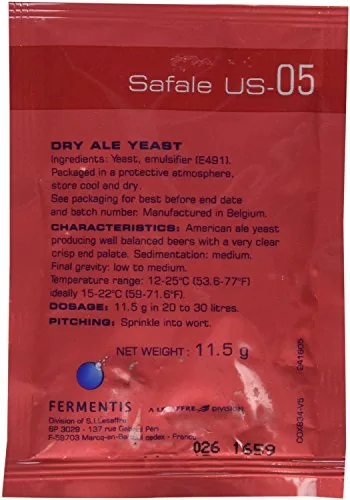
Fermentis SafAle US-05 Dry Ale Yeast, 11.5 g
- Type
- Dry ale yeast, American
- Dose
- 50–80 g/hL (11.5 g ≈ 3.8–6 gal)
- Temp
- 59–75°F (15–24°C)
Best for American pale ales and IPAs
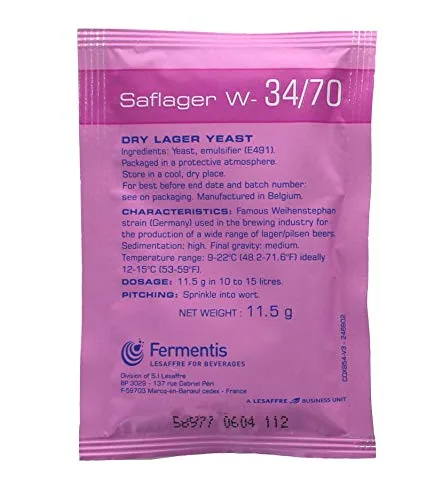
Fermentis SafLager W-34/70 Dry Lager Yeast, 11.5 g
- Type
- Dry lager yeast
- Temp
- 48–68°F (9–20°C)
Best for Lagers in a cool basement or fridge
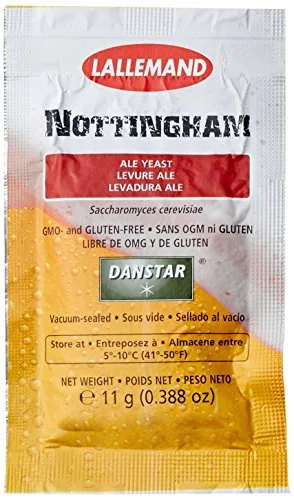
Lallemand LalBrew Nottingham Ale Yeast, 11 g
- Type
- Dry ale yeast, English
- Dose
- 50–100 g/hL
- Temp
- 59–68°F (listing); 10–25°C on TDS
Best for Clean ales and a reliable backup yeast
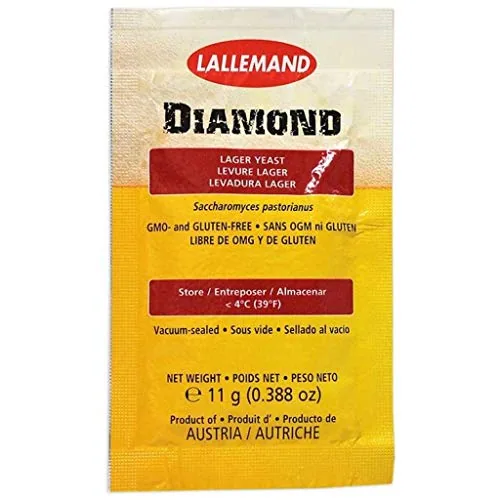
Lallemand LalBrew Diamond Lager Yeast, 11 g
- Type
- Dry lager yeast
Best for Clean lagers
Whether to rehydrate first is covered in rehydrate dry yeast or direct pitch.
How to make a yeast starter
A standard starter is a low-gravity wort around 1.035–1.040, made from dry malt extract and water. Many brewers use about 100 g of light DME per liter of finished starter, plus a pinch of yeast nutrient. Canned starter wort skips the boil.
- Plan 24–48 hours ahead
A stirred starter needs about 18–24 hours to grow; give it time to settle if you want to decant.
- Mix and boil the wort
Stir the DME into water, bring to a boil for about 10 minutes and add a drop of antifoam to prevent boil-over. Use a heat-safe borosilicate flask or a pot.
- Chill to pitching temperature
Cool the flask in a cold-water bath to around room temperature, 65–72°F (18–22°C). Don’t shock hot glass in ice water.
- Sanitize and pitch
Sanitize the flask mouth, stir bar, foil or foam stopper and the yeast pack. Pitch the yeast.
- Aerate or stir
On a stir plate, spin the stir bar to make a small vortex. Without one, cover loosely with sanitized foil and swirl hard whenever you pass by.
- Crash and decant (optional)
For larger starters, chill the starter in the fridge overnight so yeast settles, pour off most of the spent liquid, and pitch the slurry. Small starters can be pitched whole at high krausen.
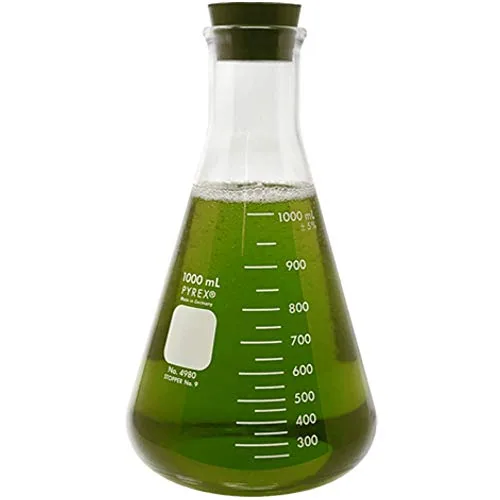
Corning Pyrex 4980 1000 mL Erlenmeyer Flask with Stopper
- Type
- Borosilicate Erlenmeyer flask
- Capacity
- 1000 mL
Best for Small yeast starters
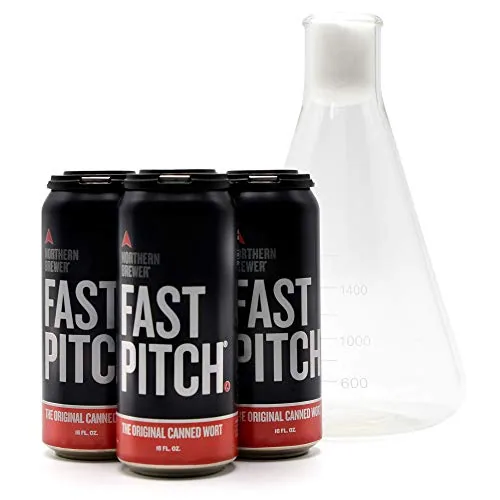
Northern Brewer Fast Pitch Yeast Starter Kit, 2000 mL
- Type
- Starter kit with canned wort
- Size
- 2000 mL flask
Best for First yeast starter
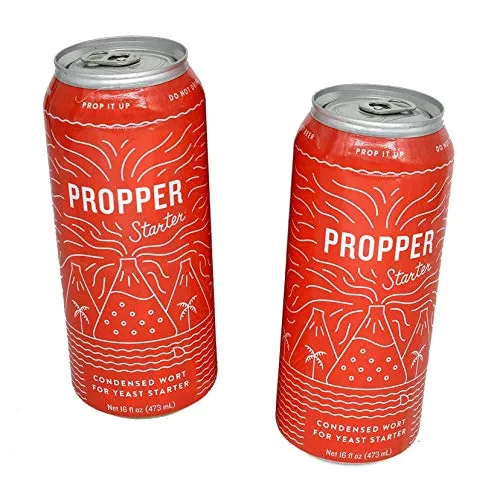
Omega Propper Starter Canned Wort, 16 oz (2-pack)
- Type
- Condensed sterile wort for starters
- Size
- 2 x 16 oz
Best for Quick yeast starters
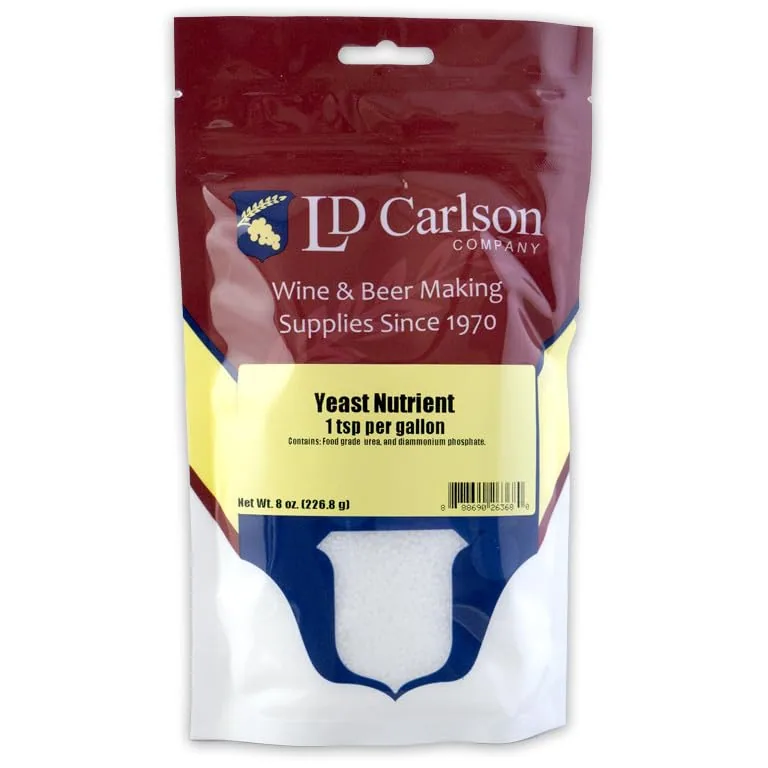
LD Carlson Yeast Nutrient
- Type
- Yeast nutrient
- Dose
- 1 tsp per gallon (listing)
- Size
- 2 oz (title) / 8 oz (attrs)
Best for Fruit wines and meads
Stir plate or no stir plate?
Starter methods compared
| Method | Cell growth | Effort | Notes |
|---|---|---|---|
| Simple starter, swirled by hand | ~ Modest | Swirl often | Better than nothing for average beers |
| Shaken starter (shake vigorously at pitching) | ~ Good | One good shake | Popular low-gear option |
| Stir plate | ✓ Highest per liter | Set and leave | Keeps yeast suspended and degasses CO2 |
| Step-up (two starters in sequence) | ✓ For very big pitches | Two days or more | Lagers and high-gravity beers |
Source: White & Zainasheff, Yeast; AHA pitch rates
A stir plate is a small motor turning a magnet under the flask, which spins a stir bar inside. It earns its place if you brew lagers or big beers with liquid yeast often. If you mostly use dry yeast, skip it.
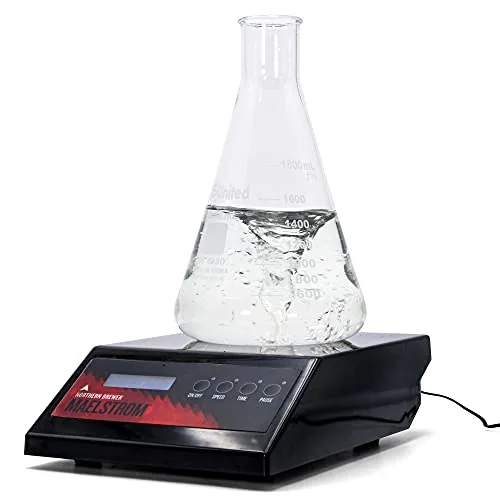
Northern Brewer Maelstrom Stir Plate
- Type
- Programmable stir plate
- Speed
- 480–1440 RPM, 5 speeds
- Capacity
- Starters up to 5 gal (per maker)
Best for Regular liquid-yeast starters
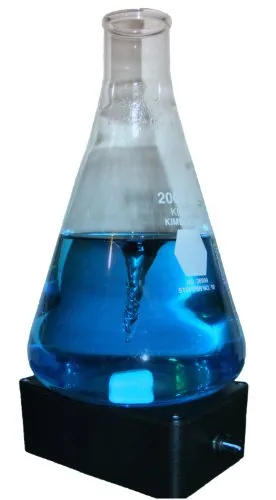
Stir Starter Magnetic Yeast Starter Plate
- Type
- Stir plate
- Includes
- Stir bar, keeper magnet, power cord
Best for Budget starter setups
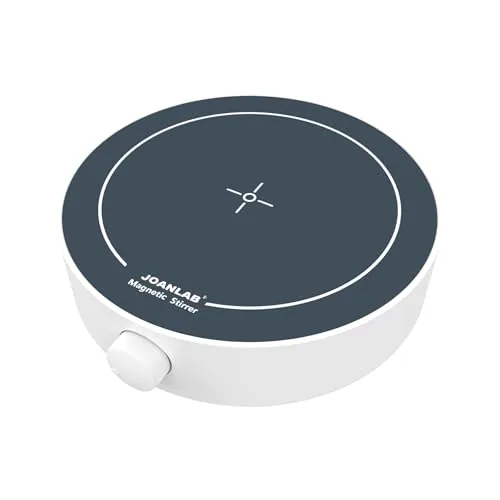
JOANLAB MS3 Magnetic Stirrer, 3000 mL
- Type
- Lab stir plate
- Speed
- Up to 1800 RPM
- Capacity
- 3000 mL
Best for Starters up to 3 L
Yeast health matters as much as count
Healthy yeast needs fresh packs, careful handling and oxygen in the main wort. Liquid yeast is perishable; order it with an ice pack in warm months and keep it cold until the day before. Check the manufacture date, because viability falls with age. Dry yeast keeps much longer; Fermentis lists a 36-month shelf life for US-05 when stored as directed.
Wort oxygen is the other half: yeast uses it to build healthy cell membranes before fermenting. A good shake works for average beers; pure oxygen with a stone helps big beers and lagers. See wort aeration.
Reusing yeast from a previous batch
The yeast cake left in a fermenter holds far more cells than a fresh pack, which is why many brewers re-pitch it. Use slurry only from a clean, healthy fermentation of a similar or lighter beer, collect it into a sanitized jar, keep it cold and use it within a couple of weeks. A cup or so of thick slurry is plenty for a 5 gal ale; dumping a whole cake into a new batch over-pitches it. Lallemand notes that re-pitched dry yeast needs wort aeration, because the harvested cells have used up the reserves the drying process gave them. Stop re-pitching after a few generations, or sooner if flavors drift.
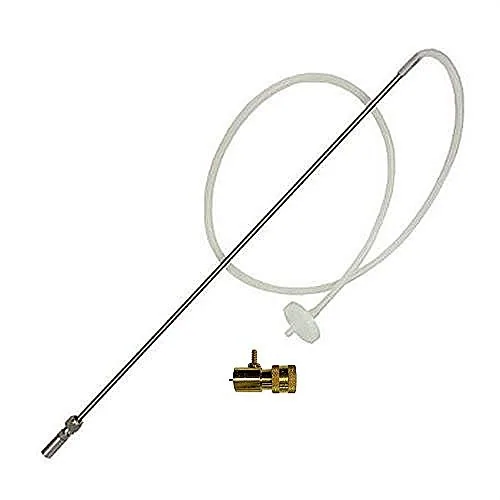
NY Brew Supply Oxygenation Kit with Stainless Wand
- Material
- Stainless wand, removable stone
- Type
- Oxygenation kit
Best for Oxygenating wort before pitching
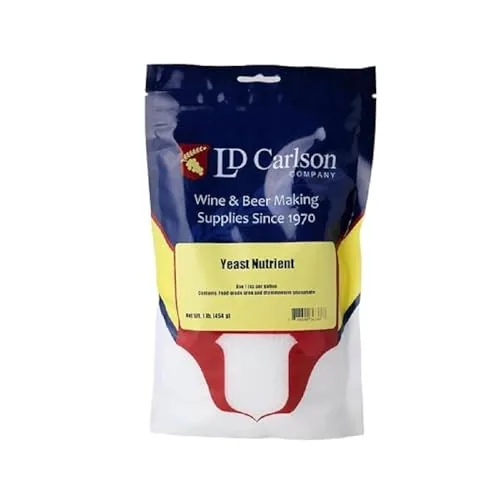
LD Carlson Fermax Yeast Nutrient, 1 lb
- Type
- Yeast nutrient (proteins, amino acids, vitamins)
- Size
- 1 lb
Best for Frequent mead and wine makers
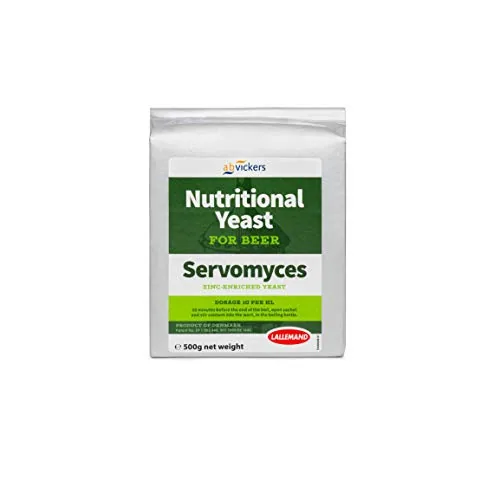
White Labs Servomyces Yeast Nutrient
- Type
- Yeast nutrient (zinc-enriched yeast)
Best for High-gravity beers
Mistakes to avoid
- Making a starter for dry yeast. Not needed at normal gravities; follow the maker’s dose.
- Starting too late. A starter made the night before brewing is still mostly lag time.
- Too-strong starter wort. Stick to about 1.035–1.040.
- Pitching a big starter’s whole volume into a light beer. The spent, oxidized starter beer can show; decant large starters.
- Using pure oxygen on starters. Easy to overdo.
- Ignoring the pack date. Old liquid yeast needs a bigger starter or a fresh pack.
- Heating ordinary glass. Use borosilicate or a pot.
Who needs a starter
- Dry yeast brewers: no starter. Weigh the dose and pitch.
- Liquid yeast, average ale, fresh pack: often none; check the calculator.
- Liquid yeast for lagers or OG over about 1.065: a 1–2 L starter or more, ideally on a stir plate.
- Rare strains you want to keep: starters plus careful harvesting, with strict sanitation.
For lager-specific temperatures and schedules, see the fermentation temperature guide.
Gear picks for this guide: best wort aeration and oxygenation kits and best dry yeast for IPA and pale ale.