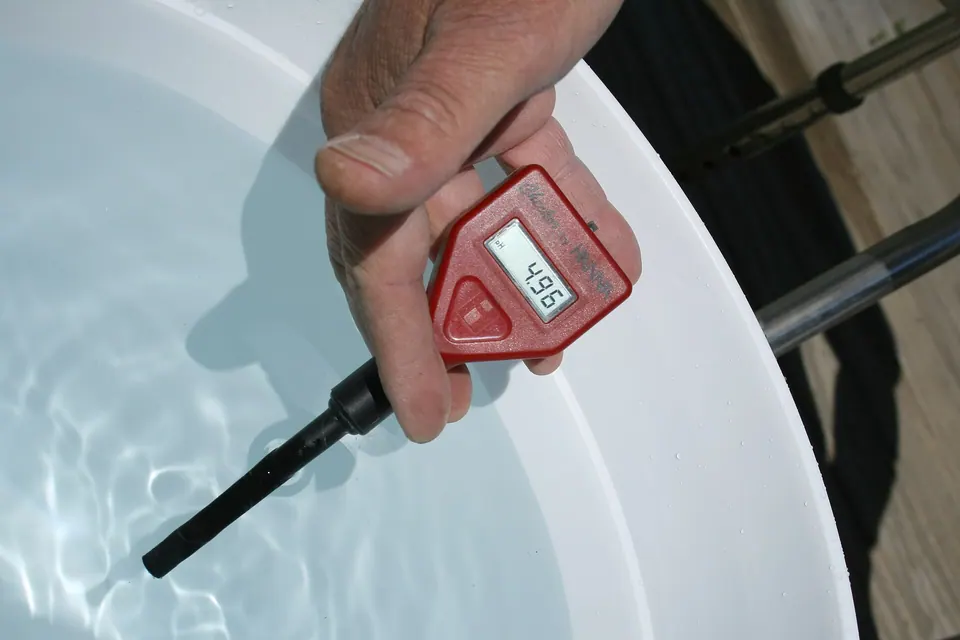
- For mash pH, a meter that lists ±0.01–0.02 pH, ATC and two-point calibration is the sweet spot: the Apera PH60S, Milwaukee MW102 and Anton Paar pH2Go all qualify.
- Kombucha safety guidance calls for a calibrated pH meter reading 4.2 or lower; strips are not a substitute.
- Strips (pH 4.6–6.2 for mash, 2.8–4.4 for wine) give a rough answer with no calibration; the YINMIK meter reads ±0.1 pH.
- Every glass-electrode meter needs buffers, storage solution and a cooled sample. Budget for those, not just the meter.
The best pH meter for brewing is the one you'll actually calibrate. Mash pH, sour beers, wine acidity and kombucha safety all depend on a number that a cheap, uncalibrated pen can miss by a lot. Our water chemistry calculator deliberately doesn't predict mash pH, because that needs a grain-acidity model; a meter is how you find out.
This list compares seven picks from six brands, five meters and two strip options, by what the makers list: stated accuracy, range, automatic temperature compensation (ATC), calibration points and probe type. Missing specs are marked "not listed".
Our picks
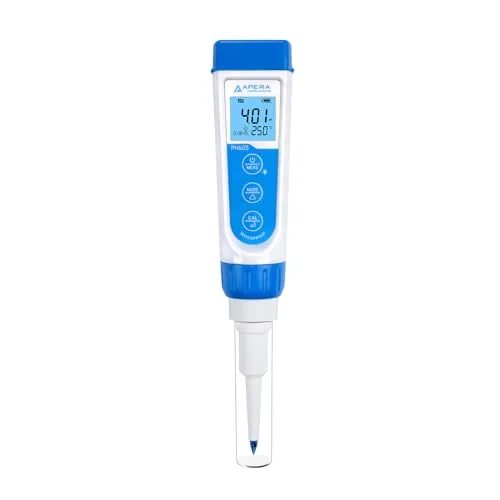
Apera PH60S Food pH Meter Kit (Spear Electrode)
Apera Instruments
- Range
- −2.00 to 16.00 pH
- Accuracy
- ±0.01 pH
- ATC
- Yes
Apera's PH60S lists ±0.01 pH over −2.00 to 16.00, ATC and automatic calibration, and comes as a complete kit with ready-to-use calibration solutions, calibration bottles, storage solution and batteries in a carry case. The Swiss spear electrode is replaceable and works in liquids and semi-solids.
Best for: Brewers who want one meter for mash, wine and kombucha
Skip if: You only need occasional rough checks
- ±0.01 pH stated
- Calibration and storage solutions included
- Replaceable spear electrode
- Glass electrode must be kept wet
- Electrode warranty is 6 months (instrument 2 years)
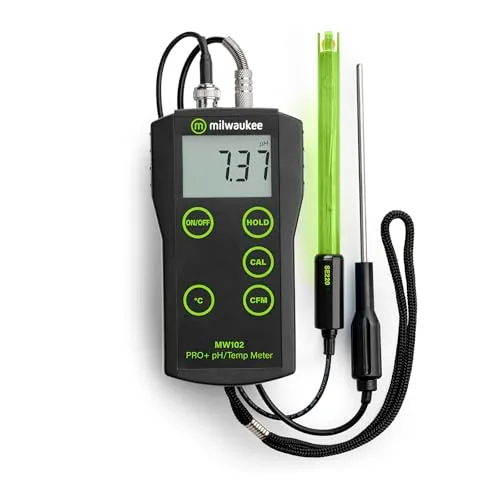
Milwaukee MW102 Portable pH/Temperature Meter
Milwaukee Instruments
- Range
- −2.00 to 16.00 pH
- Accuracy
- ±0.02 pH
- ATC
- Yes, stainless temperature probe
Milwaukee's MW102 lists ±0.02 pH over −2.00 to 16.00 with a separate stainless temperature probe for ATC, up to two-point automatic calibration and a gel-filled, double-junction lab-grade electrode. The large LCD is easy to read on brew day.
Best for: All-grain brewers checking mash and sparge pH every batch
Skip if: You want a pocket-size tester
- ±0.02 pH stated
- Separate temperature probe
- Double-junction electrode
- Buffers not listed as included
- Two probes to manage
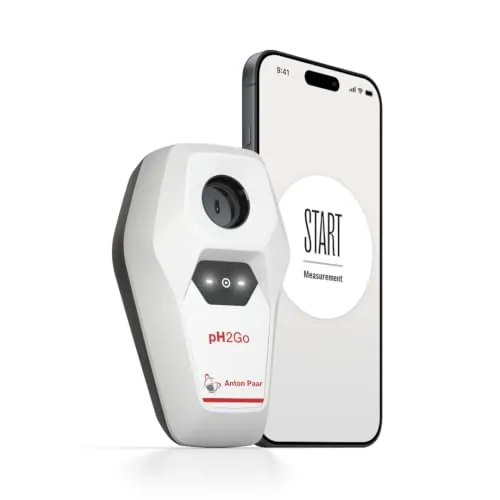
Anton Paar pH2Go Digital pH Meter
Anton Paar
- Accuracy
- ±0.02 pH
- ATC
- Yes
- Connectivity
- Meister mobile apps
Anton Paar's pH2Go uses an ISFET sensor instead of a glass bulb, so the maker says it can be cleaned easily and stored dry. It lists ±0.02 pH from a 0.5 mL sample, ATC, IP67 and app-guided calibration through the free Meister apps.
Best for: Brewers who have broken or dried out glass electrodes before
Skip if: You don't want a phone in the calibration routine
- Glass-free ISFET sensor
- 0.5 mL sample
- IP67, dry storage per maker
- Range not listed on this listing
- Calibration is app-guided
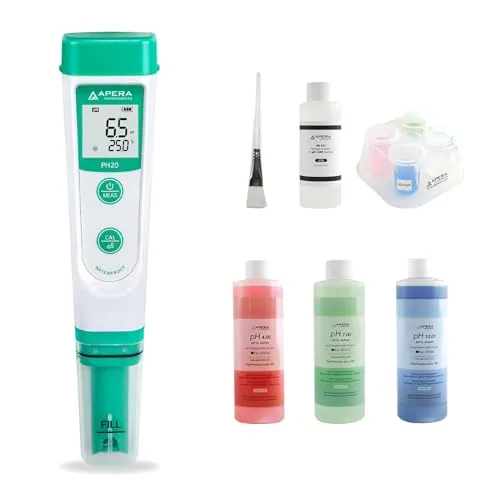
Apera PH20 pH Tester Combo Kit
Apera Instruments
- Accuracy
- Not listed
- ATC
- Yes, 32–122°F
Apera's PH20 is a pen-style tester sold as a combo kit with a maintenance set, a cleaning brush and the CalPod solution holder. It lists auto calibration with buffer recognition and ATC from 32–122°F (0–50°C). Accuracy isn't stated on this listing; check Apera's spec sheet.
Best for: A first meter that comes with calibration gear
Skip if: You need a stated accuracy figure before buying
- ATC 32–122°F listed
- Buffer recognition
- Probe-care set included
- Accuracy not listed
- Pen probe is less rugged than a spear
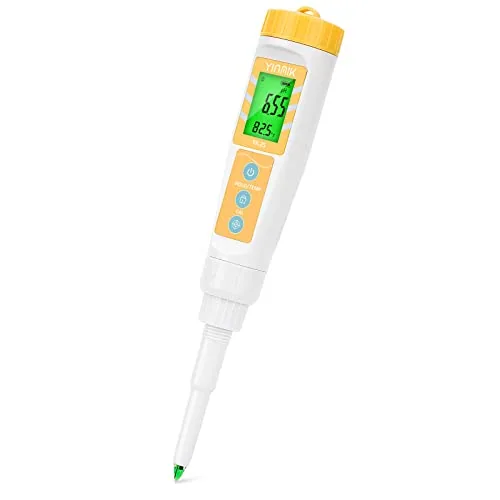
YINMIK YK-2S Food pH Meter (Spear Probe)
YINMIK
- Range
- 0.00–14.00 pH
- Accuracy
- ±0.1 pH
The YINMIK YK-2S is a low-cost spear-probe meter sold for fermented foods, with a 0.00–14.00 range and ±0.1 pH stated accuracy. That's coarser than the meters above, but still better than reading a color chart.
Best for: Rough checks on a tight budget
Skip if: You're fine-tuning mash pH by a tenth or less
- Spear probe
- 0–14 pH range
- ±0.1 pH stated
- ATC not listed
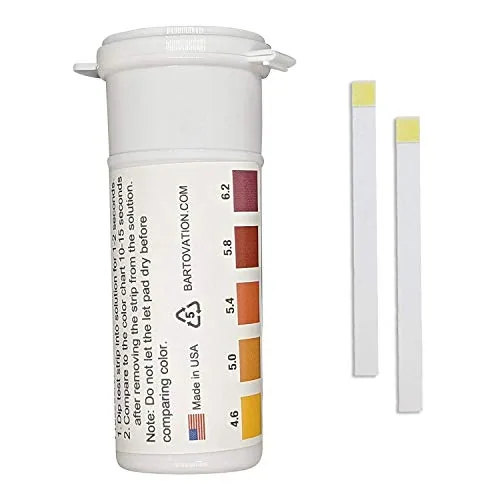
Bartovation pH Test Strips 4.6–6.2, 100 ct
Bartovation
- Range
- pH 4.6–6.2
- Scale
- Color-match strips
Bartovation's plastic strips read pH 4.6–6.2, a band that covers typical mash pH, with 100 pre-cut strips, a waterproof color chart and no calibration. They're a quick sanity check, not a measurement.
Best for: A cheap first look at mash pH
Skip if: You need kombucha safety readings (use a calibrated meter)
- Mash-range scale
- No calibration
- Made in USA per maker
- Color matching is subjective
- Accuracy not listed
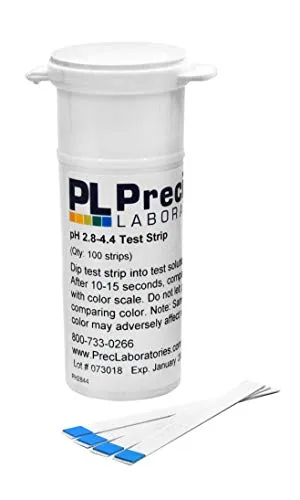
hBARSCI Wine pH Test Strips 2.8–4.4, 100 ct
hBARSCI
- Range
- pH 2.8–4.4
- Scale
- Color-match strips
hBARSCI strips cover pH 2.8–4.4, the range home winemakers check, with 100 paper strips and a color-match chart. Good for spotting a must that's way off; not good enough for kombucha safety.
Best for: Wine and cider makers who want a quick acidity check
Skip if: You need a number to a tenth of a pH unit
- Wine range 2.8–4.4
- 100 strips
- No calibration
- Paper strips; colored wines are hard to read
- Accuracy not listed
Which pH meter specs matter for brewing?
Three numbers do most of the work. Accuracy tells you how close the reading can be after calibration. ATC corrects the reading for sample temperature (within a range). Calibration points tell you how many buffers the meter uses; two points, usually pH 4 and 7 for brewing, bracket the readings you care about. The probe type decides how much care it needs.
pH meters and strips: listed specs
| Model | Type | Range | Stated accuracy | ATC | Calibration |
|---|---|---|---|---|---|
| Apera PH60S | Spear glass electrode | −2.00 to 16.00 | ±0.01 pH | ✓ Yes | ✓ Auto; solutions included |
| Milwaukee MW102 | Double-junction glass + temp probe | −2.00 to 16.00 | ±0.02 pH | ✓ Separate probe | ✓ Up to 2-point auto |
| Anton Paar pH2Go | ISFET, glass-free | Not listed | ±0.02 pH | ✓ Yes | ✓ App-guided |
| Apera PH20 | Pen glass electrode | Not listed | Not listed | ✓ 32–122°F | ✓ Auto, buffer recognition |
| YINMIK YK-2S | Spear electrode | 0.00–14.00 | ±0.1 pH | Not listed | Not listed |
| Bartovation strips | Plastic strips | 4.6–6.2 | Not listed | ✗ None | ✗ None needed |
| hBARSCI strips | Paper strips | 2.8–4.4 | Not listed | ✗ None | ✗ None needed |
Source: Maker listings, November 2026
Stated accuracy (smaller is tighter)
pH units, after calibration, as each maker lists it
Mash, wine and kombucha: what you're measuring
Mash pH affects conversion, extraction and how the beer tastes. Palmer's How to Brew and Palmer and Kaminski's Water are the standard references for targets and adjustments, and the water chemistry calculator shows how salts change your water. Measure a sample from the mash once it has been stirred and rested, cooled to room temperature, then adjust with acid or salts per the label and your recipe software.
Wine and cider pH guides acid additions and how much sulfite you need. Strips in the 2.8–4.4 band give a rough answer; a meter gives a number you can plug into a sulfite chart. Sour beers work the same way: kettle-soured and mixed-fermentation beers are tracked by pH as well as taste, and a calibrated meter lets you log the drop day by day instead of guessing from a color chart.
Kombucha pH is a safety check, not a flavor note. Virginia Tech's FST-297 says to monitor with a calibrated pH meter until the brew reaches pH 4.2 or lower, and not below 2.5. Pennsylvania's agriculture department says to discard a batch that hasn't reached 4.2 within 7 days.
How to calibrate and use a pH meter step by step
- Read the manual's calibration routine
Meters differ: some recognize buffers automatically (Apera PH20), some guide you in an app (pH2Go). Follow your model's steps and buffer list.
- Use fresh buffers at room temperature
For brewing, a two-point calibration with pH 7 and pH 4 buffers brackets mash, wine and kombucha readings. Pour buffer into a small cup; never dip into the bottle.
- Rinse between buffers and samples
Rinse the probe with distilled water and blot (don't wipe) it dry, so one solution doesn't carry into the next.
- Cool the sample
Pull a small sample and cool it to room temperature before measuring. ATC corrects the reading within its range (32–122°F on the PH20), but hot wort shortens electrode life.
- Wait for a stable reading
Stir gently, let the reading settle and log it in the brew-day log with the time and sample temperature.
- Store it the way the maker says
Glass electrodes go back into storage solution, not distilled water. Anton Paar says its ISFET sensor can be stored dry.
- Re-check before every session
Electrodes drift. A quick check in pH 7 buffer tells you whether to recalibrate before you trust the next number.
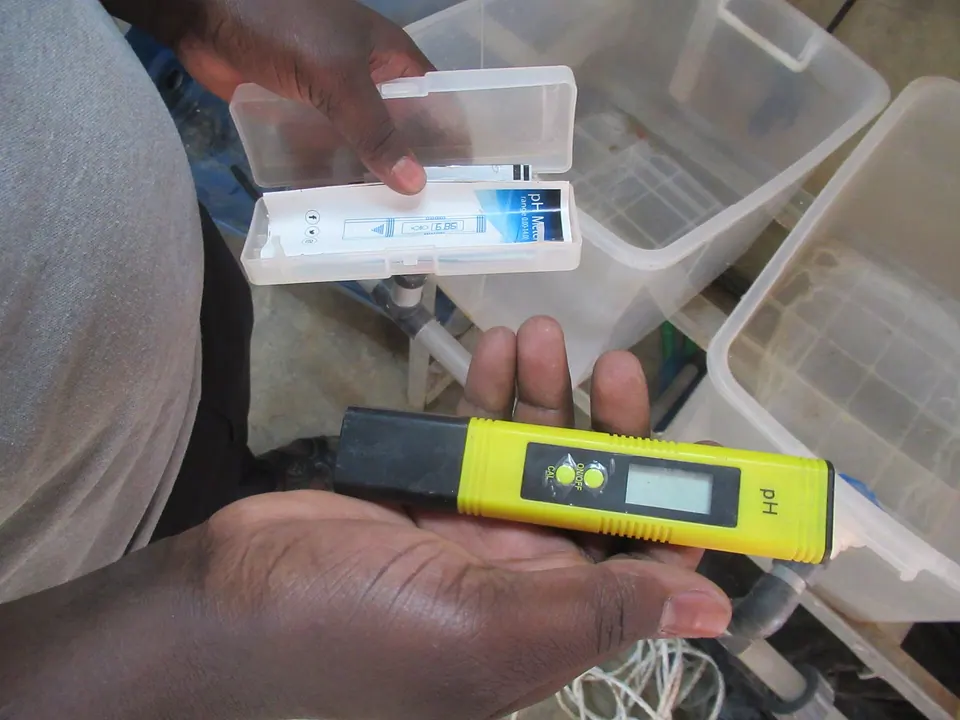
Mistakes to avoid
- Measuring hot mash. Cool the sample; readings and electrodes both suffer at mash temperature.
- Skipping calibration. An uncalibrated meter gives a precise-looking number that can be wrong.
- Storing a glass electrode dry or in distilled water. Use storage solution; dry glass bulbs respond slowly or fail.
- Using strips for kombucha safety. Extension guidance calls for a calibrated meter.
- Adding acid without reading the label. Lactic and phosphoric acids are concentrated; wear eye protection, add acid to water and follow the label.
- Calibrating with old or contaminated buffer. Buffers have lot numbers and expiry dates; pour a little into a cup, use it once and throw it away.
- Treating the electrode as permanent. It's a consumable; Apera warrants electrodes for 6 months versus 2 years for the instrument.
Who should choose which pH meter?
Pick by what you ferment
| You make… | Choose | Why |
|---|---|---|
| All-grain beer, every batch | Milwaukee MW102 or Apera PH60S | ±0.01–0.02 pH, ATC, two-point calibration |
| Kombucha | Apera PH60S | Calibrated meter with solutions in the kit |
| Beer, wine and kombucha, and you hate glass probes | Anton Paar pH2Go | ISFET sensor, dry storage per maker |
| First meter, small budget | Apera PH20 | Calibration holder and probe-care set included |
| Rough checks only | YINMIK or strips | Cheap; fine for spotting a big miss |
Browse every meter and strip in hydrometers and meters, the acids and salts you'll adjust with in brewing chemicals and water, and the full going all-grain list. If you're starting kombucha, see the best kombucha starter kits; for wine, the best wine making kits.
The Apera PH60S is the most complete package here: ±0.01 pH stated, ATC and calibration plus storage solutions in the box, which makes it the easiest meter to keep honest for mash, wine and kombucha. The Milwaukee MW102 suits brewers who want a separate temperature probe and a big display, and the Anton Paar pH2Go is the pick if glass electrodes keep failing on you. Strips are fine for a rough mash or wine check, never for kombucha safety.
Before you buy, read mash pH and how to adjust it and how to make kombucha safely.
We compared maker listings for stated accuracy, range, ATC, calibration method, probe type and what comes in the box, and checked how the kombucha guidance from Virginia Tech, UGA, the CDC and Pennsylvania's agriculture department says pH should be measured. We did not measure mashes with these meters; specs missing from a listing are marked "not listed". No scores or prices.