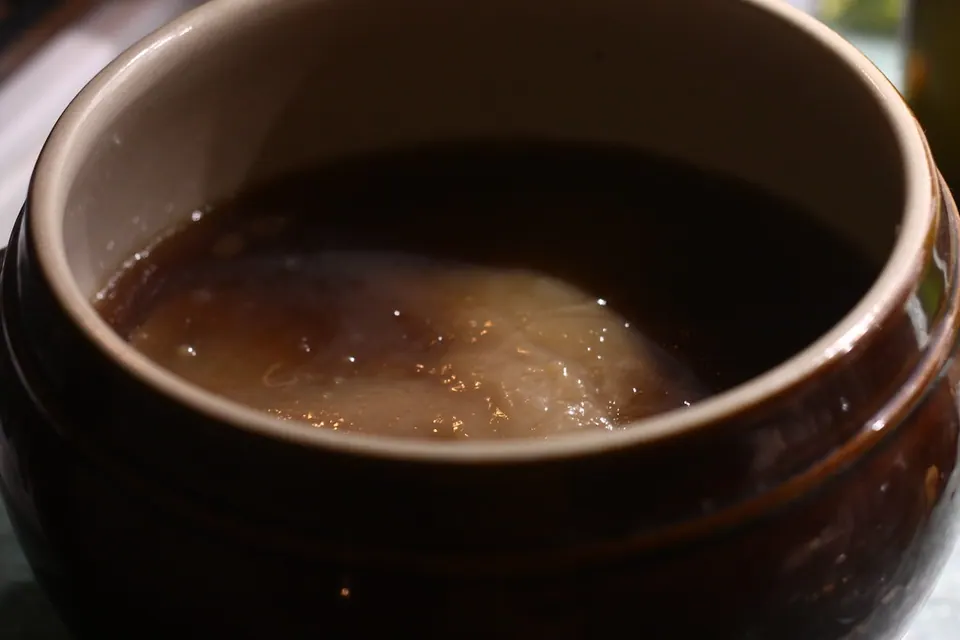
- How to make kombucha safely: sweet tea, a SCOBY and starter liquid in a glass or food-grade plastic jar, covered with cloth, at room temperature.
- Virginia Tech Extension: monitor with a calibrated pH meter until the brew reaches pH 4.2 or lower, and do not let it fall below 2.5.
- Never brew or store kombucha in ceramic, glazed earthenware or lead crystal: CDC and UGA warn the acid can leach toxic metals.
- Fuzzy, dry mold on the SCOBY or surface means discard everything, per UGA.
- Kombucha contains some alcohol and keeps fermenting in the bottle. UGA advises people who are pregnant, lactating, immunocompromised or prone to acidosis not to drink it; we don’t recommend homemade kombucha for children.
How to make kombucha safely is a better question than how to make it fast, because kombucha is an acidic fermented tea made with a mixed culture of yeast and bacteria, and the acidity is what keeps harmful microbes out. Get the acidity, the container and the cleanliness right and the rest is taste.
This guide is built on three public sources: Virginia Tech Extension FST-297 (kombucha brewing under the FDA Food Code), University of Georgia Extension C1312 (“What’s the word on homemade kombucha?”) and the CDC’s 1995 MMWR report on illness possibly associated with kombucha. We make no health claims for kombucha; we summarize safety guidance and maker listings and did not brew these kits.
Who should not drink homemade kombucha
UGA Extension says consumption is “not advised as potential health risks are unknown” for people with a susceptibility to acidosis or a weakened immune system, and for people who are pregnant or lactating. People who have been told to avoid alcohol should know that kombucha contains some, and UGA suggests checking alcohol content first.
The CDC’s 1995 report described two cases of severe lactic acidosis, one fatal, in people who drank homemade kombucha daily; the cause was not established. The CDC noted that about 4 oz a day “may not cause adverse effects in healthy persons” and that risks for people with health problems are unknown.
We don’t recommend homemade kombucha for children. It contains some alcohol, it is acidic, and the risks are not well studied; ask a pediatrician. This is our policy, not a statement from UGA or the CDC.
Containers and equipment
What to brew and store kombucha in
| Material | OK? | Why |
|---|---|---|
| Glass jar (plain, not lead crystal) | ✓ | Non-reactive; easy to see the SCOBY and mold |
| Food-grade plastic | ✓ | Virginia Tech: non-metallic, food-grade containers |
| Ceramic, glazed earthenware, crockery | ✗ | CDC and UGA: acid can leach lead or other toxic elements from glazes |
| Lead crystal | ✗ | CDC: do not brew or store kombucha in it |
| Metal vessels | ✗ | Virginia Tech specifies non-metallic fermentation containers |
| Cloth or coffee-filter cover with a band | ✓ | Lets air in and keeps insects out (Virginia Tech) |
Source: CDC MMWR 1995; UGA C1312; Virginia Tech FST-297
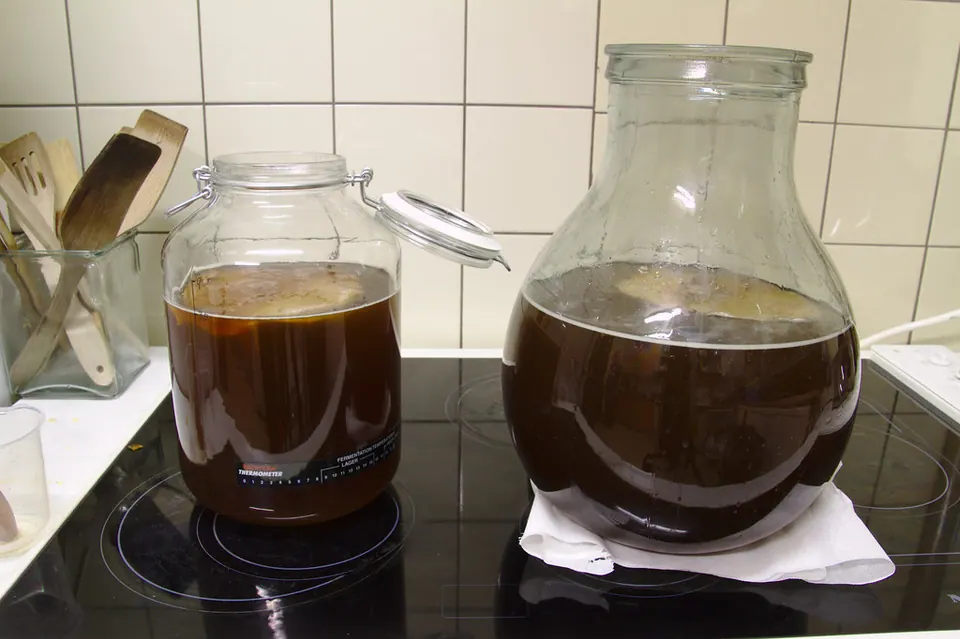
Some kombucha dispensers are sold in stoneware. Given the CDC and UGA advice on ceramic and glazed earthenware, stick to plain glass or food-grade plastic for brewing and storage.
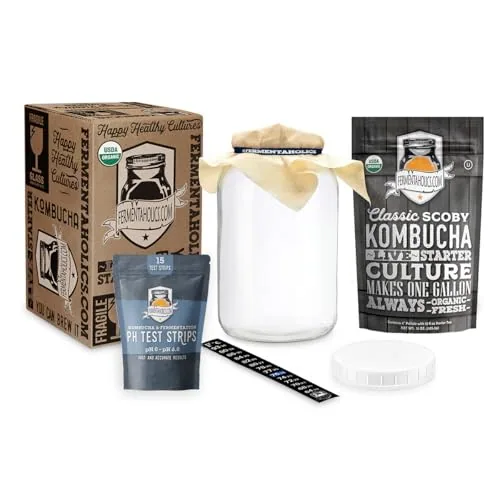
Fermentaholics Kombucha Essentials Kit
- Batch size
- 1 gal
- Type
- Kombucha starter kit
- Includes
- Organic SCOBY, jar, cover, pH strips, thermometer
Best for Kombucha on a budget
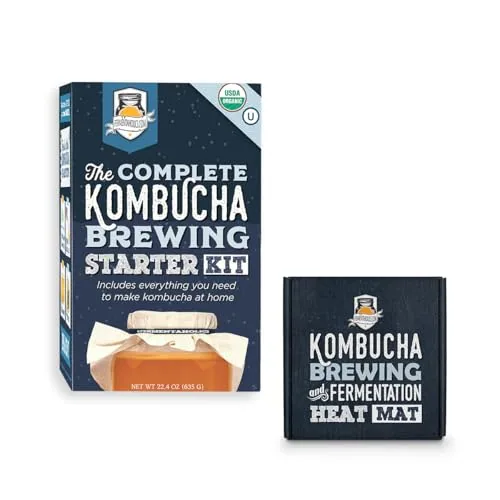
Fermentaholics Deluxe Kombucha Brewing Kit, 1 gal
- Batch size
- 1 gal
- Type
- Kombucha starter kit
- Includes
- SCOBY + 12 fl oz starter tea, 1 gal jar, tea
Best for A complete first kombucha setup
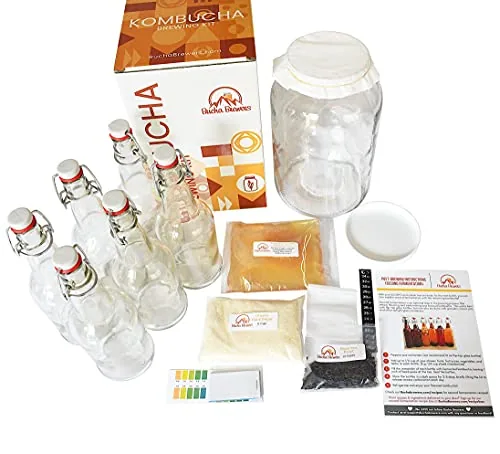
Bucha Brewers Deluxe Kombucha Kit with 6 Swing-Top Bottles
- Batch size
- 1 gal
- Type
- Kombucha kit
- Includes
- SCOBY, starter tea, 6 swing-top bottles
Best for Flavored, bottled kombucha
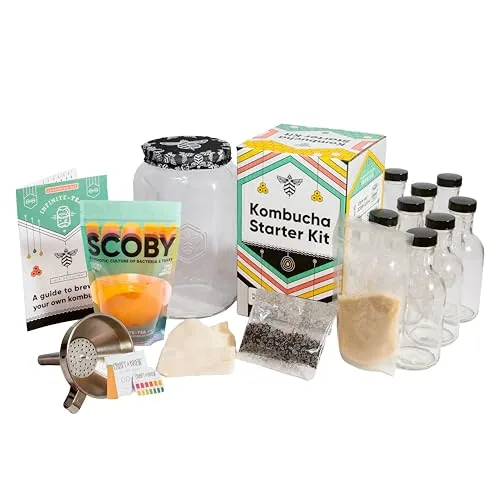
Craft A Brew Kombucha Deluxe Starter Kit
- Batch size
- 1 gal
- Type
- Kombucha kit
- Includes
- SCOBY, 8 x 16 oz bottles, funnel, strainer, pH strips
Best for Brewing and bottling kombucha
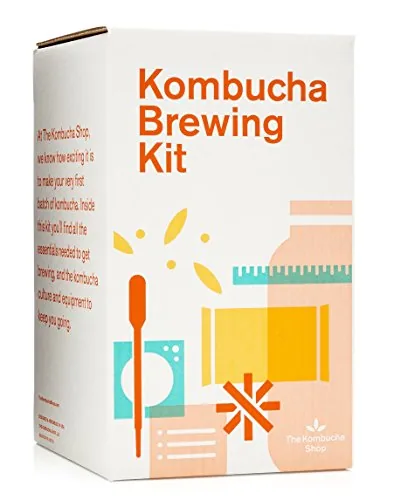
The Kombucha Shop Organic Kombucha Starter Kit, 1 gal
- Batch size
- 1 gal
- Type
- Kombucha starter kit
- Includes
- Culture, equipment, instructions
Best for A tidy first kombucha kit
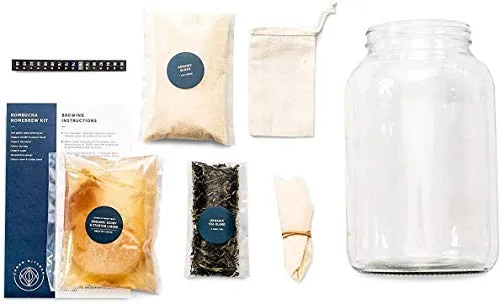
Urban Kitchen Kombucha Starter Kit
- Batch size
- 1 gal
- Type
- Kombucha starter kit
- Includes
- SCOBY, starter liquid, jar, cover, temp gauge, tea, sugar
Best for Everything for a first kombucha
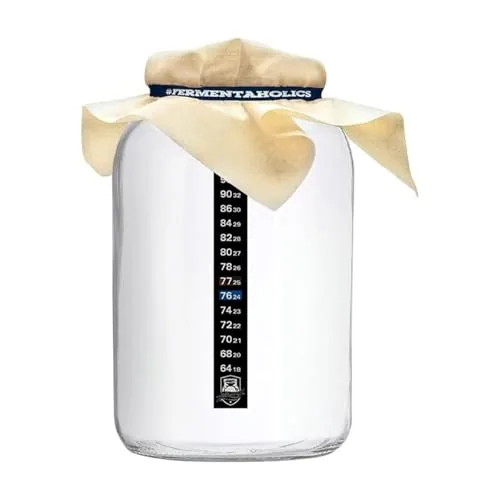
Fermentaholics 1 gal Glass Kombucha Jar with Muslin Cover
- Type
- 1-gallon glass jar
- Includes
- Muslin cover, rubber band, plastic lid, temp strip
Best for A first kombucha batch
Measure the pH properly
Virginia Tech says to use a calibrated pH meter and follow the maker’s calibration instructions. pH strips in kits give a rough reading, but the 4.2 line is where precision matters, so a food pH meter with calibration buffers is the better tool.
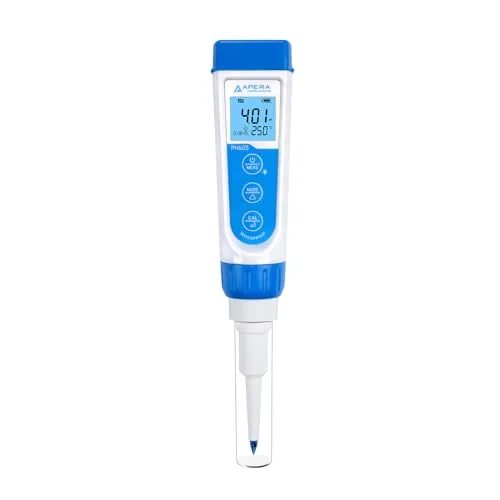
Apera PH60S Food pH Meter Kit (Spear Electrode)
- Range
- −2.00 to 16.00 pH
- Accuracy
- ±0.01 pH
- ATC
- Yes
Best for Kombucha and wine pH checks
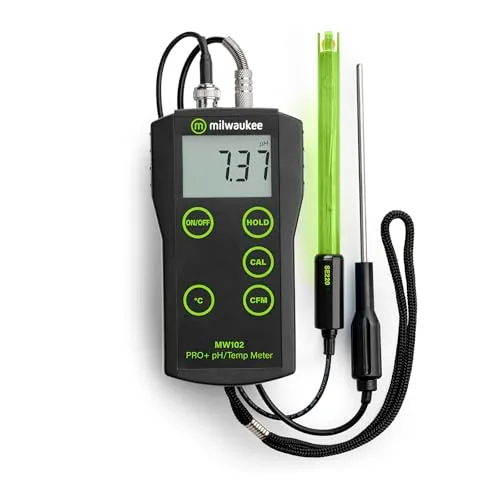
Milwaukee MW102 Portable pH/Temperature Meter
- Range
- −2.00 to 16.00 pH
- Accuracy
- ±0.02 pH
- ATC
- Yes, stainless temperature probe
Best for Checking mash and wine pH
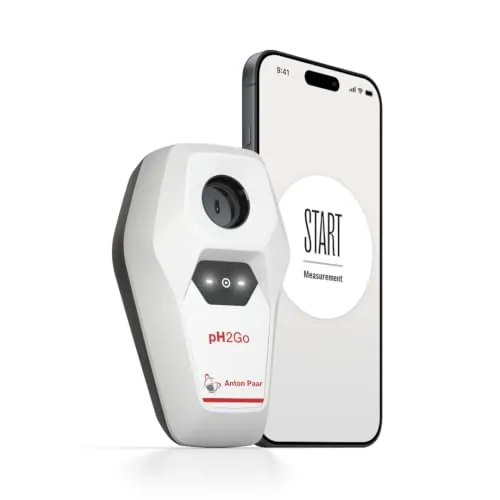
Anton Paar pH2Go Digital pH Meter
- Accuracy
- ±0.02 pH
- ATC
- Yes
- Connectivity
- Meister mobile apps
Best for Brewers who dislike fragile glass electrodes
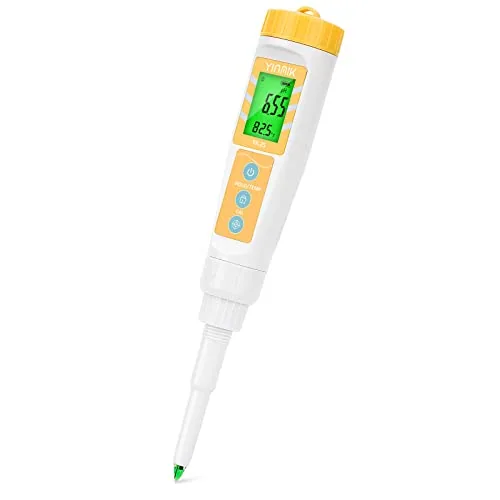
YINMIK YK-2S Food pH Meter (Spear Probe)
- Range
- 0.00–14.00 pH
- Accuracy
- ±0.1 pH
Best for Rough pH checks
The pH window: 4.2 down to 2.5
Kombucha pH targets
Virginia Tech Extension FST-297
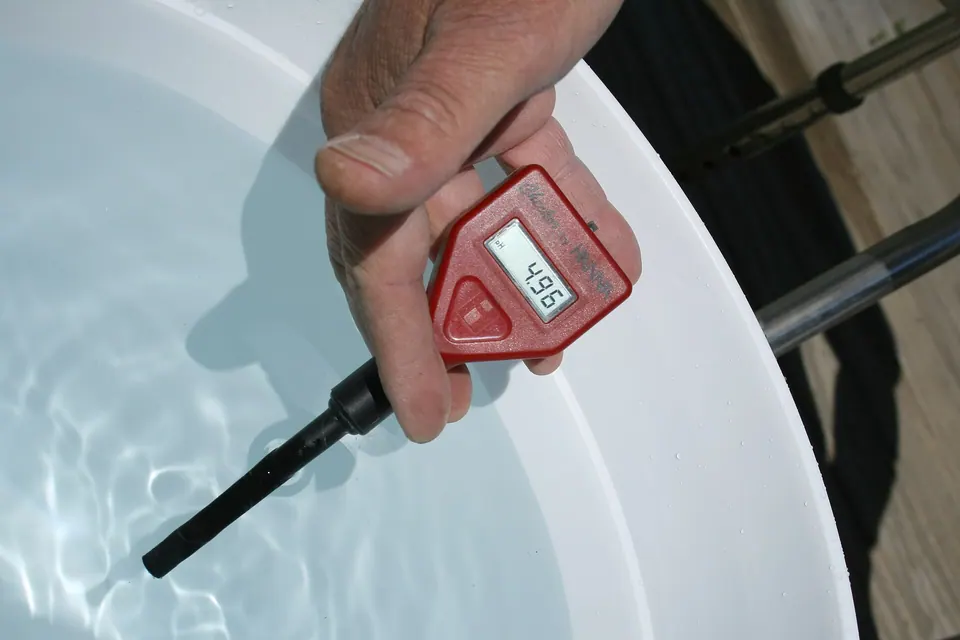
Virginia Tech’s guidance is to monitor pH during fermentation until the product reaches 4.2 or below, and not to let it fall below 2.5 because that becomes dangerously acidic. UGA also warns against letting kombucha become too acidic. Mold is more likely when the brew is not acidic enough, which is why starter liquid from a previous batch goes in at the start: it lowers the pH right away.
How to make kombucha safely, step by step
- Clean and sanitize
UGA: wash equipment with warm water and dish soap; to sanitize, submerge it in water of at least 171°F for at least 30 seconds, or use a no-rinse sanitizer at label dilution. Let glass cool before adding liquids so it does not crack.
- Brew sweet tea
Steep tea in hot water, dissolve the sugar your kit or recipe calls for, remove the tea and let it cool to room temperature. Hot tea kills the culture.
- Add starter liquid and the SCOBY
Pour the cooled tea into the jar, add the starter liquid that came with the SCOBY (it lowers the pH at once), then the SCOBY. Do not share or accept SCOBYs of unknown history; Virginia Tech advises against sharing them.
- Cover and ferment
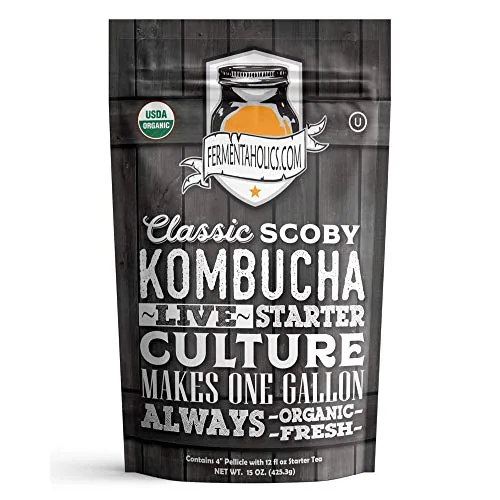
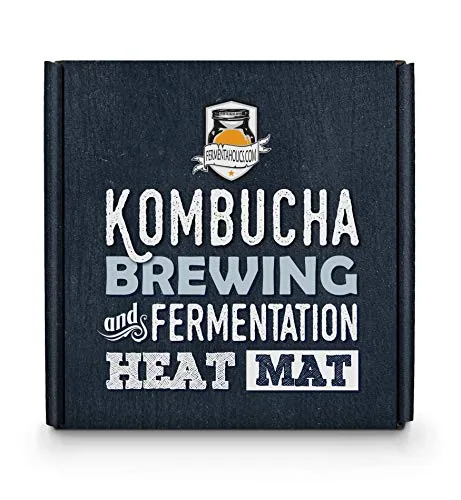
Cover with a tight-weave cloth or coffee filter secured with a band, away from direct sun. Many kits suggest the mid 70s °F; a heat mat helps in a cold room (Fermentaholics lists a 75–85°F target).
- Check pH and look for mold
Measure pH with a calibrated meter. Keep going until it reads 4.2 or lower. Fuzzy, dry patches of white or colored mold mean discard the tea and the SCOBY, then clean and sanitize the jar (UGA).
- Taste and decide
Once the pH is in range, taste. Longer fermentation makes it more sour and lowers the pH further; stop before it nears 2.5.
- Bottle and refrigerate
Reserve starter liquid for the next batch, bottle the rest and refrigerate. Fermentation continues in the bottle, building pressure and alcohol, so cold storage matters.
- Log each batch
Note dates, temperature and pH readings in the brew-day log.
Alcohol and carbonation in kombucha
Kombucha yeast make alcohol, and bacteria turn some of it into acids. How much remains depends on time, temperature and the culture. Virginia Tech notes that commercial kombucha above 0.5% ABV is regulated as an alcoholic beverage by TTB and that alcohol can rise in unpasteurized product during storage. Homemade kombucha is not tested, so treat it as possibly containing alcohol: people avoiding alcohol, anyone driving, and people under 21 should skip it.
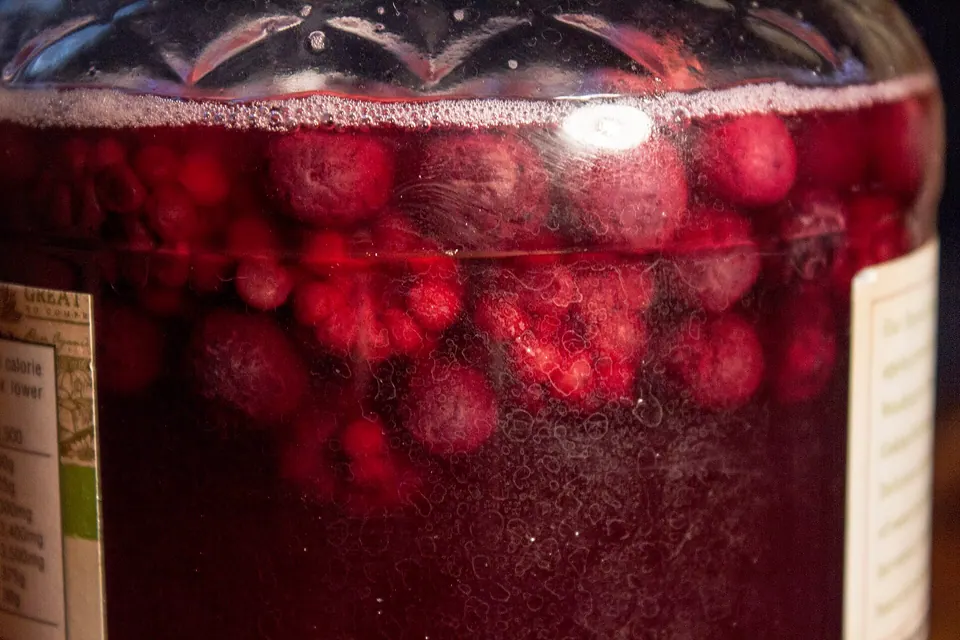
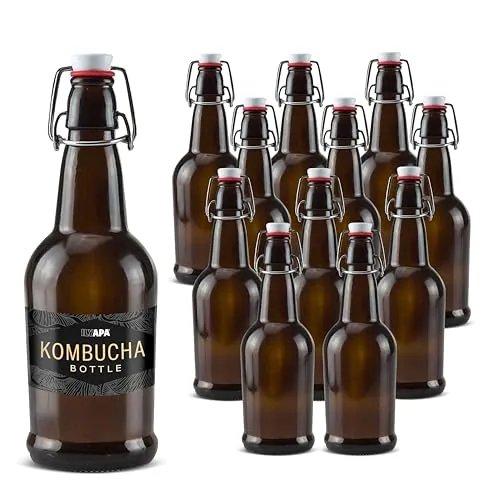
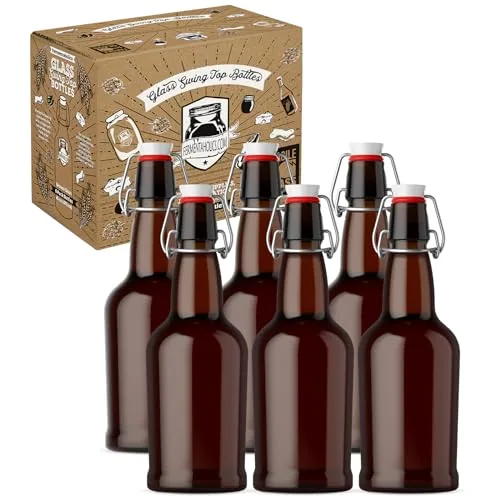
A second fermentation in sealed bottles with fruit or juice adds sugar and makes it fizzy. It also builds pressure. Use bottles made for carbonation (swing-tops or crown-cap bottles), fill them in a closed box, “burp” or chill them after a day or two, and refrigerate. Read how to bottle homebrew for the bottle-bomb basics.
Cleaning, sanitizing and SCOBY care
Kombucha brewers borrow a lot from beer and wine sanitation. Clean first with warm water and an unscented dish soap or brewery cleaner, rinse well, then sanitize. UGA’s method is hot water of at least 171°F for at least 30 seconds; a no-rinse sanitizer used at label dilution is the other common route. Residue from scented soaps can affect the culture, so rinse thoroughly. The difference between the two steps is covered in cleaning vs sanitizing.
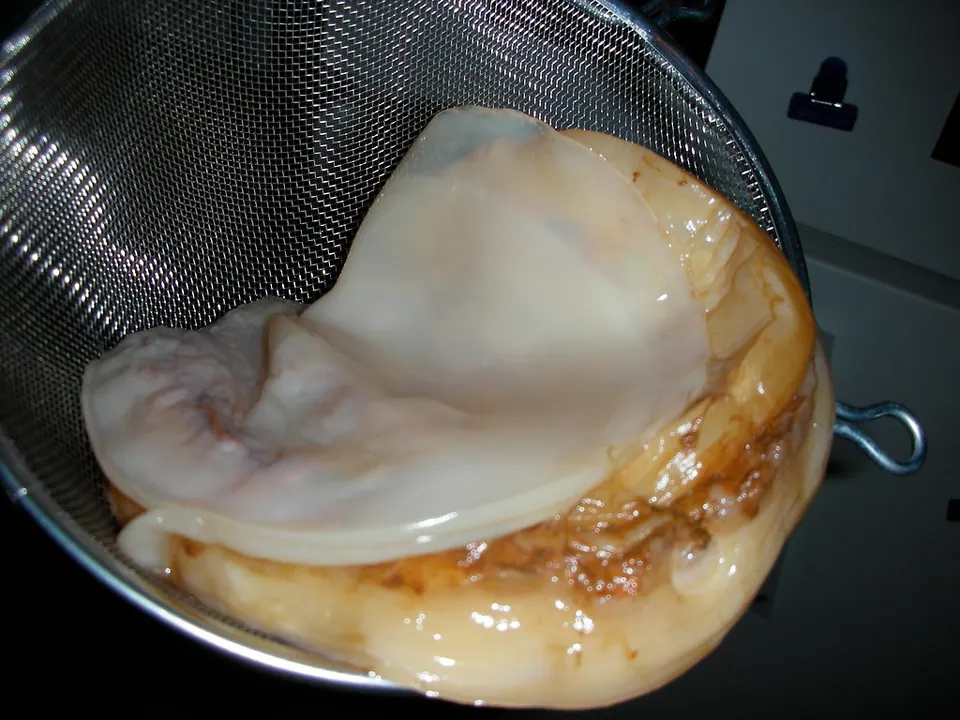
Between batches, keep the SCOBY in a covered glass jar with enough finished kombucha to cover it; the acidic liquid protects it. A SCOBY hotel at room temperature, away from fruit flies, is the usual approach.
When to replace it: if a SCOBY grows mold, smells rotten or unlike vinegar, or the batches stop reaching pH 4.2, discard it and start with a fresh culture from a known source. Virginia Tech advises against sharing SCOBYs, which also rules out taking one of unknown history from a friend.
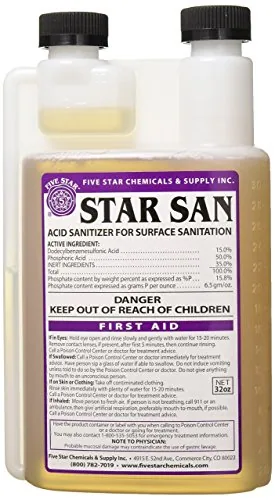
Five Star Star San Acid Sanitizer, 32 oz
- Type
- Acid sanitizer, high-foaming
- Use
- Sanitizer; no-rinse at label dilution
- Size
- 32 fl oz
Best for Sanitizing everything that touches cooled wort
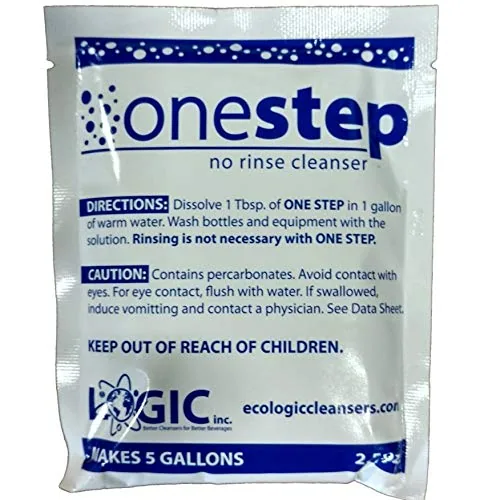
Logic OneStep No-Rinse Cleanser, 2.5 oz
- Type
- Oxygen-based powder
- Use
- No-rinse cleanser; 2-minute contact time
- Size
- 2.5 oz
Best for A first small batch
Common kombucha mistakes
- Skipping the starter liquid. Without it the tea starts at a high pH, where mold has an opening.
- Trusting strips at the 4.2 line. Use a calibrated meter as Virginia Tech advises.
- Ceramic or crystal vessels. CDC and UGA advise against them.
- Scraping off mold and carrying on. UGA: discard the tea and the SCOBY.
- Leaving bottles warm for days. Pressure and alcohol keep rising.
- Believing the marketing. This site makes no health claims for kombucha; treat it as a homemade drink with real safety rules, not a remedy.
Which kit should you start with?
A 1 gal kit with a glass jar, cloth cover and SCOBY with starter liquid is the simplest start; add a calibrated pH meter if the kit only includes strips. Kits that include swing-top bottles save a step for second fermentation. Browse the wine, cider, mead and kombucha category or the beyond beer hub; meters are in hydrometers and meters. The AHA’s Home Fermentation Day in August is a natural time to start one; see the seasonal calendar.
Gear picks for this guide: best kombucha starter kits and best pH meters for brewing.
ABV calculatorWork out ABV from OG and FG with the standard and high-gravity formulas, hydrometer temperature correction,…Printable brew-day log and recipe sheetFree brew-day log: record recipe, water and salts, mash, gravities, yeast, fermentation temperatures,…