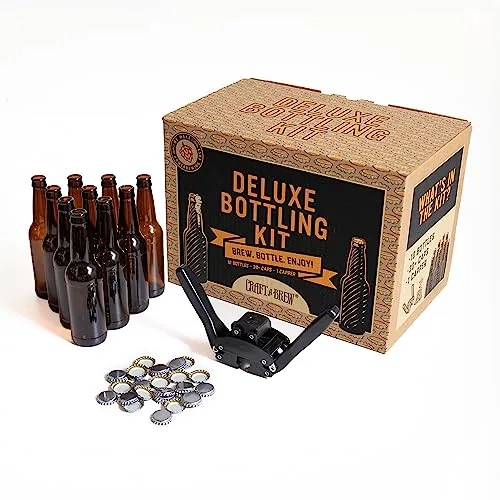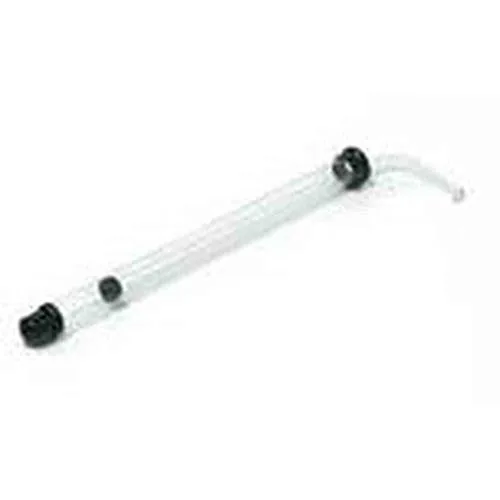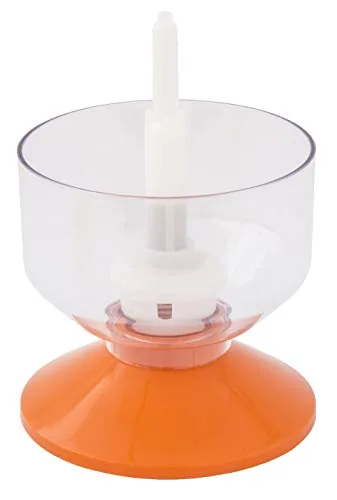
FastRack
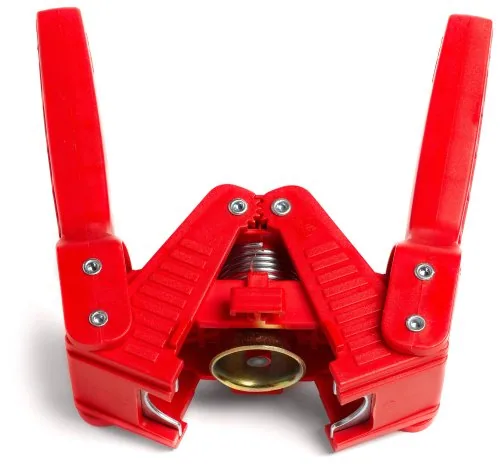
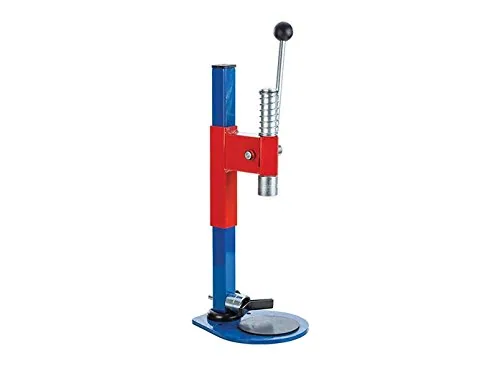
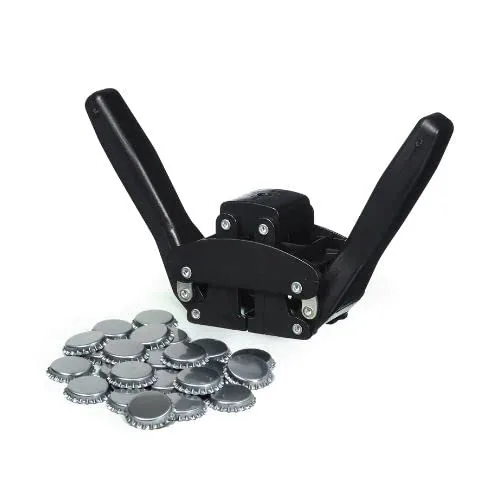
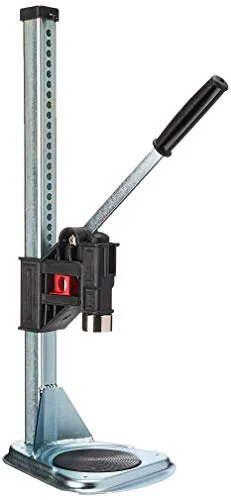
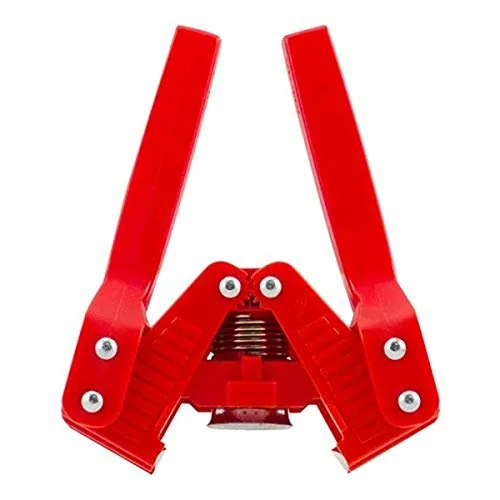
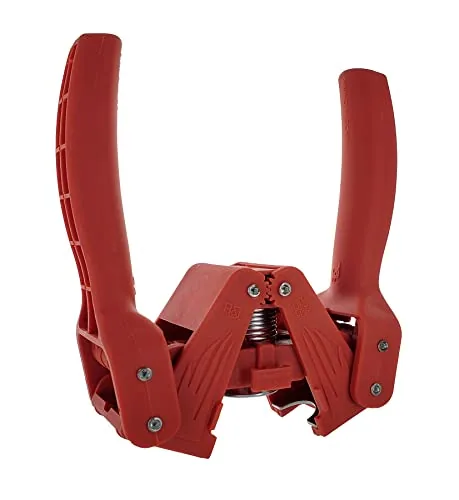
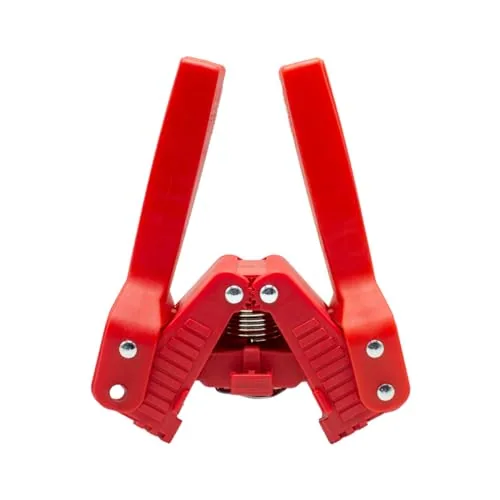
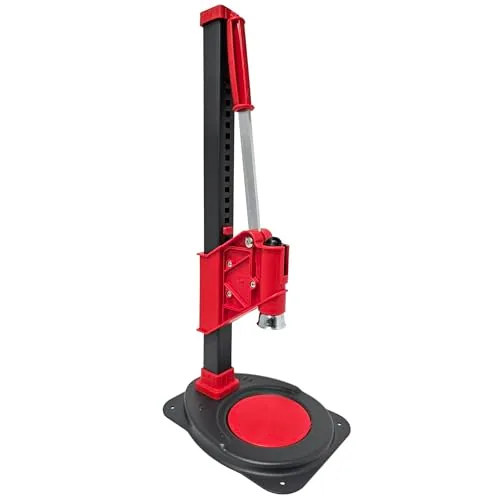
Ferrari Super Agata Bench Capper
- Type
- Adjustable bench capper
- Cap size
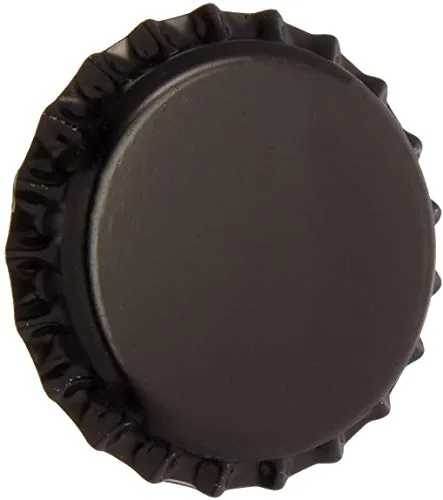
- Standard crown
Best for Bottling 5-gallon batches
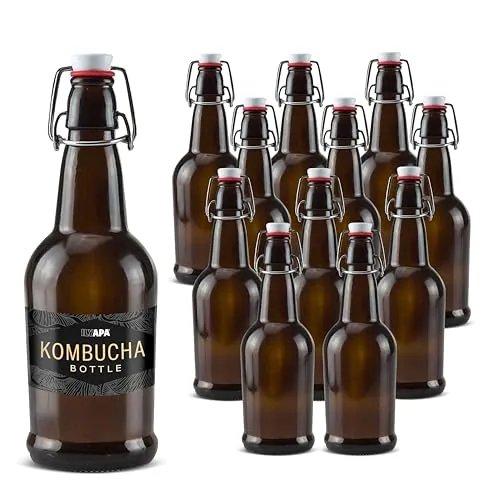
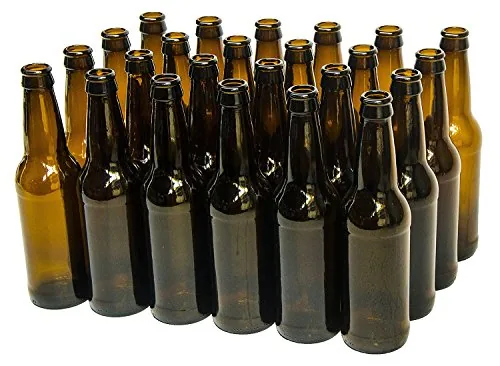
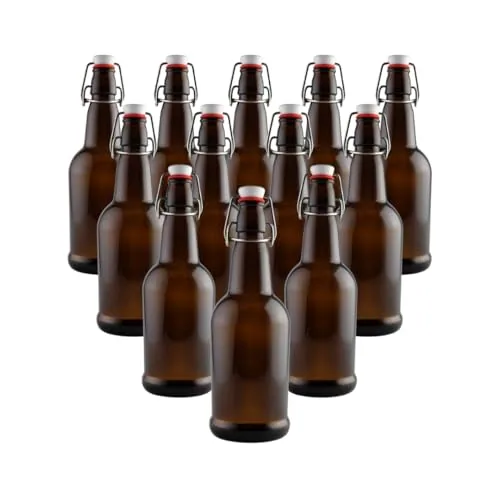
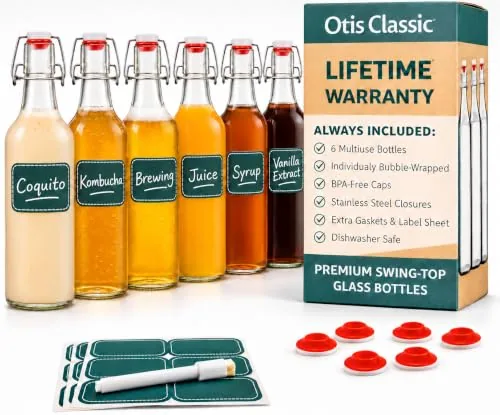
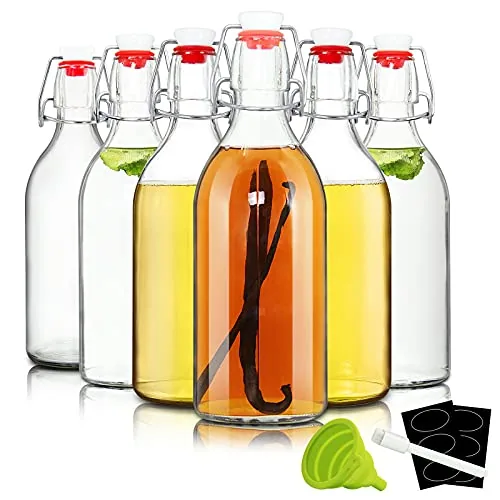
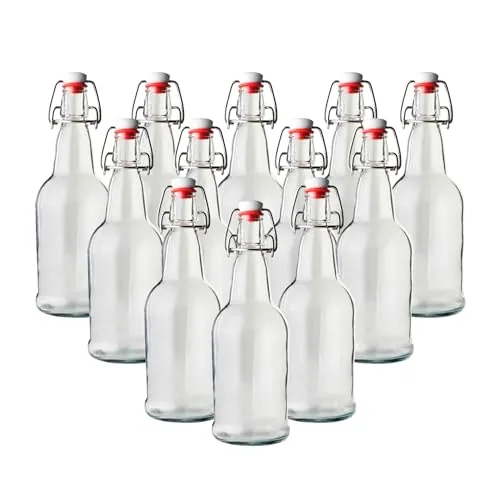
Pry-off and swing-top bottles, bench and wing cappers, bottle fillers, bottling buckets and priming sugar, plus the safe carbonation limits for glass.
Best for Bottling 5-gallon batches
Best for A first bottling day
Best for Racking and bottling 5-gallon batches
Best for Bottle-day setup
Best for First bottling day
Best for Beer and champagne bottles
Best for Starting to bottle
Best for Fast one-hand capping
Best for Beer and larger crown caps
Best for Bottling small batches
Best for Priming without measuring
Best for One 5-gallon bottling day
Best for Capper-free bottling
Best for Gift-ready homebrew bottles
Best for Kombucha second ferment
Best for Rinsing bottles fast
Best for First bottling setup
Best for Bottle-conditioning a 5-gallon batch
Best for First-time bottlers
Best for High-volume bottling
Best for Bottling 5-gallon batches
Best for Completing a 1-gallon kit
Best for 1-gallon batches
Best for Standard bottling
Best for Faster bottle sanitizing
Best for Faster transfers from carboys
Best for Fewer bottles per batch
Best for Racking plus bottling in one kit
Best for Bottle-day prep
Best for Bottling without a capper
Best for Replacing a bottling bucket
Best for Spare spigots
Best for Sharing a half gallon
Best for Budget capping
Best for Budget capping
Best for Budget capping
Best for Bulk bottling
Best for Color-coding batches
Best for Sparkling cider or mead in champagne bottles
Best for Bottling a Mr. Beer batch
Best for Standard bottling
Best for Budget swing-tops
Best for Cider and kombucha
Best for Small batches
Best for Drying bottles after sanitizing
Best for Spare bottling wand
Best for BrewDemon kits
Best for Spare auto-siphon
Best for Second-ferment kombucha and small beer batches
Best for Small-batch bottling
Best for Simple bottle priming
Best for Cider, mead and kombucha
Best for Small-jug transfers
Best for Half-liter pours
Best for Moving from PET to glass
Best for Adjustable per-bottle priming
Best for Wine and bomber bottles
Best for Spare bottling wand
Best for Sanitizing bottles quickly
Best for Racking from carboys
Best for Even fills without a wand
Best for Budget auto-siphon
No product matches every filter. Clear one to see more.
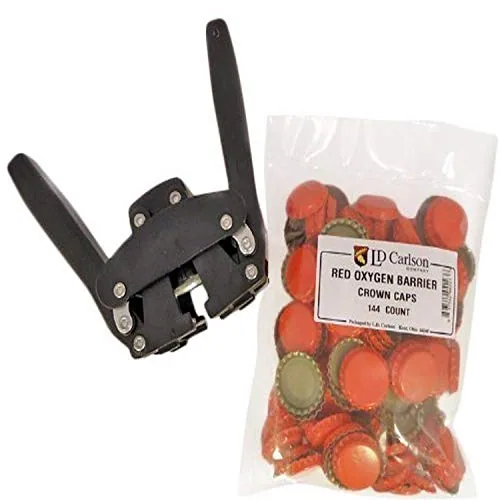
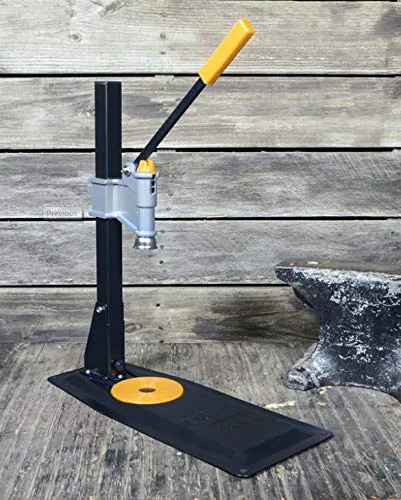
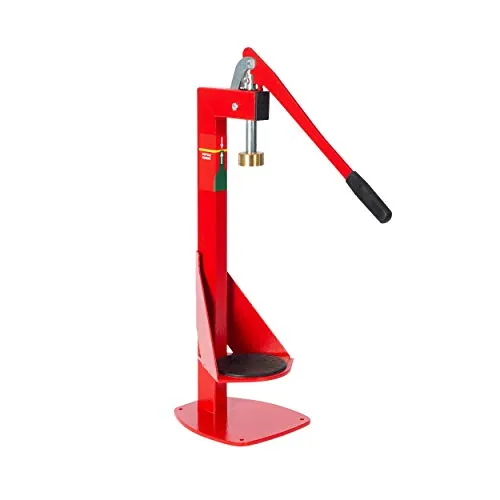
A bottle capper is the one bottling tool you buy once. Wing (two-lever) cappers are small and cheap; bench cappers stand on their own, handle odd bottle heights and are easier on your wrists across 50 bottles. Check the bell: most US beer bottles take a standard 26 mm crown, while Belgian and champagne bottles may need 29 mm.
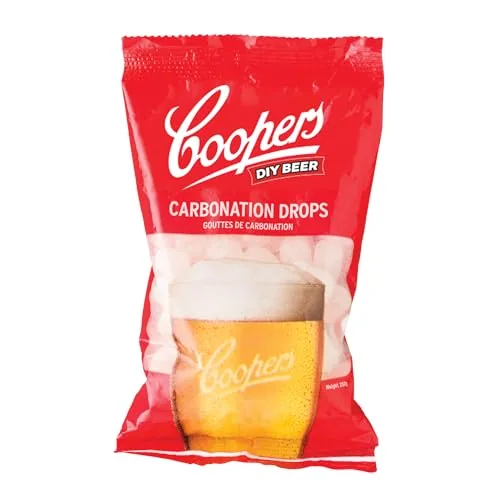
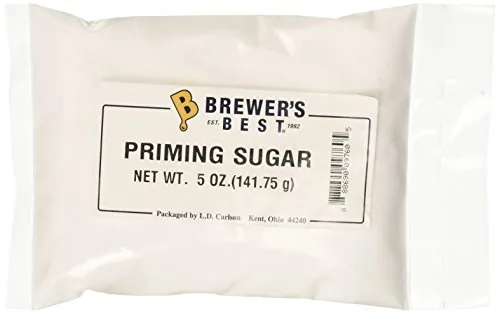
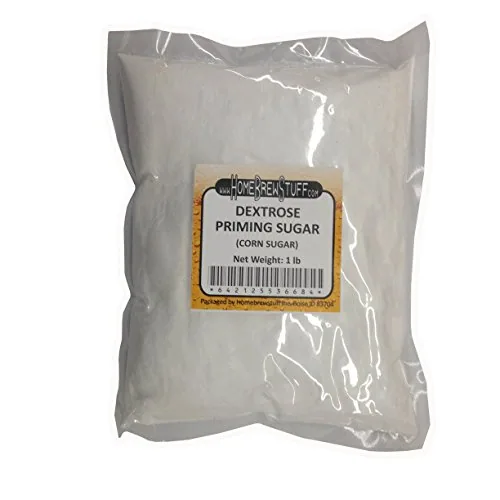
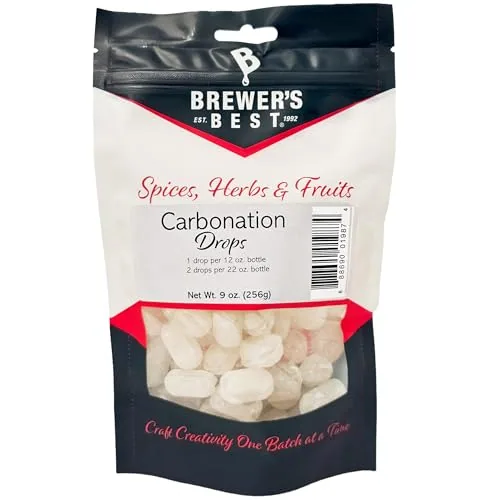
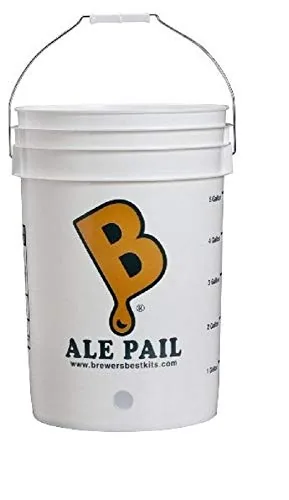
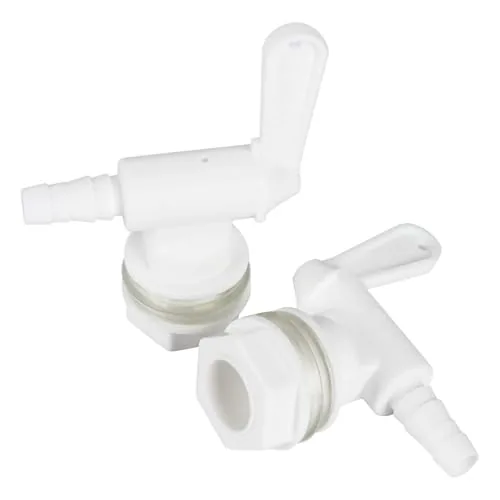
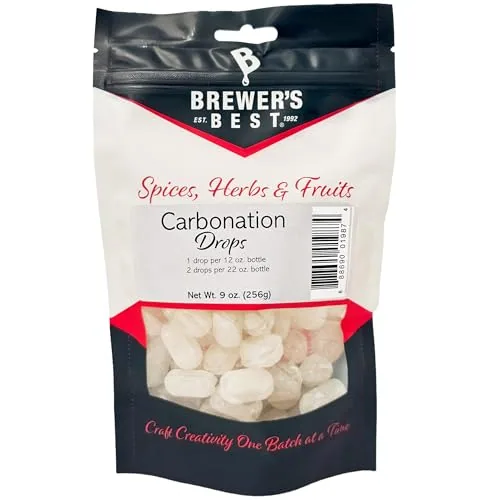
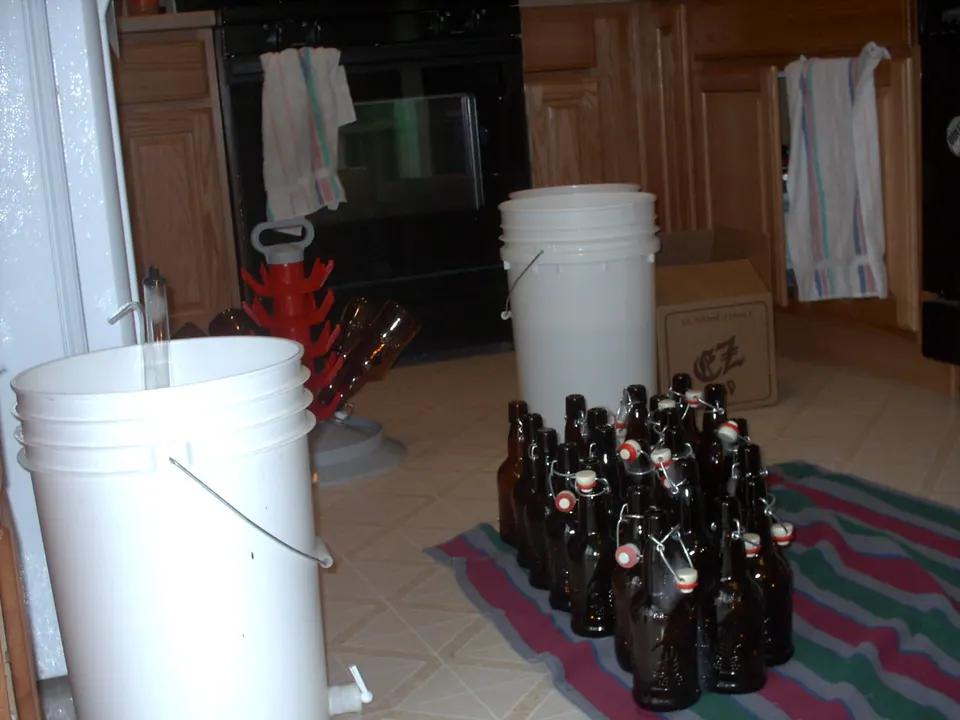
The rest of the kit is simple: a bottling bucket with a spigot, a spring-tip filler, an auto-siphon, caps and priming sugar or carbonation drops. A 5 gal (19 L) batch fills about 53 bottles of 12 oz, or about 40 of 16 oz.
Best for Bottling 5-gallon batches
Best for Budget capping
Best for Beer and larger crown caps
Best for Fast one-hand capping
Best for First bottling day
Best for Budget capping
Carbonation is measured in volumes of CO2. British ales sit low, German wheat beers high. Standard 12 oz pry-off bottles are not meant for more than about 3.0 volumes; above that, use heavy Belgian or champagne bottles.
CO2 volumes by style family (bottle or keg)
| Style family | Volumes of CO2 | Bottle-safe? |
|---|---|---|
| British ales | 1.5–2.2 | ✓ standard bottles |
| American ales | 2.2–3 | ✓ standard bottles |
| European lagers | 2.4–2.6 | ✓ standard bottles |
| American lagers | 2.5–2.8 | ✓ standard bottles |
| Belgian ales | 2–4.5 | ~ standard bottles only to about 3 vol |
| German weizen | 2.8–5.1 | ~ standard bottles only to about 3 vol |
Style ranges: BYO: Carbonation priming chart. Standard 12 oz pry-off bottles are not meant for more than about 3.0 volumes. Bottle only after the gravity reads the same 2–3 days in a row.
Priming sugar calculatorGrams of corn sugar, table sugar or DME by style and the warmest temperature the beer reached.Best for A first bottling day
Best for Capper-free bottling
Best for Racking and bottling 5-gallon batches
Best for Bottle-day setup
Best for Priming without measuring
Best for Simple bottle priming
Related reading: best beer guns and counter-pressure fillers and best hydrometers for homebrewing.
 Best of
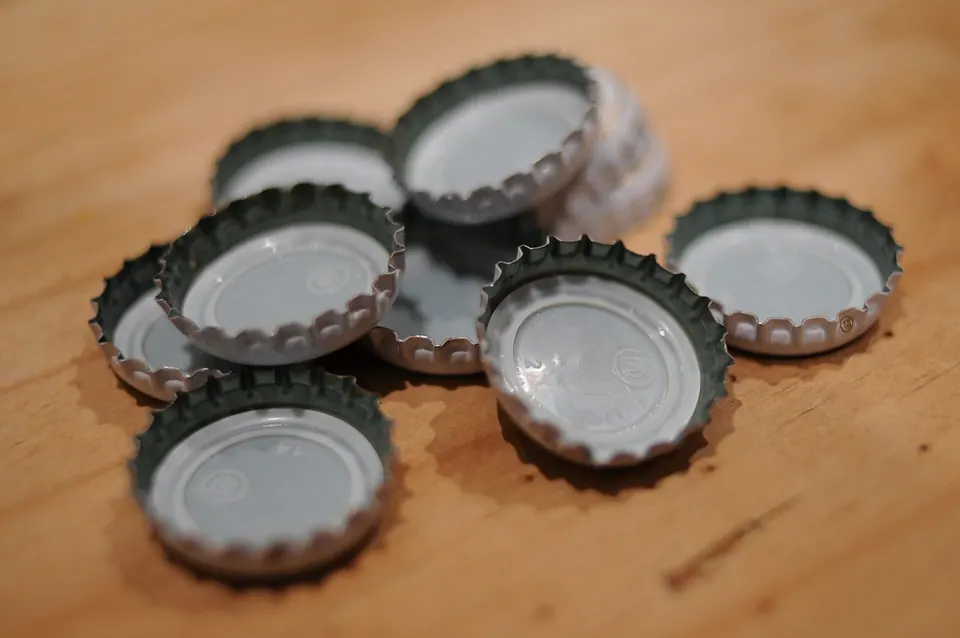
The best bottle capper for homebrew: bench and two-lever cappers compared by 26 and 29 mm cap fit, bottle height…
 Best of
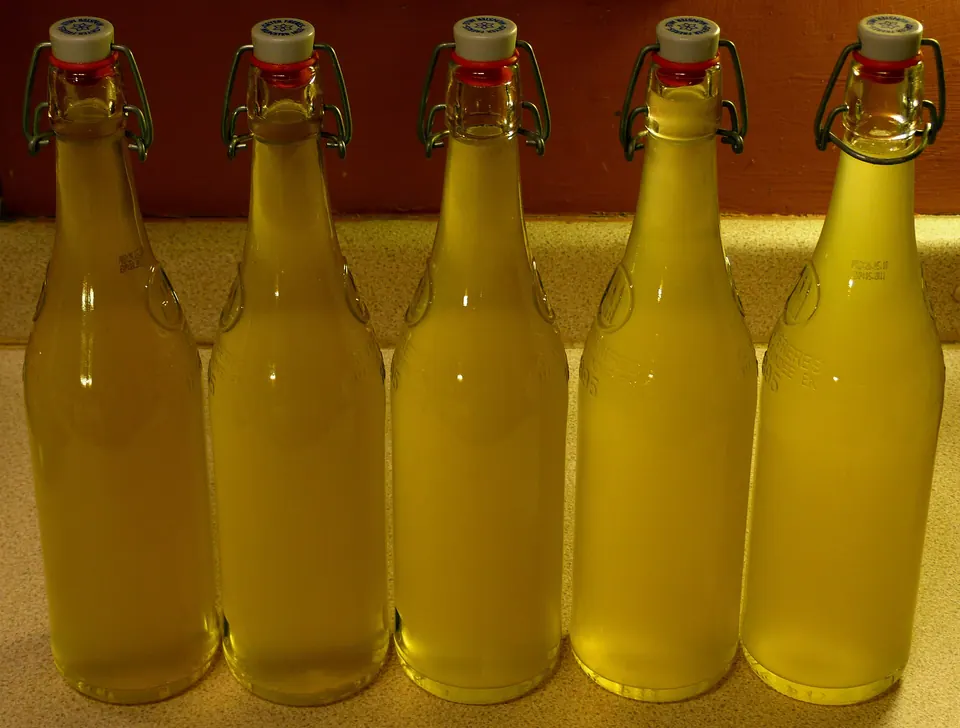
The best beer gun or counter-pressure bottle filler for bottling from a keg: Tapcooler, Nukatap, Eagle, Medusa and…
 Versus
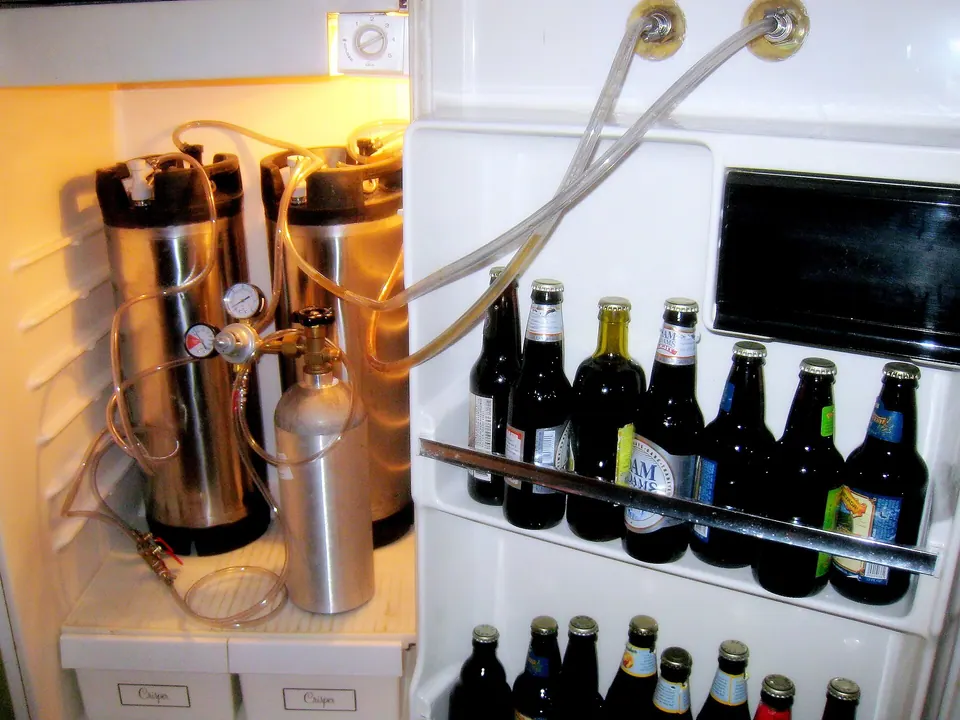
Bottling vs kegging homebrew: packaging time, carbonation control, CO2 safety and the gear each needs for 5 gallons,…
 Guide
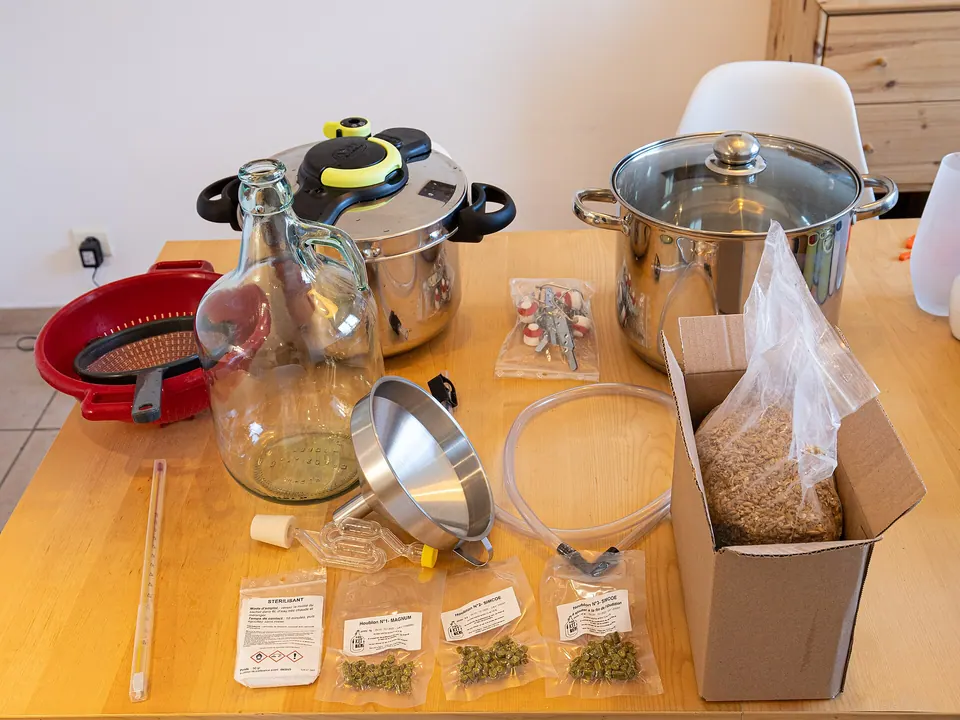
A homebrew equipment checklist by stage: boil, chill, ferment, measure, clean and package, with what kits include,…
 Guide
How to bottle homebrew step by step: confirm final gravity, weigh priming sugar, fill and cap, condition at room…
 Guide
Carbonation explained for homebrewers: what volumes of CO2 mean, style targets, residual CO2, priming sugar vs forced…