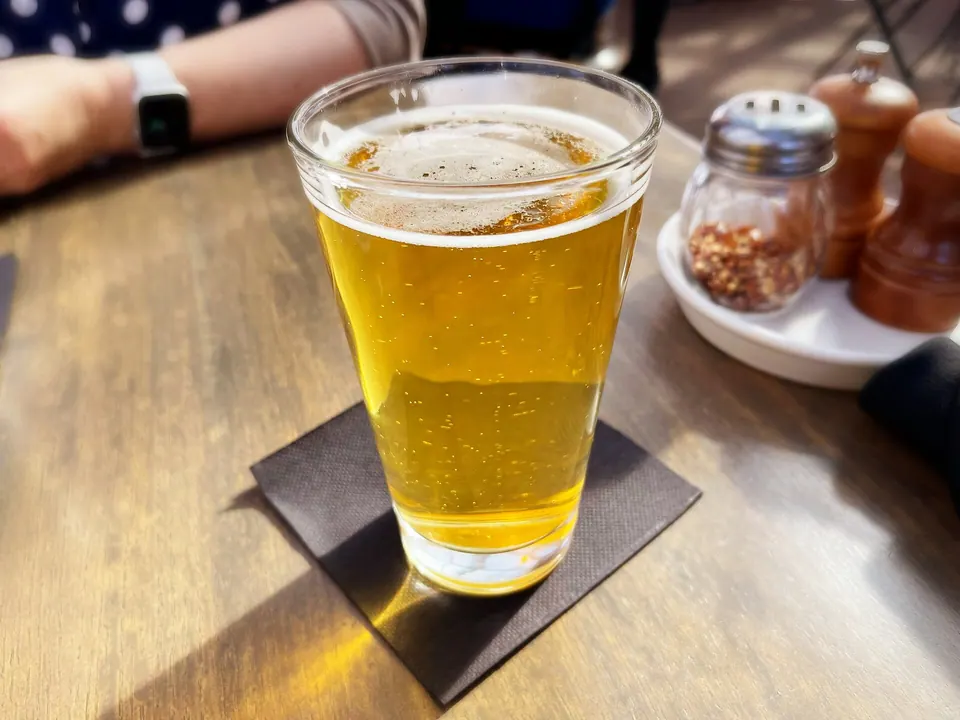
- Low and no-alcohol homebrewing works by making less alcohol in the first place: low-gravity recipes, less fermentable wort and maltose-negative yeast.
- Maltose-negative yeasts skip maltose and maltotriose: Lallemand lists LalBrew LoNa at 16–20% attenuation; Fermentis lists SafBrew LA-01 at 15% for beverages under 0.5% ABV.
- Lallemand’s LoNa sheet says pasteurization is required to prevent refermentation and calls for sterile cold-side additions; sweet, low-alcohol beer spoils easily.
- We don’t cover boiling, distilling or freezing alcohol out of beer. Distilling is illegal at home without a federal permit.
- A 3–3.5% “small beer” from a regular recipe is the easiest, safest low-alcohol homebrew.
Low and no-alcohol homebrewing has grown with the commercial non-alcoholic beer market, and home brewers have three legitimate tools: brew a smaller beer, make the wort less fermentable, or use a yeast that cannot ferment the main malt sugars. All three keep alcohol low by not making it, rather than removing it afterwards.
This guide uses yeast maker data (Lallemand’s LoNa technical sheet and the Fermentis LA-01 product page), the standard ABV formula and published style numbers. We summarize those sources; we did not brew these beers. The catalogue currently has no maltose-negative yeast, so the picks below are recipe and process gear; buy LoNa or LA-01 from a homebrew shop that stores them as the makers require.
Three ways to brew low-alcohol beer
Low and no-alcohol approaches at home
| Approach | How it works | Typical result | Watch out for |
|---|---|---|---|
| Small beer (low OG) | Less malt, normal yeast | About 2.5–3.5% ABV | ✓ Easiest; can taste thin without body-building malts |
| Less fermentable wort | High mash temperature or short mash, more dextrins | Lower attenuation, more body | ~ Still a regular yeast; alcohol only drops so far |
| Maltose-negative yeast | Yeast ferments glucose, fructose, sucrose but not maltose or maltotriose | Very low; LA-01 targets under 0.5% ABV | ✗ Sweet, unfermented wort is vulnerable; makers specify pasteurization |
| Boiling, distilling or freezing alcohol out | Removing alcohol after fermentation | Not covered here | ✗ Distilling is illegal without a permit; we don’t cover any of these |
Source: Lallemand LoNa TDS; Fermentis LA-01; TTB
Maltose-negative yeasts: LoNa and LA-01
Normal brewing yeast eats glucose first, then maltose and maltotriose, the main sugars in malt wort. Maltose-negative yeasts stop after the simple sugars, so most of the wort sugar stays unfermented and alcohol stays low.
- LalBrew LoNa (Lallemand): a maltose-negative strain developed by non-GMO hybridization. The TDS lists 16–20% attenuation (lower with high-temperature mashing), 20–25°C (68–77°F), medium flocculation and a 50 g/hL pitching rate, with fermentation complete in 2–3 days in Lallemand’s standard 8°P wort. It is POF-negative and bred not to produce sulfur.
- SafBrew LA-01 (Fermentis): S. cerevisiae var. chevalieri selected for beverages under 0.5% ABV. Fermentis lists 15% apparent attenuation, 50–80 g/hL at 15–25°C (59–77°F), and that it uses glucose, fructose and sucrose but not maltose or maltotriose.
Apparent attenuation: normal vs maltose-negative yeast
Upper end of each maker’s listed range
Lallemand’s LoNa sheet says brewing with a maltose-negative yeast “requires a modified brewing process to ensure product safety and stability”: cold-side additions should be sterile, repitching is not recommended because of contamination risk, and “pasteurization is required to ensure product stability and prevent refermentation after packaging.” Low-alcohol beer full of unfermented sugar has none of the protection that alcohol gives normal beer. We don’t give a home pasteurization procedure; if you can’t follow the maker’s process, choose the small-beer route instead.
Source: Lallemand LoNa TDSHow much alcohol will my beer have?
The standard formula is ABV = (OG − FG) × 131.25. For a 1.030 wort, the yeast decides the outcome:
Same 1.030 wort, different yeast (estimates from attenuation)
| Yeast | Attenuation used | Estimated FG | Estimated ABV |
|---|---|---|---|
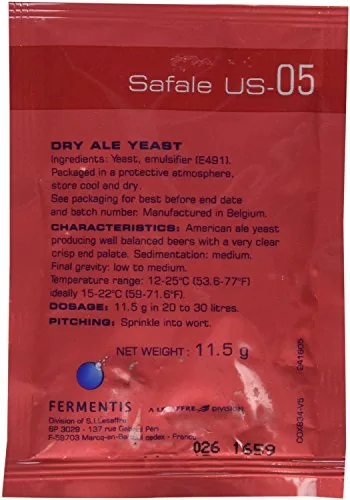
| Regular ale yeast (US-05) | 80% | 1.006 | About 3.2% |
| LalBrew LoNa | 18% | 1.025 | About 0.7% |
| SafBrew LA-01 | 15% | 1.026 | About 0.6% |
Source: Attenuation from maker sheets; ABV = (OG − FG) × 131.25
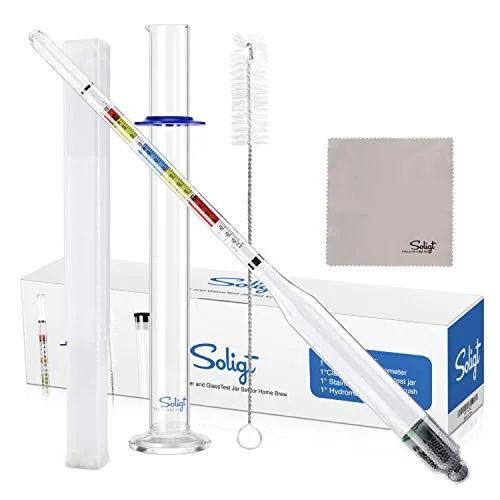
These are estimates. Real results depend on how much simple sugar your wort contains, the mash and the yeast health. Measure, and use the ABV calculator on your own readings. Note that hydrometer-based ABV is least accurate at very low strengths, so treat a homemade “non-alcoholic” beer as low-alcohol, not alcohol-free.
ABV calculatorOriginal and final gravity to ABV and standard drinks.Brewing a small beer, step by step
- Design for about 1.030–1.035
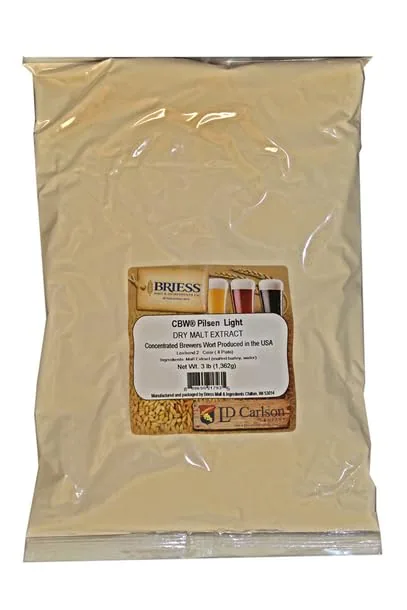
Scale a pale ale or bitter recipe down, or start from a light extract. Keep the hop schedule modest so bitterness does not overwhelm the thinner body.
- Build body
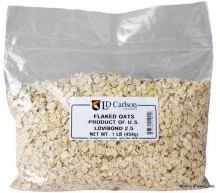
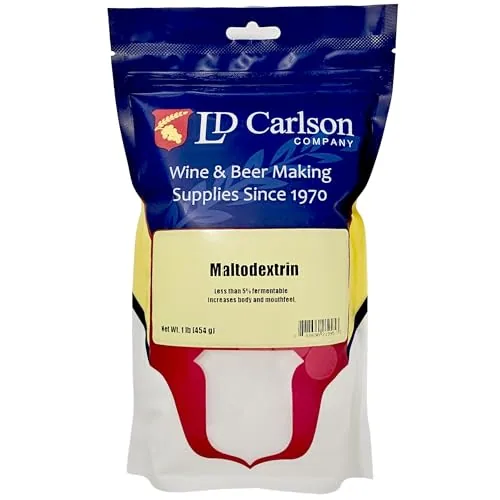
Add dextrin-rich grains, flaked oats or a little maltodextrin so the beer does not taste watery.
- Mash warm (all-grain)
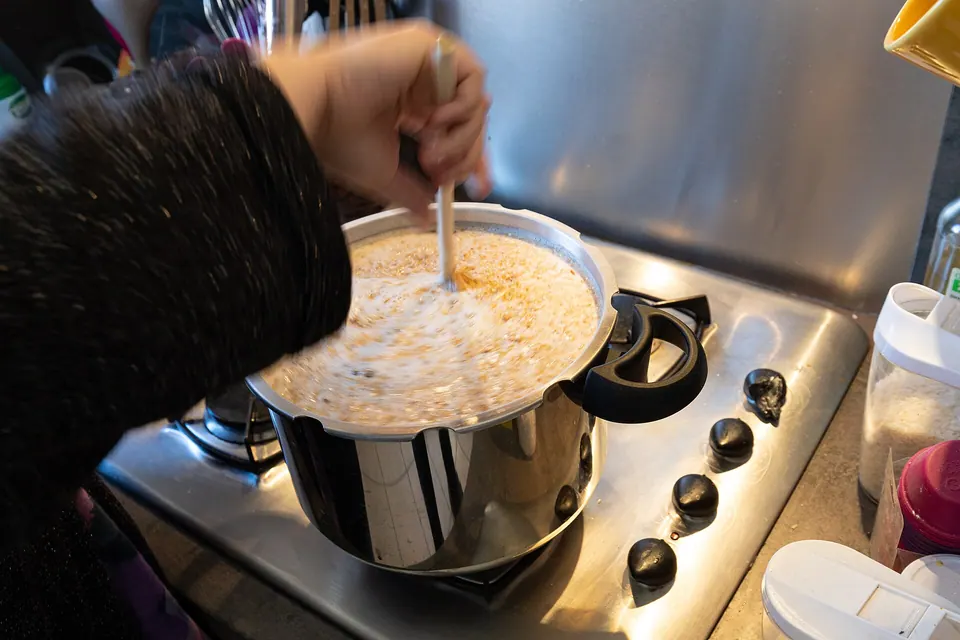
A higher mash temperature leaves more unfermentable sugars; Lallemand notes lower attenuation with high-temperature mashing even for LoNa. Get the water temperature right with the strike water calculator.
- Ferment clean
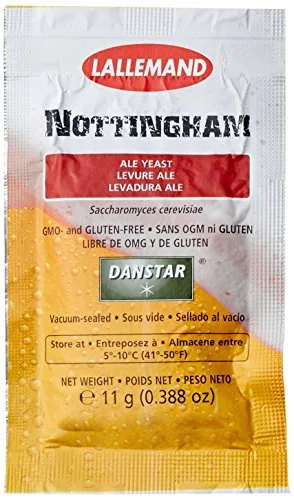
Pitch a healthy ale yeast at its normal range. A small beer finishes quickly, often within a week.
- Measure and package
Confirm stable gravity, then keg or bottle. Small beers suit slightly higher carbonation to lift the body; see the keg carbonation chart.
- Drink it fresh
Low-alcohol beers stale and spoil faster than strong ones. Keep them cold.
Making low-alcohol beer taste like beer
Alcohol carries aroma and adds a little body and warmth, so taking most of it away exposes everything else. The recipes that work best tend to share a few habits.
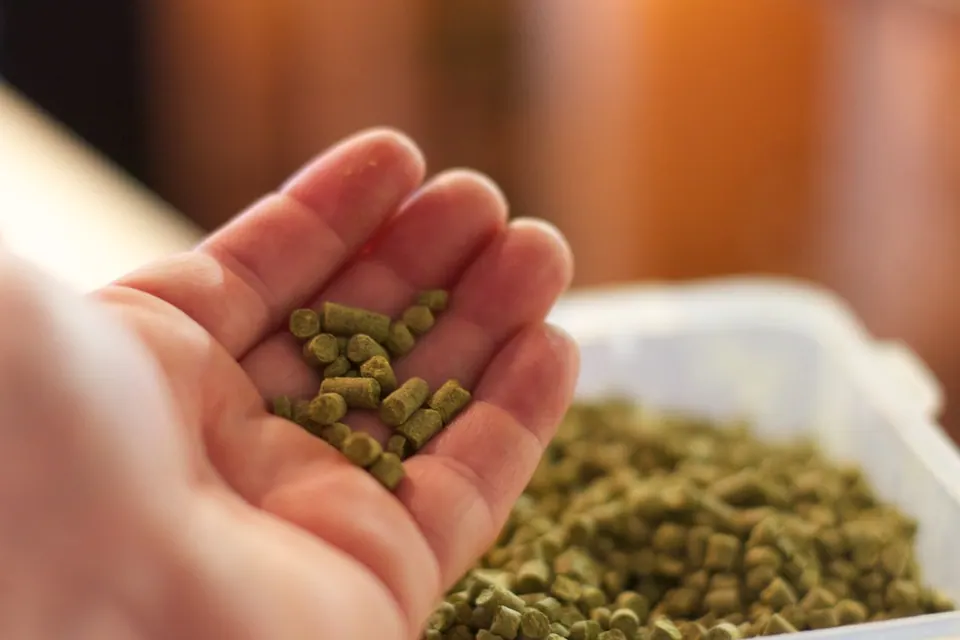
- Body from unfermentables. Dextrin malts, oats and maltodextrin add mouthfeel the alcohol would have given.
- Restrained bitterness. Bitterness feels harsher in a thin beer. Lean on late hop additions for aroma rather than long boils for bitterness; the IBU calculator helps you keep it in check.
- Clean fermentation. With so little alcohol, off-flavors stand out. Keep fermentation in the yeast’s range.
- Worty flavors. Unfermented wort can taste of raw cereal. Lallemand says LoNa was bred to reduce the aldehydes behind those worty notes; with other approaches, darker malts, hop aroma and a little acidity help mask them.
- Water and pH. Low-alcohol beers often benefit from a slightly lower finished pH for flavor and stability; a pH meter shows where you are.
- Carbonation. A little more CO2 lifts a thin beer. Use the carbonation chart for your serving temperature.
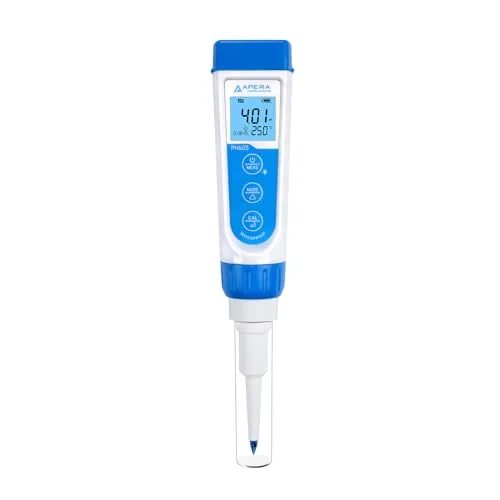
Apera PH60S Food pH Meter Kit (Spear Electrode)
- Range
- −2.00 to 16.00 pH
- Accuracy
- ±0.01 pH
- ATC
- Yes
Best for Kombucha and wine pH checks
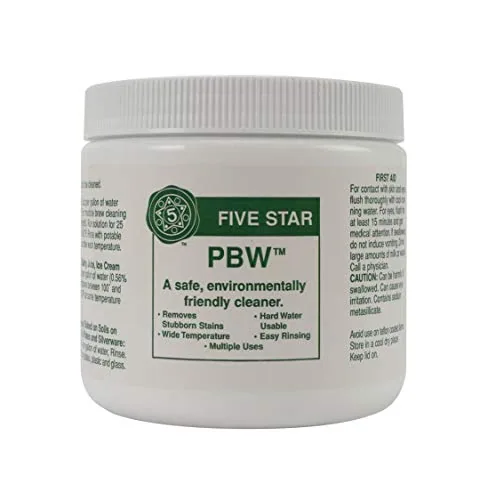
Five Star PBW Alkaline Cleaner, 1 lb
- Type
- Non-caustic alkaline powder
- Use
- Cleaner (not a sanitizer)
- Size
- 1 lb
Best for Soaking dirty fermenters and kettles
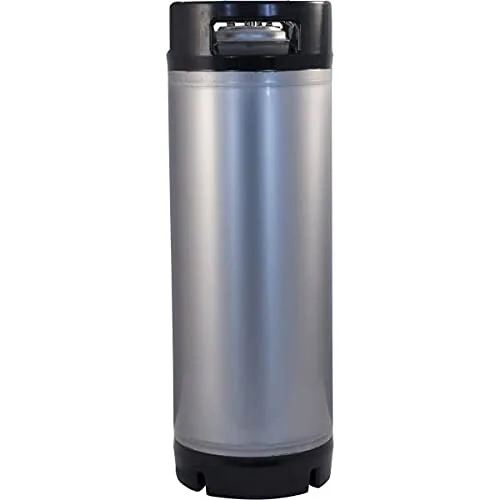
KegLand New Cornelius Keg, 5 Gal, Ball Lock
- Kegs
- 5 gal (19 L), ball lock
- Pressure
- 130 PSI operating
- Material
- 304 stainless
Best for First homebrew keg
Styles that suit a low-alcohol version
Session styles are already light, which makes them the natural starting point: British bitters and milds, pale lagers, wheat beers and hoppy pale ales scaled down. Stouts and porters hide thinness well because roast malt fills the palate. Big, strong styles like barleywine or imperial stout do not translate; the alcohol is part of the style. See beginner beer styles for BJCP numbers.
Serving and storing low-alcohol homebrew
Keg low-alcohol beer if you can, keep it at serving temperature from the day it is packaged, and plan to finish it within a few weeks. Label it clearly with its estimated ABV so nobody mistakes it for an alcohol-free drink, and keep it away from anyone under 21. Clean kegs and lines carefully between batches, since sweet, low-alcohol beer gives spoilage microbes an easy start; see draft line cleaning.
Common mistakes
- Calling it alcohol-free. Homebrew is untested. Say low-alcohol and count it in standard drinks.
- Bottle-conditioning a maltose-negative beer. The sweet wort can referment with wild yeast; follow the maker’s stabilization guidance.
- Adding unsterile fruit or hops cold-side. Lallemand flags this for LoNa beers.
- Repitching LoNa. Lallemand does not recommend it.
- Trying to remove alcohol after the fact. We don’t cover boiling, distilling or freezing; distilling is illegal without a permit.
Which route should you choose?
Pick a small beer if you want lower alcohol with ordinary brewing and no special handling. Pick a maltose-negative yeast only if you can follow the maker’s process, including pasteurization, or you understand you are making a short-lived, refrigerated beer. Anyone who should not drink at all (CDC lists people who are pregnant, under 21, in recovery or on interacting medications) should treat any homebrew, including low-alcohol beer, as an alcoholic drink. More yeast choices in yeast and nutrients and recipe ideas in beginner beer styles.
Gear picks for this guide: best hydrometers for homebrewing and best dry yeast for IPA and pale ale.
ABV calculatorWork out ABV from OG and FG with the standard and high-gravity formulas, hydrometer temperature correction,…Keg carbonation chart and PSI calculatorKeg carbonation chart and calculator: regulator PSI by beer temperature and CO2 volumes, with an altitude…Strike water calculatorStrike water temperature and volume for your mash with Palmer's infusion equation, plus step infusions and…