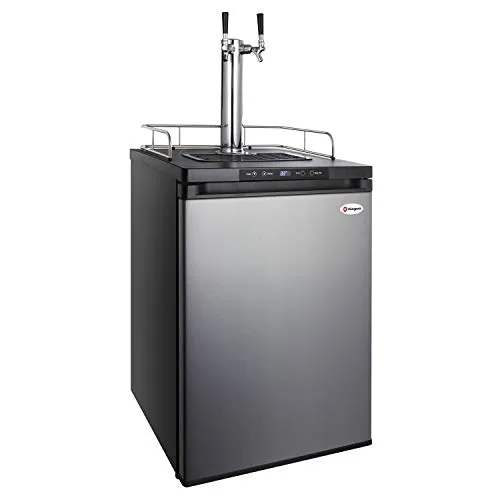
Kegco
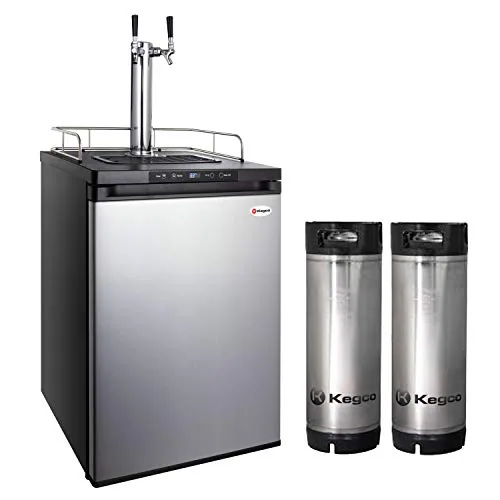
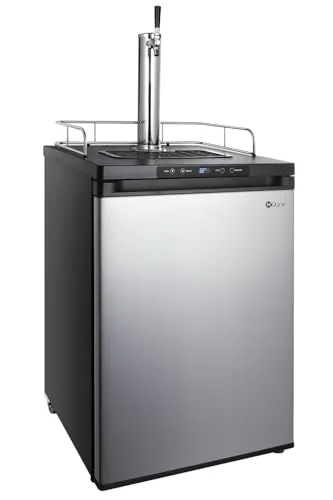
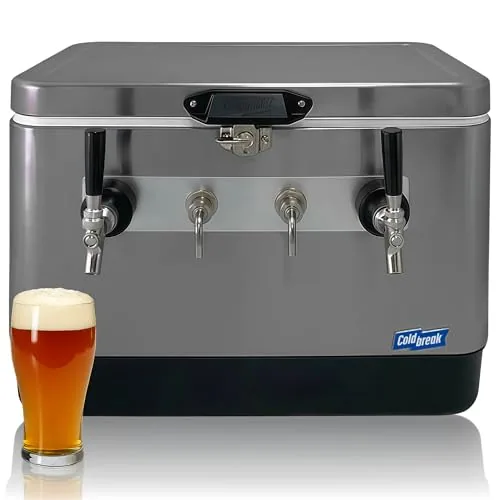
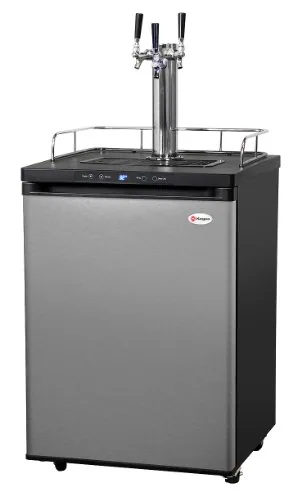
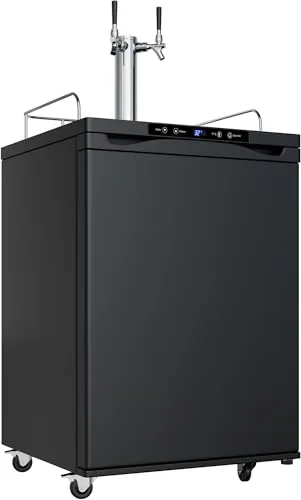
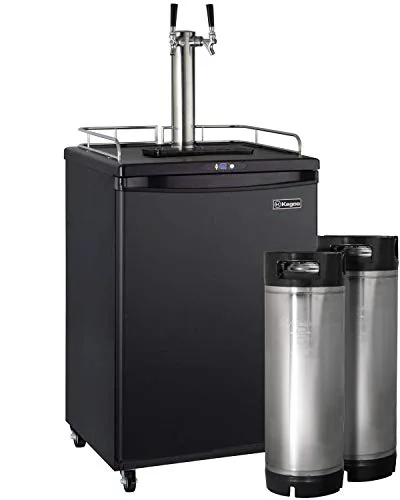
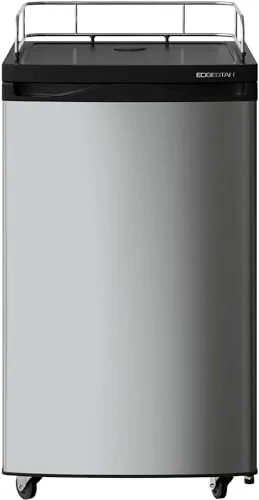
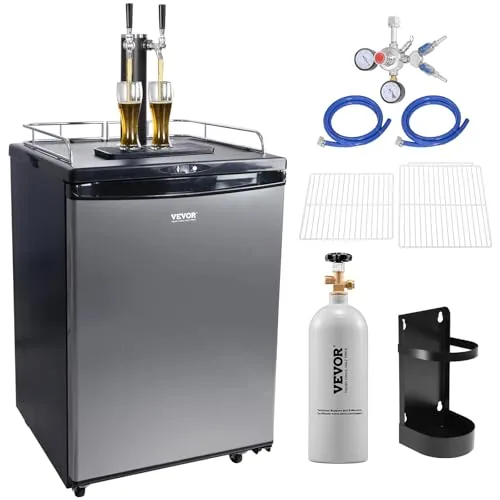
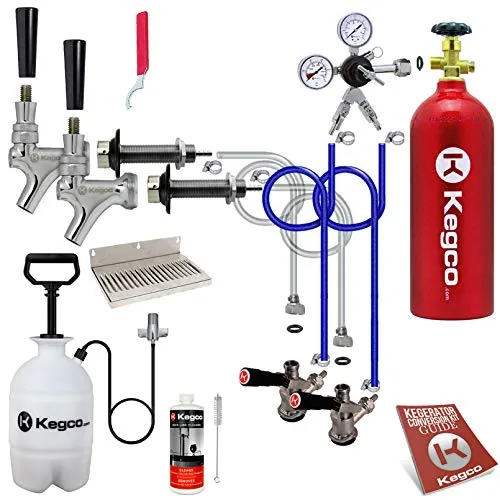
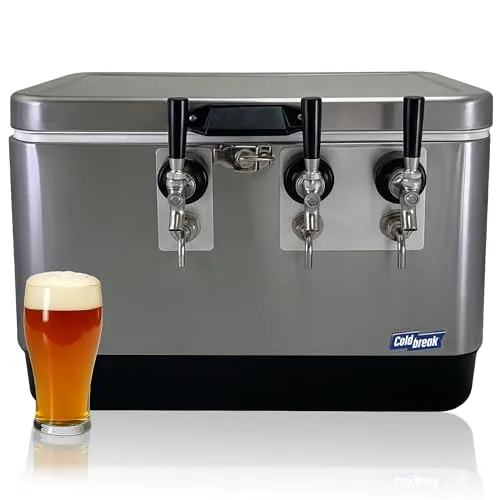
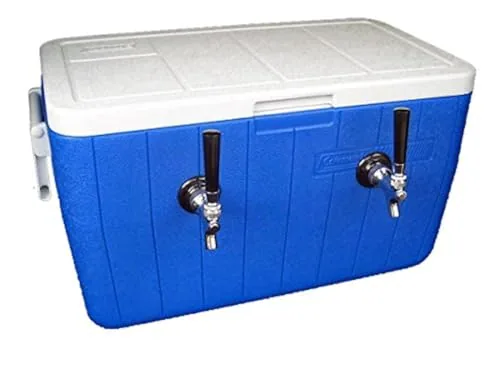
Kegco HBK309S-2 Homebrew Kegerator, 2 Tap, Stainless
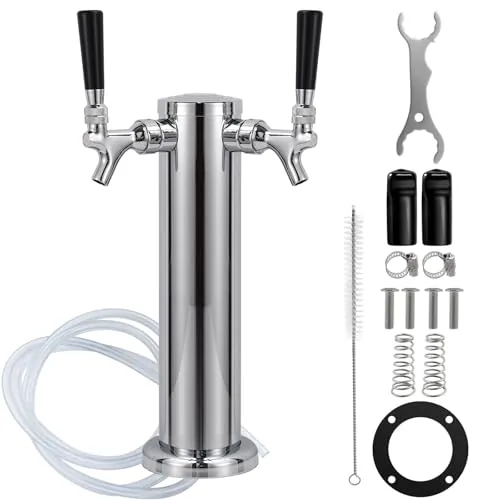
- Taps
- 2
- Kegs
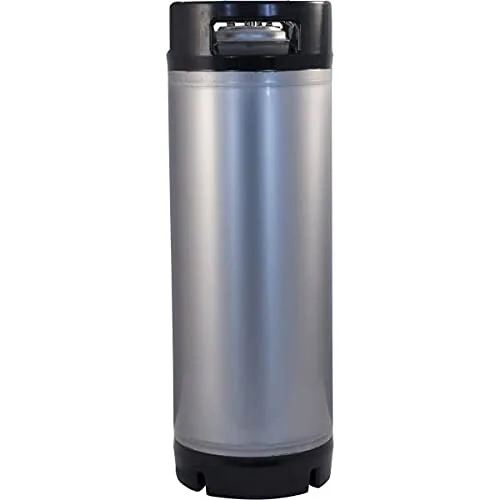
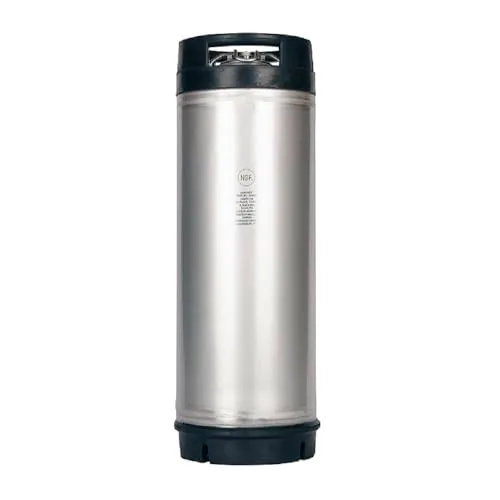
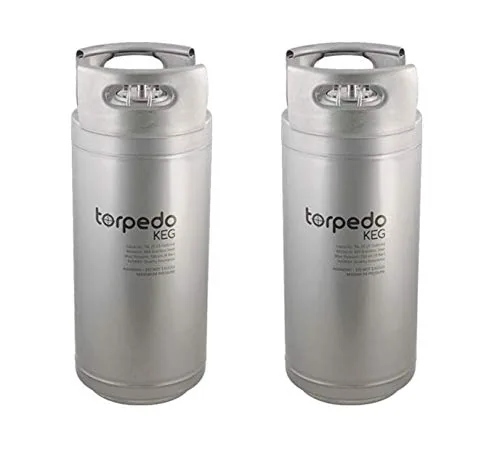
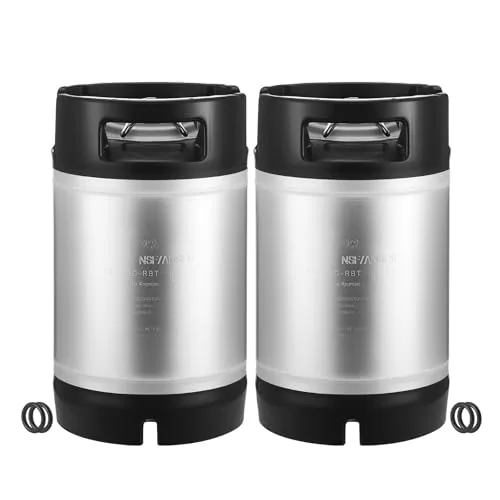
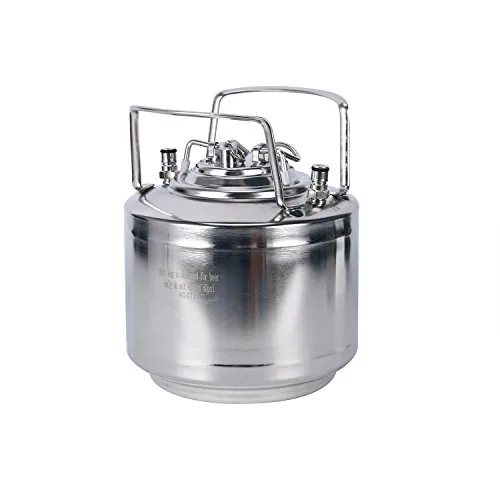
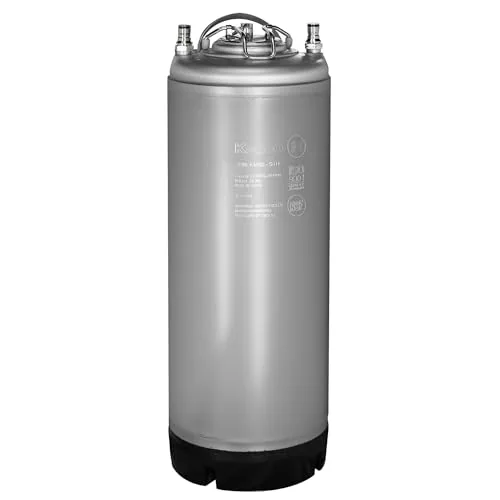
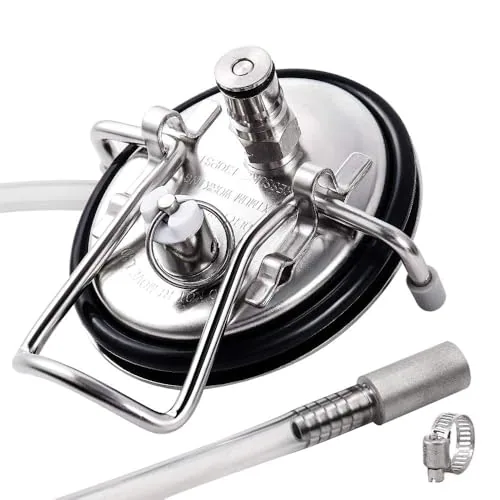
- Homebrew (ball lock) kegs
- Temp range
- Digital, 1° steps; dispense or ferment
Best for A dedicated homebrew kegerator
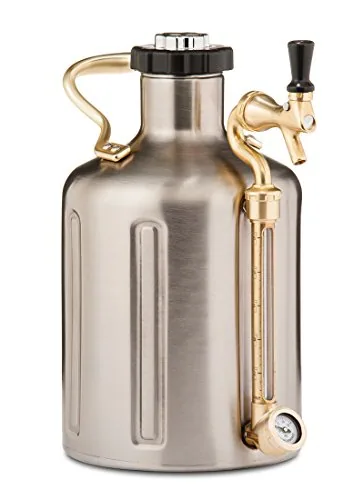
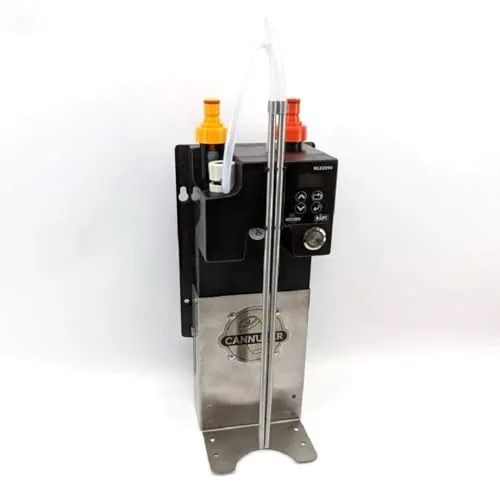
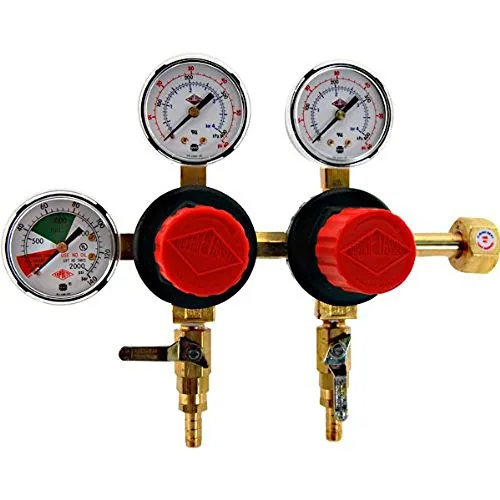
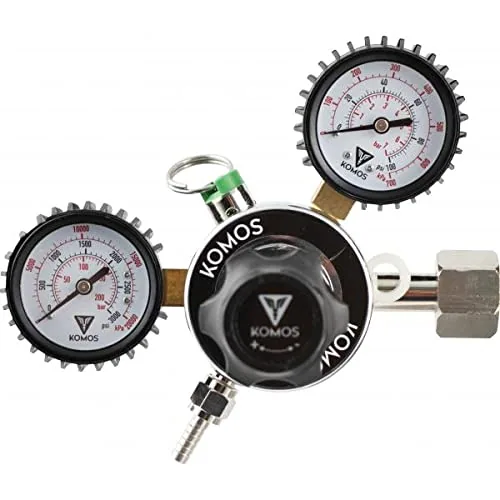
Homebrew kegerators, corny kegs, CO2 regulators, faucets, conversion kits and beer guns, with the PSI chart that ties them together.
Best for A dedicated homebrew kegerator
Best for First homebrew keg
Best for First step into kegging
Best for Gift for a brewer 21+
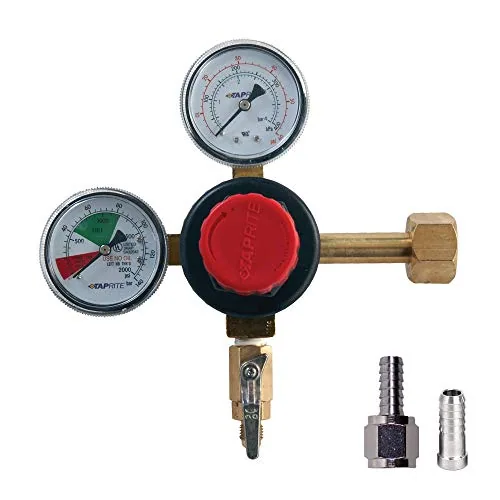
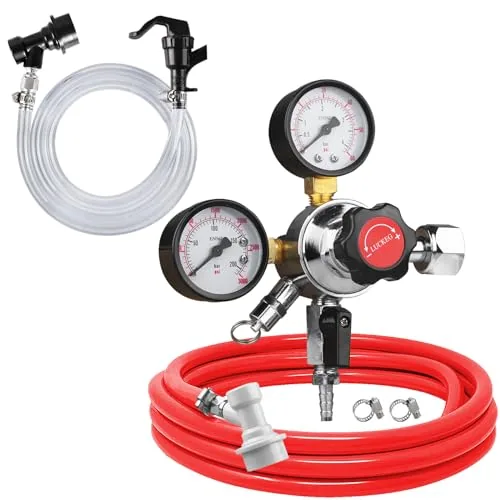
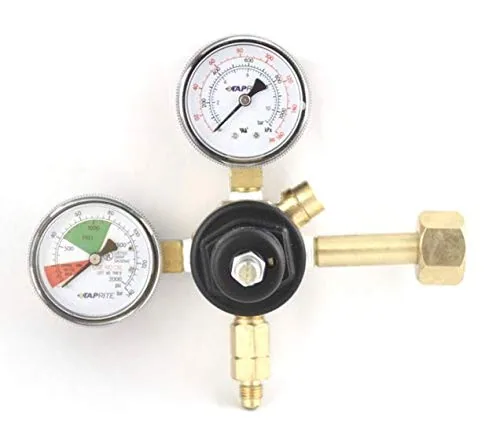
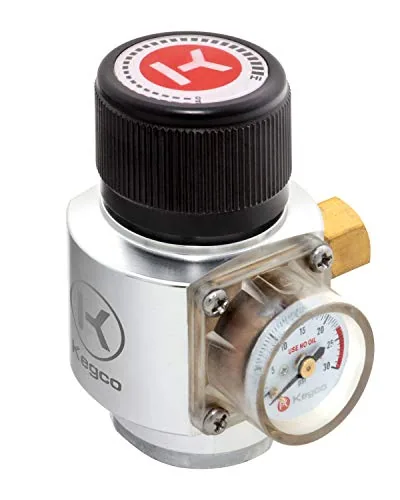
Best for First kegging regulator
Best for Complete homebrew draft setup
Best for One beer on tap
Best for Commercial or corny kegs
Best for Corny keg built to last
Best for Standard corny keg
Best for Kegerators short on headroom
Best for Small batches and small fridges
Best for 1-gallon batches on draft
Best for Taking a gallon to a party
Best for Filling cans or bottles from a keg
Best for Two kegs at different carbonation
Best for EVABarrier gas lines
Best for Budget start in kegging
Best for Upgrading kegerator faucets
Best for Kegerator faucet upgrade
Best for Premium kegerator tower
Best for Bottling from kegs for competitions
Best for Bottling many beers at once
Best for Fast carbonation
Best for Serving homebrew at events
Best for Reliable disconnects
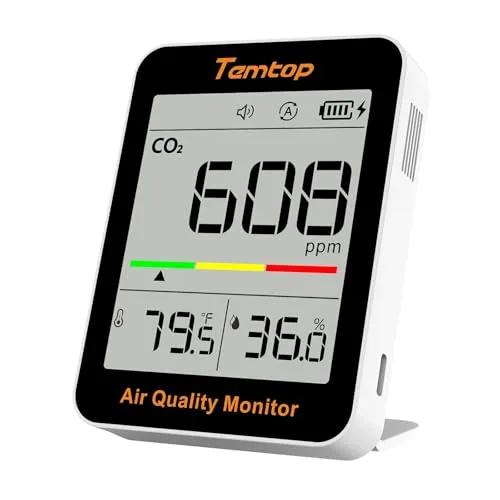
Best for CO2 awareness in a garage or basement
Best for Three beers on tap
Best for Two beers from a compact footprint
Best for Budget forward-sealing faucet
Best for Single-pressure kegging
Best for Taming foamy pours
Best for Fridge-to-kegerator for corny kegs
Best for Larger dual-tap setup
Best for Bottling from a Nukatap
Best for High-carbonation styles
Best for Standard corny keg
Best for Kegerator CO2 supply
Best for Hot-weather outdoor serving
Best for Two homebrews on tap
Best for Converting a fridge for corny kegs
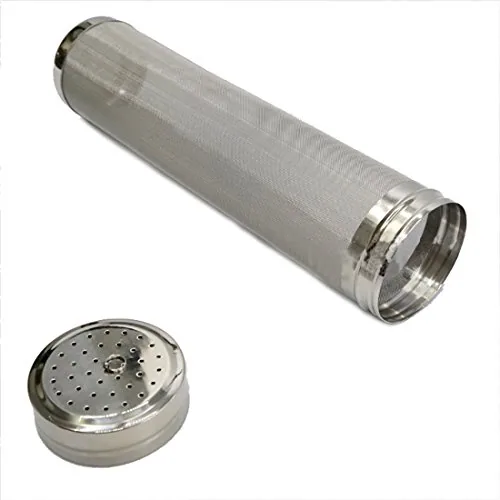
Best for Dry hopping in the keg
Best for Building your own kegerator
Best for Commercial kegs at home
Best for Commercial kegs in a fridge
Best for Budget conversion
Best for Tower conversion
Best for Budget single-tap conversion
Best for Adding two kegs at once
Best for Budget keg pair
Best for Rebuilding used kegs
Best for Keg maintenance
Best for Taking a keg to a club meeting
Best for Small kegerators
Best for Kegerator CO2 supply
Best for Portable gift for brewers 21+
Best for Half batches on the go
Best for Nitro stouts
Best for Adding a creamer pour
Best for Stainless-contact faucet
Best for Bottling carbonated beer
Best for Budget beer gun
Best for Bench counter-pressure filling
Best for Budget beer gun
Best for Carbonating in the keg
Best for Carbonation stone
Best for Carbonating in a unitank
Best for Budget nitro regulator
Best for Nitro stout pours
Best for Club events and festivals
Best for Commercial kegs at events
Best for Building a jockey box
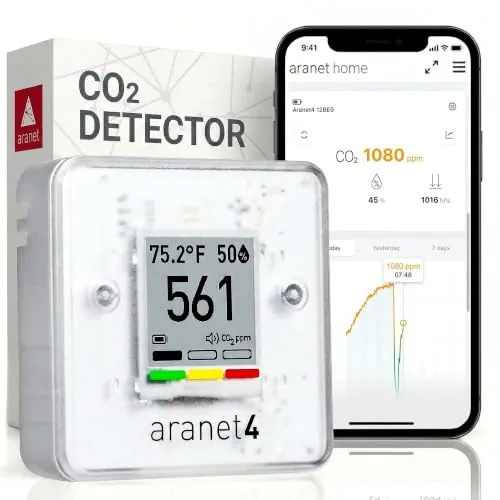
Best for Checking CO2 near kegging gear
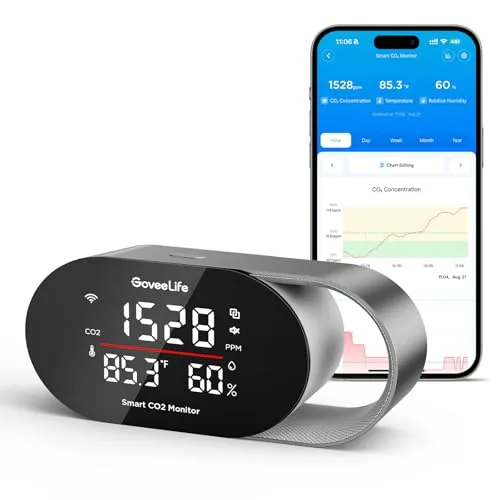
Best for CO2 alarm for a keezer room
Best for Tower conversion
Best for Commercial kegs in a fridge
Best for Tower conversion on a budget
Best for Small-batch draft at home
Best for Budget nitro regulator
Best for Gallon batches on draft
Best for Portable kegs and mini kegs
Best for Nitro stout pours
Best for Setting up several kegs
Best for Kegerator CO2 supply
Best for Multi-keg setups
Best for Single commercial keg
Best for Budget regulator
Best for Spare disconnects
Best for Budget two-pressure setup
Best for Adjustable pour speed
Best for Parties and camping
Best for Budget regulator
Best for Keezers with several taps
Best for Running several kegs from one tank
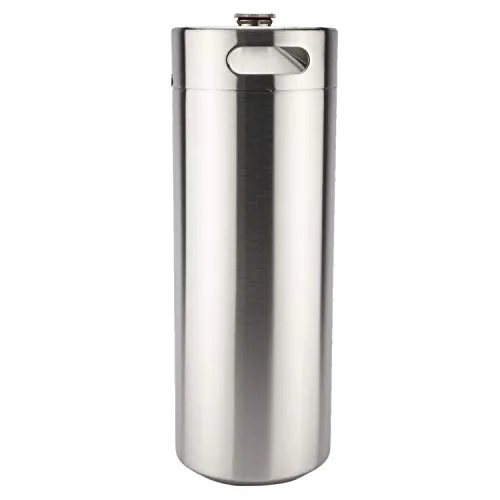
Best for Mini kegs
Best for Kegerator regulator
Best for Budget faucet
Best for Carbonating small bottles
Best for Two-tap kegerators
Best for Keezer collars and fridge doors
Best for EVABarrier gas lines
Best for Expanding a keezer
Best for Converting a fridge top
Best for EVABarrier beer lines
Best for Serving a keg at a party
Best for Carbonating in the keg
Best for Flare-to-EVABarrier adapters
Best for Replacement faucet
Best for Carbonating single bottles
Best for Single-tap conversion
Best for Spare disconnects
Best for Nitro stouts on draft
Best for Commercial kegs
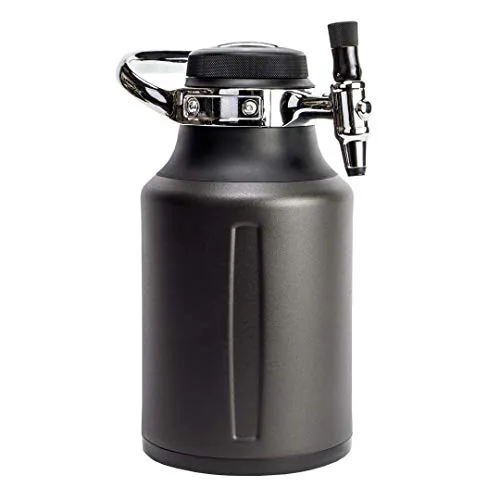
Best for Portable nitro serving
Best for Nitro or beer-gas setups
Best for Nitro stout pours
Best for Commercial kegs in short fridges
Best for Replacing beer line
No product matches every filter. Clear one to see more.
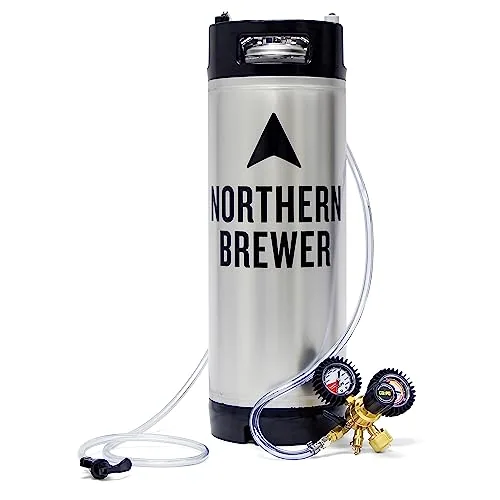
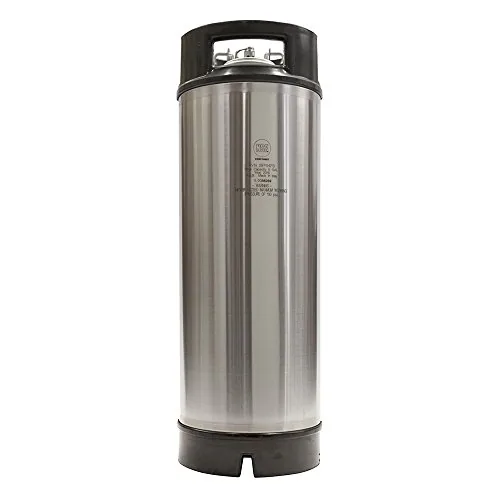
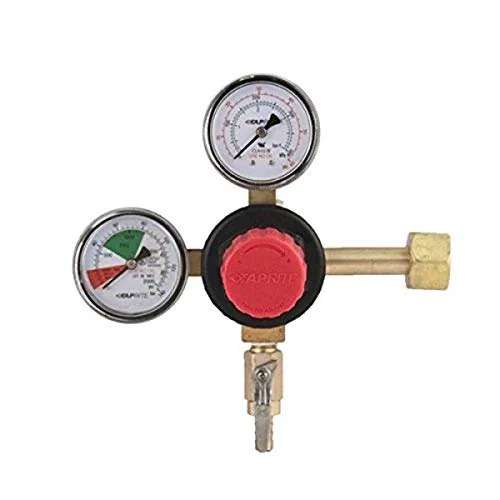
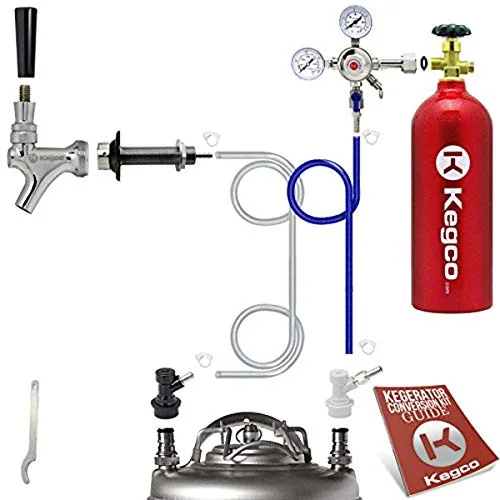
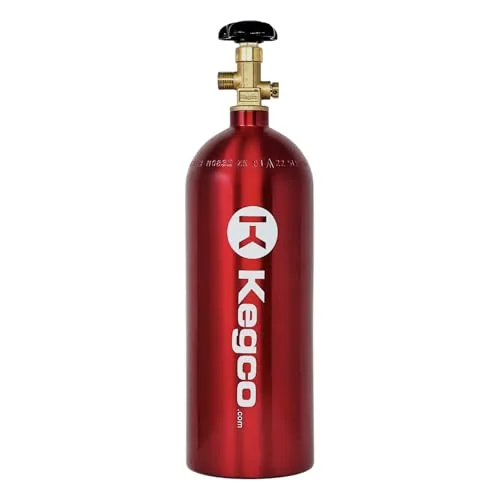
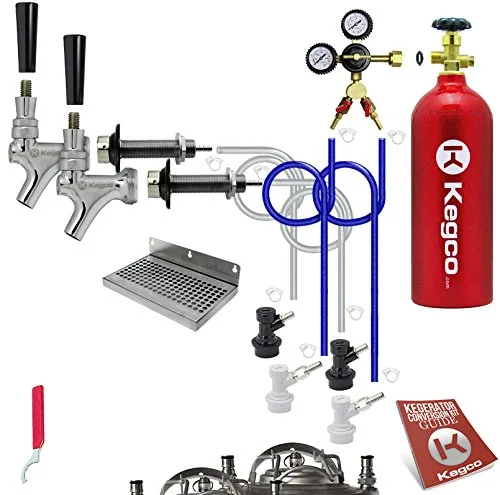
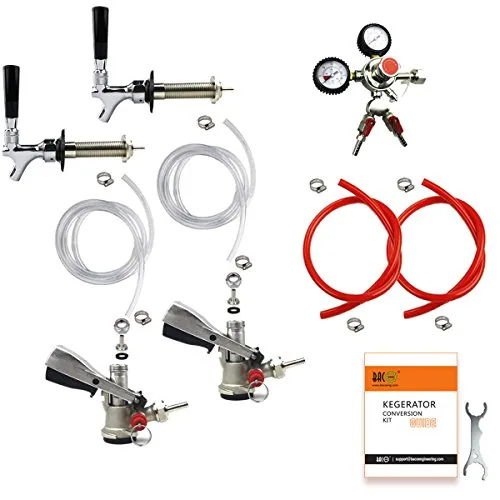
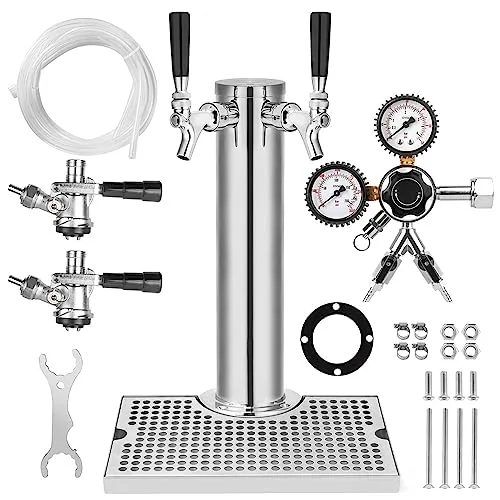
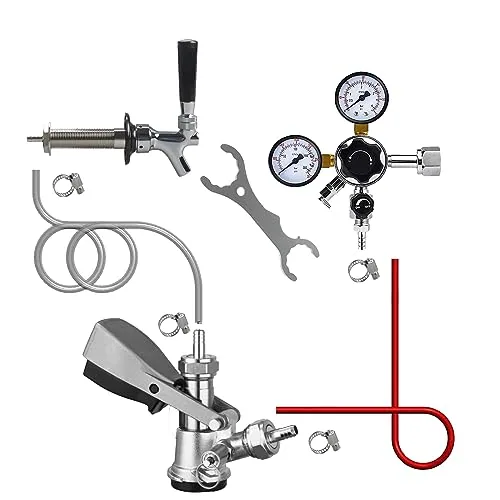
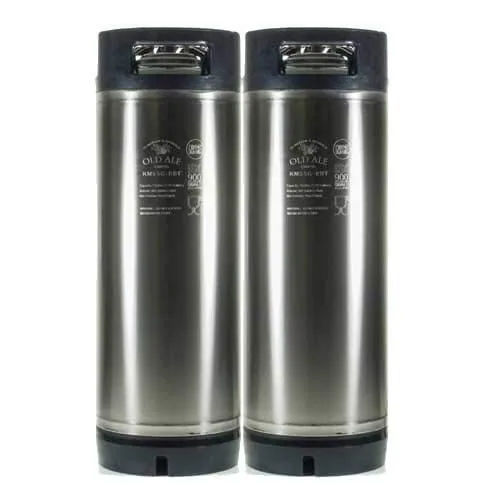
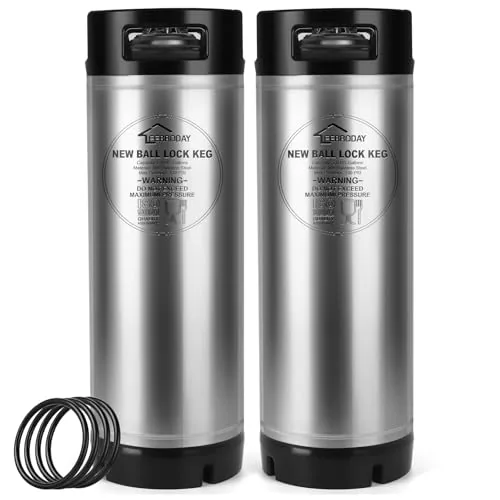
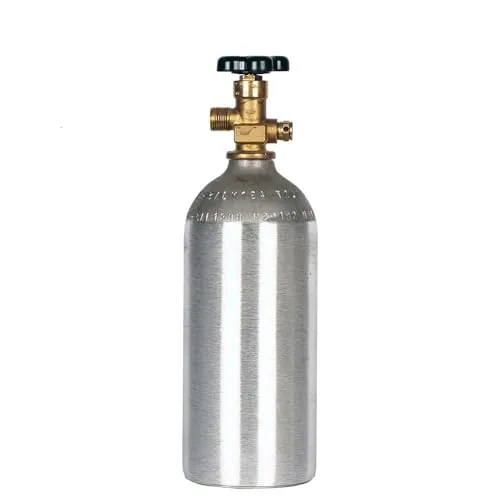
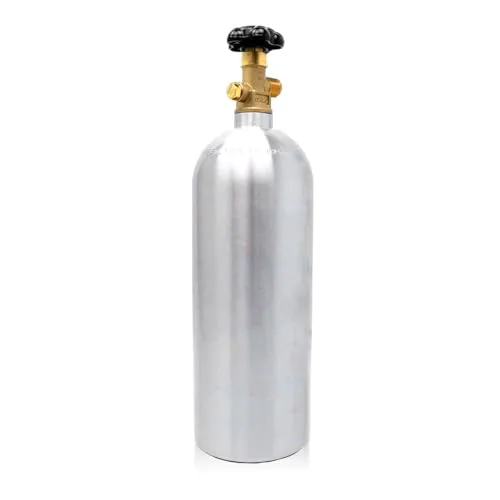
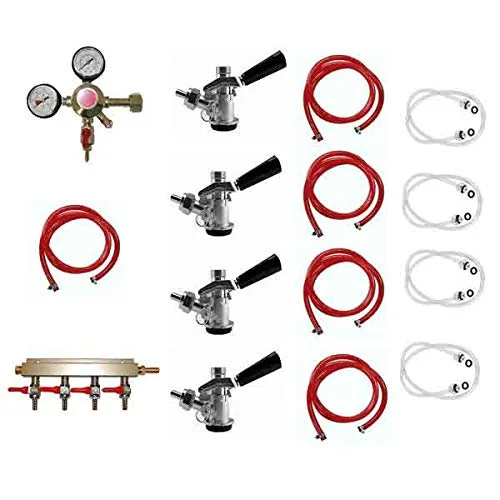
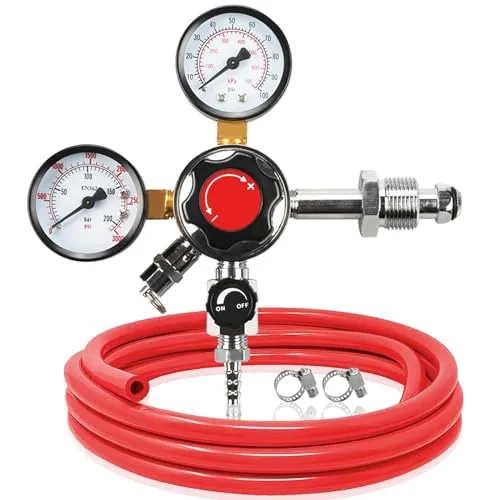
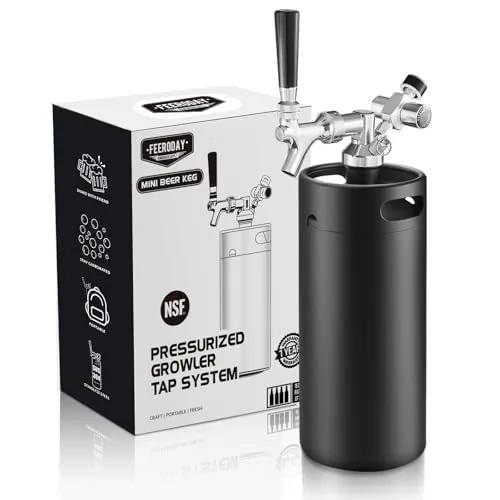
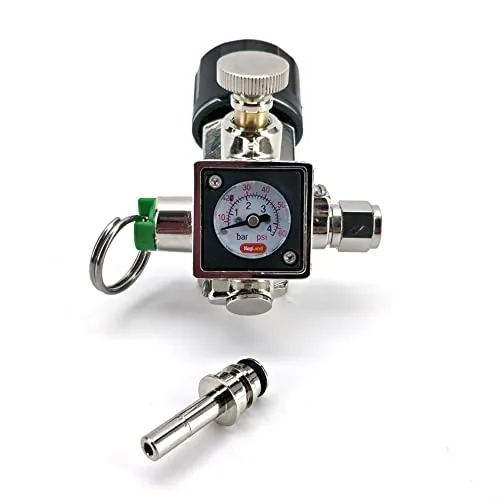
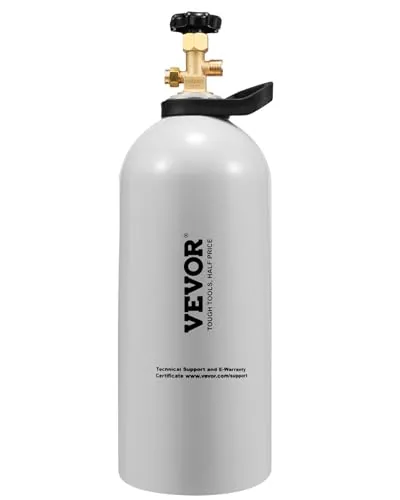
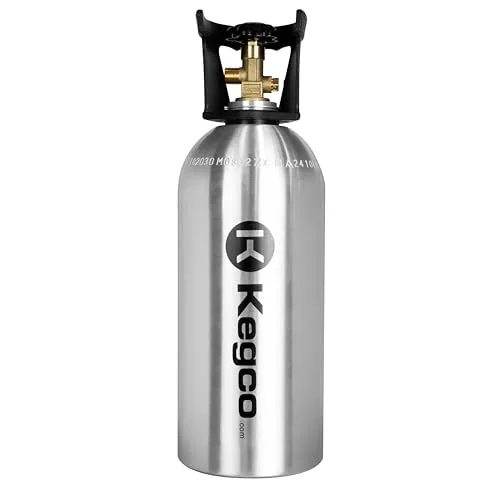
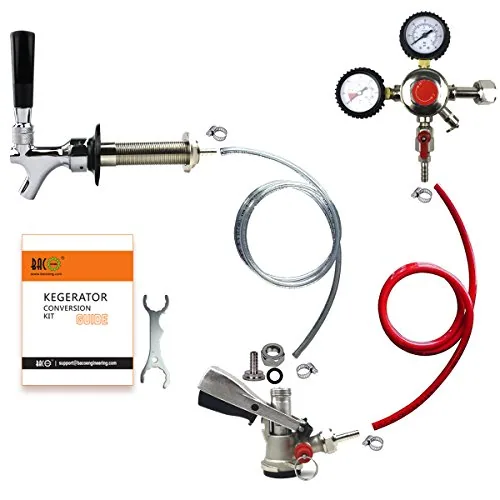
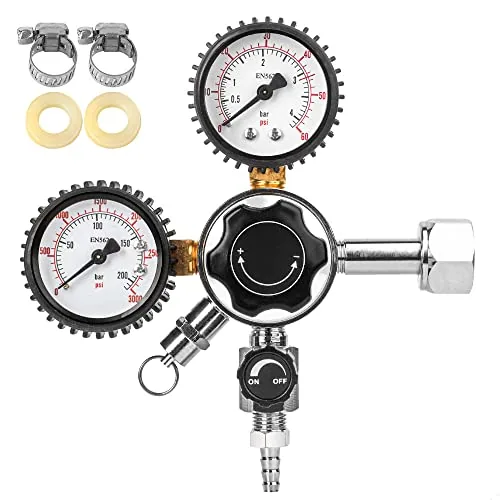
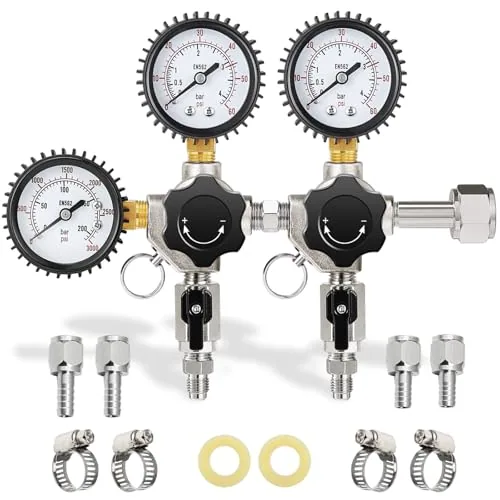
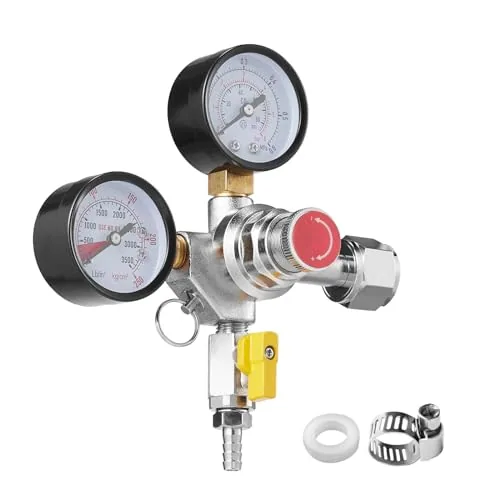
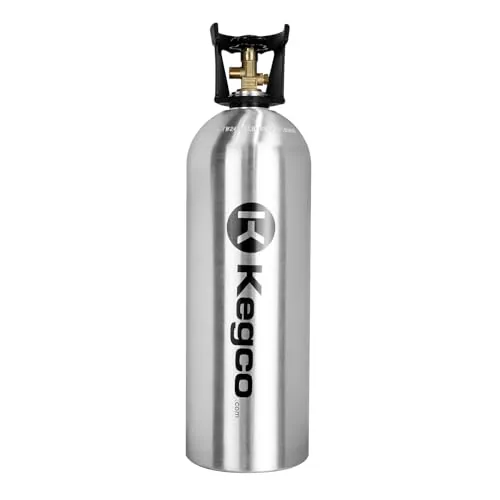
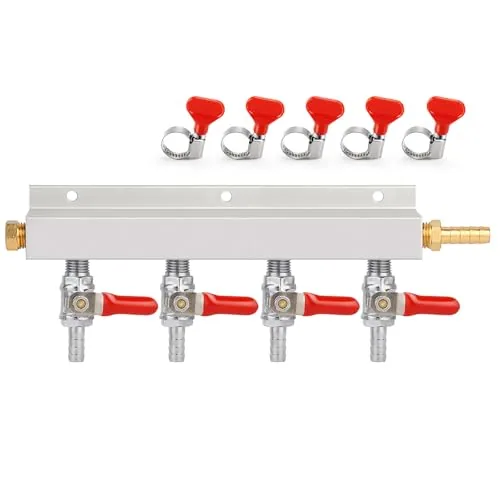
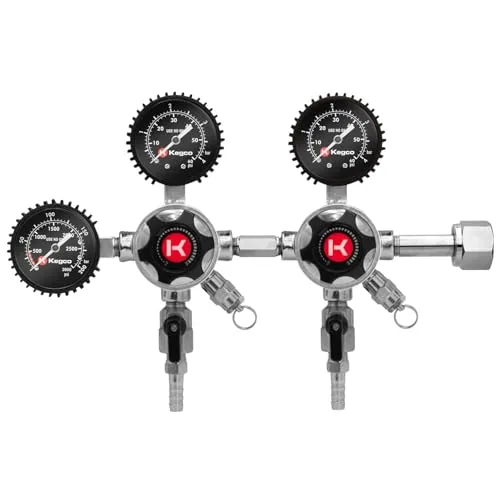
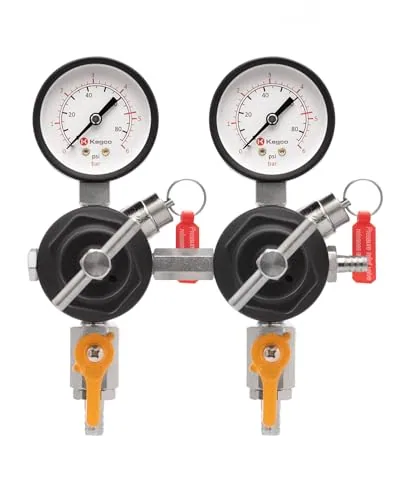
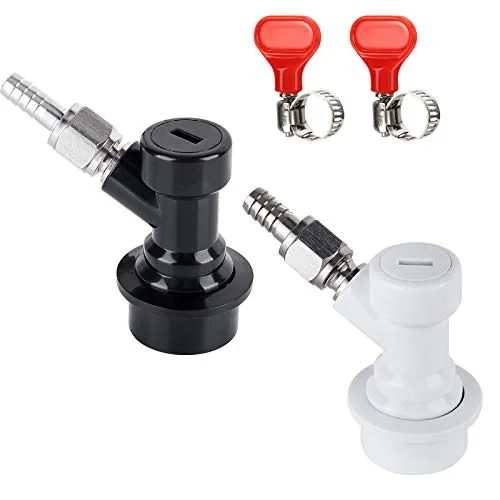
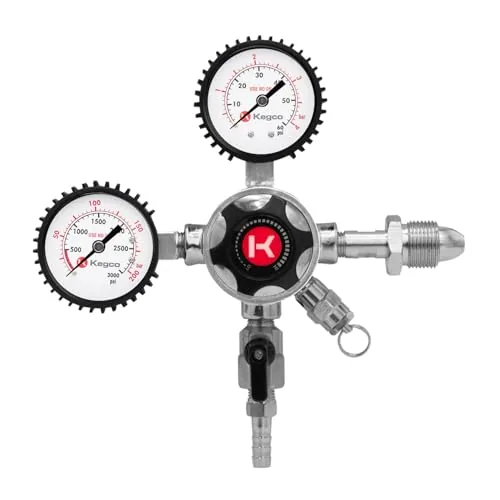
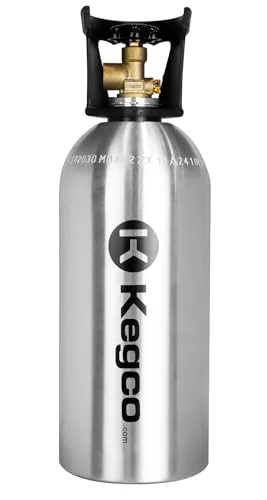
A homebrew keg system has five parts: a cold space (kegerator, keezer or spare fridge), at least one 5 gal (19 L) corny keg, a CO2 cylinder, a regulator, and gas and beer lines with ball lock disconnects to a faucet. Kits bundle some of these; read what ships empty. Kegco notes its HBK309S-2K includes a ball lock keg and a CO2 tank that ships empty.
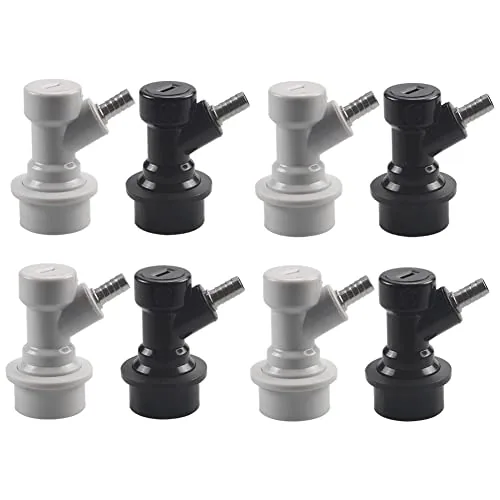
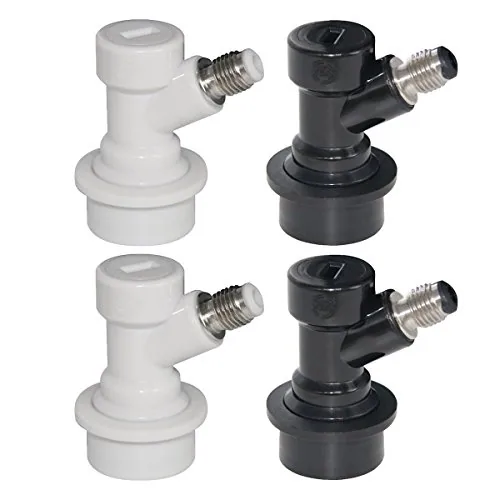
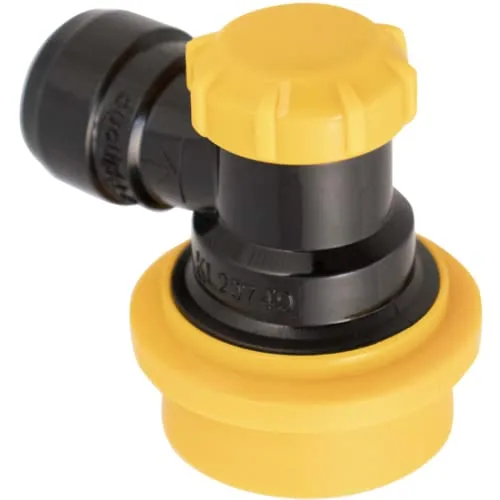
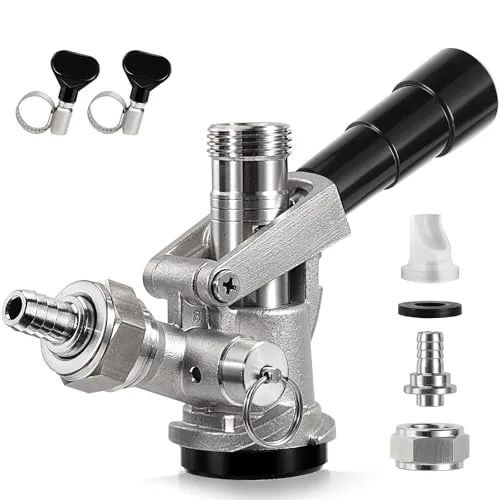
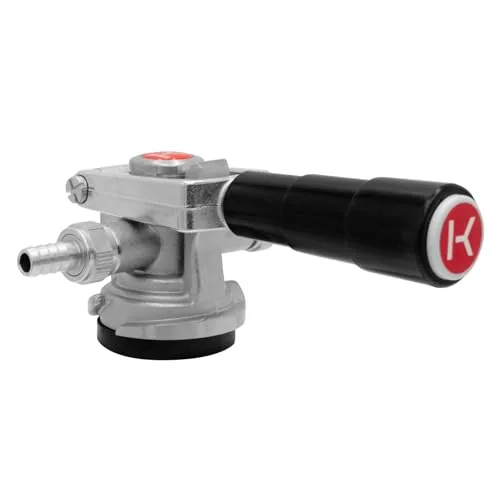
Homebrew kegerators use ball lock (or pin lock) corny kegs. Commercial kegs need a Sankey D coupler, which the Kegco homebrew models do not include. Pick the side you will actually fill.
Best for A dedicated homebrew kegerator
Best for Commercial or corny kegs
Best for First step into kegging
Best for First homebrew keg
Best for Corny keg built to last
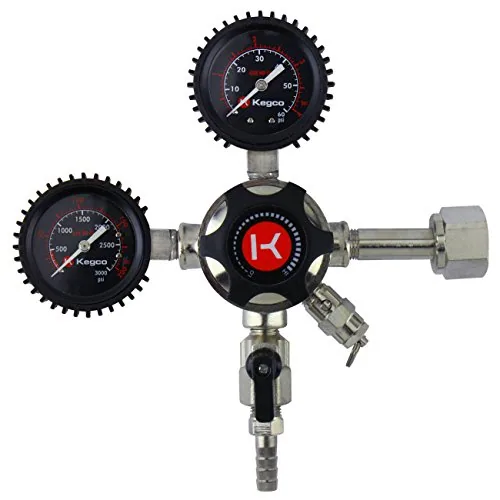
Best for First kegging regulator
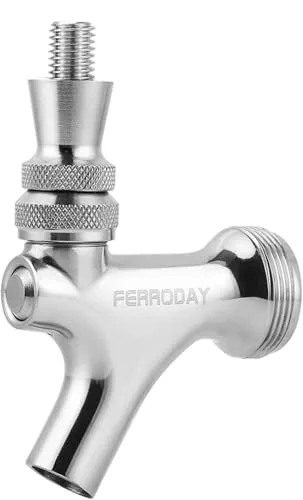
Best for Kegerator faucet upgrade
Best for Budget forward-sealing faucet
Set-and-forget carbonation depends on beer temperature and the CO2 volumes you want. BYO's table puts 2.4 vol at 40°F (4°C) at about 11.2 psi. Gauges read relative to local air pressure, so add roughly 0.5 psi per 1,000 ft of altitude.
Keg pressure (psi, sea level) by beer temperature and target CO2 volumes
| Beer temp | 1.8 vol | 2.0 vol | 2.2 vol | 2.4 vol | 2.6 vol | 2.8 vol | 3.0 vol | 3.2 vol |
|---|---|---|---|---|---|---|---|---|
| 32°F 0°C | 1.6 | 3.5 | 5.4 | 7.3 | 9.2 | 11.0 | 12.9 | 14.8 |
| 34°F 1.1°C | 2.3 | 4.3 | 6.3 | 8.2 | 10.2 | 12.1 | 14.1 | 16.0 |
| 36°F 2.2°C | 3.1 | 5.1 | 7.2 | 9.2 | 11.2 | 13.3 | 15.3 | 17.3 |
| 38°F 3.3°C | 3.9 | 6.0 | 8.1 | 10.2 | 12.3 | 14.4 | 16.5 | 18.6 |
| 40°F 4.4°C | 4.7 | 6.8 | 9.0 | 11.2 | 13.4 | 15.5 | 17.7 | 19.8 |
| 42°F 5.6°C | 5.5 | 7.7 | 10.0 | 12.2 | 14.4 | 16.7 | 18.9 | 21.1 |
| 44°F 6.7°C | 6.3 | 8.6 | 10.9 | 13.2 | 15.5 | 17.8 | 20.1 | 22.4 |
| 46°F 7.8°C | 7.1 | 9.5 | 11.8 | 14.2 | 16.6 | 19.0 | 21.3 | 23.7 |
| 48°F 8.9°C | 7.9 | 10.4 | 12.8 | 15.3 | 17.7 | 20.1 | 22.6 | 25.0 |
| 50°F 10°C | 8.7 | 11.3 | 13.8 | 16.3 | 18.8 | 21.3 | 23.8 | 26.3 |
| 52°F 11.1°C | 9.6 | 12.2 | 14.8 | 17.3 | 19.9 | 22.5 | 25.1 | 27.6 |
| 54°F 12.2°C | 10.4 | 13.1 | 15.7 | 18.4 | 21.1 | 23.7 | 26.3 | 29.0 |
| 56°F 13.3°C | 11.3 | 14.0 | 16.7 | 19.5 | 22.2 | 24.9 | 27.6 | 30.3 |
Formula: PSI = −16.6999 − 0.0101059·T + 0.00116512·T² + 0.173354·T·V + 4.24267·V − 0.0684226·V². Checked against the BYO grid (40°F and 2.4 vol: 11.19 psi by formula, 11.2 psi on the chart). Regulator gauges read relative to local air pressure. BYO notes that Denver needs about 3 psi over the sea-level chart; add roughly 0.5 psi per 1,000 ft. Sources: BYO: Carbonation priming chart; Brewer's Friend: Force carbonation chart; Brewers Association: Draught Beer Quality Manual.
| Route | Good for | Watch for |
|---|---|---|
| Homebrew kegerator | Two or three corny kegs, plug-and-pour | ~ Ball lock only unless you add a D coupler |
| Conversion kit in a fridge | A spare fridge you already own | ~ Door or tower fit, shank length |
| Keezer (chest freezer + controller) | Four or more kegs | ~ Collar build, CO2 in a closed space |
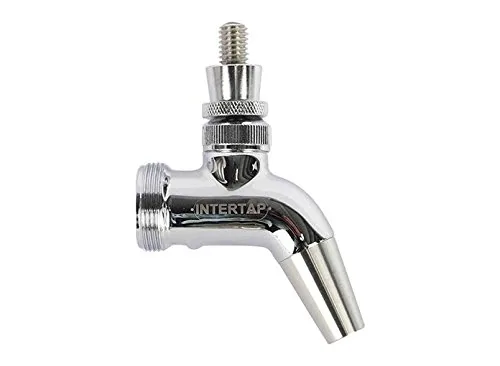
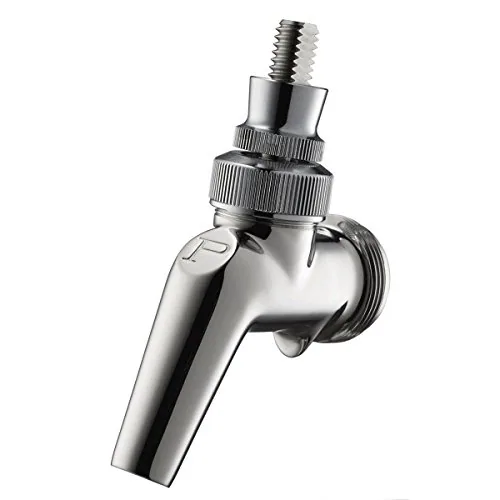
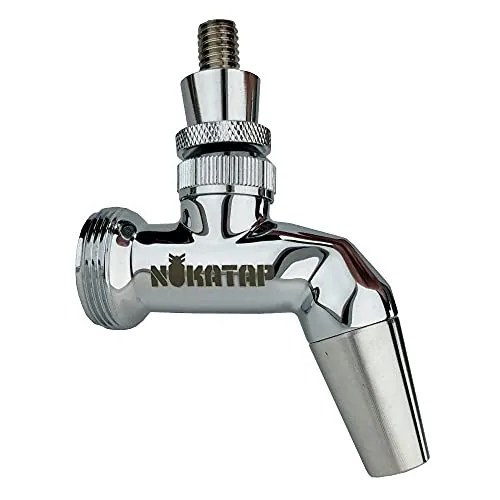
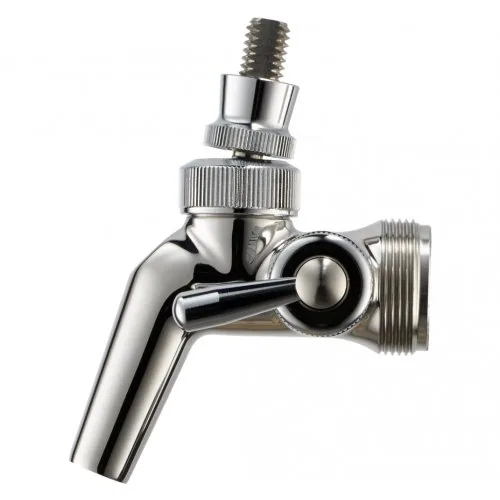
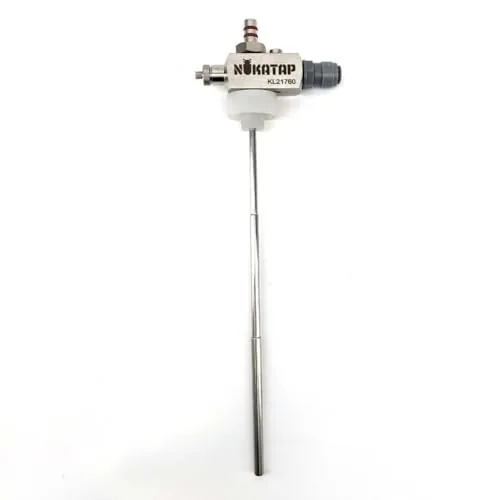
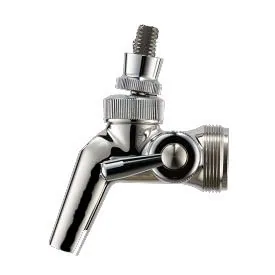
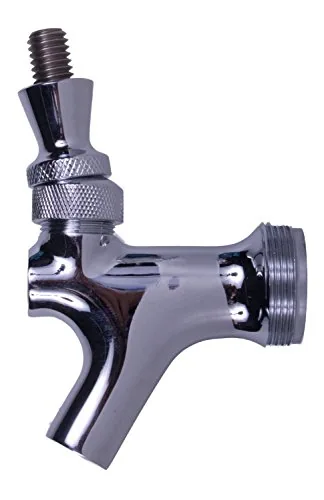
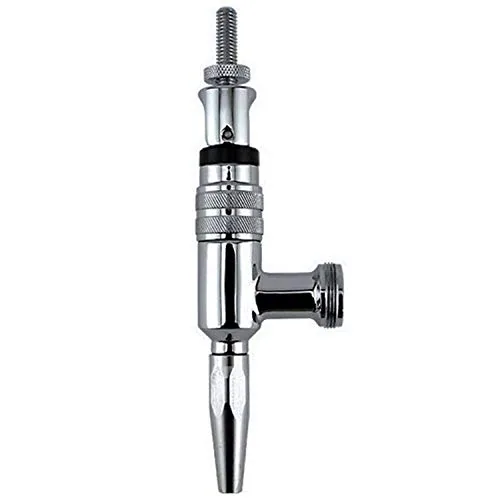
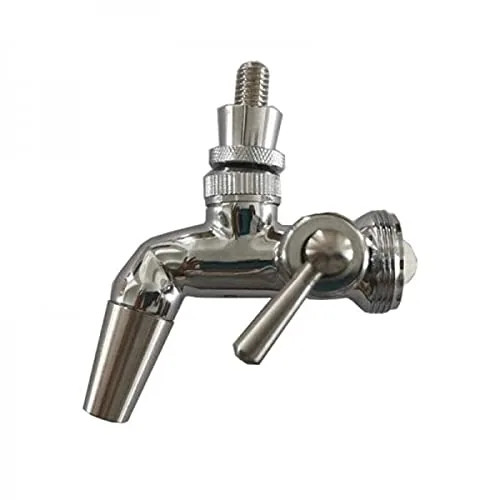
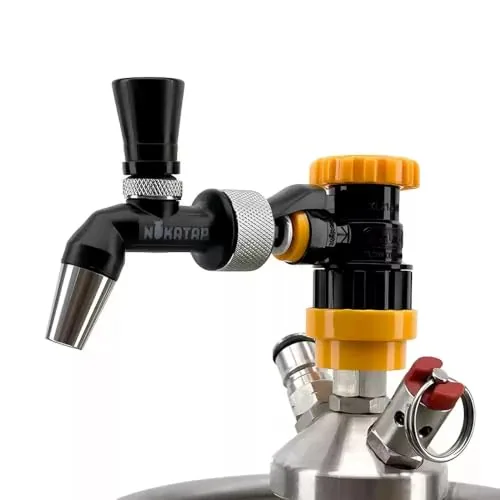
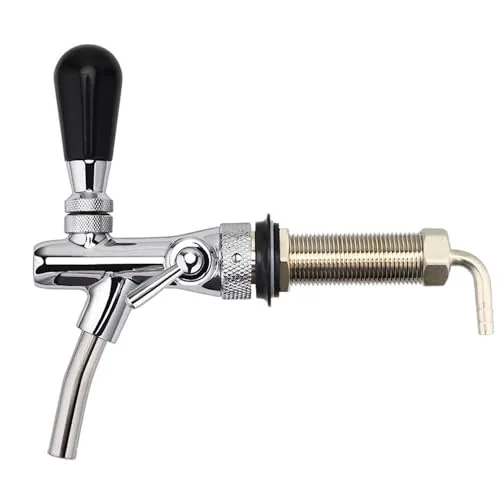
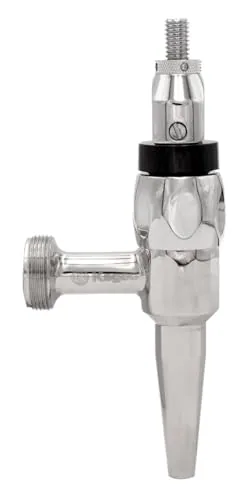
Faucets matter more than they look: forward-sealing designs such as Perlick, Intertap and Nukatap stay cleaner between pours. Clean lines on a schedule with a hand-pump kit and a line cleaner used per its label.
Ready to make the switch from bottles? The kegging switch hub walks through a first fill.
Related reading: Kegco HBK309S-2 homebrew kegerator review and best beer faucets.
 Best of
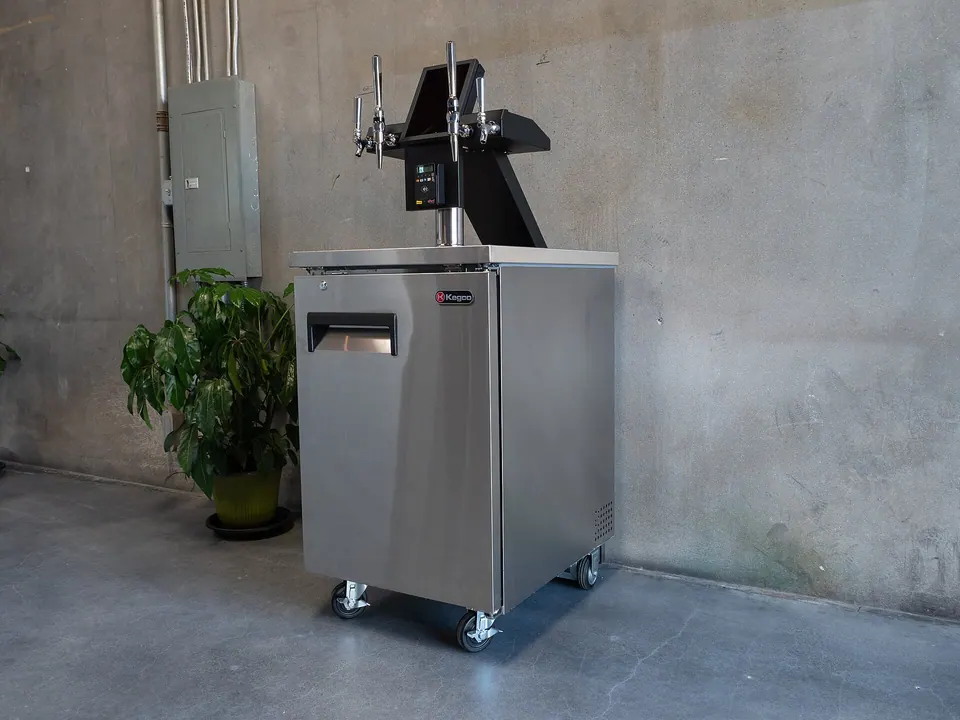
The best kegerator for homebrew: Kegco, EdgeStar and VEVOR compared by taps, corny keg fit, couplers and temperature…
 Best of
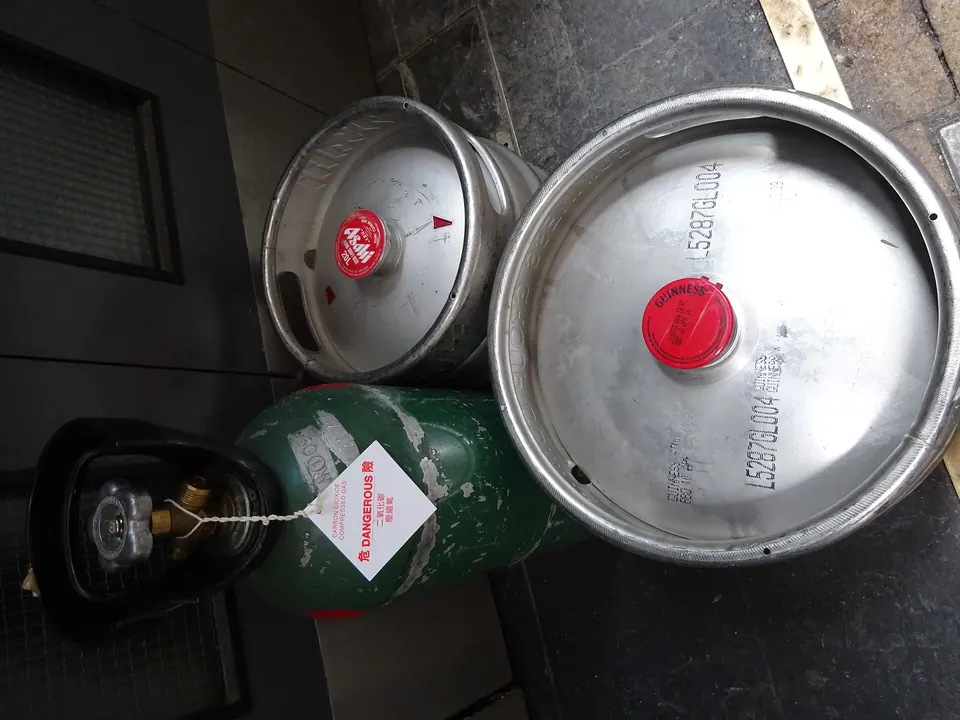
The best homebrew keg system for switching from bottles: starter kits, corny kegs, mini kegs, regulators and CO2 tanks…
 Best of
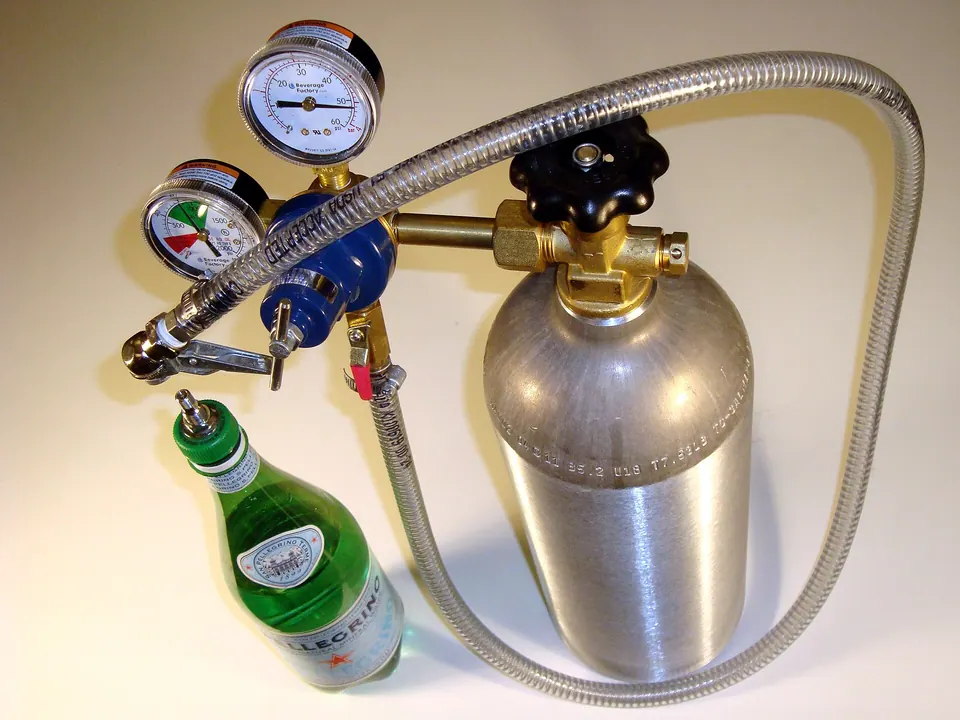
The best CO2 regulator for kegging: Taprite, Kegco, KOMOS, VEVOR and more compared by working range, relief point,…
 Best of
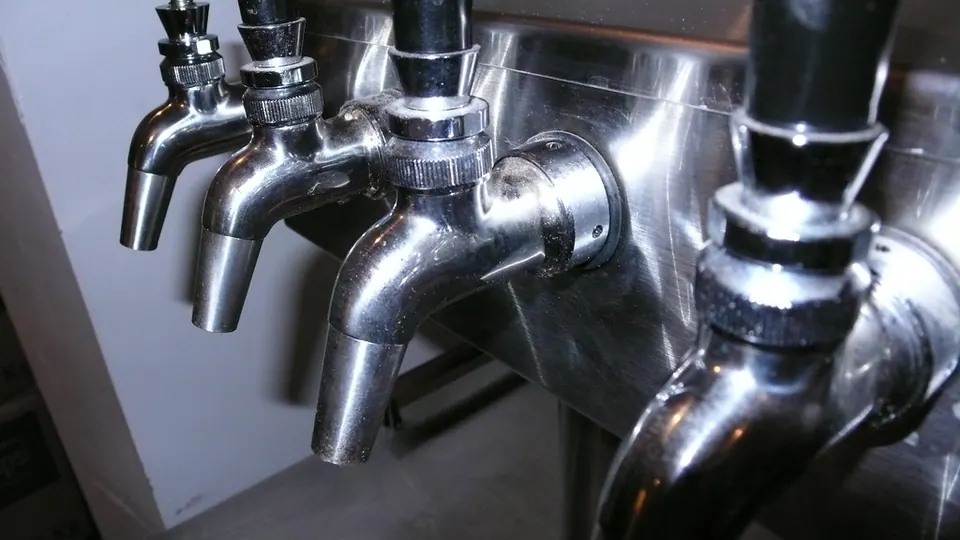
The best beer faucet for a kegerator or keezer: Perlick, Intertap, Nukatap and more compared by forward sealing, flow…
 Best of
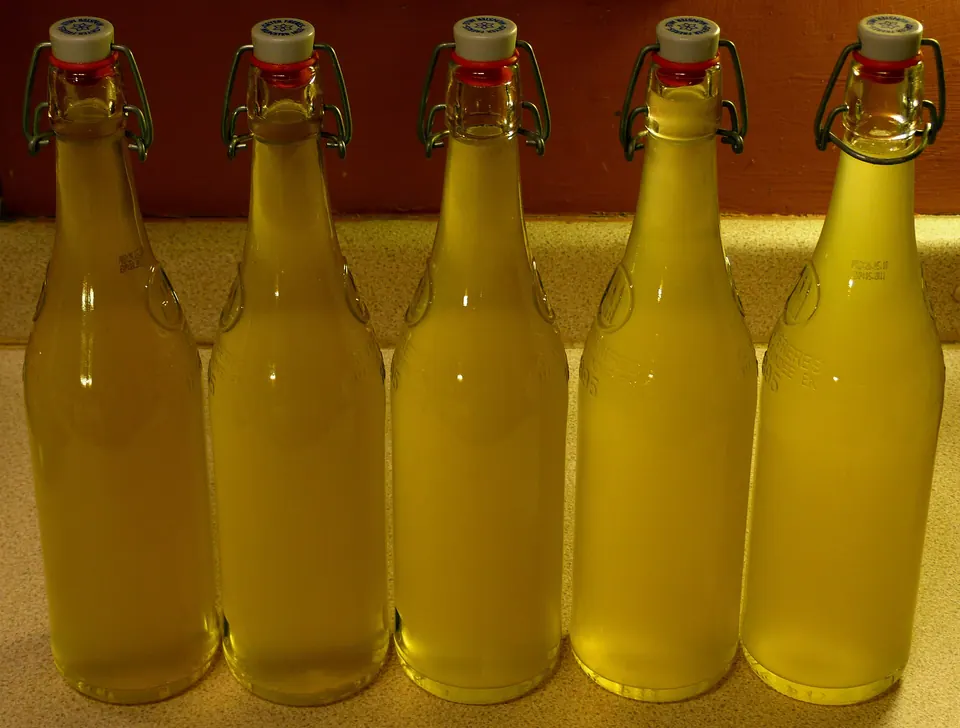
The best beer gun or counter-pressure bottle filler for bottling from a keg: Tapcooler, Nukatap, Eagle, Medusa and…
 Review
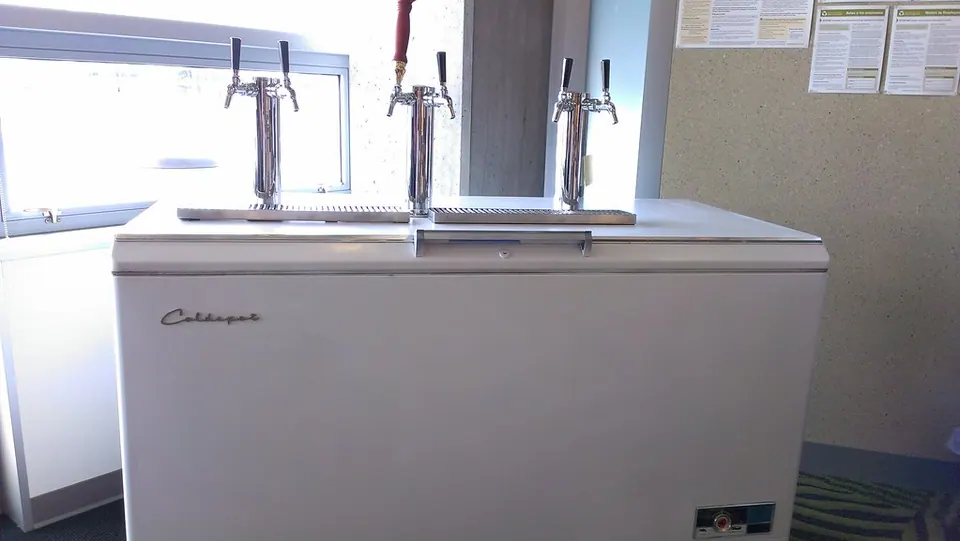
Kegco kegerator review: the HBK309S-2 two-tap homebrew unit, its 32–75°F range, three-corny-keg capacity, ball lock…