- The best homebrewing books for a first year: John Palmer’s How to Brew (4th edition) as the textbook, plus Papazian’s Complete Joy of Homebrewing or Simple Homebrewing for a lighter read.
- For recipes: Brewing Classic Styles (80 recipes in extract and all-grain versions) and Designing Great Beers for building your own.
- For depth: the Brewing Elements series from Brewers Publications covers yeast, water, malt and hops one book each.
- Beyond beer: The Compleat Meadmaker, The New Cider Maker’s Handbook and The WineMaker Guide to Home Winemaking.
- The BJCP style guidelines are free online and pair with any recipe book.
The best homebrewing books do something a forum thread cannot: explain the why in order, from sanitation and yeast to mash chemistry, so each brew day builds on the last. A good shelf has one textbook, one recipe book and one or two deep dives on whatever you are working on next.
This list is organized by what you want to learn, using publisher and listing descriptions (the BJCP and AHA are cited for free references). We did not rank books by reading them against each other or count copies sold; each pick says what it covers and who it suits.
Books for your first year
How to Brew, 4th Edition (John Palmer, Brewers Publications). The standard homebrewing textbook, covering extract through all-grain, water, yeast and recipe design. Palmer’s strike-water and priming formulas are the ones most calculators use, including the strike water calculator here. If you buy one book, this is the usual recommendation.
The Complete Joy of Homebrewing (Charlie Papazian, William Morrow). The long-running beginner guide, in its revised edition, with the famous “relax, don’t worry, have a homebrew” tone.
Simple Homebrewing (Drew Beechum and Denny Conn, Brewers Publications). A streamlined approach that cuts steps without cutting quality, per the authors. Good for brewers who want fewer gadgets.
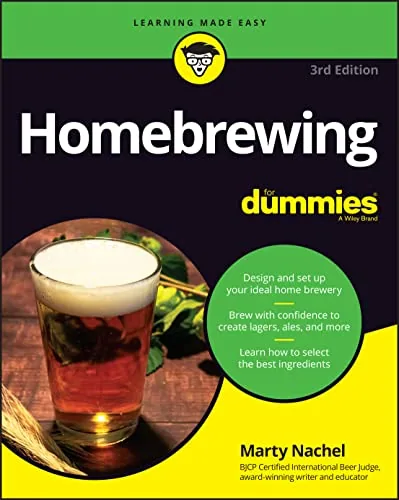
Homebrewing For Dummies (Wiley) and The Brew Your Own Big Book of Homebrewing (Voyageur Press), which covers extract, all-grain and kegging with 50+ recipes from BYO magazine.
Brooklyn Brew Shop’s Beer Making Book (Clarkson Potter). Fifty-two seasonal recipes sized for small stovetop batches, ideal for apartment brewers.
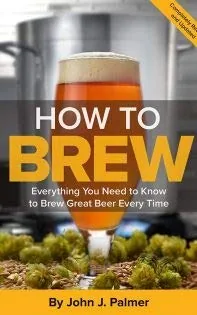
How to Brew, 4th Edition (John Palmer)
- Type
- Book
- Includes
- 4th edition, Brewers Publications
- Publisher
- Brewers Publications
Best for Every new brewer 21+
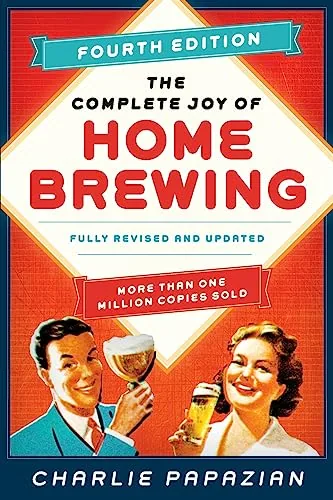
The Complete Joy of Homebrewing (Charlie Papazian)
- Type
- Book
- Includes
- Fully revised edition
- Publisher
- William Morrow
Best for A first homebrewing gift
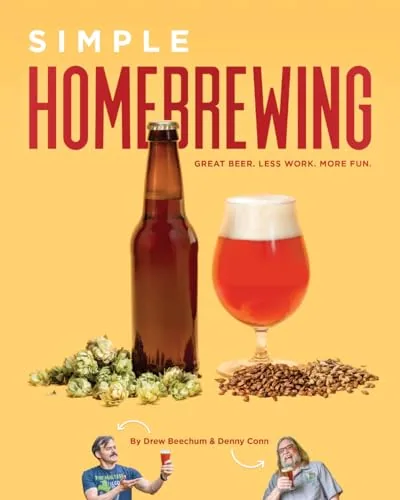
Simple Homebrewing (Drew Beechum & Denny Conn)
- Type
- Book
- Publisher
- Brewers Publications
Best for Busy brewers
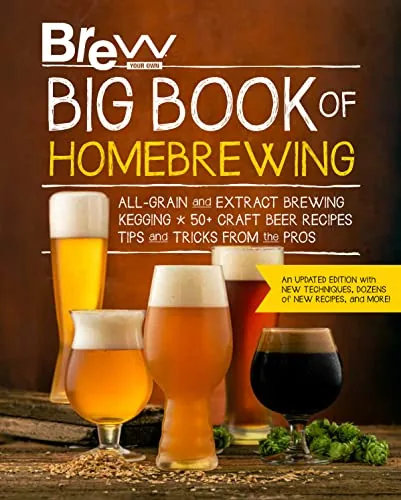
The Brew Your Own Big Book of Homebrewing
- Type
- Book
- Includes
- 50+ recipes; extract, all-grain, kegging
- Publisher
- Voyageur Press
Best for A broad first reference
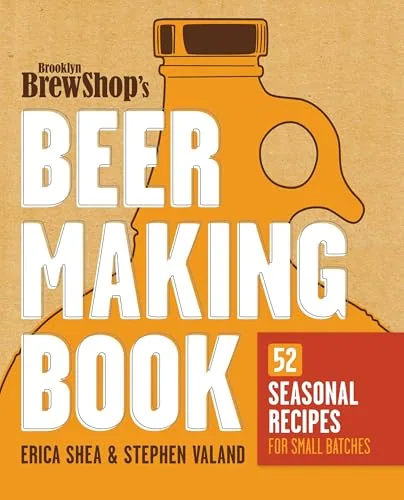
Brooklyn Brew Shop's Beer Making Book
- Type
- Book
- Includes
- 52 seasonal small-batch recipes
- Publisher
- Clarkson Potter
Best for Apartment brewers
Recipe books and recipe design
Brewing Classic Styles (Jamil Zainasheff and John Palmer). Eighty recipes across the classic styles, each with extract and all-grain versions. It follows the BJCP style categories, so it pairs well with the beginner beer styles guide.
Designing Great Beers (Ray Daniels). How to build your own recipes for classic styles from ingredient and style data. Use it with the IBU calculator and color calculator.
The Brew Your Own Big Book of Clone Recipes. Three hundred recipes modeled on commercial beers from BYO magazine.
Radical Brewing (Randy Mosher). A creative, history-rich take on unusual ingredients and styles.
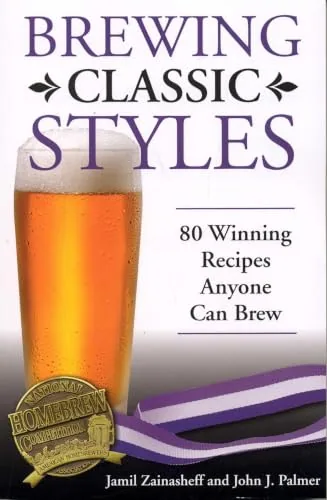
Brewing Classic Styles (Zainasheff & Palmer)
- Type
- Book
- Includes
- 80 recipes, extract and all-grain
- Publisher
- Brewers Publications
Best for Brewers ready to go beyond kits
Designing Great Beers (Ray Daniels)
- Type
- Book
- Publisher
- Brewers Publications
Best for Brewers writing their own recipes
The Brew Your Own Big Book of Clone Recipes
- Type
- Book
- Includes
- 300 clone recipes
- Publisher
- Voyageur Press
Best for Brewers who want to clone favorites
Radical Brewing (Randy Mosher)
- Type
- Book
- Publisher
- Brewers Publications
Best for Experimental brewers
Methods of Modern Homebrewing (Page Street)
- Type
- Book
- Publisher
- Page Street
Best for Intermediate brewers
Going deeper: science and ingredients
Brewers Publications’ Brewing Elements series takes one ingredient per book:
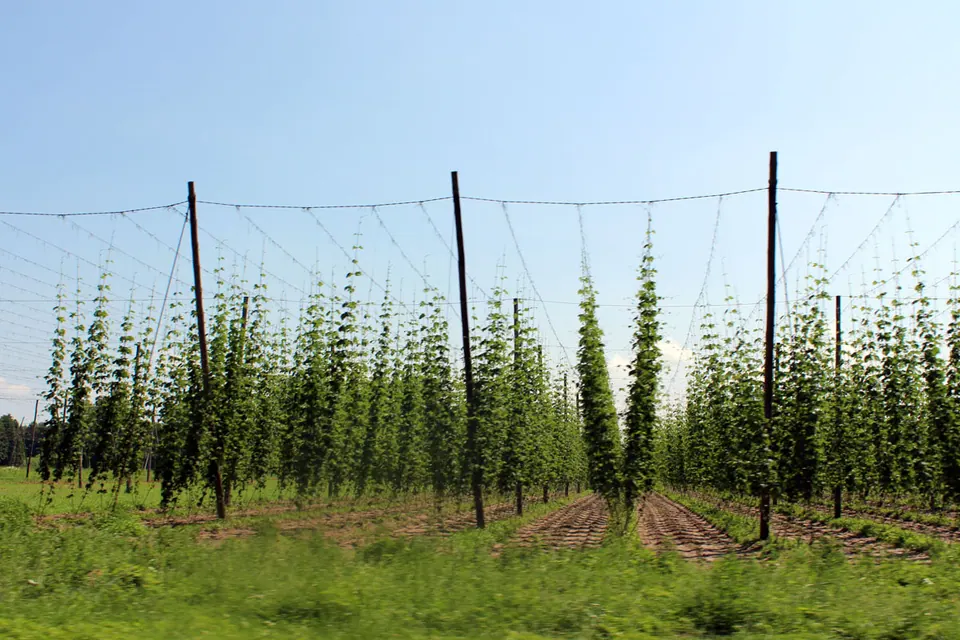
Deep-dive books by topic
| Book | Author(s) | Read it when you are working on | Pairs with |
|---|---|---|---|
| Yeast: The Practical Guide to Beer Fermentation | Chris White and Jamil Zainasheff | Pitch rates, starters, fermentation control | Yeast pitch rate calculator |
| Water: A Comprehensive Guide for Brewers | John Palmer and Colin Kaminski | Water reports, salts, mash pH | Water chemistry calculator |
| Malt: A Practical Guide from Field to Brewhouse | John Mallett | Grain selection, color, specialty malts | Color calculator |
| For the Love of Hops | Stan Hieronymus | Hop varieties, aroma and bitterness | IBU calculator |
| Modern Lager Beer | Jack Hendler and Joe Connolly | Lager process and recipes | Lager brewing guide |
| Principles of Brewing Science | George Fix | Chemistry and biology of brewing | Off-flavors guide |
| Tasting Beer, 2nd Edition | Randy Mosher | Evaluating your own beer and judging | Clubs and competitions guide |
Source: Publisher and listing descriptions; Brewers Publications
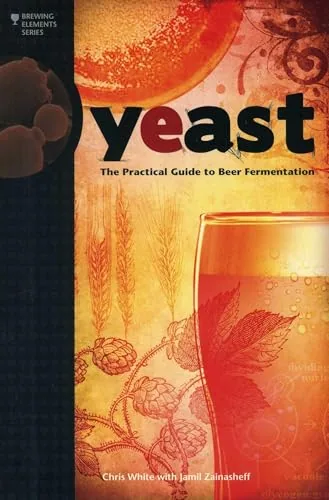
Yeast: The Practical Guide to Beer Fermentation
- Type
- Book
- Includes
- Brewing Elements series
- Publisher
- Brewers Publications
Best for Brewers making starters
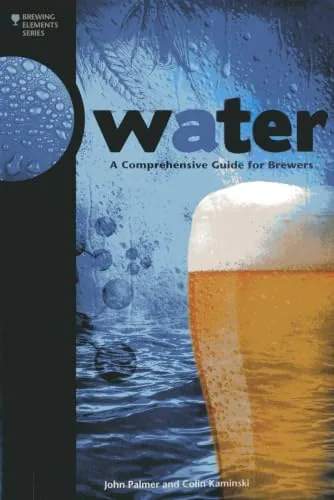
Water: A Comprehensive Guide for Brewers
- Type
- Book
- Includes
- Brewing Elements series
- Publisher
- Brewers Publications
Best for All-grain brewers adjusting water
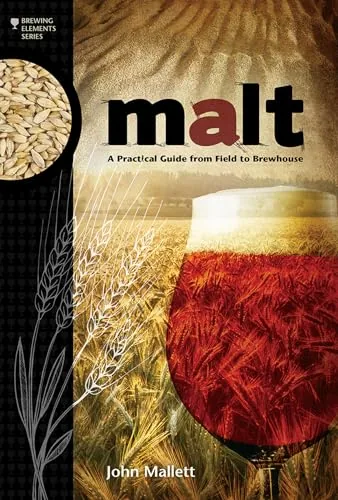
Malt: A Practical Guide from Field to Brewhouse
- Type
- Book
- Includes
- Brewing Elements series
- Publisher
- Brewers Publications
Best for Understanding grain bills
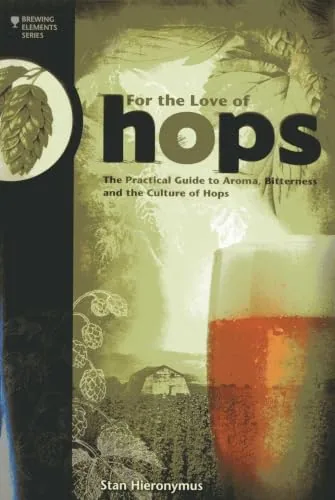
For the Love of Hops (Stan Hieronymus)
- Type
- Book
- Includes
- Brewing Elements series
- Publisher
- Brewers Publications
Best for Hop-focused brewers
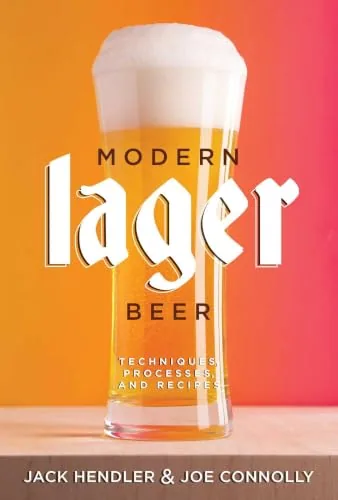
Modern Lager Beer (Brewers Publications)
- Type
- Book
- Publisher
- Brewers Publications
Best for Brewers moving into lagers
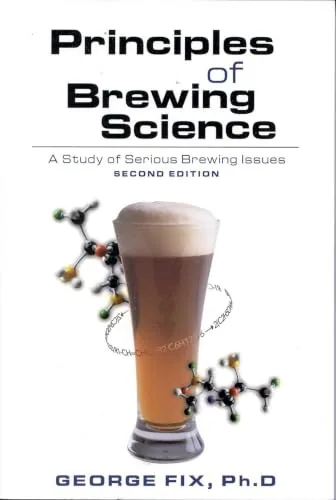
Principles of Brewing Science (George Fix)
- Type
- Book
- Publisher
- Brewers Publications
Best for Science-minded brewers
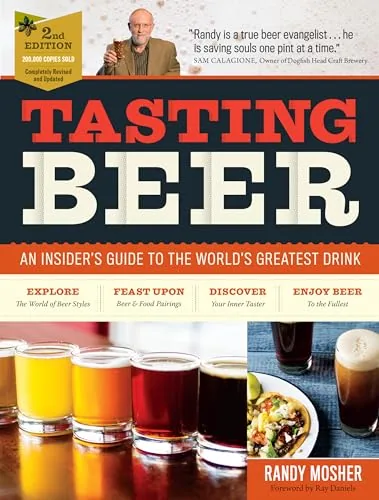
Tasting Beer, 2nd Edition (Randy Mosher)
- Type
- Book
- Includes
- 2nd edition
- Publisher
- Storey Publishing
Best for Brewers learning to evaluate beer
Matching guides: yeast starters and pitch rates, brewing water chemistry and lager brewing at home.
Brewing water chemistry calculatorSix brewing salts to ppm, sulfate to chloride ratio and residual alkalinity.Mead, cider, wine and kombucha books
- The Compleat Meadmaker (Ken Schramm) and The Complete Guide to Making Mead (Steve Piatz) for mead, from a first batch to fruit and spice variations. See how to make mead.
- The New Cider Maker’s Handbook (Chelsea Green) for serious cider makers, and The Big Book of Cidermaking (Storey) for home batches. See hard cider.
- The WineMaker Guide to Home Winemaking (Voyageur Press) covers beginner to advanced techniques with grape and fruit recipes; The Wine Maker’s Answer Book (Storey) is a troubleshooting Q&A.
- The Big Book of Kombucha (Storey) covers brewing and flavoring. Whatever any book says, follow extension food-safety guidance on pH and containers: kombucha safety.
- Gluten-Free Brewing (Robert Keifer, Brewers Publications) for beer from non-gluten grains.
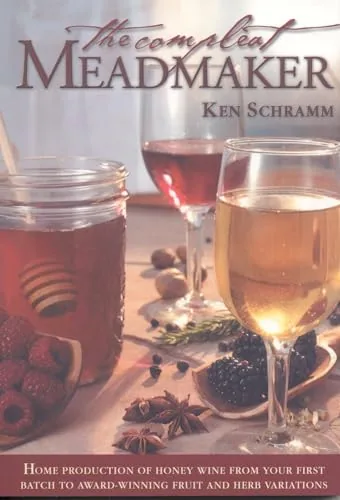
The Compleat Meadmaker (Ken Schramm)
- Type
- Book
- Includes
- Softcover
- Publisher
- Brewers Publications
Best for New mead makers
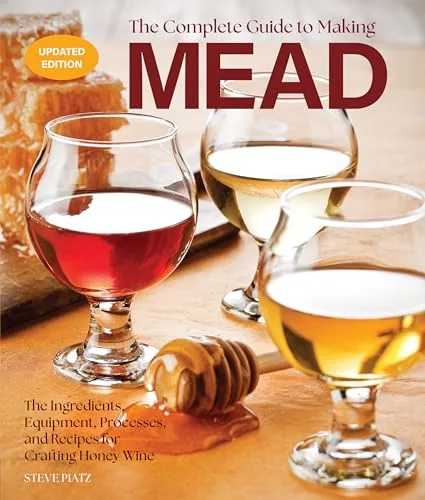
The Complete Guide to Making Mead, Updated Edition
- Type
- Book
- Publisher
- Voyageur Press
Best for Mead makers past the first batch
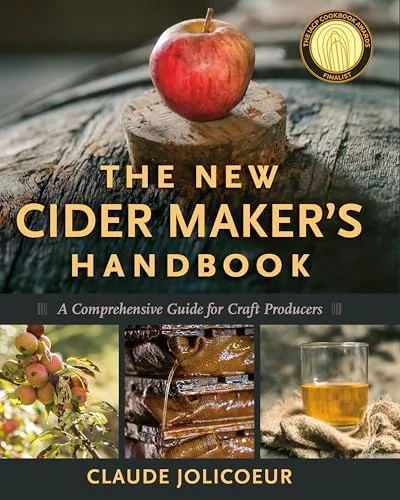
The New Cider Maker's Handbook
- Type
- Book
- Publisher
- Chelsea Green
Best for Serious cider makers
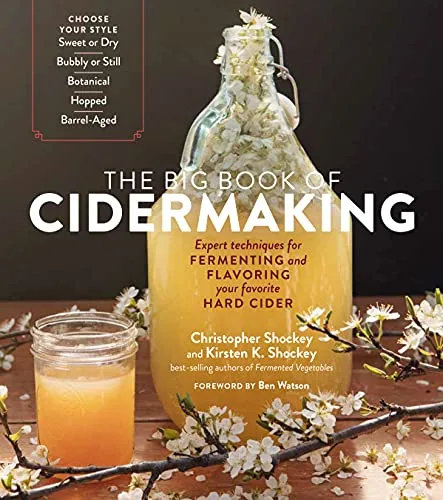
The Big Book of Cidermaking (Storey)
- Type
- Book
- Publisher
- Storey Publishing
Best for Cider makers past the first batch
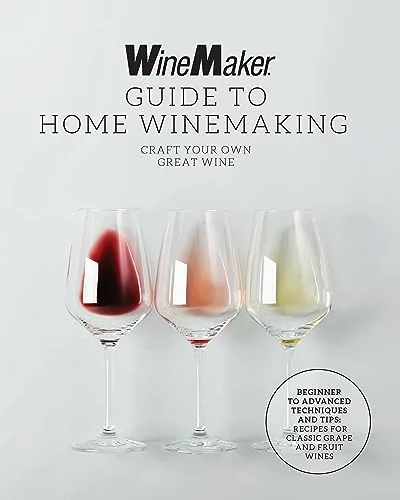
The WineMaker Guide to Home Winemaking
- Type
- Book
- Includes
- Grape and fruit wine recipes
- Publisher
- Voyageur Press
Best for Kit winemakers moving to fruit
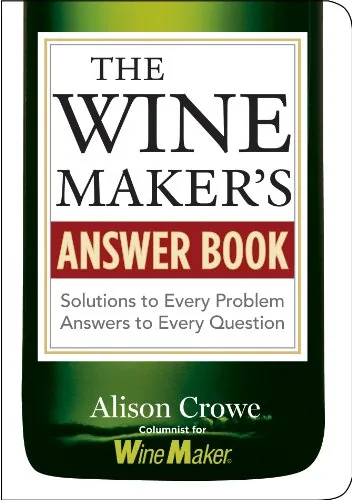
The Wine Maker's Answer Book (Storey)
- Type
- Book
- Publisher
- Storey Publishing
Best for Fixing wine problems
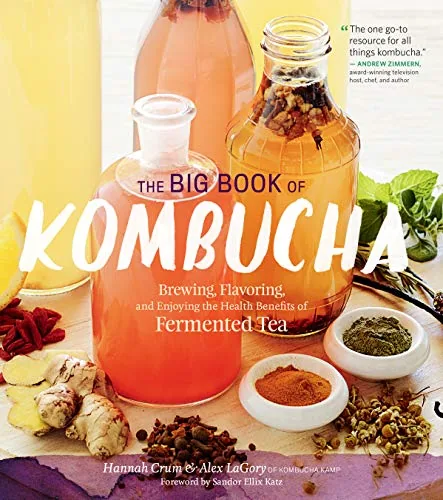
The Big Book of Kombucha (Storey)
- Type
- Book
- Includes
- 268 flavor combinations
- Publisher
- Storey Publishing
Best for Kombucha brewers
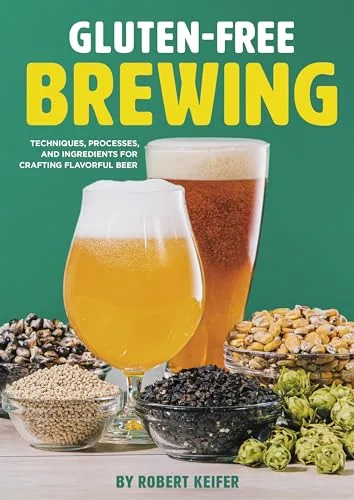
Gluten-Free Brewing (Brewers Publications)
- Type
- Book
- Publisher
- Brewers Publications
Best for Brewing beer without barley or wheat
Which book for which brewer?
Matching a book to where you are
| You are… | Start with | Then try |
|---|---|---|
| Planning a first extract batch | How to Brew or The Complete Joy of Homebrewing | Simple Homebrewing |
| Brewing 1 gal batches on a stove | Brooklyn Brew Shop’s Beer Making Book | How to Brew |
| Moving to all-grain or BIAB | How to Brew | Brewing Classic Styles; Water |
| Chasing a specific style | Brewing Classic Styles | Designing Great Beers; the BJCP guidelines |
| Fixing fermentation problems | Yeast (White and Zainasheff) | Modern Lager Beer for lagers |
| Making IPAs | For the Love of Hops | Water |
| Judging or entering competitions | Tasting Beer | BJCP guidelines |
| Fermenting beyond beer | The Compleat Meadmaker; The Big Book of Cidermaking | The WineMaker Guide to Home Winemaking |
Source: Publisher and listing descriptions
Most brewers end up with a mix of publishers: Brewers Publications for the technical shelf, Voyageur Press and Storey for practical guides from magazine and homestead traditions, and Chelsea Green for craft cider and wild fermentation. Buying one book from each layer (textbook, recipes, deep dive) is more useful than three books that cover the same beginner ground.
Print, e-book or both?
Textbooks and recipe books get used at the kettle, where a paper copy (or a printout of the recipe) survives splashes better than a phone. Reference books you search more than read, such as the Brewing Elements series, work well as e-books. Check the listing for the format and edition before you buy.
Free references worth bookmarking

The AHA’s how-to-brew hub has free tutorials for beer, mead and cider, and the BJCP guidelines are the shared vocabulary of every competition. Our brewing glossary covers the terms all these books assume you know.
How to choose, step by step
- Pick one textbook
How to Brew if you like detail, Complete Joy or Simple Homebrewing if you want a friendlier first read.
- Add one recipe book
Brewing Classic Styles if you want tested, style-by-style recipes; Designing Great Beers if you want to write your own.
- Choose your next deep dive
Whatever is limiting your beer: yeast for fermentation problems, water for flavor balance, hops for IPAs, Modern Lager Beer for lagers.
- Branch out when you are ready
Mead, cider or wine books when you want something to ferment while the beer conditions.
- Keep notes alongside
A paper or digital log makes any book more useful; try the brew-day log.
Mistakes when buying brewing books
- Buying the deep dives first. Water chemistry makes more sense after a dozen batches.
- Ignoring the edition. Older editions predate current hop varieties, dry-yeast guidance and BJCP categories; check the edition in the listing.
- Collecting recipes you can’t brew. Match recipe books to your setup (extract, BIAB, all-in-one).
- Treating any book as a safety authority. For propane, electrical, kombucha and chemical safety, follow current official guidance and labels.
Books as gifts for brewers 21+
Books are one of the safest gifts for a brewer you don’t know well, because they don’t depend on the gear they own. A beginner gets the most from How to Brew or Simple Homebrewing; a brewer a few years in will use Brewing Classic Styles or one Brewing Elements book; a brewer who has everything might enjoy Tasting Beer or a mead or cider book. More ideas in the gifts for brewers (21+) hub.
Gear picks for this guide: best gifts for home brewers (21+) and best beer making kits for beginners.
IBU calculator (Tinseth)Calculate beer bitterness in IBU with the Tinseth formula: add hop additions by weight, alpha acid and boil…Beer color calculator (SRM, Morey)Estimate beer color from your grain bill: malt color units to SRM with the Morey formula, EBC conversion and…Brewing water chemistry calculatorBrewing water salt calculator: gypsum, calcium chloride, Epsom, baking soda, salt and chalk to ppm, SO4:Cl…