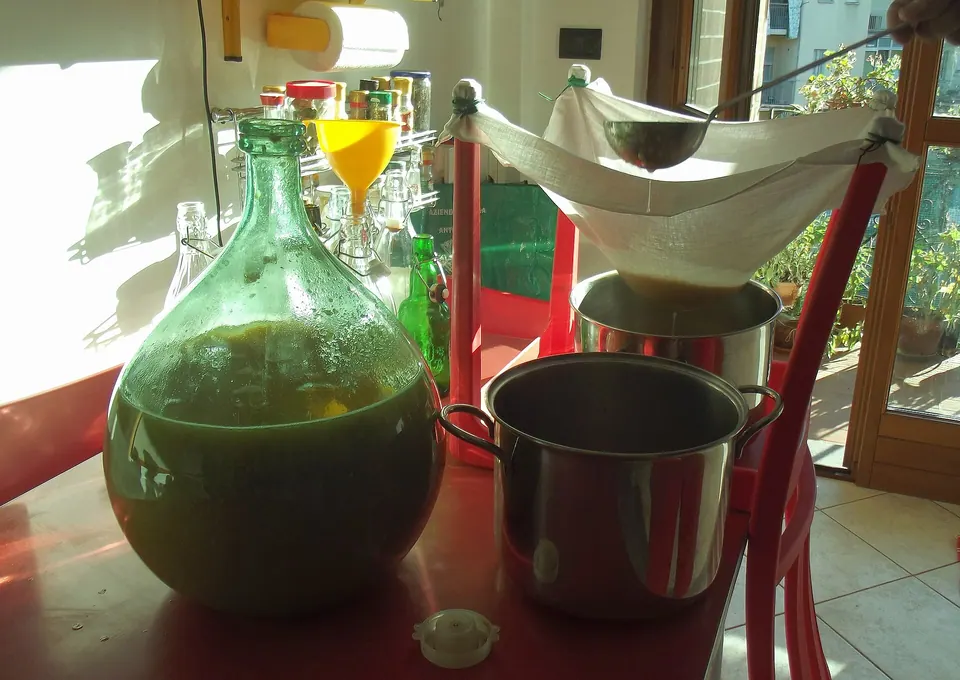
- How to make fruit wine at home: crushed fruit in a bag, sugar to about SG 1.090, acid, nutrient, pectic enzyme and one Campden tablet per gallon, then yeast 12–24 hours later.
- Virginia Tech Extension’s method: 3–10 days of primary, rack at about SG 1.030, finish below 1.000, then rack every 1–2 months until clear.
- Use a primary about twice the batch size: 2 gal for 1 gal of wine.
- Stabilize with sorbate (and sulfite) before you sweeten, or the wine can referment in the bottle.
- Whites need about 6 months of aging and reds 9–12 months, per the same extension guide.
How to make fruit wine at home is a great first fermentation project because a gallon fits on a kitchen counter, the equipment is cheap and the fruit can come from a garden, a farm stand or the freezer aisle. Berries, plums, peaches and rhubarb all make good wine; the process is the same and only the amounts change.
The method below follows Virginia Tech Extension’s “Wine Making for the Home Gardener” (HORT-213) for a 1 gal (3.8 L) batch, with maker data for yeast and additives. Use the recipe that comes with your fruit wine kit or book where it differs. We summarize published methods; we did not make these batches.
Equipment and ingredients for 1 gallon
- Primary: a 2 gal (7.6 L) bucket, about twice the wine volume, plus a nylon straining bag for the fruit.
- Secondary: a 1 gal glass jug or PET carboy with a stopper and airlock.
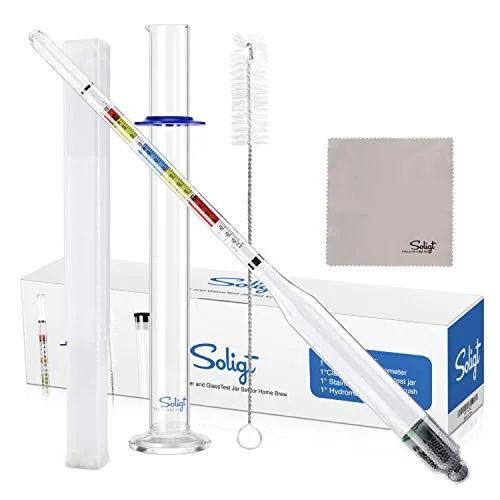
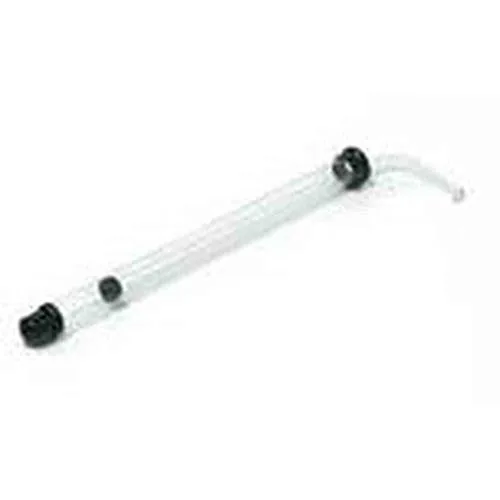
- Hydrometer, siphon, thermometer, sanitizer.
- Fruit: ripe, chopped or crushed; frozen fruit works and breaks down well.
- Sugar to bring the must to about SG 1.090.
- Acid blend (tartaric, malic and citric) for low-acid fruit; the Virginia Tech plum recipe uses ½ tsp per gallon.
- Yeast nutrient (1 tsp per gallon in the same recipe), pectic enzyme, and Campden tablets.
- Wine yeast, not bread yeast; Virginia Tech calls bread yeast unsuitable.
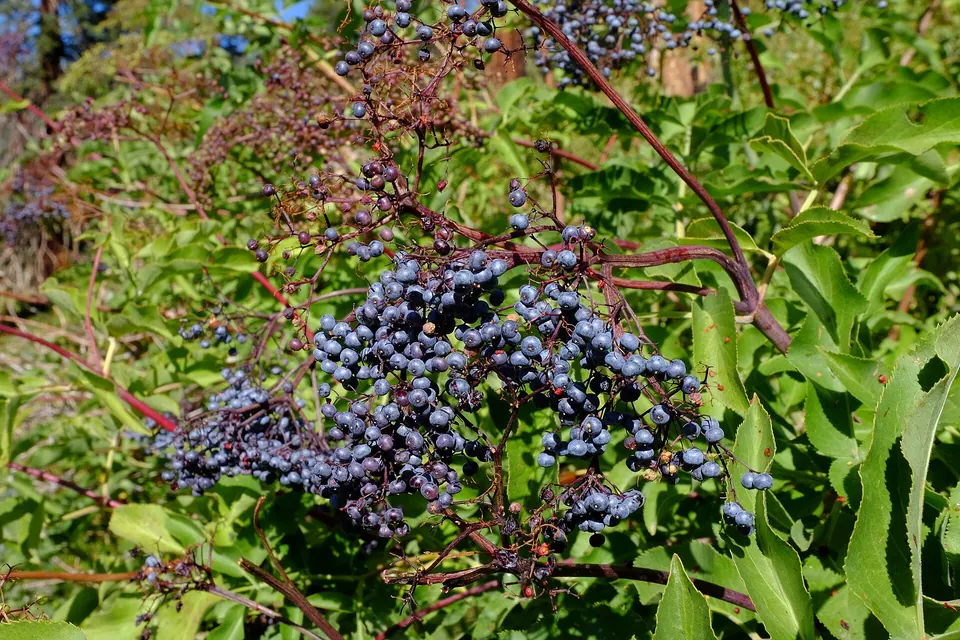
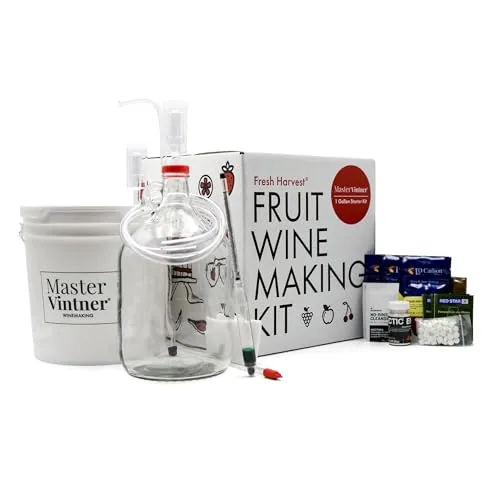
Master Vintner Fresh Harvest 1 gal Fruit Wine Kit
- Batch size
- 1 gal
- Type
- Equipment + additive kit
- Still need
- Fresh fruit
Best for Fruit wine from the garden
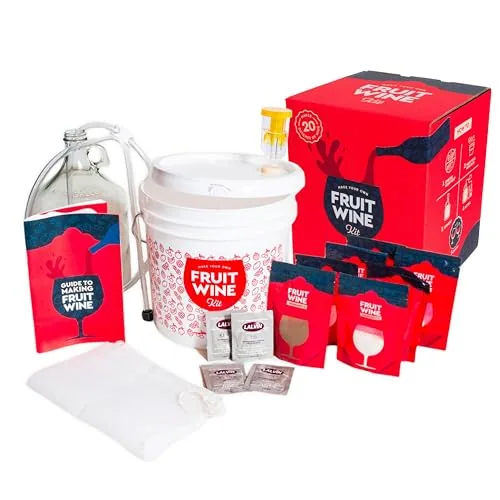
Craft A Brew Fruit Wine Making Kit, 1 gal
- Batch size
- 1 gal (up to 20 batches of additives)
- Type
- Equipment + additive kit
- Still need
- Fruit or juice
Best for Gift for a fruit-wine beginner
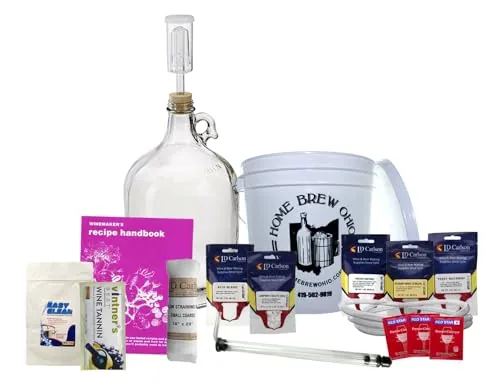
Home Brew Ohio 1 gal Wine from Fruit Kit with Mini Auto-Siphon
- Batch size
- 1 gal
- Type
- Equipment kit
- Includes
- Mini auto-siphon, instructions and recipe book
Best for Fruit wine at small scale
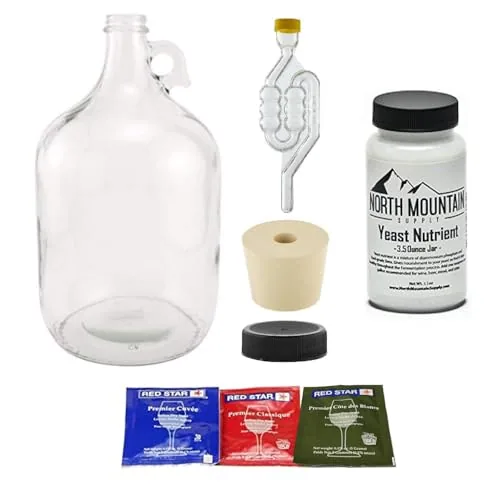
North Mountain Supply 1 gal Fermenting Jug Starter Kit
- Batch size
- 1 gal
- Type
- Glass jug kit
- Includes
- Jug, #6.5 stopper, airlock, lid, 3 yeasts, 3.5 oz nutrient
Best for 1-gallon cider, mead or wine
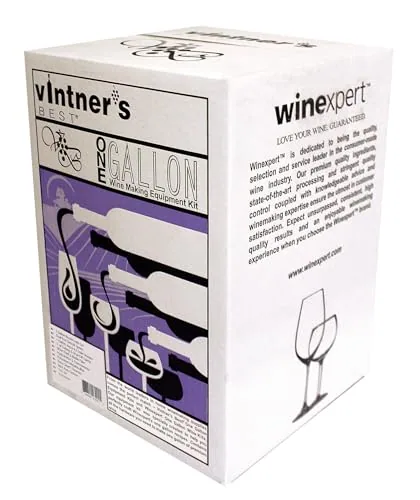
Vintner's Best One Gallon Wine Equipment Kit
- Batch size
- 1 gal (5 bottles)
- Type
- Equipment kit
- Still need
- One-gallon ingredient kit
Best for Small trial wines
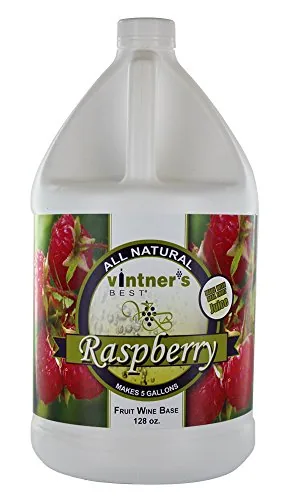
Vintner's Best Raspberry Fruit Wine Base, 128 oz
- Type
- Fruit wine base
- Includes
- 6–8 weeks to finished wine (maker)
- Size
- 128 oz jug
Best for Fruit wine from a base
Additives and yeast
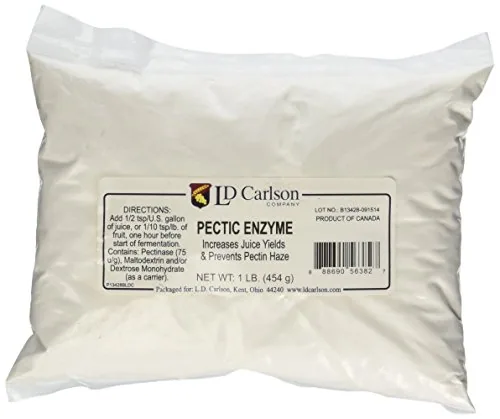
Home Brew Ohio Pectic Enzyme Powder, 1 lb
- Use
- Breaks down fruit pectin
- Type
- Pectic enzyme powder
- Size
- 1 lb
Best for Fruit wine and cider
LD Carlson Acid Blend, 8 oz
- Use
- Wine acid adjustment
- Type
- Acid blend
- Size
- 8 oz
Best for Fruit wines and meads
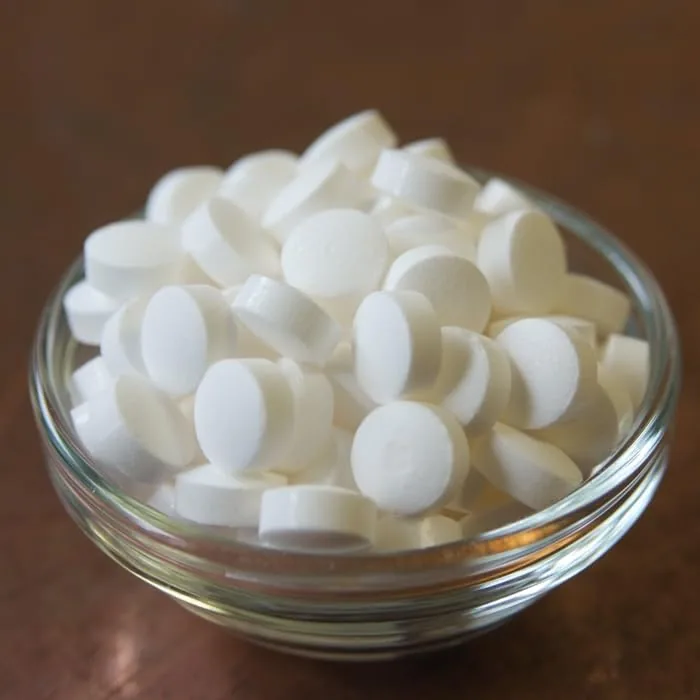
LD Carlson Potassium Campden Tablets, 1 lb
- Use
- Sulfite addition for wine and cider
- Type
- Potassium metabisulfite tablets
- Size
- 1 lb
Best for Winemakers and chloramine treatment
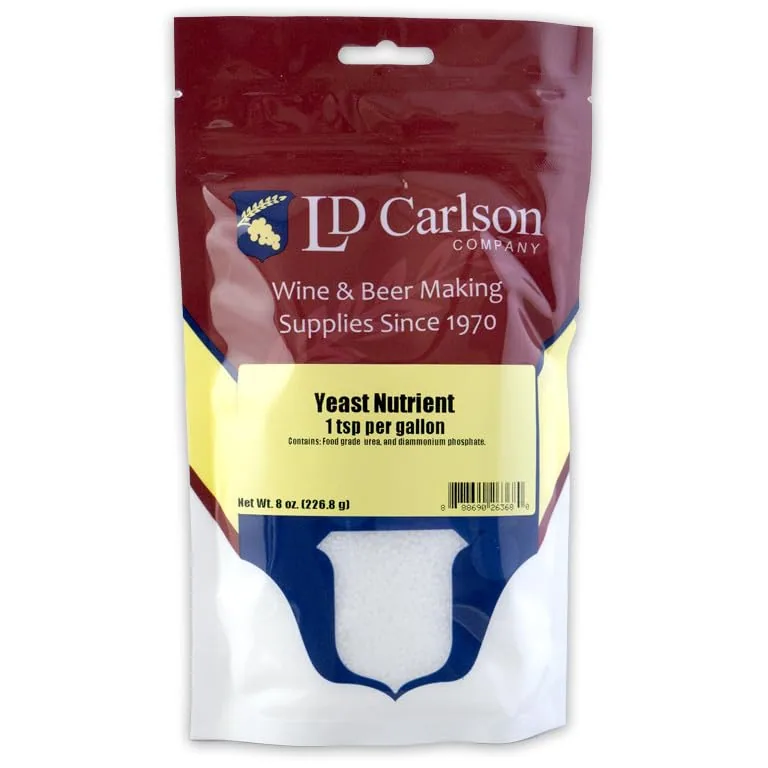
LD Carlson Yeast Nutrient
- Type
- Yeast nutrient
- Dose
- 1 tsp per gallon (listing)
- Size
- 2 oz (title) / 8 oz (attrs)
Best for Fruit wines and meads
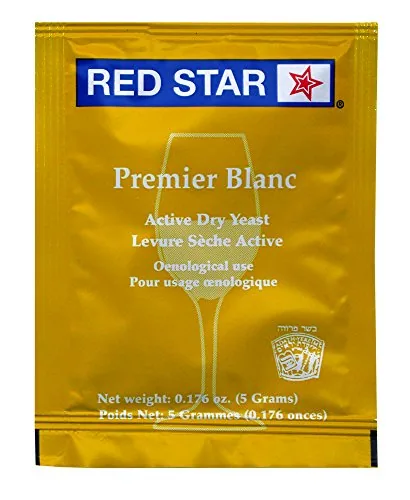
Red Star Premier Blanc Wine Yeast, 5 g
- Type
- Active dry wine yeast
- Dose
- 5 g for up to 6 gal
Best for Dry wines and restarting
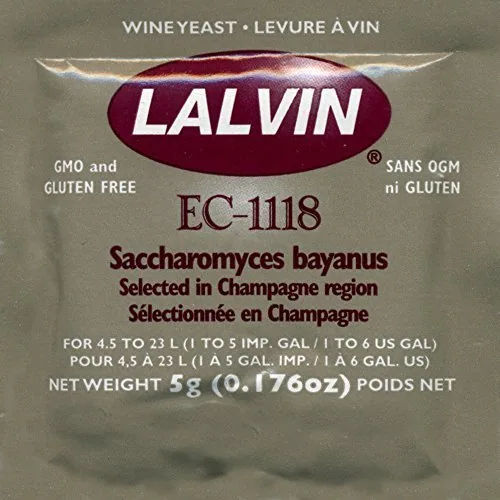
Lalvin EC-1118 Wine Yeast, 5 g
- Type
- Dry wine yeast (S. cerevisiae var. bayanus)
- Dose
- 25 g/hL (about 1 g/gal)
- Temp
- 50–86°F (10–30°C)
Best for Dry wines, ciders and meads
How to make fruit wine step by step
- Prepare the fruit
Use ripe fruit, remove stems and pits, chop or crush it and put it in a nylon bag in the primary.
- Add water and sugar
Add water to about 1 gal and stir in sugar until the hydrometer reads about SG 1.090, roughly 12% potential alcohol per Virginia Tech.
- Add acid, nutrient, pectic enzyme and Campden
Add acid blend if the fruit is low in acid, yeast nutrient, pectic enzyme at the label dose and one crushed Campden tablet per gallon.
- Wait 12–24 hours
The sulfite needs time to suppress wild yeast and dissipate before you add wine yeast. Cover the bucket loosely.
- Pitch wine yeast
Sprinkle or rehydrate per the sachet. For EC-1118, Lallemand gives a rehydration temperature of 35–40°C (95–104°F) and says to temper within 5–10°C of the must.
- Primary fermentation, 3–10 days
Virginia Tech suggests about 70°F for red fruit wines or 50–60°F for whites. Stir and squeeze the bag daily until the gravity drops to about 1.030.
- Rack to the jug
Remove the fruit bag, siphon into the jug, fit an airlock and keep it dark at 50–60°F. Add another Campden tablet at every other racking, per the guide.
- Rack until clear
Rack every 1–2 months until the wine is clear. Fermentation is finished when the gravity is below 1.000 and stable.
- Stabilize, then sweeten if you want
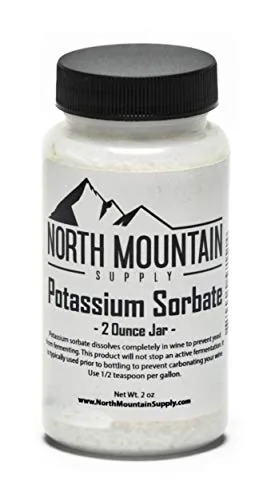
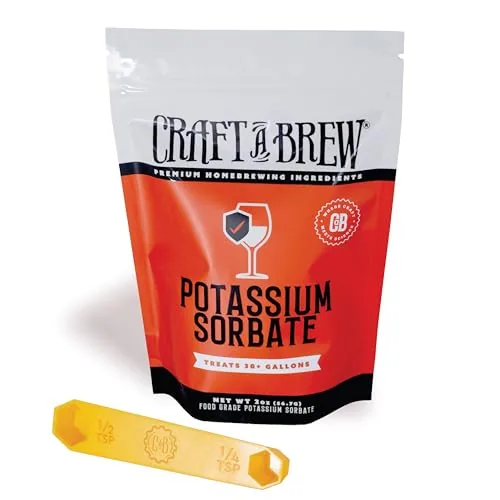
Add potassium sorbate (with sulfite) before sweetening with sugar syrup. Full method in stabilize and backsweeten.
- Age and bottle
Virginia Tech: whites need at least 6 months and reds 9–12 months. Store bottles at 50–60°F.
Gravity targets and timing
Fruit wine schedule at a glance (Virginia Tech method)
| Stage | Temperature | Length | Move on when |
|---|---|---|---|
| Must rest after Campden | Room temperature | 12–24 hours | Then pitch yeast |
| Primary on fruit | About 70°F (reds) or 50–60°F (whites) | 3–10 days | SG about 1.030 or lower |
| Secondary and clearing | 50–60°F, dark | Rack every 1–2 months | Clear and SG below 1.000 |
| Stabilize and sweeten | Cool | A few days | No new activity |
| Bulk or bottle aging | 50–60°F | 6 months (white) to 9–12 months (red) | Tastes smooth |
Source: Virginia Tech Extension HORT-213
Strength comes from the gravity drop. At SG 1.090 down to 0.996 the standard formula gives about 12.3% ABV; run your own numbers in the ABV calculator. To hit a target gravity after adding fruit and water, the dilution calculator does the arithmetic.
ABV calculatorStarting and final gravity to ABV, plus standard drinks per glass.Acid, pH and pectin
Fruit varies a lot in acid. Low-acid fruit (many berries, sweet cherries, pears) makes flat-tasting wine, while very tart fruit may need more water. Acid blend fixes the first case. A titration acid test kit measures total acidity if you want numbers; wine pH strips or a pH meter show the pH. Wine is fairly acidic, which helps it resist spoilage.
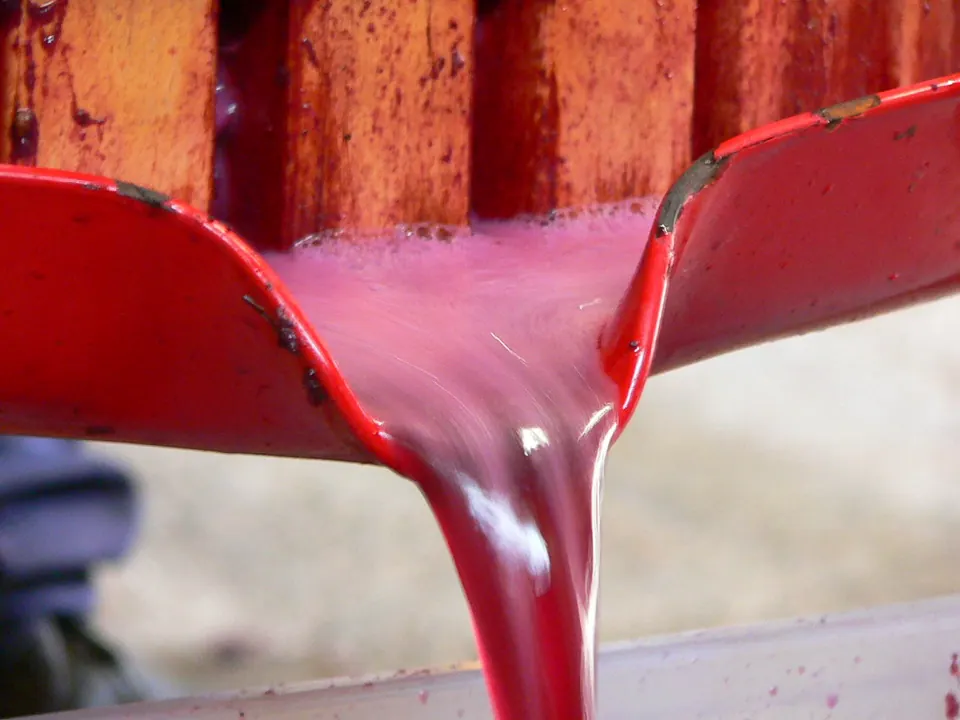
Pectic enzyme breaks down pectin, improving juice yield and preventing pectin haze; Virginia Tech says apples, blueberries and blackberries benefit most. Research also shows added pectinase can slightly raise methanol, which is still far from a safety concern in normal fermented wine; read methanol in homemade wine.
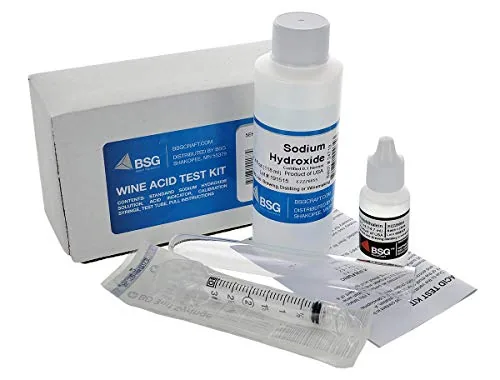
BSG Wine Acid Test Kit
- Range
- 50–100 tests
- Type
- Titratable acidity test kit
- Includes
- Sodium hydroxide, indicator, syringe, test tube
Best for Checking must acidity
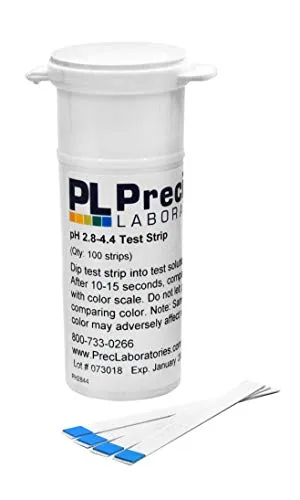
hBARSCI Wine pH Test Strips 2.8–4.4, 100 ct
- Range
- pH 2.8–4.4
- Scale
- Color-match strips
Best for Wine and cider pH checks
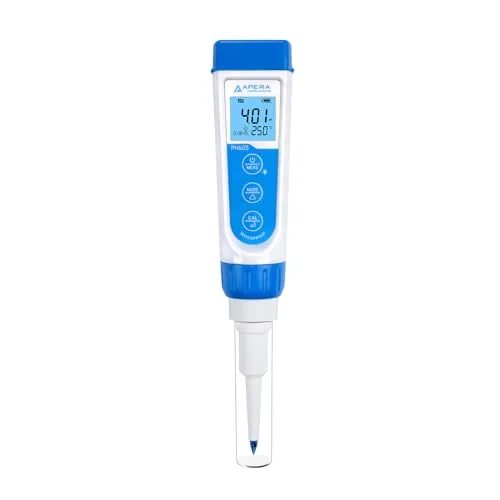
Apera PH60S Food pH Meter Kit (Spear Electrode)
- Range
- −2.00 to 16.00 pH
- Accuracy
- ±0.01 pH
- ATC
- Yes
Best for Kombucha and wine pH checks
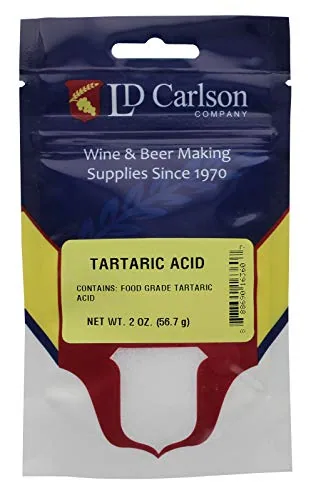
LD Carlson Tartaric Acid, 2 oz
- Use
- Wine acid adjustment
- Type
- Tartaric acid
- Size
- 2 oz
Best for Grape wines
Fresh fruit, frozen fruit, juice or a wine base?
All four make good wine; they trade effort against control.
- Fresh fruit gives the most aroma when it is fully ripe. Wash it, remove stems, pits and damaged pieces, and crush or chop it so the yeast and enzyme can reach the juice.
- Frozen fruit is often easier: ice crystals break the cells, so thawed fruit releases juice readily. Buy unsweetened fruit with no added preservatives.
- Pure juice skips the fruit bag and straining. As with cider, avoid juices that list potassium sorbate or sodium benzoate, because they are preserved against yeast.
- A fruit wine base such as Vintner’s Best is pasteurized, acid-balanced fruit in a jug. The maker lists 6–8 weeks to finished wine for its raspberry base, and the acidity is printed on the listing.
Scaling from 1 gallon to 5
Once a recipe works, scaling up is mostly multiplication: fruit, sugar, acid and nutrient scale with volume, while yeast sachets usually treat up to 5 gal (19–23 L), so one sachet covers the bigger batch. Measure gravity again rather than trusting the multiplied sugar weight, because fruit sugar varies with ripeness. A 5 gal batch needs a 7.9 gal primary and a 5 gal carboy, and it is heavier than it looks: about 40 lb of liquid, so plan how you will lift and rack it.
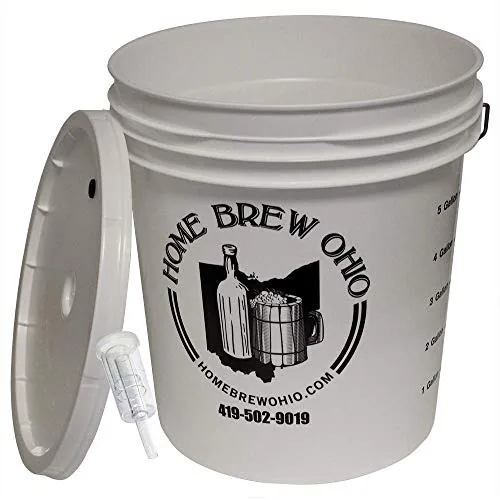
Home Brew Ohio 7.9 Gal Fermenting Bucket with Lid and Airlock
- Volume
- 7.9 gal
- Material
- Plastic bucket
- Outputs
- Grommeted lid, 3-piece airlock
Best for Wine kits and big beers
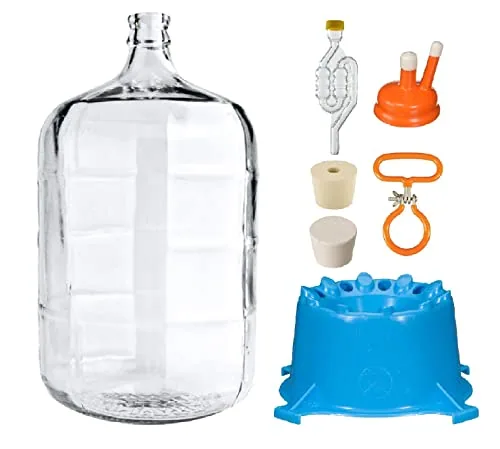
North Mountain Supply 5 Gal Italian Glass Carboy Set
- Volume
- 5 gal
- Material
- Italian glass
Best for Wine and mead aging
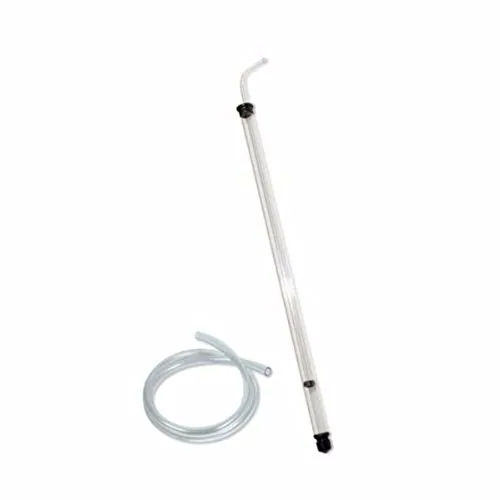
Fermtech Regular 5/16 in. Auto-Siphon, 24 in., with 8 ft Tubing
- Type
- Auto-siphon
- Size
- 5/16 in., 24 in. long, 8 ft tubing
Best for Racking and bottling 5-gallon batches
Keeping notes
Fruit wine takes months, which is long enough to forget what went in. Write down the fruit weight, sugar, acid, gravity readings and every racking date in the brew-day log; the next batch is easier when you can see what the last one did.
Common fruit wine mistakes
- Pitching yeast right after the Campden tablet. Wait 12–24 hours.
- Using bread yeast. Use a wine yeast; bread yeast is unsuitable per Virginia Tech.
- Too small a primary. Fruit and foam need about double the wine volume.
- Sweetening before stabilizing. The wine can restart in the bottle.
- Leaving the jug half full. Headspace means oxygen; top up with a similar wine or use a smaller jug.
- Bottling too young. Fruit wines often taste harsh for months and then round out.
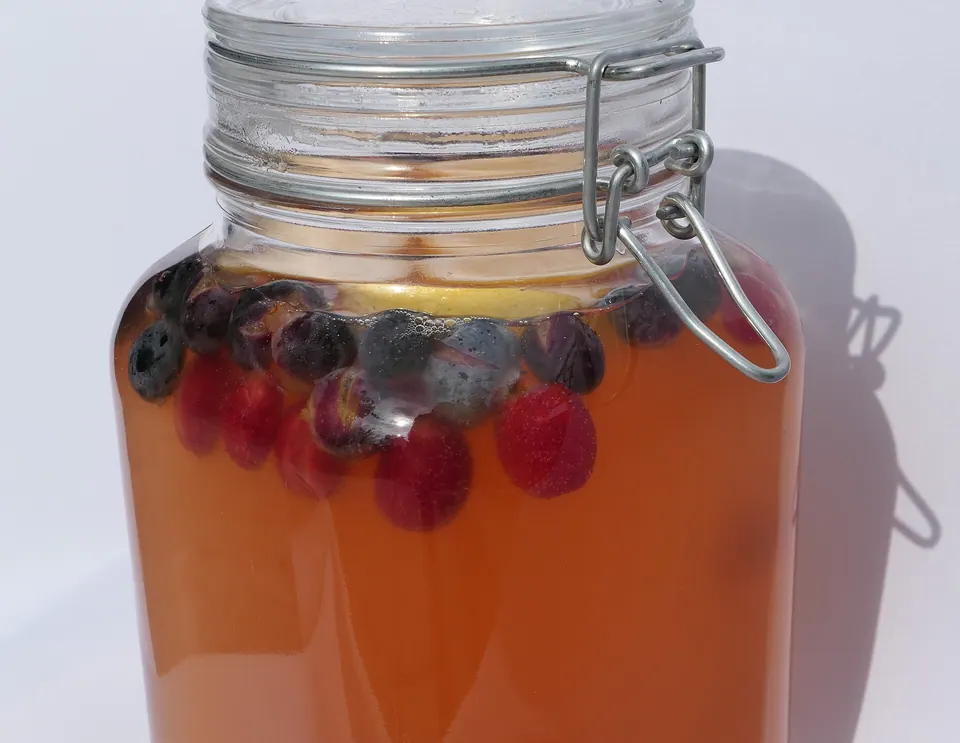
Who should try fruit wine?
Anyone with a kitchen corner and a gallon of fruit. If you want more predictable results, a fruit wine base or kit removes the guesswork; if you have a garden, the Virginia Tech method lets you use what is ripe. Cider fans should read how to make hard cider, and honey fans how to make mead. Small-batch gear lives in apartment and small-space brewing.
Federal rules let a household make up to 100 gal of wine (including cider and mead) a year with one adult, or 200 gal with two or more, for personal or family use only and never for sale (27 CFR 24.75). See is homebrewing legal for the details.
Gear picks for this guide: best wine yeast and best yeast nutrients for mead, wine and beer.
ABV calculatorWork out ABV from OG and FG with the standard and high-gravity formulas, hydrometer temperature correction,…Dilution and boil-off calculatorDilute wort to a target gravity, and work out pre-boil volume from your boil-off rate, boil time and losses,…Printable brew-day log and recipe sheetFree brew-day log: record recipe, water and salts, mash, gravities, yeast, fermentation temperatures,…Questions
How much fruit do I need for 1 gallon of wine?
How long does fruit wine take?
Why add a Campden tablet before the yeast?
Can I use frozen fruit to make wine?
How do I make fruit wine sweet?
What is the best yeast for fruit wine?
Sources
- Virginia Tech Extension HORT-213: Wine making for the home gardener
- Lallemand: Lalvin EC-1118 technical data sheet (PDF)
- Ohimain (2016): Methanol contamination in traditionally fermented alcoholic beverages, SpringerPlus (PMC)
- TTB: Wine labeling, declaration of sulfites
- 27 CFR 24.75: Wine for personal or family use (Cornell LII)
- NIAAA: What is a standard drink?