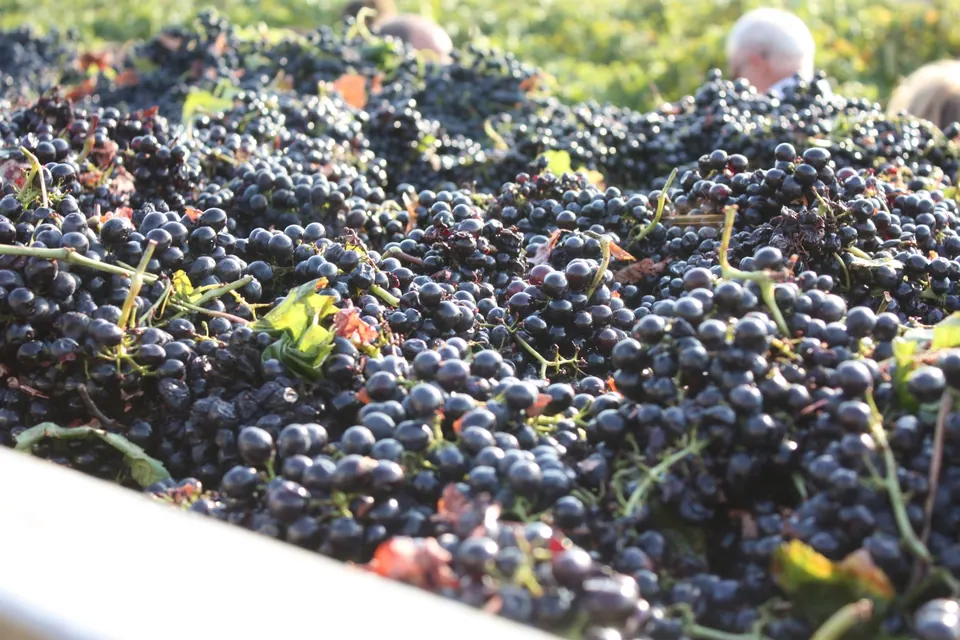
- Can homemade wine make you blind? Fermentation alone does not make wine or cider “blinding”. Methanol poisoning outbreaks are linked to adulterated and illicit spirits.
- Methanol in wine comes mainly from fruit pectin, released by pectin methylesterase enzymes; reds usually carry more than whites because of skin contact.
- The OIV caps methanol at 400 mg/L for red wine and 250 mg/L for white and rosé (OENO 19/2004).
- Added pectic enzyme can raise methanol somewhat, depending on the preparation and fruit. It does not reduce it.
- Distillation concentrates everything volatile, which is one reason home distilling is both dangerous and illegal without a federal permit. We never cover it.
Can homemade wine make you blind? It is one of the most common questions new winemakers ask, usually after hearing a story about illicit spirits. The short answer is no: ordinary fermentation of grapes, fruit, apples or honey does not produce dangerous amounts of methanol. The stories come from distilled and adulterated spirits, a different process with different risks.
This guide explains where methanol in wine comes from, what limits regulators set, what research says about pectic enzyme, and what actually keeps homemade wine safe. It draws on the International Organisation of Vine and Wine (OIV), a peer-reviewed review of methanol in fermented beverages, a PAHO/WHO alert on poisoning outbreaks and TTB. It is general information, not medical advice: anyone with symptoms after drinking should get emergency care.
Where methanol in wine comes from
Methanol is a natural part of fruit fermentation. Fruit cell walls contain pectin, and pectin carries methyl groups. When pectin methylesterase enzymes (from the fruit itself, and from some yeast and mold) break pectin down, they release methanol. Ohimain’s 2016 review in SpringerPlus describes this pathway and notes that pectin is abundant in citrus and grapes, and that strains of S. cerevisiae with pectin methylesterase activity can produce methanol during fermentation.
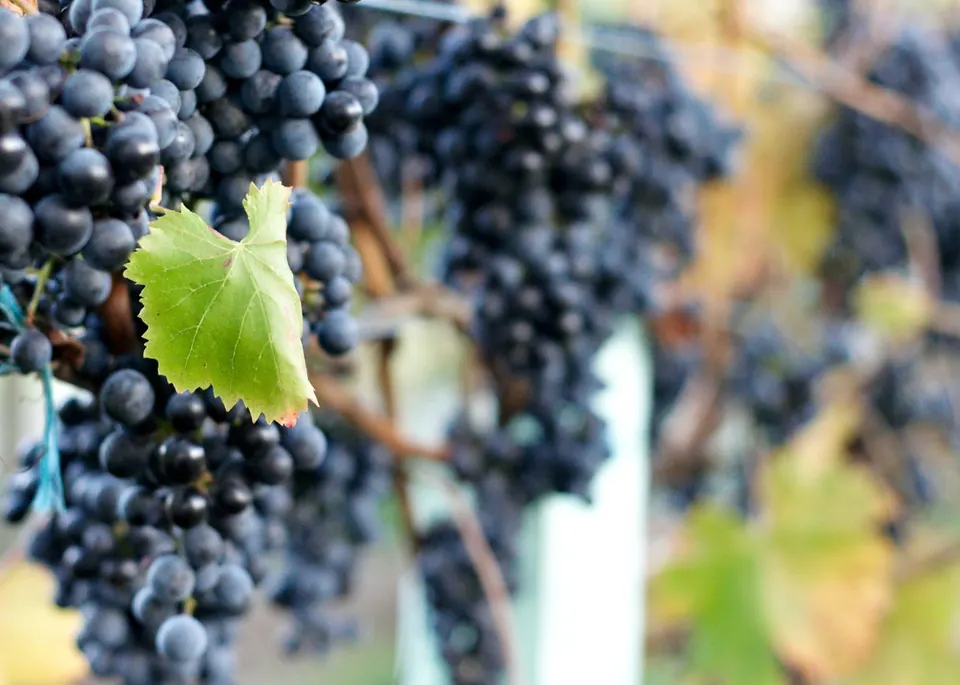
Two practical consequences follow. Wines fermented on skins and pulp, such as reds and many fruit wines, tend to have more methanol than juice fermented off the skins, because there is more contact with pectin. And anything that speeds pectin breakdown, including added pectic enzyme, can raise methanol somewhat.
Yeast does not make methanol from sugar the way it makes ethanol. That is why beer, made from malted grain with little pectin, is not part of this conversation, and why honey mead has very little.
How much methanol is allowed in wine?
OIV maximum methanol limits in wine
Resolution OENO 19/2004, milligrams per liter
These are the international limits for commercial wine set by the OIV. The higher red figure reflects the extra pectin contact from skins. Ohimain’s review lists national limits for wine and brandy in several countries, which differ in units and level but share the same idea: methanol is expected in fruit fermentations and is controlled in the finished product.
Methanol myths and facts
| Claim | Verdict | What the sources say |
|---|---|---|
| Homemade wine can make you blind | ✗ False for normal fermentation | Poisoning outbreaks are linked to adulterated alcoholic beverages (PAHO/WHO alert) |
| Throwing away the “first part” of a wine prevents methanol | ✗ Myth from distilling | Wine is not separated into fractions; that idea comes from spirits |
| Pectic enzyme reduces methanol | ✗ Opposite | Pectin-degrading esterases release methanol; added pectinase can raise it |
| Red wine has more methanol than white | ✓ Usually | Skin contact; OIV sets 400 mg/L for reds vs 250 mg/L for whites |
| Distilling makes it safer or stronger without risk | ✗ False and illegal | Distillation concentrates volatiles; TTB prohibits home distilling without a permit |
Source: OIV; Ohimain 2016 (PMC); PAHO/WHO 2025; TTB
Does pectic enzyme cause methanol?
Pectic enzyme preparations are a mix of enzymes. Some (polygalacturonases and lyases) cut the pectin chain; others (pectin esterases) strip the methyl groups and release methanol, as Ohimain’s review explains. Studies on red grapes and fruit wines have found higher methanol in batches treated with some commercial pectic enzymes than in untreated controls, with the size of the effect depending on the enzyme blend and the fruit.
So the honest summary is: pectic enzyme can raise methanol somewhat, and it never lowers it. It is still widely used by home and commercial winemakers to improve juice yield and prevent pectin haze, because the resulting wine remains an ordinary fermented beverage. If you want to keep methanol as low as practical, use pectic enzyme only where you need it (pectin-rich fruit like apples and berries), at the label dose, and avoid long hot soaks of fruit pulp.
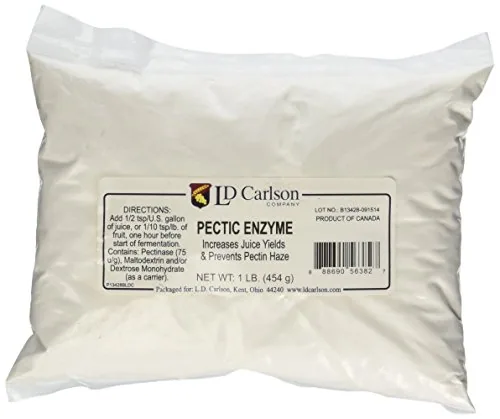
Home Brew Ohio Pectic Enzyme Powder, 1 lb
- Use
- Breaks down fruit pectin
- Type
- Pectic enzyme powder
- Size
- 1 lb
Best for Fruit wine and cider
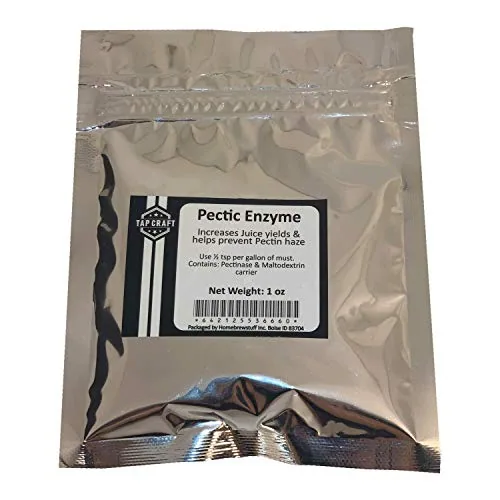
Tapcraft Pectic Enzyme, 1 oz
- Use
- Clearer wine and cider
- Type
- Pectic enzyme
- Size
- 1 oz
Best for 1-gallon fruit batches
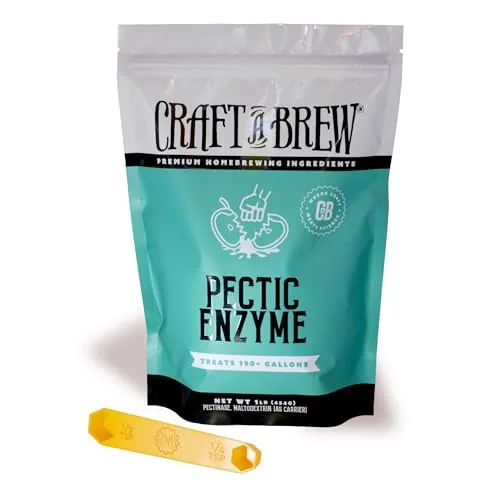
Craft A Brew Pectic Enzyme, 1 lb
- Use
- Reduces pectin haze
- Type
- Pectic enzyme
- Size
- 1 lb
Best for Frequent fruit winemakers
More about how pectic enzyme fits into a recipe in how to make fruit wine and finings and clarifiers.
Why methanol poisoning is linked to spirits
PAHO and WHO issued an alert in October 2025 after outbreaks of methanol poisoning across the Americas, associated with consumption of adulterated alcoholic beverages; it notes at least five countries in the region reported cases and deaths in the previous five years. The pattern is the same worldwide: industrial methanol added to stretch or fake spirits, or poorly made illicit spirits, not wine from a carboy.
Distillation concentrates the volatile parts of a fermented liquid. That is one reason the methanol myth attaches to home stills, and one reason TTB treats home distilling seriously: federal law prohibits producing distilled spirits at home without a permit, even for personal use, and unregistered stills can be seized. This site never covers stills, “freeze concentration” or any other way of concentrating alcohol.
How to keep homemade wine safe, step by step
- Start clean
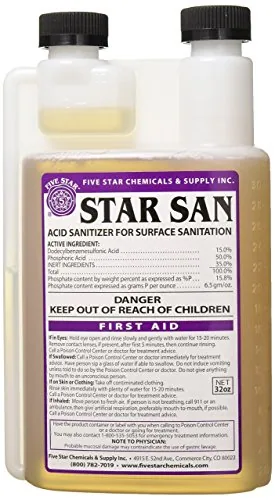
Clean, then sanitize everything that touches the must. See cleaning vs sanitizing.
- Use sound fruit or a kit
Discard moldy or rotten fruit. Moldy fruit brings unwanted microbes and enzymes.
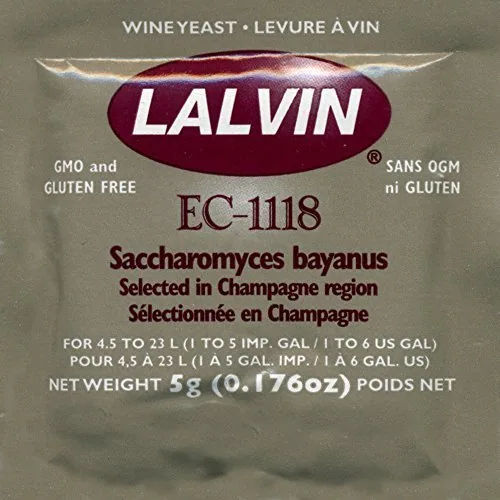
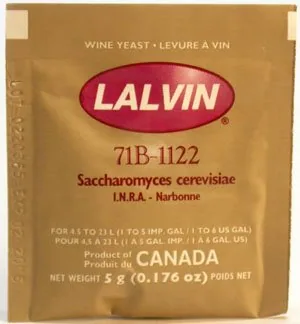
- Use real wine yeast and nutrients
A strong, clean fermentation outcompetes spoilage organisms. Follow the sachet.
- Use additives at label doses
Pectic enzyme, sulfite and sorbate only as the package says.
- Watch for spoilage signs
Vinegar smell, slimy texture or mold film are quality problems; discard if in doubt. Methanol does not announce itself, which is another reason not to distill or add anything not made for wine.
- Never “fortify” with mystery alcohol
Do not add denatured alcohol, fuel alcohol or anything not sold as a beverage. That is how real methanol poisoning happens.
- Measure and know the strength
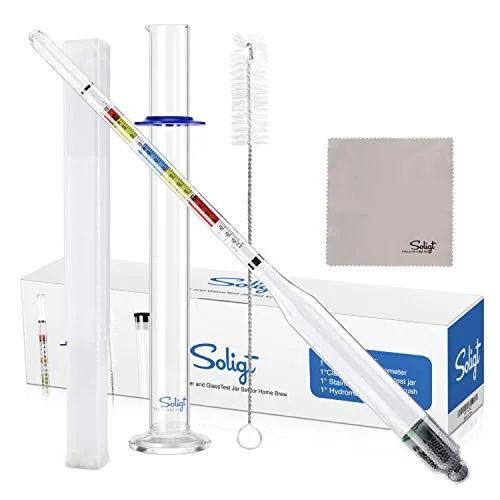
Use a hydrometer and the ABV calculator so you know how many standard drinks are in a glass.
- Keep records
The brew-day log keeps ingredients, additives and readings together.
Fruit by fruit: what raises or lowers methanol
You do not need a lab to make sensible choices. The same few factors show up across the research on fruit fermentations:
- Pectin-rich fruit. Apples, plums, citrus, grapes and many berries contain more pectin than juice-based or honey-based musts, so they start with more potential methanol.
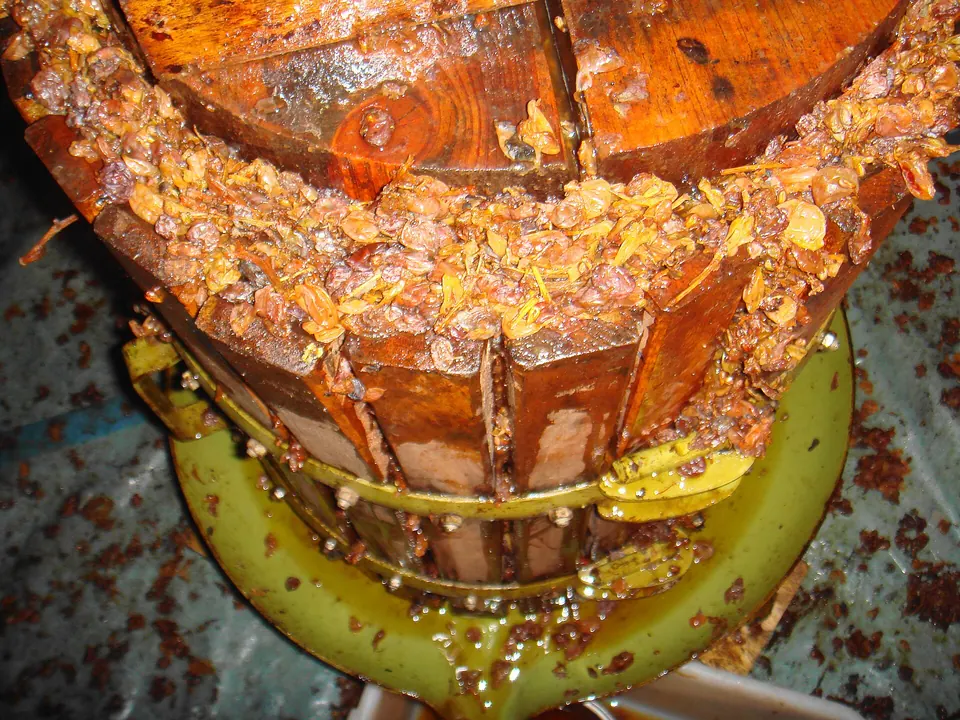
- Skin and pulp contact. Fermenting on skins (red wine, fruit in a bag) gives enzymes more pectin to work on. Pressing first and fermenting juice, as with white wine and most cider, means less.
- Enzyme additions. Added pectic enzyme speeds pectin breakdown. Use the label dose, and skip it for fruit that clears on its own.
- Sound fruit. Rotting and moldy fruit carries extra microbes and enzymes. Sort it out before crushing.
- Honey and sugar. Mead, hard seltzer and sugar-based musts have very little pectin, so methanol is not a meaningful topic for them.
None of these choices turns a normal homemade wine into a dangerous one; they simply nudge the level up or down within the range that regulators expect for fermented fruit. The single decision that changes the picture is concentration, which is why distilling is the line this site never crosses.
Symptoms are a medical emergency
Methanol poisoning from illicit or adulterated spirits can look like ordinary drunkenness at first, with severe effects hours later. If anyone has vision changes, severe headache, confusion or trouble breathing after drinking, call 911 or Poison Control (1-800-222-1222) right away; do not wait to see whether it passes.
Where to go from here
If you are new to wine, cider or mead, the guides in the wine, cider, mead and kombucha hub walk through each process with sourced additive doses, and the wine, cider and mead category lists kits and equipment by batch size. Start with a kit or a single gallon, follow the label for every additive, and keep notes; that is what makes homemade wine predictable.
What should actually worry a home winemaker?
For most batches, the realistic risks are mundane: exploding bottles from refermentation, broken glass carboys, sulfite reactions in sensitive guests, and drinking more than you meant because homemade wine is often strong. Each has a guide: stabilizing before sweetening, brew-day safety and the sulfite note in every wine guide. Heavy drinking itself, not methanol, is the main health risk of any wine, which is why the CDC lists people who should not drink at all, including anyone under 21 and anyone pregnant.
Gear picks for this guide: best wine making kits and best wine yeast.
ABV calculatorWork out ABV from OG and FG with the standard and high-gravity formulas, hydrometer temperature correction,…Printable brew-day log and recipe sheetFree brew-day log: record recipe, water and salts, mash, gravities, yeast, fermentation temperatures,…Questions
Can homemade wine make you blind?
How much methanol is in homemade wine?
Does pectic enzyme cause methanol?
Does homemade cider contain methanol?
Is beer a methanol risk?
Why do people say distilled homemade alcohol makes you blind?
Does homemade mead or hard seltzer contain methanol?
Sources
- OIV: Maximum content limits of methanol in wines (OENO 19/2004)
- Ohimain (2016): Methanol contamination in traditionally fermented alcoholic beverages, SpringerPlus (PMC)
- PAHO/WHO: Epidemiological alert, risk of methanol poisoning (Oct 2025)
- TTB: Penalties for illegal distilling
- CDC: Moderate alcohol use
- NIAAA: What is a standard drink?