Fermentis
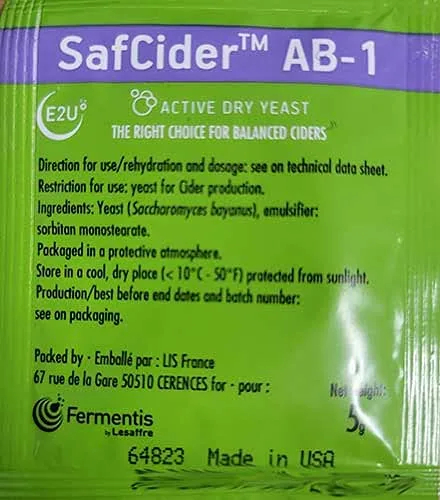
Fermentis SafCider AB-1 Dry Cider Yeast, 5 g (3-pack)
- Type
- Dry cider yeast
- Size
- 3 x 5 g
Best for Hard cider batches
Wine kits and equipment, hard cider and mead kits, hard seltzer bases, kombucha starter kits and the yeast, corkers and test kits around them.
Best for Hard cider batches
Best for Hard cider from juice
Best for Dry and semi-sweet meads
Best for Cider House Select kits
Best for Crisp white wines
Best for Off-dry ciders and meads
Best for Dry wines and restarting
Best for Dry wines and ciders
Best for Semi-sweet fruit wines and meads
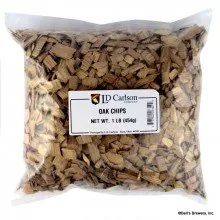
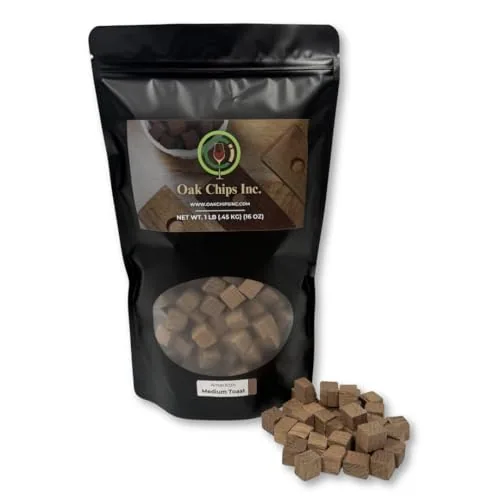
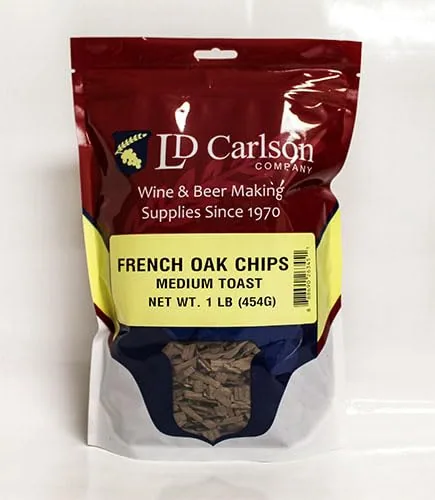
Best for Oaking wine or porter
Best for Long aging of wine or stout
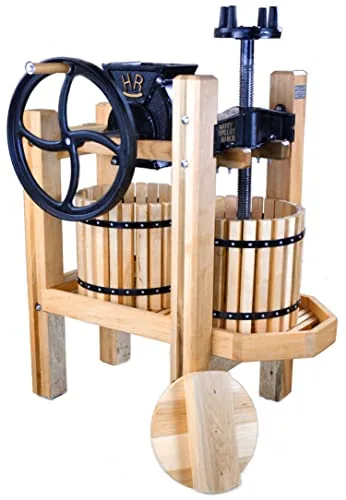
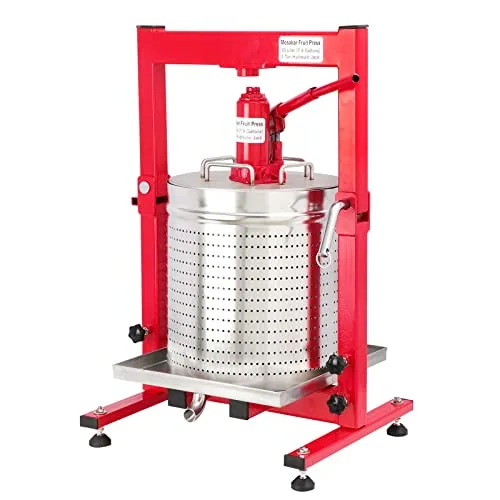
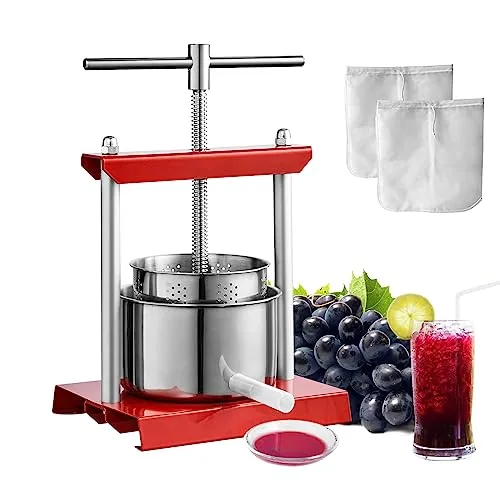
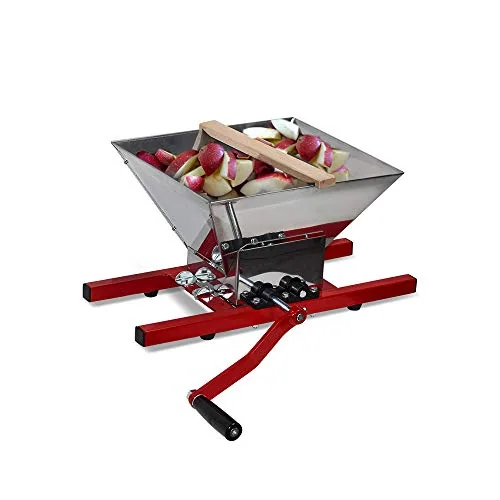
Best for Pressing your own apples for cider
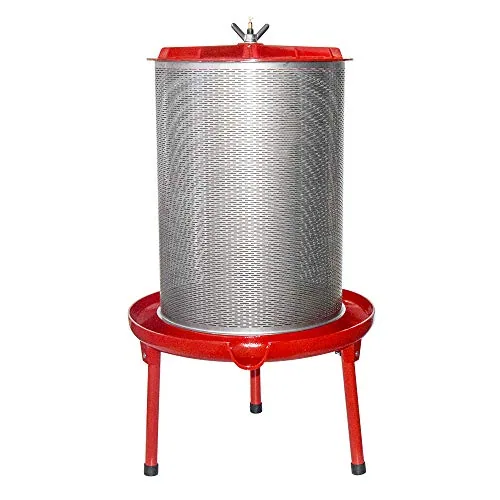
Best for High-yield apple and grape pressing
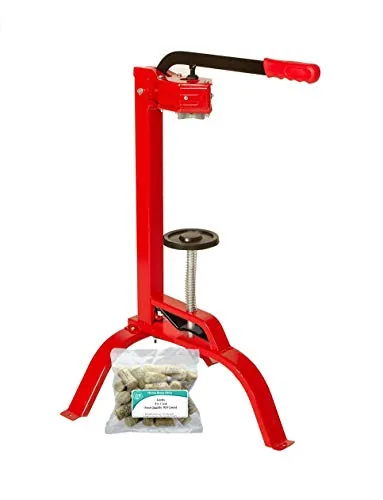
Best for Bottling a wine kit
Best for Several wine batches
Best for Polishing wine before bottling
Best for Kombucha in winter
Best for Continuous-brew kombucha
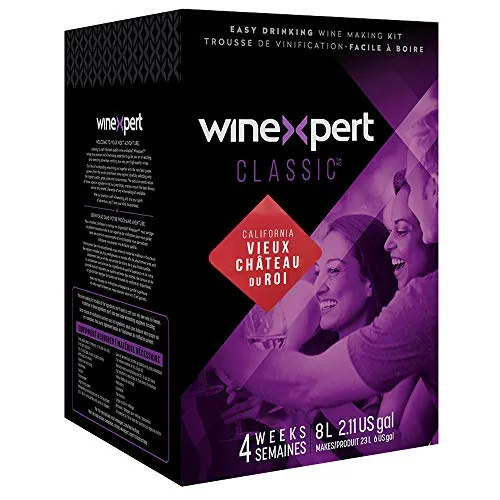
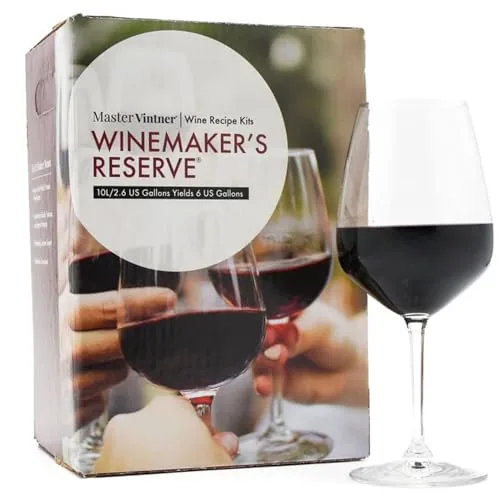
Best for Red wine from a kit
Best for Classic red wine kit
Best for Gifting a premium wine kit
Best for Kit red wine
Best for Pairing with the Wild Grapes equipment kit
Best for Very small first wines
Best for Fruit wine from a base
Best for Fruit wine at small scale
Best for Everything but the wine kit
Best for Hard cider with beer gear
Best for Gift for a beginner 21+
Best for Easy sweet cider
Best for Refilling a 1-gallon jug kit
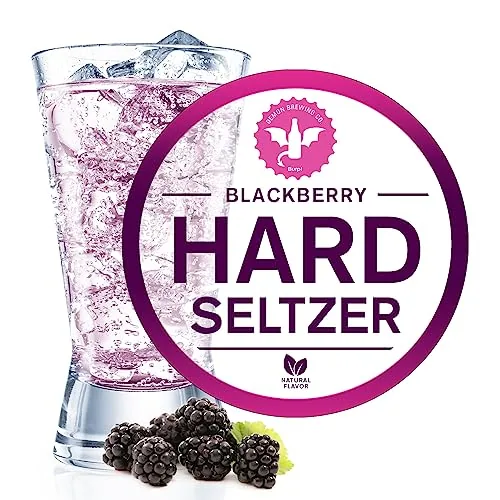
Best for Summer seltzer batches
Best for Flavored, bottled kombucha
Best for A tidy first kombucha kit
Best for New mead makers
Best for Kit winemakers moving to fruit
Best for Kombucha brewers
Best for Serious cider makers
Best for Red wines
Best for Bottling 6-gallon wine kits
Best for A first kombucha batch
Best for Small-space first wine
Best for Off-dry white wine
Best for Crisp white wine
Best for Starting with Wild Grapes kits
Best for Small trial wines
Best for Fall cider with beer gear
Best for Mead makers past the first batch
Best for Cider makers past the first batch
Best for Occasional wine bottling
Best for Kombucha on a budget
Best for Gift for a fruit-wine beginner
Best for A first wine kit with equipment
Best for Easy-drinking fruit wine
Best for Fixing wine problems
Best for 1-gallon cider, mead or wine
Best for A complete first kombucha setup
Best for A first hard cider
Best for First 6-gallon wine kit
Best for Replacing a SCOBY
Best for A first mead
Best for Fruit wine from the garden
Best for Brewing and bottling kombucha
Best for A first red wine
Best for Oak-aging beer or wine
Best for Adding tannin to wine
Best for A 1-gallon mead
Best for Small wildflower meads
Best for Dark or blended meads
Best for A quick red wine kit
Best for Red wines from fresh grapes or juice
Best for 1-gallon cider batches
Best for Pressing apples without a jack
Best for Pairing with a small press
Best for Bottling one wine kit
Best for Wine kit bottling
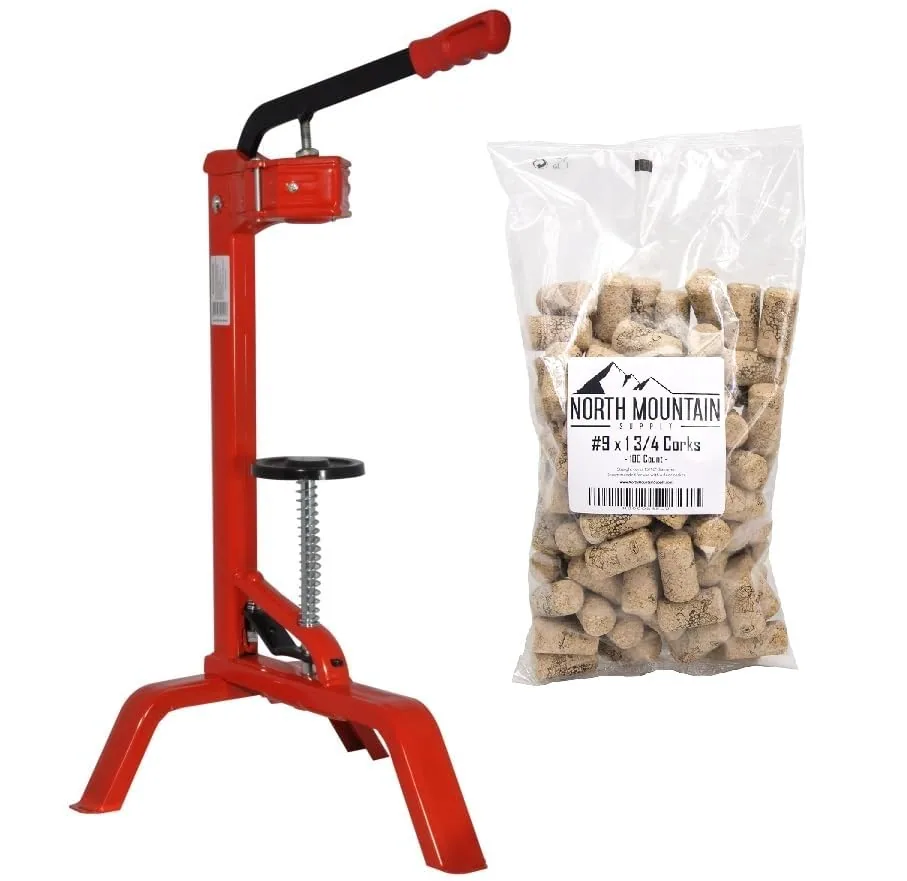
Best for Corking a few bottles
Best for Super-Jet owners
Best for Degassing in glass carboys
Best for White wine from a kit
Best for Off-dry white
Best for Cabernet from a kit
Best for Sweet fruit wine
Best for Kit red wine
Best for A tiny first mead
Best for BrewDemon fermenter owners
Best for Small cider batches
Best for Trying sake at home
Best for Everything for a first kombucha
Best for Starting kombucha from a culture
Best for First-time winemakers
Best for Country-wine experimenters
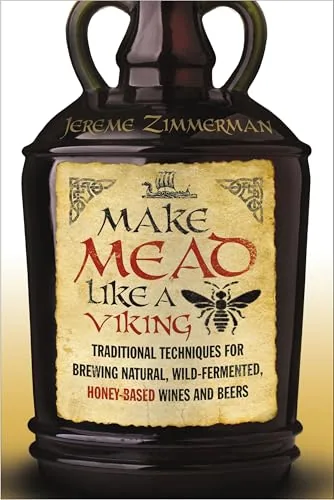
Best for Mead makers curious about tradition
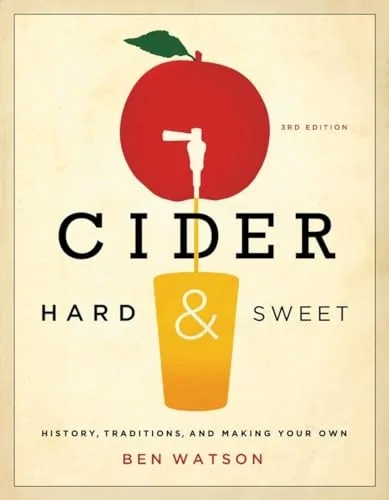
Best for Cider fans
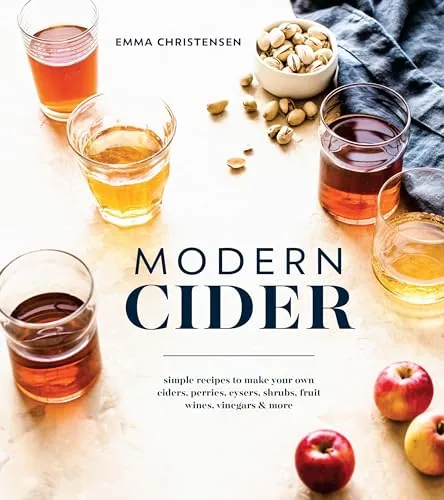
Best for Small-batch cider makers
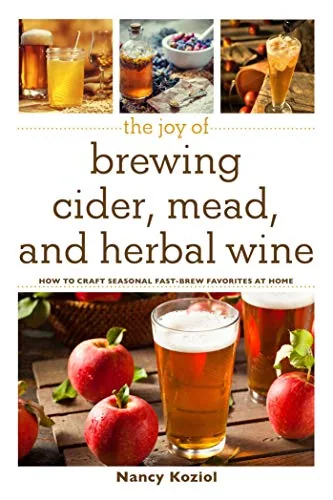
Best for Beyond-beer beginners
Best for Mead recipe ideas
Best for Brewers branching beyond beer
Best for Craft A Brew fans
Best for Wine for drinking within a year
Best for Trying mead at small scale
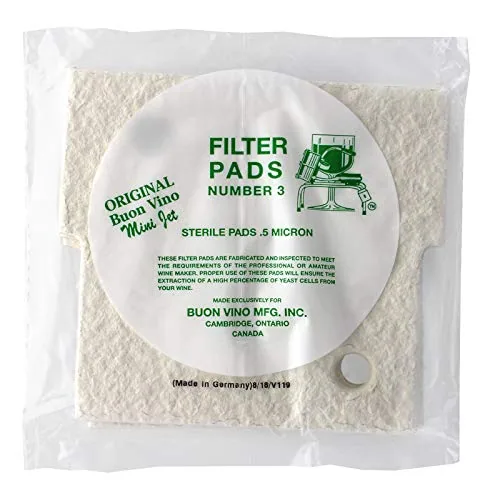
Best for Mini-Jet owners
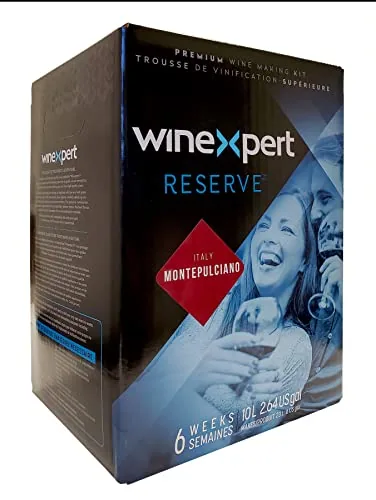
Best for Italian-style reds
Best for Fuller Italian-style reds
Best for Small seltzer batches
No product matches every filter. Clear one to see more.
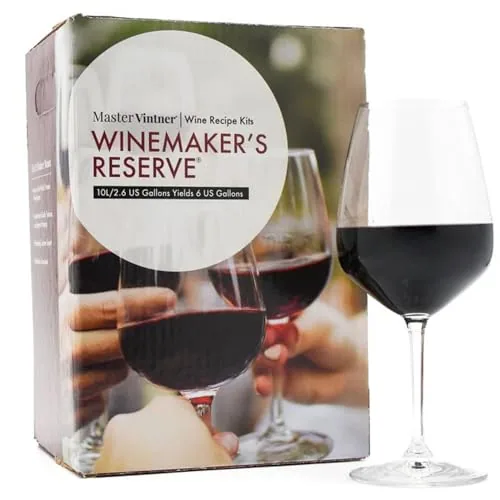
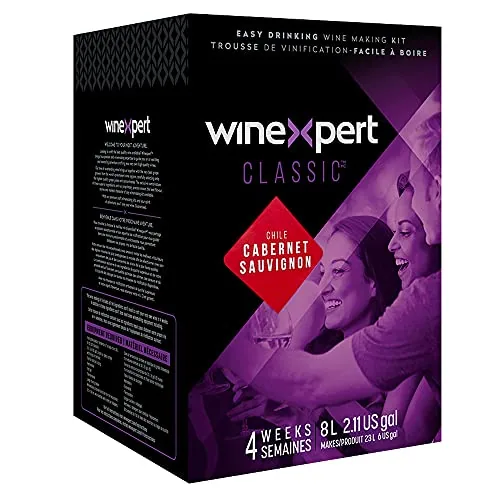
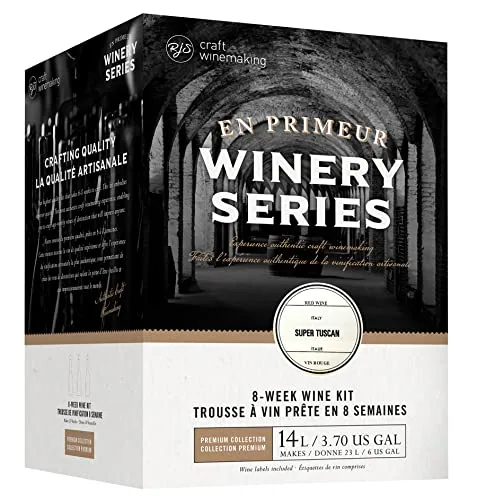
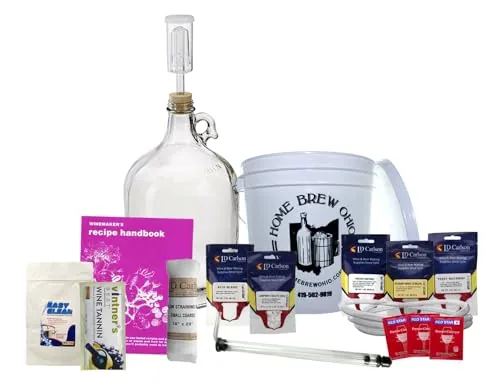
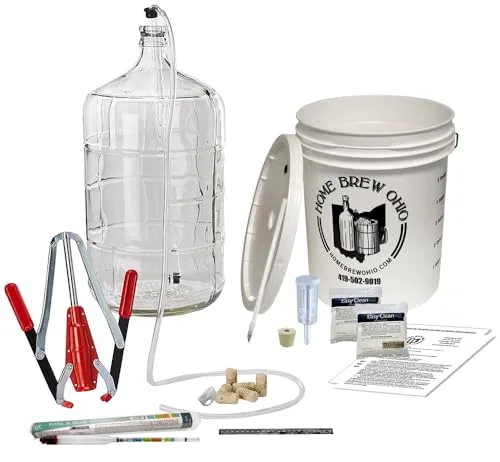
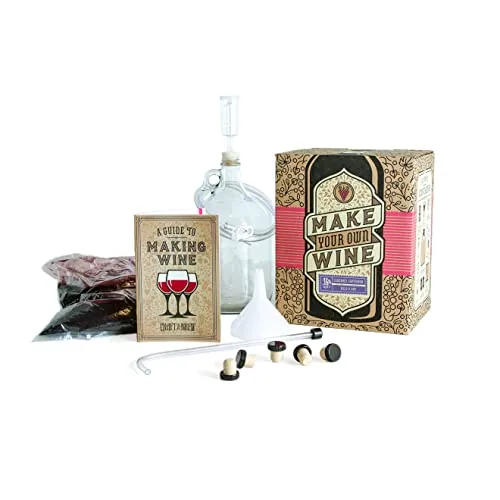
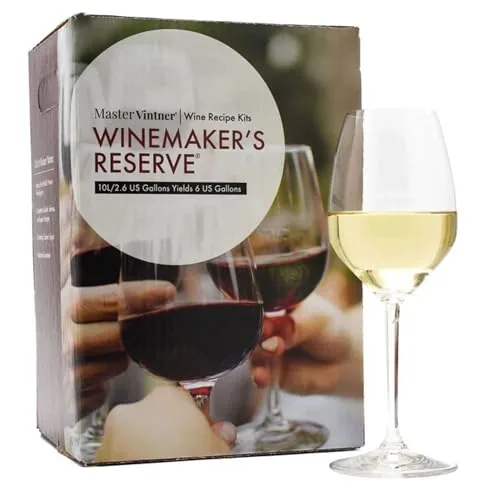
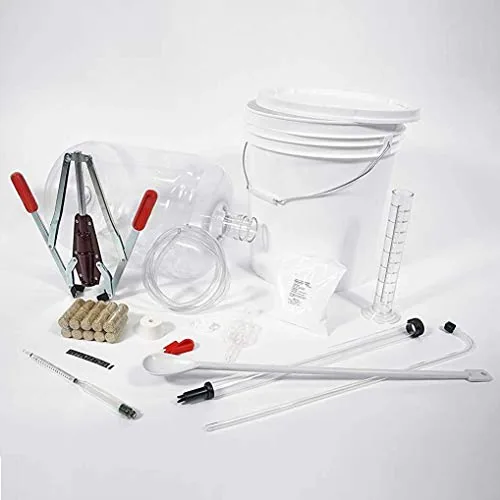
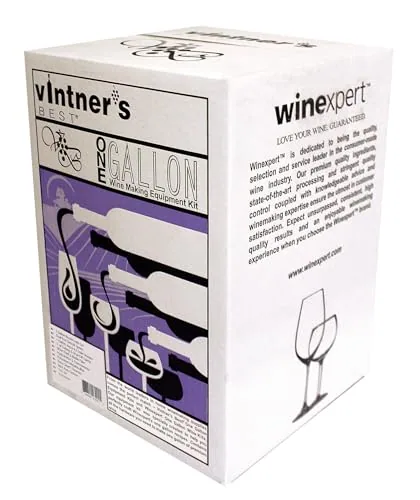
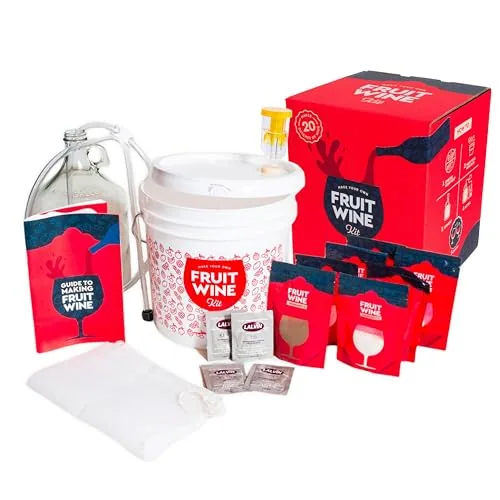
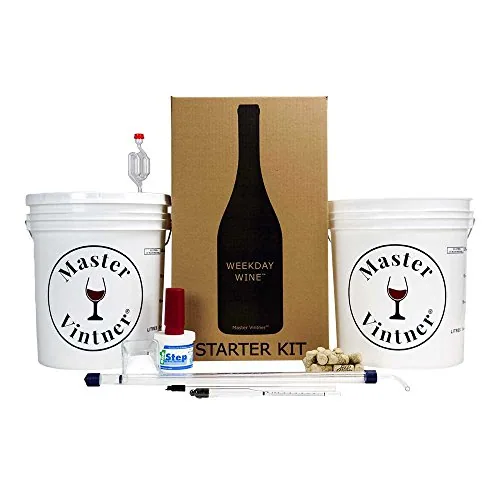
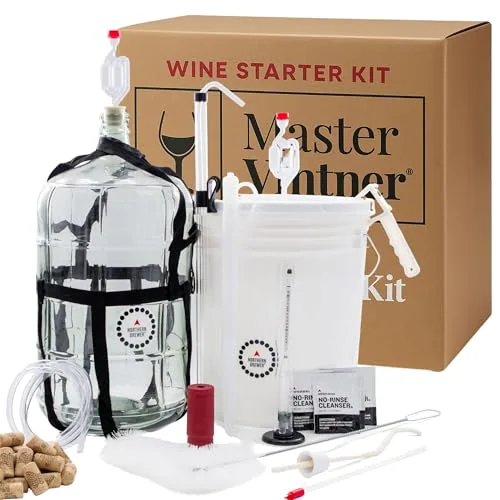
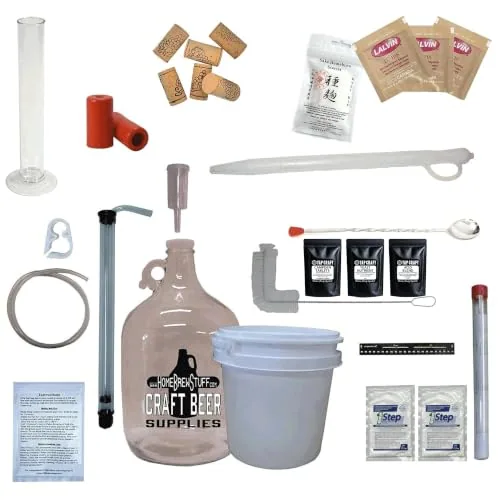
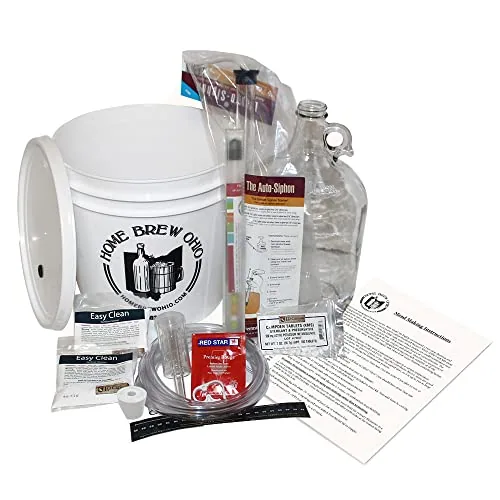
A wine making kit comes in two halves: equipment (fermenter, carboy, siphon, hydrometer) and ingredients (a juice or concentrate base with yeast and additives). Starter sets like the Master Vintner 6 gal equipment kit need an ingredient kit and bottles; ingredient kits like Winemaker's Reserve need the equipment. One-gallon kits bundle both and suit small spaces.
What each kit type still needs (listing specs)
| Kit | Batch | You still need |
|---|---|---|
| Master Vintner Wine Making Starter Kit | 6 gal | Wine ingredient kit, bottles |
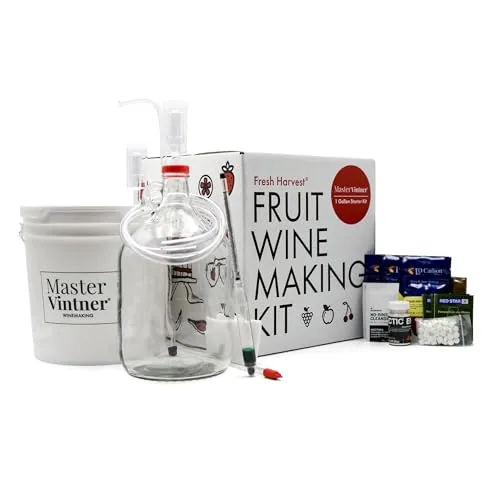
| Master Vintner Fresh Harvest fruit wine | 1 gal | Fresh fruit |
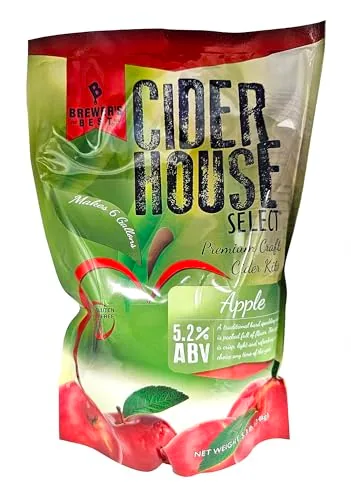
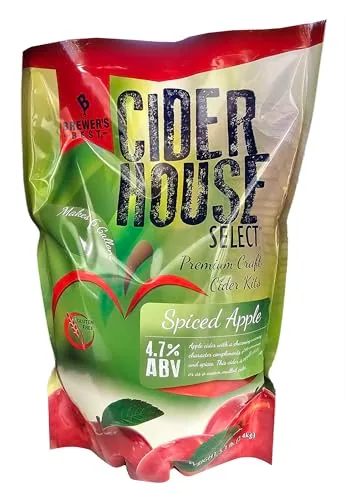
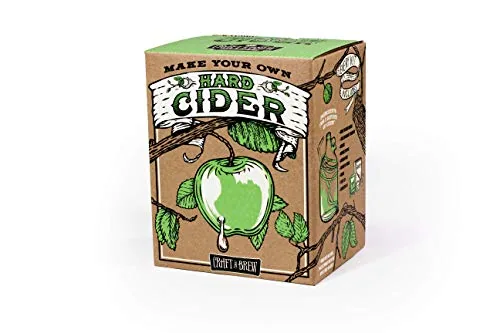
| Cider House Select Apple Cider Kit | 6 gal | 2 lb dextrose and equipment |
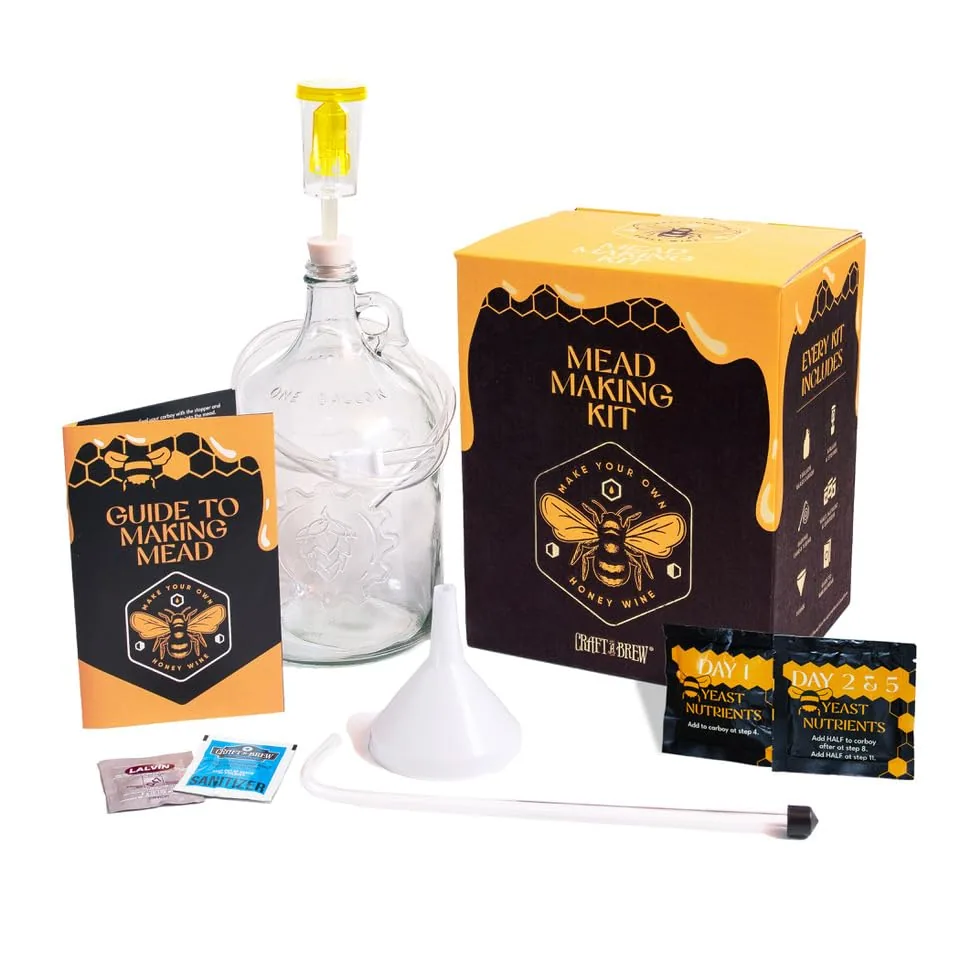
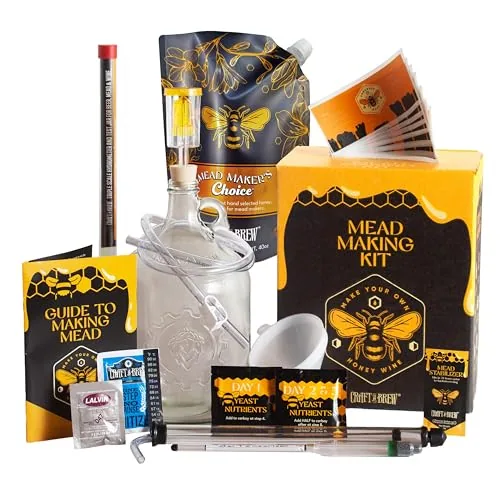
| Craft A Brew Mead Making Kit | 1 gal | Honey |
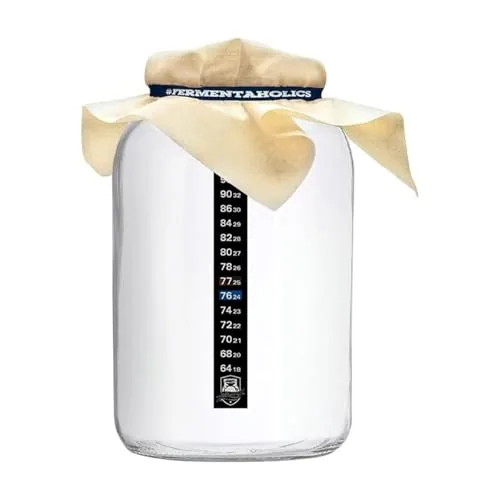
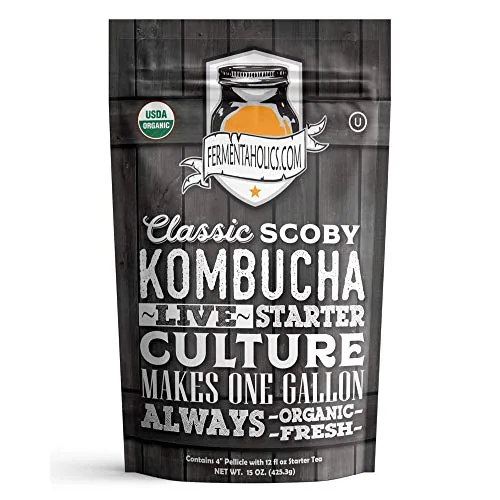
| Fermentaholics Kombucha Essentials | 1 gal | Not listed (recipes call for tea and sugar) |
Source: Product listings
Best for First 6-gallon wine kit
Best for Red wine from a kit
Best for Off-dry white
Best for Gifting a premium wine kit
Best for Kit red wine
Best for Small-space first wine
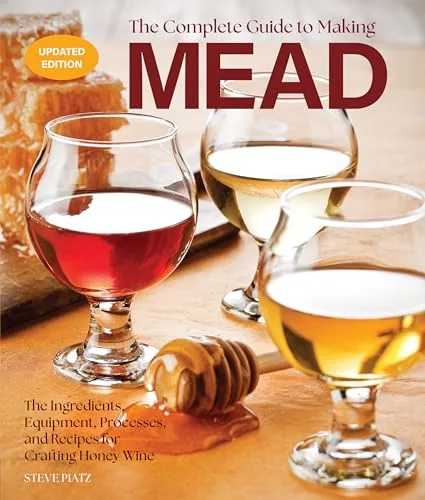
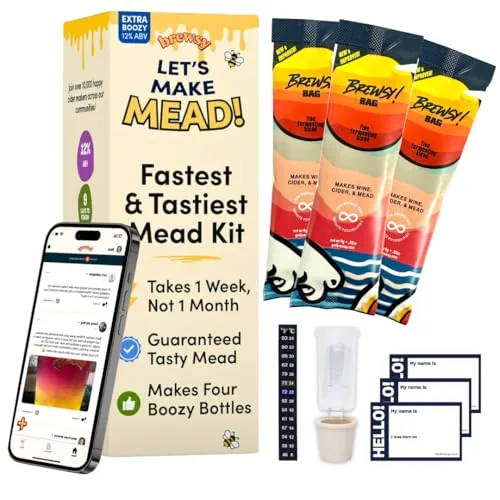
Cider is the quickest route: pasteurized juice without preservatives, a cider or wine yeast and a fermenter. Mead needs honey, water, yeast and nutrient, and more patience. Under federal rules both count as wine, so the household limits for wine apply.
Best for A first hard cider
Best for Hard cider with beer gear
Best for Easy sweet cider
Best for A first mead
Best for Trying mead at small scale
Best for Hard cider batches
Best for Hard cider from juice
Best for Dry wines, ciders and meads
Quoted from the U.S. Code, the CFR and TTB. Not legal advice: state and local law can be stricter.
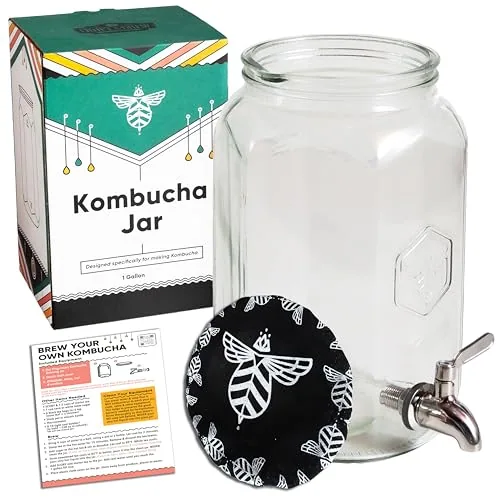
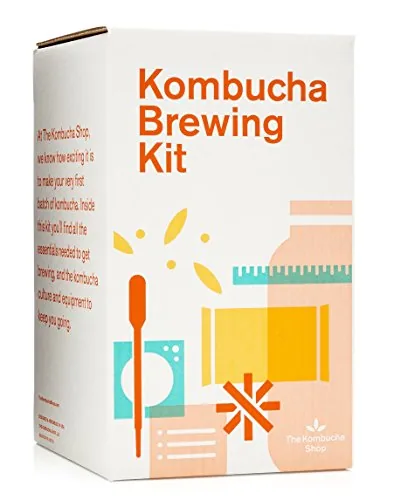
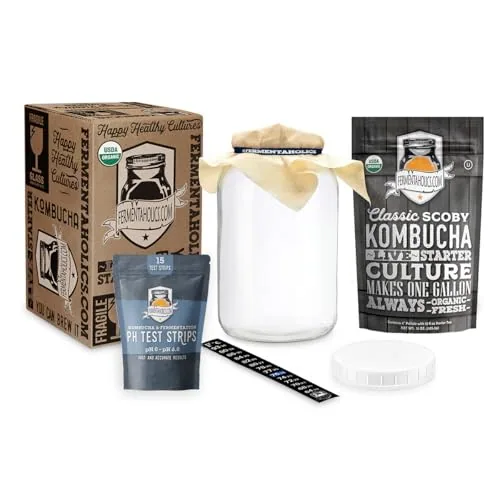
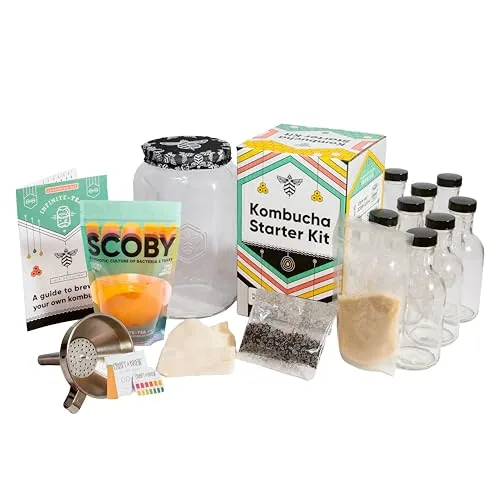
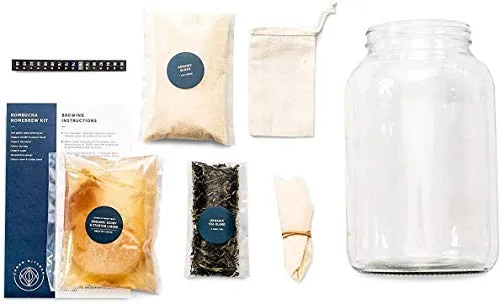
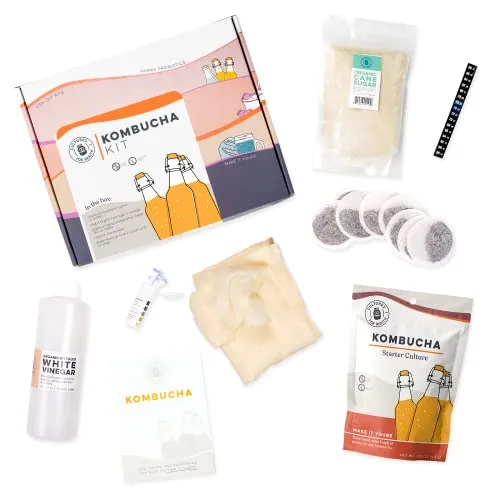
Kombucha kits include a SCOBY, starter liquid and a glass jar. Ferment in glass or food-grade plastic, not ceramic or lead crystal, and confirm pH 4.2 or lower with a calibrated meter. Fermentation continues in the bottle, and Virginia Tech notes that kombucha above 0.5% ABV is regulated as an alcohol beverage. We make no health claims for it.
Best for Kombucha on a budget
Best for Flavored, bottled kombucha
Best for Everything for a first kombucha
Best for Brewing and bottling kombucha
Homemade wine and cider do not become "blinding" from fermentation alone; methanol poisoning is linked to illicit or adulterated spirits. We never cover distilling.
Measure strength with the ABV calculator; wines and meads often land well above beer.
Related reading: best wine yeast and best yeast nutrients for mead, wine and beer.
 Best of
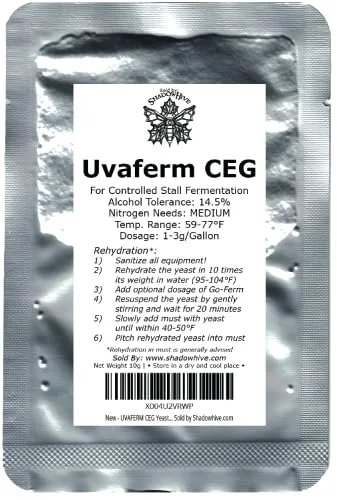
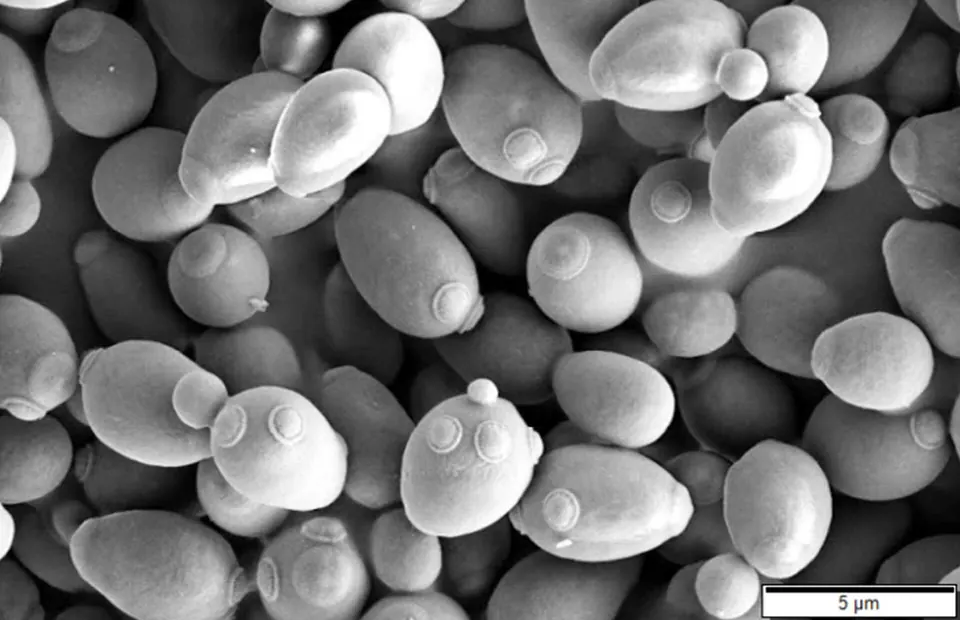
The best wine yeast compared by maker data: EC-1118, 71B, D-47, RC212, Red Star Premier strains, Uvaferm CEG and mead…
 Best of
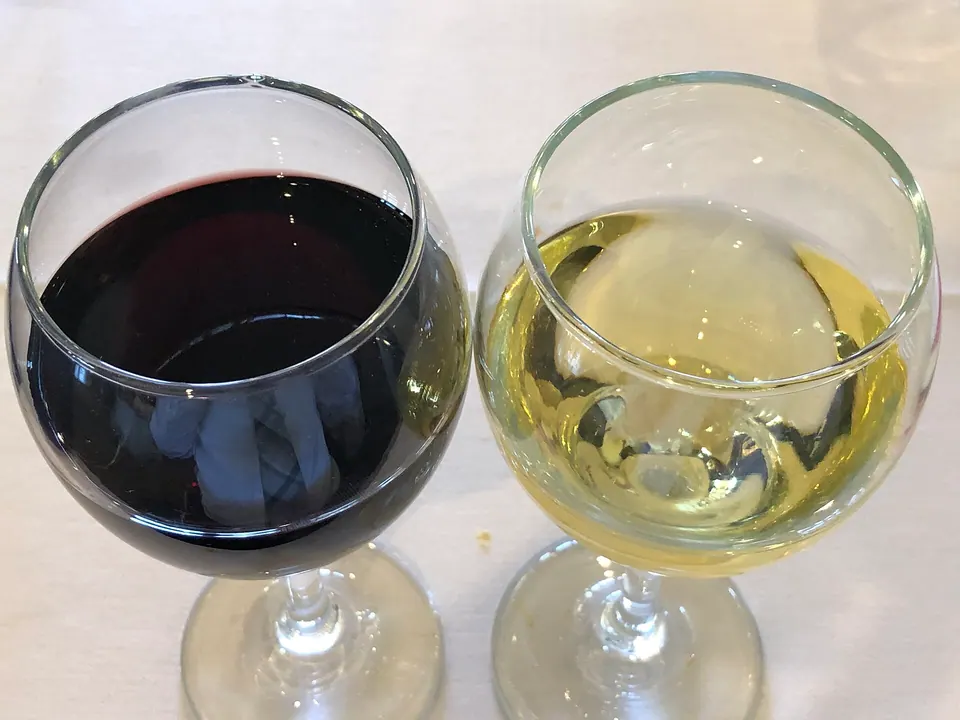
The best yeast nutrient for mead, wine and beer: Fermaid O, Fermaid K, Go-Ferm, DAP blends, energizers and beer…
 Best of
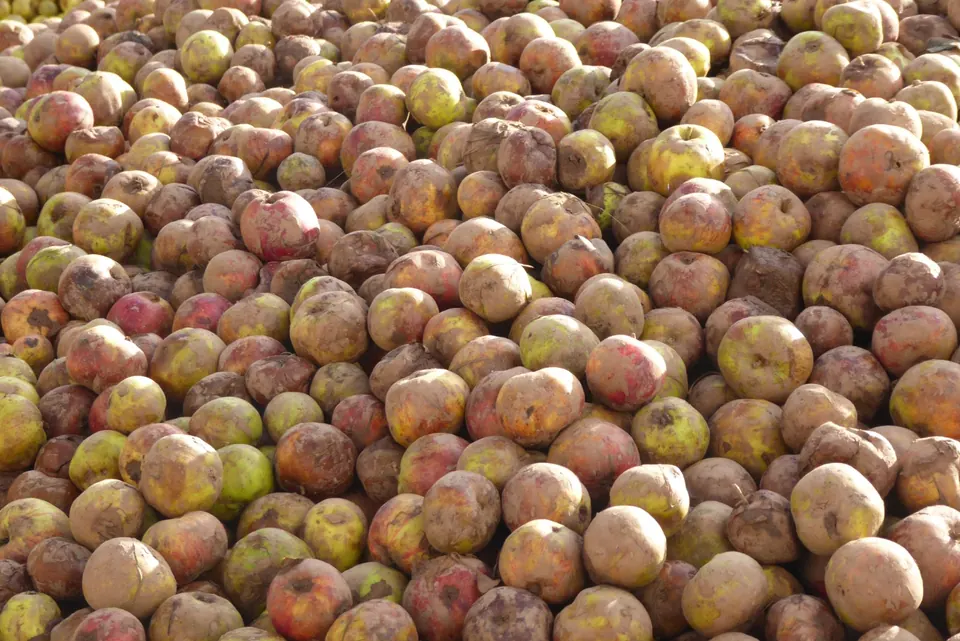
The best wine making kit for home: 6-gallon ingredient kits, equipment sets and 1-gallon kits compared by batch size,…
 Best of
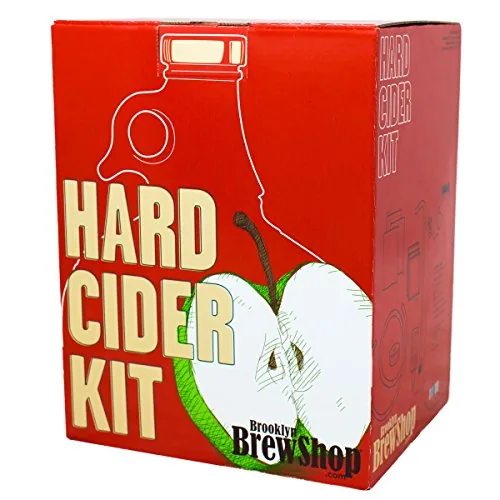
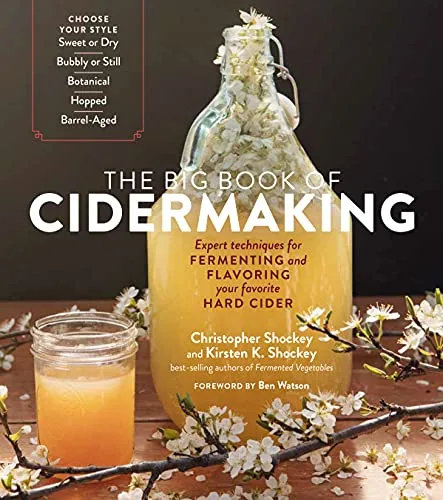
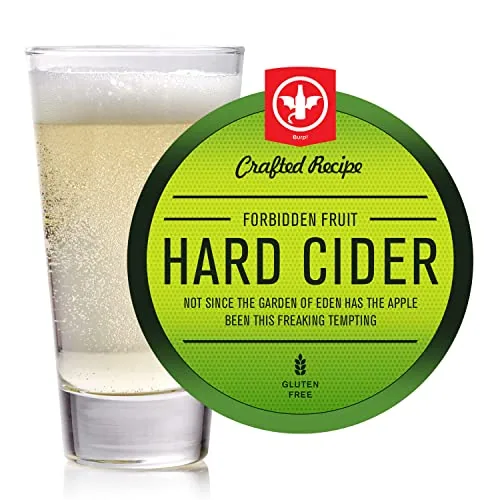
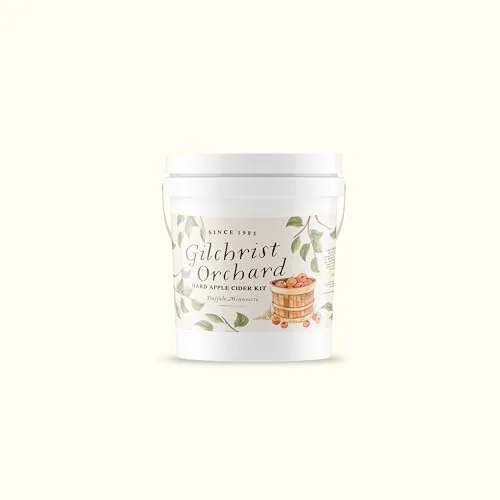
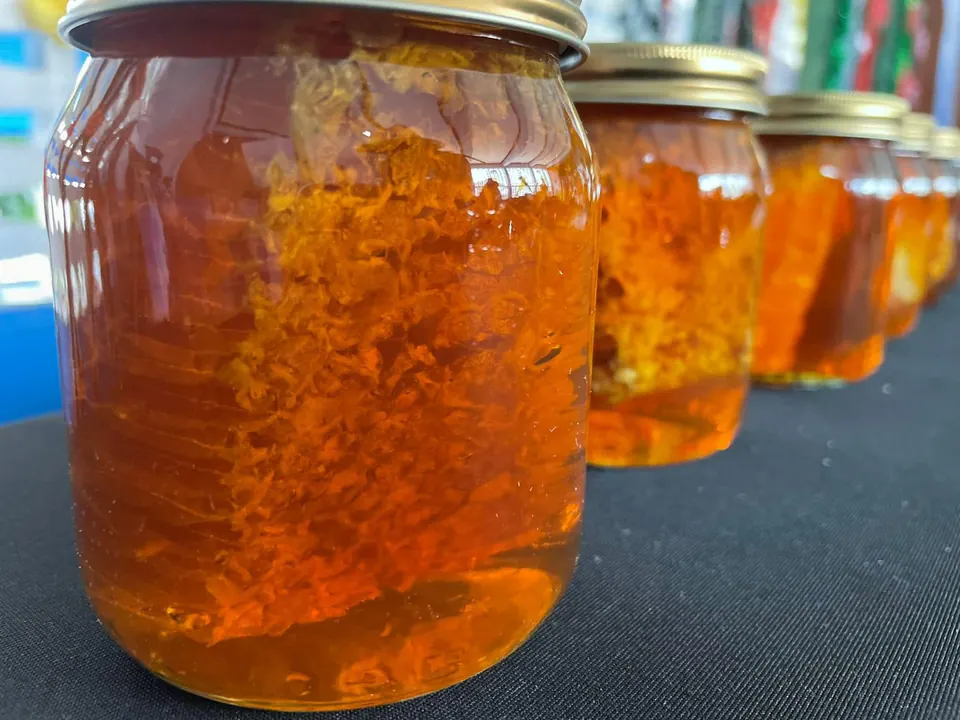
The best hard cider kit for home: 1-gallon juice kits, 2-gallon mixes and 6-gallon concentrate kits compared by size,…
 Best of
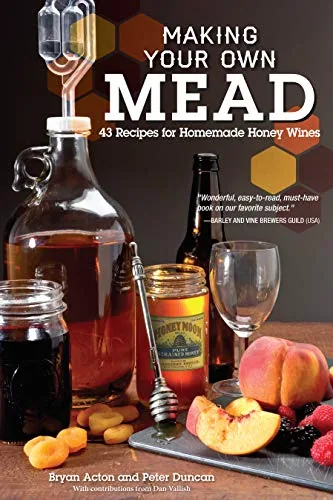
The best mead making kit for a first honey wine: 1-gallon kits compared by contents and what you still need, plus the…
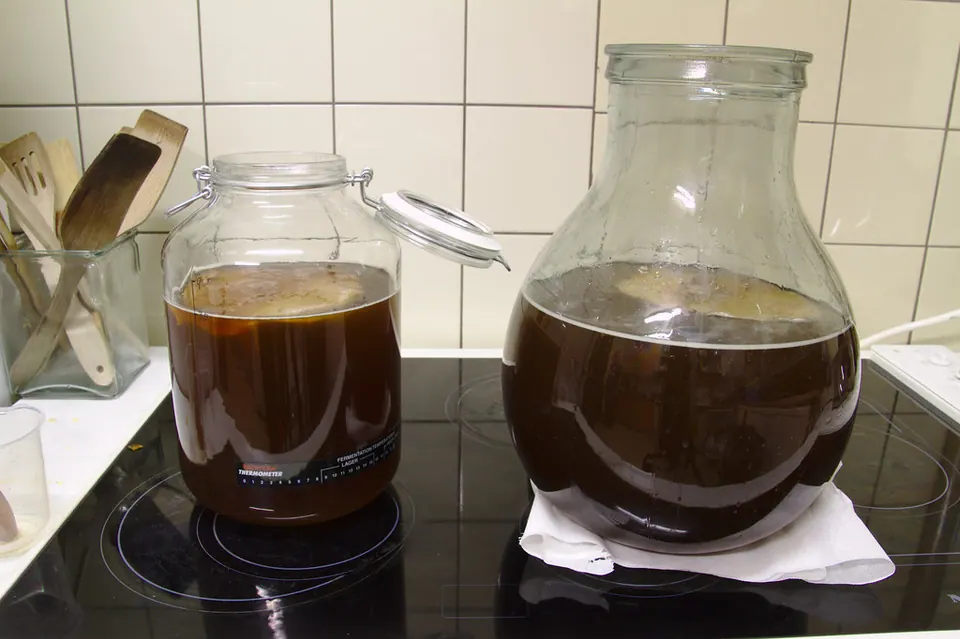 Best of
The best kombucha starter kit for a 1-gallon batch, compared by contents and what you still need, with…