- Gluten-reduced and gluten-free homebrewing are two different things: one treats barley beer with an enzyme, the other uses no gluten grains at all.
- TTB Ruling 2014-2: beer made from gluten grains and “processed to remove gluten” must say it was fermented from a gluten grain, that its gluten content cannot be verified, and that it may contain gluten.
- FDA’s “gluten-free” rule (21 CFR 101.91) is about foods under 20 ppm gluten with no gluten-containing grain ingredients, or processed to that level.
- Gluten-reduced homebrew made with an enzyme such as Clarity Ferm is not safe for people with celiac disease. We make no health claims.
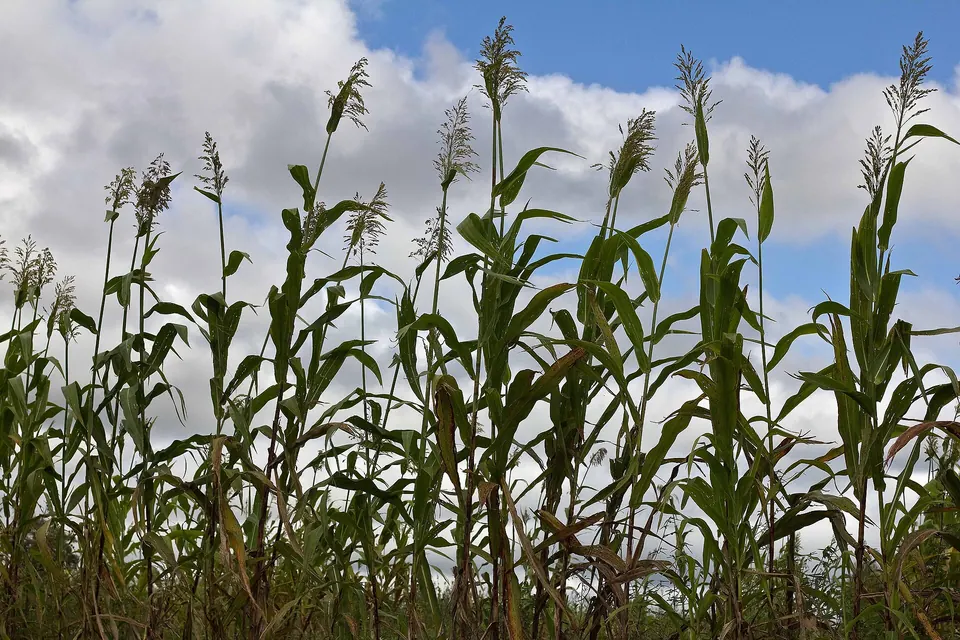
- A true gluten-free beer starts from sorghum, rice, millet or buckwheat and needs equipment free of barley dust and residue.
Gluten-reduced and gluten-free homebrewing gets confusing fast, because commercial labels use both phrases and homebrew forums blur them. The difference matters most for anyone pouring beer for a friend with celiac disease or a diagnosed gluten intolerance: that guest needs a beer brewed without gluten grains, not a barley beer treated with an enzyme.
This guide explains the federal labeling rules (TTB Ruling 2014-2 and FDA 21 CFR 101.91), the two brewing approaches and the practical steps for each. It is not medical advice. If you or a guest has celiac disease, follow a doctor’s or dietitian’s guidance, and treat any homebrew with caution because nobody has tested it.
Gluten-free vs gluten-reduced: the labeling rules
TTB regulates labels on commercial beer, wine and spirits. Its Ruling 2014-2 set the interim policy for gluten statements. For products made from wheat, barley, rye or their hybrids and then “processed, treated, or crafted to remove gluten”, TTB allowed that statement only with a qualifying statement telling consumers that (1) the product was fermented or distilled from a grain that contains gluten, (2) the gluten content cannot be verified, and (3) the product may contain gluten. TTB said the statement was needed “because of the serious health consequences associated with the consumption of gluten by individuals with celiac disease.”
For products made without any gluten-containing ingredients, such as wine from grapes, TTB allowed a “gluten-free” claim under good manufacturing practice. FDA’s rule for foods, 21 CFR 101.91, defines “gluten-free” as under 20 ppm gluten, with gluten-containing grains defined as wheat, rye, barley and their crossbreeds. TTB has updated its gluten policy since 2014, so check its current guidance for commercial labels; for homebrew the takeaway is the same.
Three kinds of beer, side by side
| Regular beer | Gluten-reduced beer | Gluten-free beer | |
|---|---|---|---|
| Grains | Barley, wheat, rye | Barley (or wheat), treated with an enzyme | Sorghum, rice, millet, buckwheat, corn |
| Commercial label wording | None | “Processed to remove gluten” + TTB qualifying statement | “Gluten-free” possible if no gluten ingredients |
| Gluten content verifiable? | n/a | ✗ TTB: cannot be verified | ✓ Starts with none |
| Safe for celiac disease? | ✗ | ✗ Not safe | ~ Only if equipment and ingredients are free of gluten cross-contact |
| Flavor | Classic | Close to the original style | Different; sorghum is tangy, rice is light |
Source: TTB Ruling 2014-2; 21 CFR 101.91
Brewing gluten-reduced beer with an enzyme
Proline-specific endoprotease enzymes break proteins at proline sites. White Labs sells one as Clarity Ferm, listed as a haze-reducing enzyme added at pitching. Brewers use it to cut chill haze, and it is also the enzyme behind many “crafted to remove gluten” commercial beers. Add it at the label dose when you pitch the yeast; it works through fermentation.
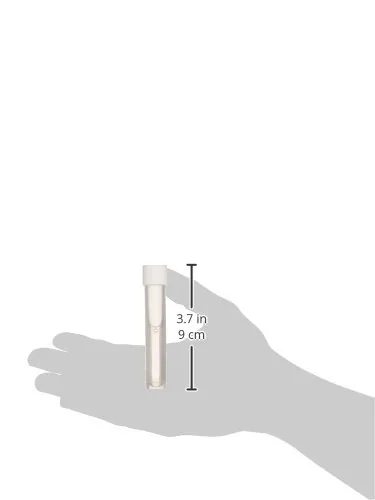
White Labs Clarity Ferm
- Use
- Haze-reducing enzyme added at pitching
- Type
- Proline-specific enzyme
- Size
- Single vial
Best for Clearer beers
What it does not do is make the beer verifiably gluten-free. Standard gluten tests are not designed for broken-down protein fragments in fermented drinks, which is why TTB requires the “cannot be verified” and “may contain gluten” language. Treat a Clarity Ferm beer as a regular barley beer for any guest with celiac disease.
We don’t describe any homebrew as safe for celiac disease or gluten intolerance. Gluten-reduced beer is not safe for celiac disease. Gluten-free beer brewed at home has not been tested, so guests with celiac disease should decide with their own medical guidance.
Brewing gluten-free beer step by step
- Pick gluten-free fermentables
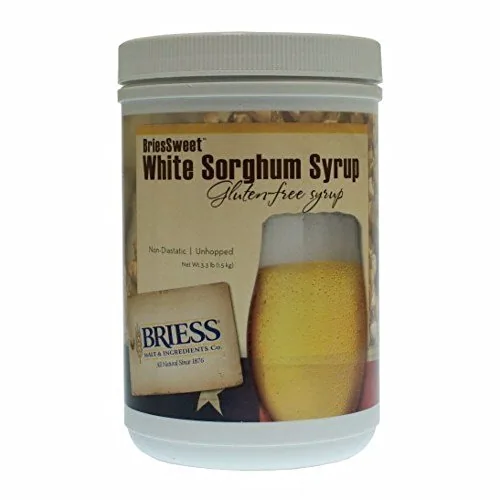
Sorghum syrup is the easiest extract base (Briess sells a sweet white sorghum syrup). Rice syrup, honey, candi sugar and maltodextrin add body or sugar. All-grain brewers can malt or buy malted millet, buckwheat or rice from specialty maltsters.
- Check every ingredient
Avoid malt extract, barley-based specialty grain, wheat and rye entirely. Check yeast nutrients and finings labels too.
- Use clean, dedicated gear where you can
Grain mills, BIAB bags, plastic fermenters and tubing can carry barley dust and residue. Clean thoroughly and consider dedicated plastic parts and a separate mill.
- Hop and boil as usual
Hops are gluten-free. Calculate bitterness and color as normal; the color calculator needs the °L of your fermentables.
- Ferment with a clean yeast
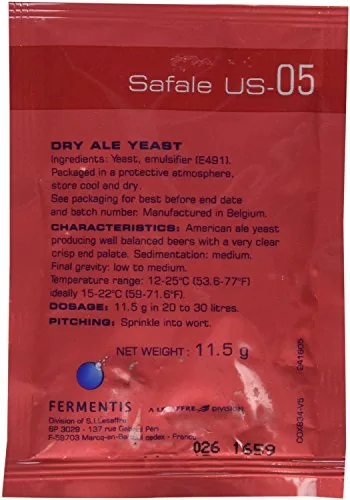
A clean ale yeast such as US-05 works; check the maker’s data for any gluten statement if it matters to your guests.
- Carbonate and serve
Sorghum beers often benefit from slightly higher carbonation and fruit or spice to balance the tang. Use the priming sugar calculator.
- Label it honestly
Write what went in, and say it was brewed at home on shared equipment if that is the case. Log the recipe in the brew-day log.
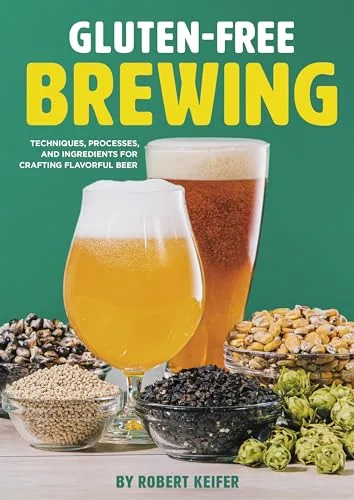
Gluten-Free Brewing (Brewers Publications)
- Type
- Book
- Publisher
- Brewers Publications
Best for Brewing beer without barley or wheat
Gluten-free ingredients and what they taste like
Gluten-free fermentables for beer
| Ingredient | Form | Flavor and use |
|---|---|---|
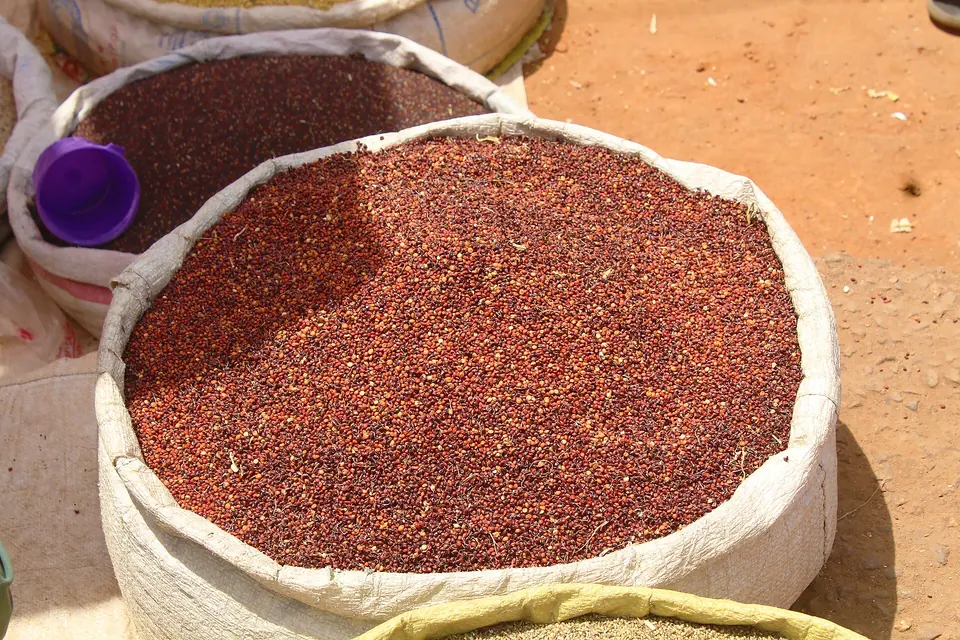
| Sorghum | Syrup (extract) or malted grain | The usual extract base; tangy, slightly sour, benefits from hops, fruit or spice |
| Rice | Syrup, flakes or malted grain | Light body and color; good for lagers and pale ales |
| Millet | Malted grain from specialty maltsters | Grainy, can be toasted for color |
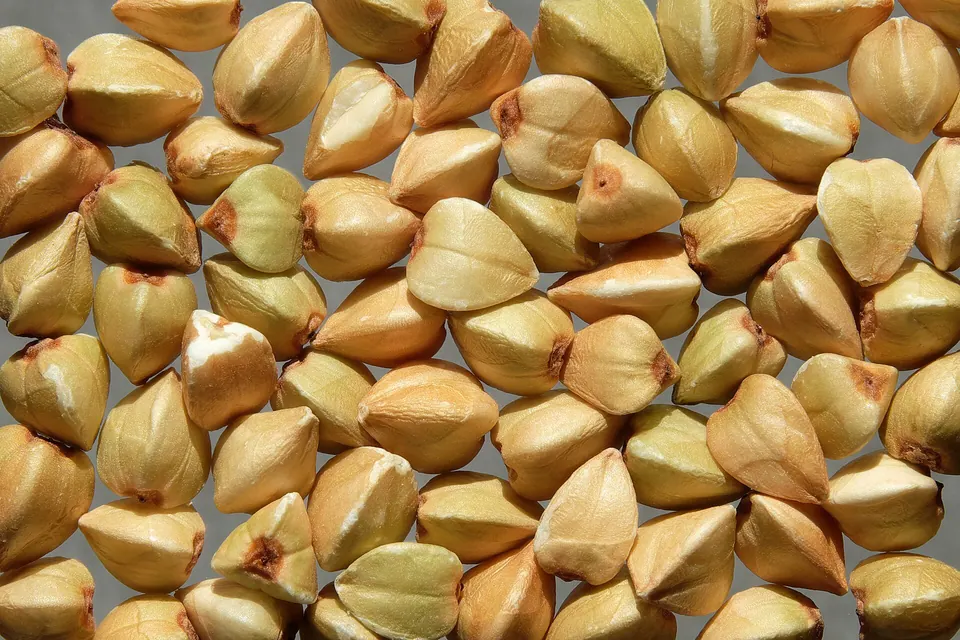
| Buckwheat | Malted or toasted groats | Nutty, earthy; darker styles |
| Corn (maize) | Flaked | Light, sweet; check processing for cross-contact |
| Honey, candi sugar, maltodextrin | Syrup or solid | Sugar and body; candi sugar adds color |
Source: Ingredient listings; 21 CFR 101.91 (gluten grains defined as wheat, rye, barley and crossbreeds)
Gluten-free malts do not convert starch as readily as barley malt, so all-grain gluten-free brewing often uses added enzymes (an amylase product at its label dose) and longer mashes. The extract route with sorghum syrup avoids most of that and is the simpler first batch. Brewers Publications’ Gluten-Free Brewing covers malting and mashing in depth.
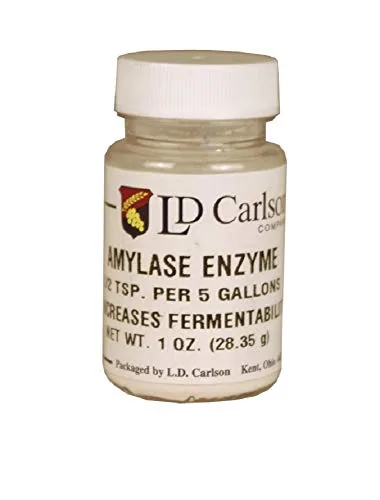
LD Carlson Amylase Enzyme, 1 oz
- Use
- Starch conversion
- Type
- Amylase enzyme
- Size
- 1 oz
Best for Drier beers
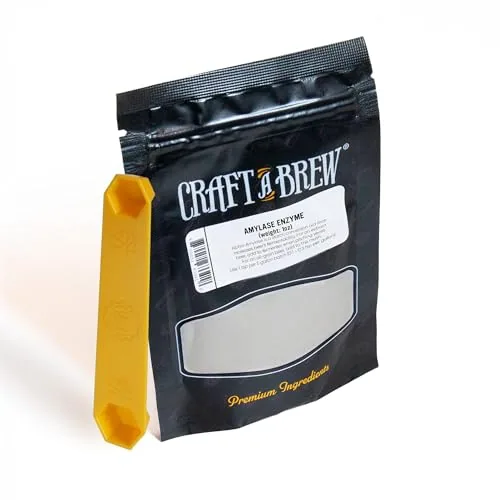
Craft A Brew Amylase Enzyme, 2 oz
- Use
- 1 tsp per 5 gal (0.3 tsp per gal)
- Type
- Alpha amylase
- Size
- 2 oz
Best for Brut IPAs and light beers
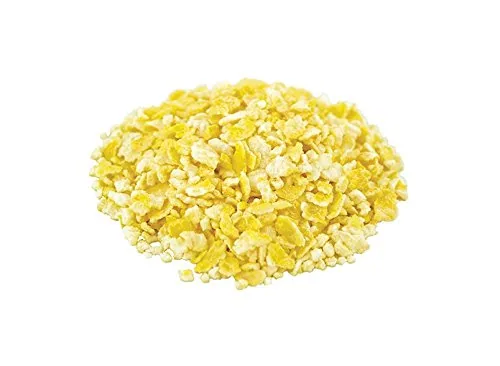
Brewmaster Flaked Corn (Maize), 1 lb
- Type
- Flaked corn, pre-gelatinized
- Size
- 1 lb
Best for Cream ales and American lagers
Equipment and cross-contact
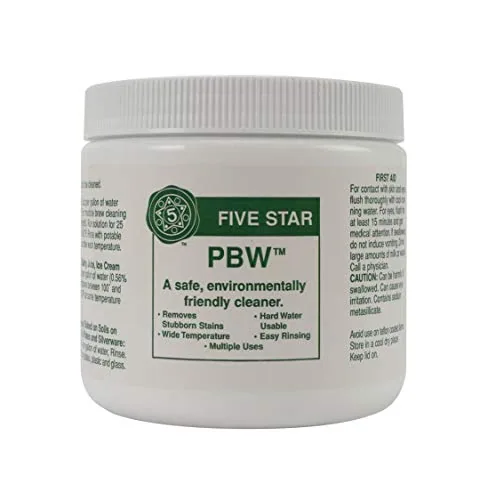
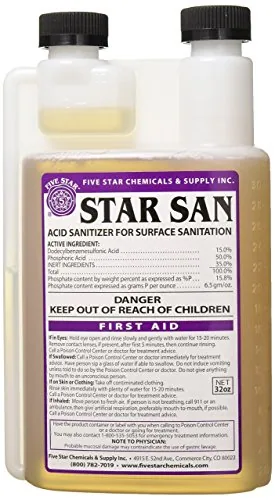
Gluten hides in places you do not clean every batch: the gap rollers of a grain mill, the seams of a BIAB bag, scratches in a plastic bucket, the inside of tubing and the dust in a garage where barley gets milled. If you brew for someone with a medical need, use new or dedicated soft parts (bags, tubing, plastic fermenters), clean stainless and glass thoroughly with an alkaline cleaner, and never mill barley in the same space on brew day.
Common mistakes
- Calling enzyme-treated beer “gluten-free”. TTB requires different wording for good reason.
- Forgetting cross-contact. Barley dust from a shared mill or residue in a scratched bucket ends up in the beer.
- Hidden barley. Malt extract, crystal malts and many “brewing sugars” blends contain barley.
- Assuming oats are safe. Oats are often processed alongside wheat; most gluten-free brewers skip them unless labeled gluten-free.
- Making health promises. Describe the ingredients, not a medical outcome.
Which approach should you choose?
If you want clearer beer, or a barley beer for drinkers who simply prefer less gluten and have no medical condition, the enzyme route is easy and keeps the flavor. If you are brewing for someone with celiac disease, only the gluten-free route makes sense, with dedicated or carefully cleaned equipment, and even then it is their call. Ingredients are in the ingredients and milling category. If grain is the problem altogether, cider, mead and wine are naturally made without gluten grains: see hard cider and mead.
Gear picks for this guide: best brewing sanitizers and cleaners and best hydrometers for homebrewing.
ABV calculatorWork out ABV from OG and FG with the standard and high-gravity formulas, hydrometer temperature correction,…Beer color calculator (SRM, Morey)Estimate beer color from your grain bill: malt color units to SRM with the Morey formula, EBC conversion and…Printable brew-day log and recipe sheetFree brew-day log: record recipe, water and salts, mash, gravities, yeast, fermentation temperatures,…