FerMonster
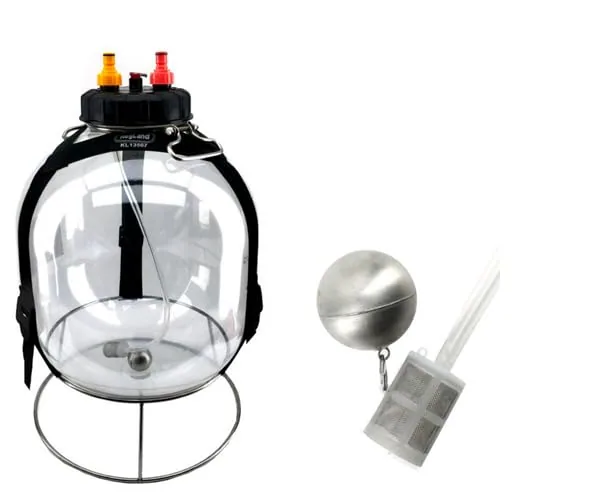
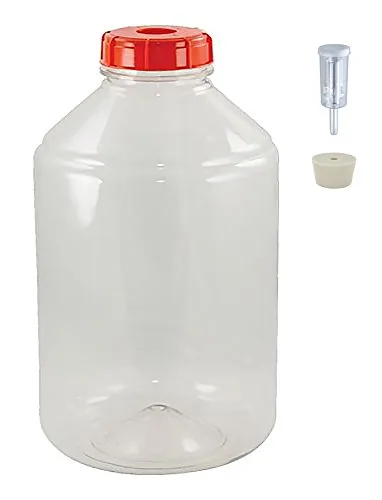
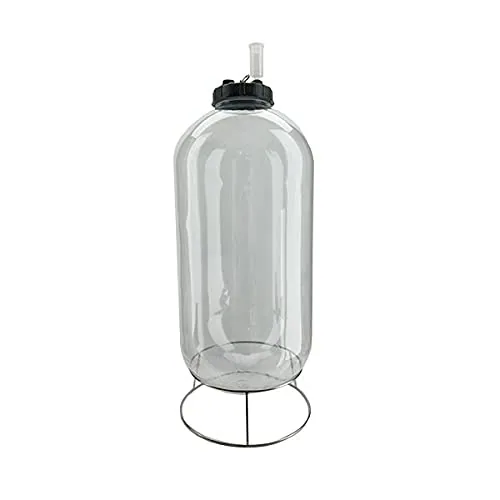
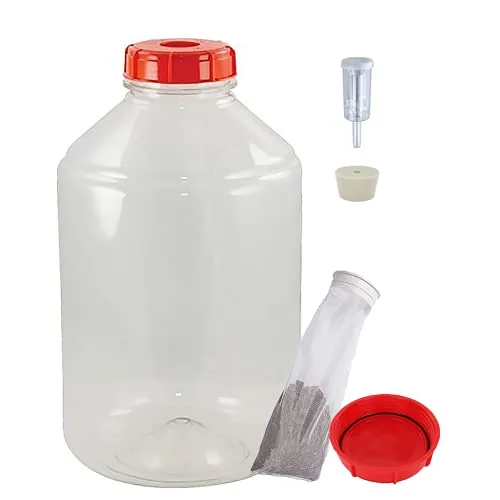
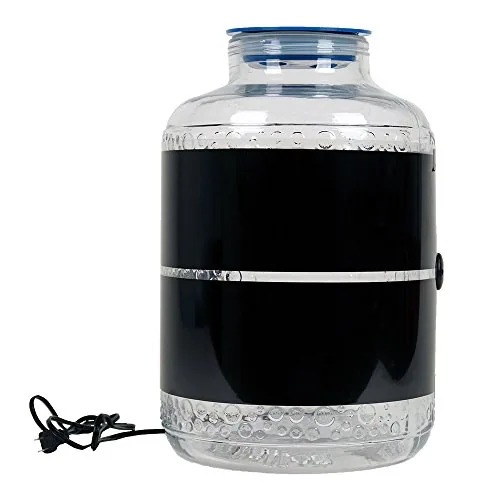
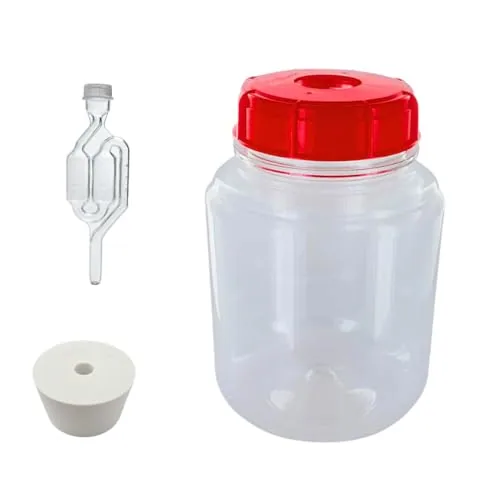
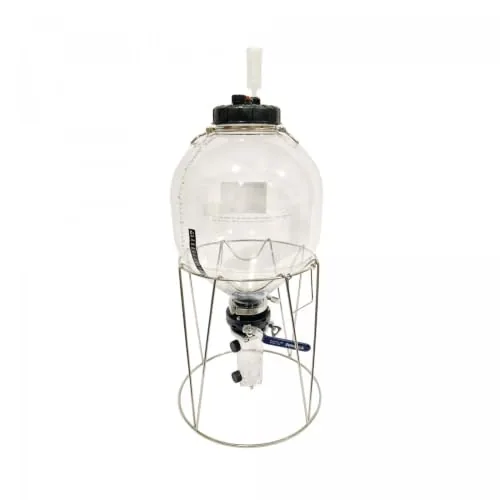
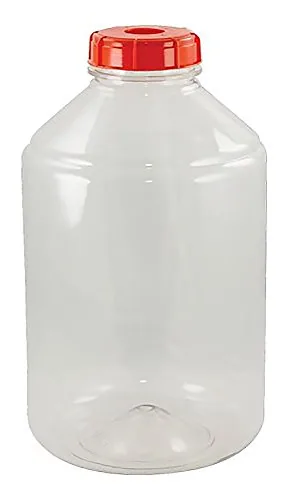
FerMonster 6 Gal Wide Mouth PET Fermenter
- Volume
- 6 gal
- Material
- PET plastic
- Outputs
- Drilled lid
Best for Unbreakable carboy alternative
Buckets, PET and glass carboys, stainless and pressure fermenters, airlocks and the controllers and heaters that keep yeast in its range.
Best for Unbreakable carboy alternative
Best for Fridge or heat-wrap fermentation control
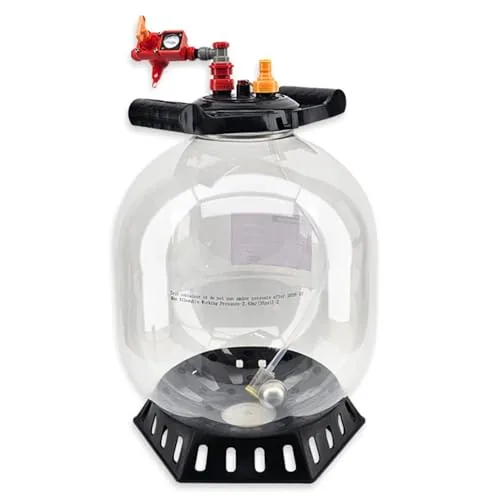
Best for Pressure fermenting and closed transfers
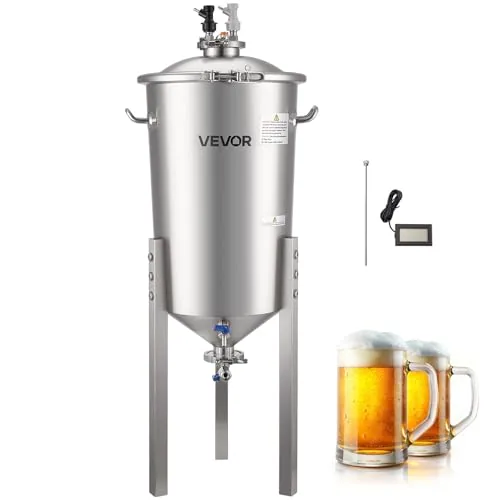
Best for Premium stainless fermenting
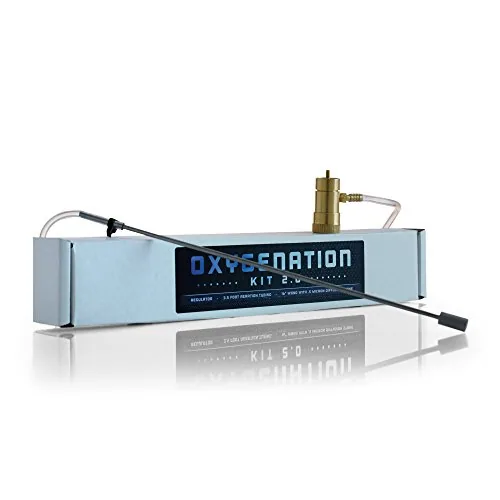
Best for Oxygenating wort before pitching
Best for Oxygenating high-gravity worts
Best for Budget stainless pressure fermenting
Best for First pressure fermenter
Best for Pressure fermenting in a corny keg
Best for 5-gallon primary fermentation
Best for Basic 5-gallon primary
Best for Small-batch fermenting
Best for Running two batches
Best for Ready-to-use PET fermenter
Best for Glass you can reach into
Best for Durable glass alternative
Best for Carrying full glass carboys
Best for Remote fermentation monitoring
Best for Cooling stainless conicals
Best for Summer ales without a fridge
Best for Carrying full carboys
Best for 10-gallon batches in stainless
Best for Stainless 5-gallon fermenting
Best for 10-gallon pressure batches
Best for Wine kits and big beers
Best for Wine and mead aging
Best for Fruit beers, cider and wine
Best for Small-batch beer, wine or cider
Best for Scheduled temperature ramps
Best for Small stainless batches
Best for Gentle heat for any fermenter
Best for Pressure fermenting with yeast harvest
Best for Secondary or wine aging
Best for Hot garages and apartments
Best for 1-gallon wine, mead or beer
Best for Large wine or 10-gallon batches
Best for Complete FermZilla setup
Best for Glass primary fermenting
Best for Apartments and tight closets
Best for Affordable pressure fermenting
Best for Secondary fermentation and wine aging
Best for Harvesting yeast under pressure
Best for Aerating without oxygen tanks
Best for Budget oxygenation
Best for Budget oxygenation
Best for Simple aeration
Best for Spare stones
Best for Aerating with room air
Best for Glycol- or coil-cooled fermenting
Best for 10-gallon pressure fermenting
Best for Stainless conicals
Best for Low-pressure conical setups
Best for Small test batches
Best for Wine kit primary
Best for Budget glass jug
Best for Spare stopper
Best for 1-gallon jugs
Best for Small-batch ferments
Best for Insulating a glass carboy
Best for Carboy closures
Best for Spare airlocks
Best for Thermowell temperature control
Best for Glycol cooling in kegs
Best for Moving empty carboys
Best for Handling empty carboys
Best for Carrying full carboys
Best for Moving to stainless fermenting
Best for Building an oxygen kit
Best for Secondary or wine aging
Best for Upgrading a FermZilla
Best for Spare airlocks
Best for Keeping a bucket warm in winter
Best for Ice-bath or glycol cooling loops
Best for Warm wine and ale fermentations
Best for Oxygenation rigs
Best for Vigorous fermentations
Best for Pressure fermenting in kegs or FermZilla
Best for Spare airlocks
Best for Warming ales in a cold garage
Best for Handling empty carboys
No product matches every filter. Clear one to see more.
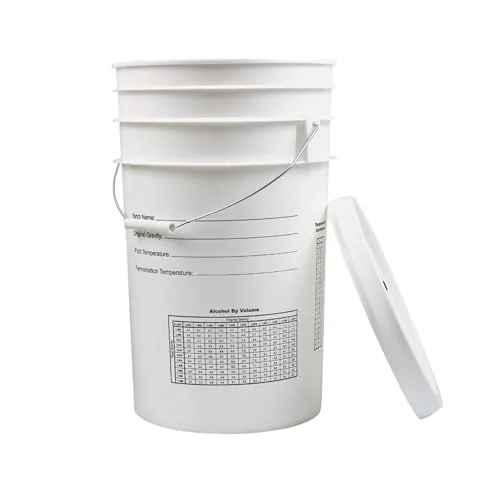
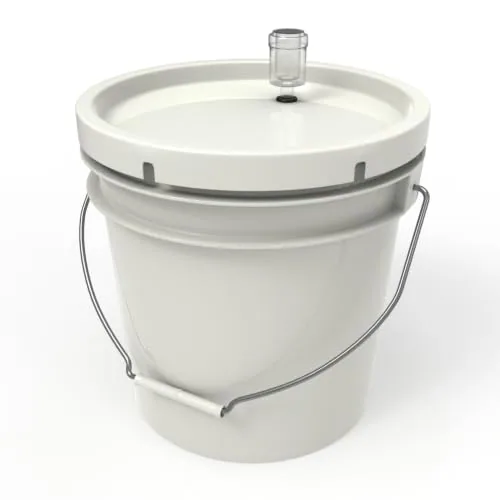
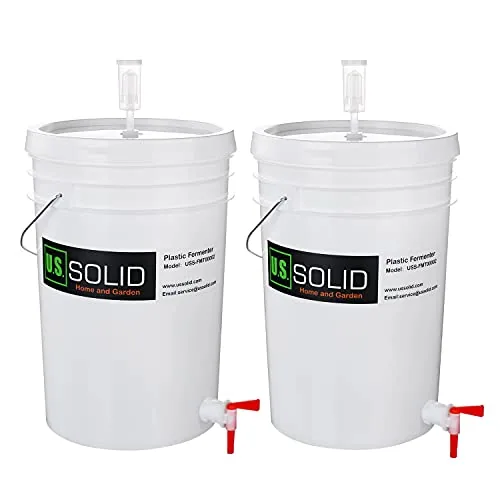
The best fermenter for homebrew is the one you can clean well and carry safely when it is full. A 5-gallon batch needs a vessel of about 6–7.9 gal so the krausen has headspace. Material decides the rest: plastic buckets are light and cheap, PET carboys let you watch the beer, glass resists scratches but breaks, and stainless lasts for decades.
Fermenter materials (examples from the catalogue)
| Type | Example | Listed volume | Pressure |
|---|---|---|---|
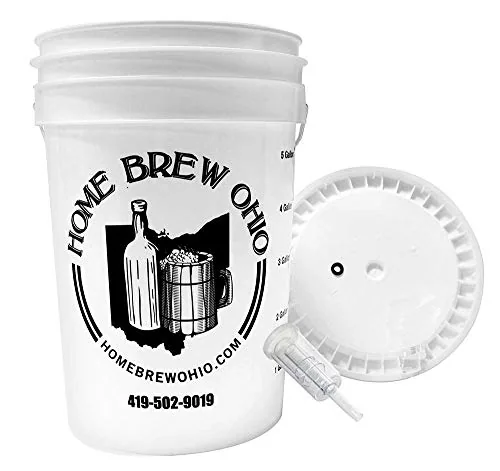
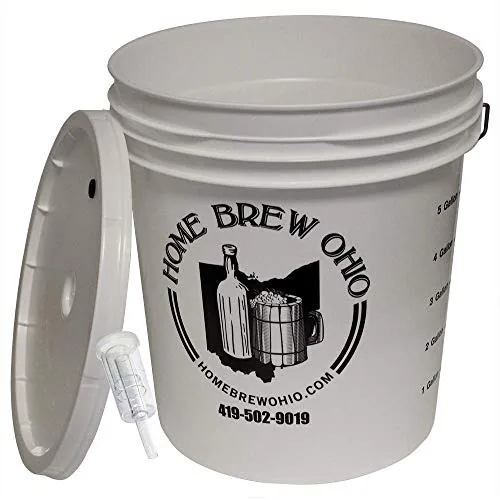
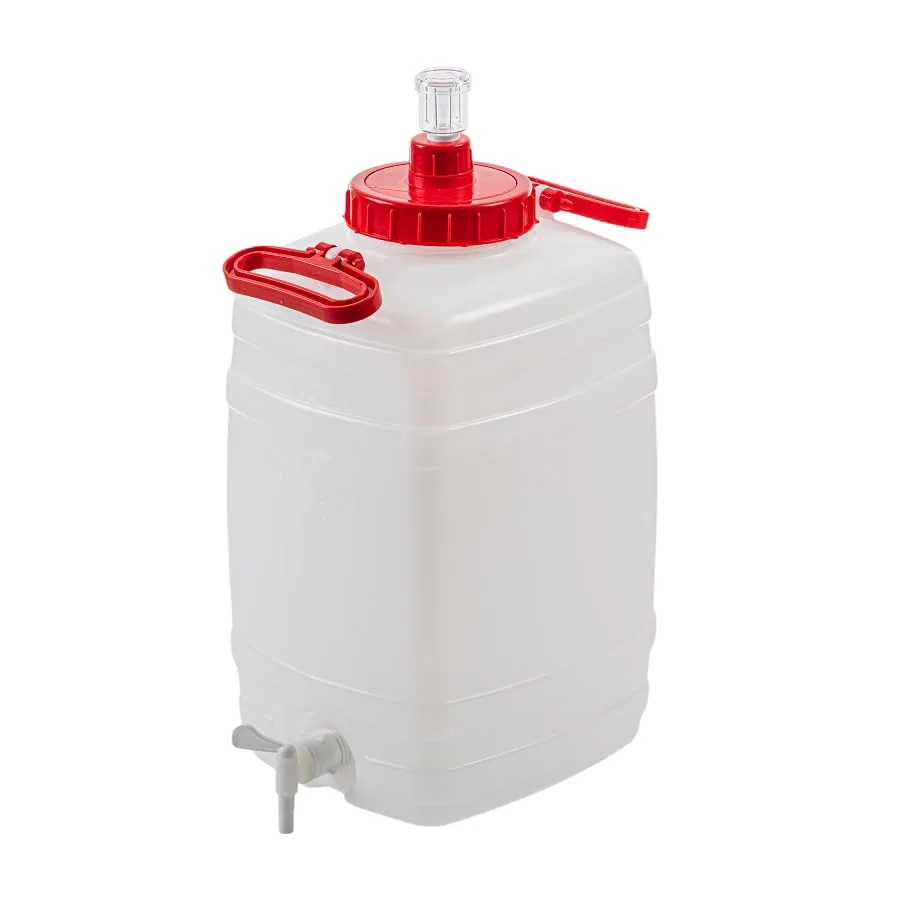
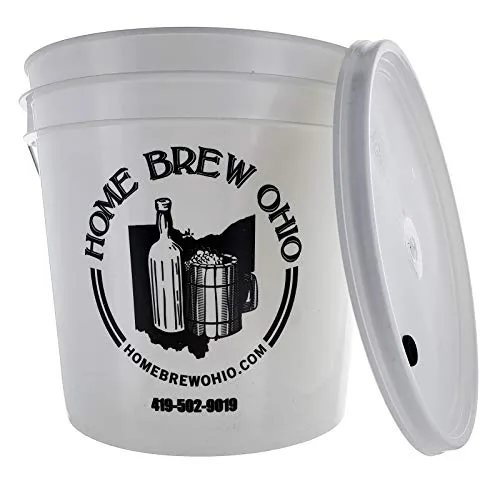
| HDPE bucket | Home Brew Ohio bucket with airlock | 6.5 gal | ✗ Not rated |
| PET carboy | FerMonster wide mouth | 6 gal | ✗ Not rated |
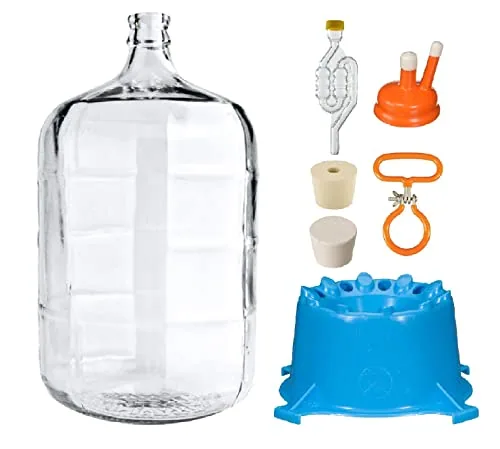
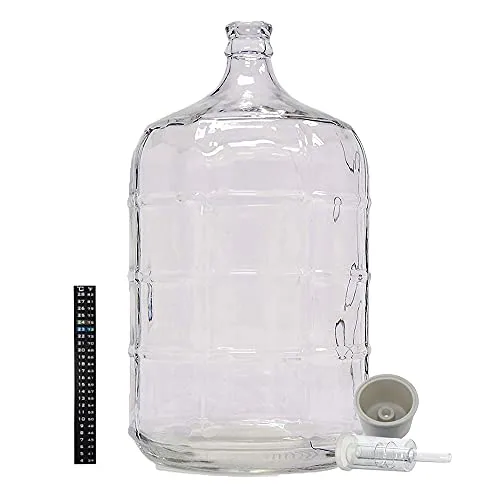
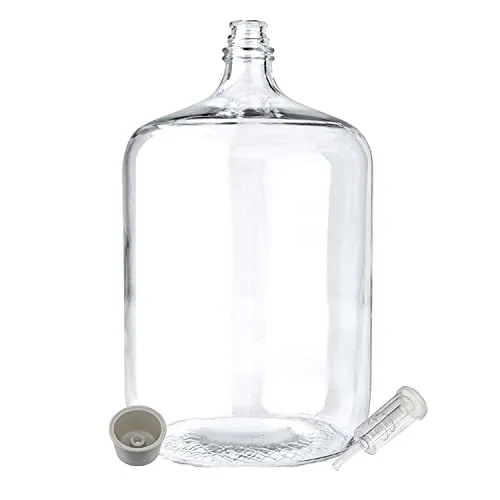
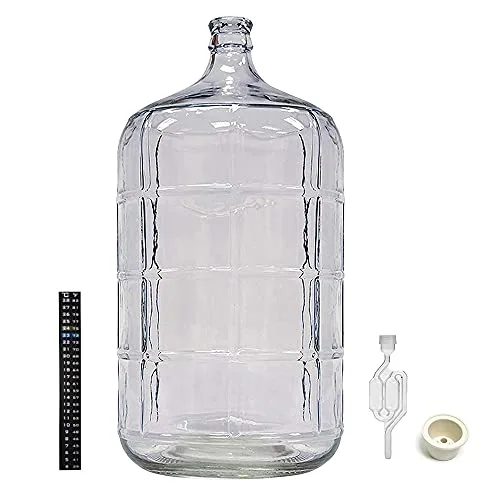
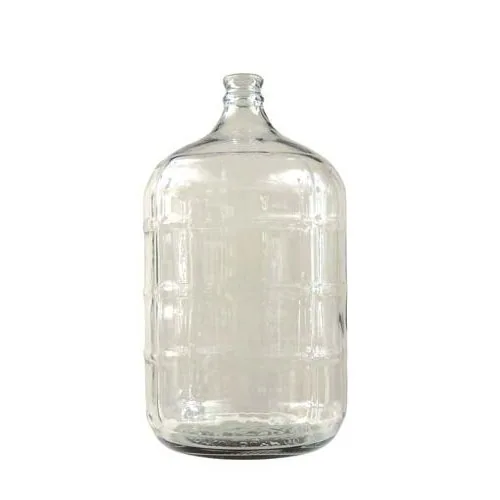
| Glass carboy | Home Brew Ohio carboy | 5 or 6.5 gal | ✗ Not rated |
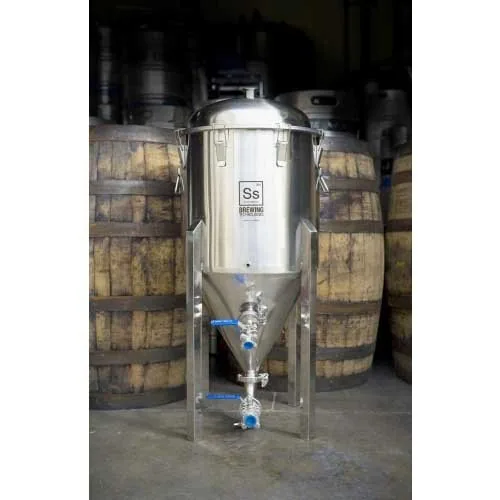
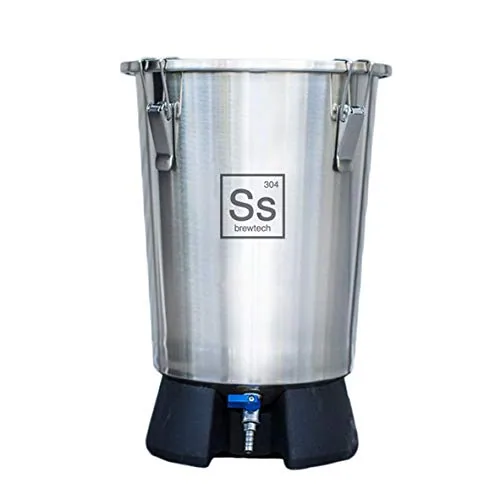
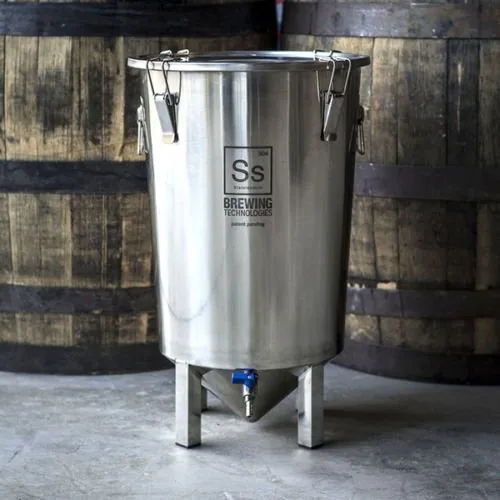
| Stainless bucket | Ss Brewtech Brew Bucket | 7 gal | ✗ Not listed |
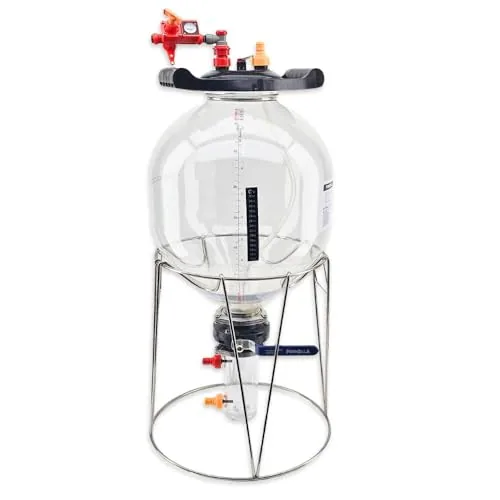
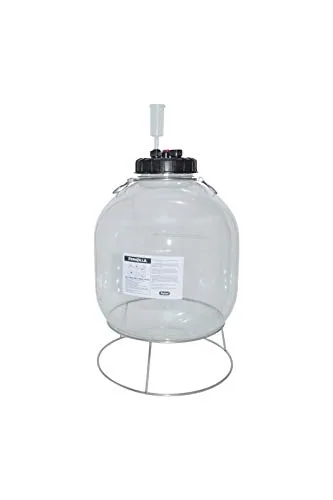
| PET pressure fermenter | FermZilla All Rounder kit | 30 L (7.9 gal) | ✓ 2.5 bar (36.2 psi) |
Source: Product listings and KegLand
Best for 5-gallon primary fermentation
Best for Unbreakable carboy alternative
Best for Moving to stainless fermenting
Best for Pressure fermenting and closed transfers
Best for Durable glass alternative
Best for Stainless 5-gallon fermenting
Pressure fermenters let you ferment warmer with less ester, carbonate in the vessel and transfer without oxygen. Every one has a ceiling, and a spunding valve or PRV keeps you under it. Never exceed the rating printed by the maker.
Maker or listing figures
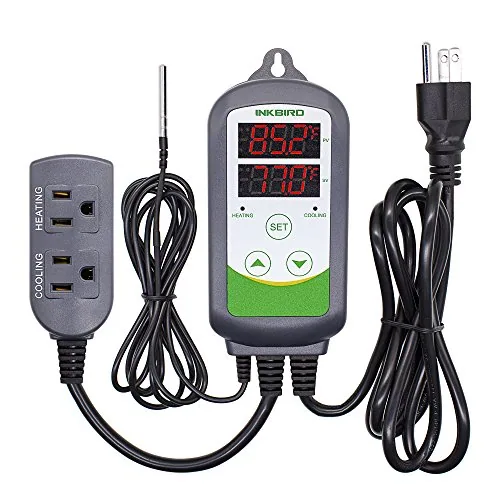
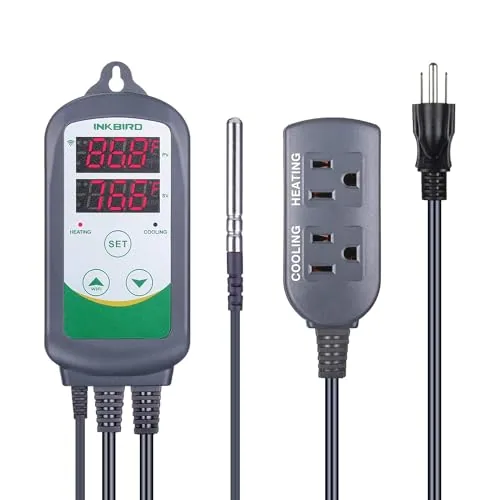
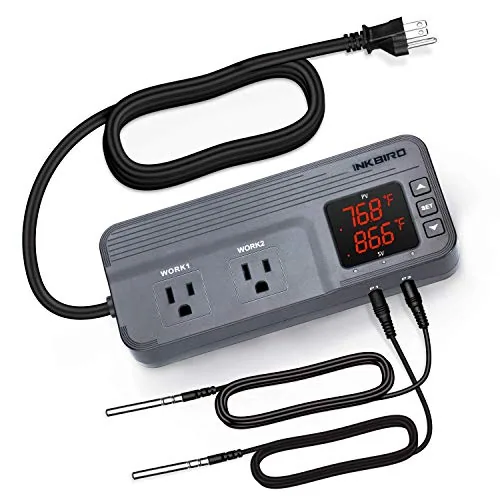
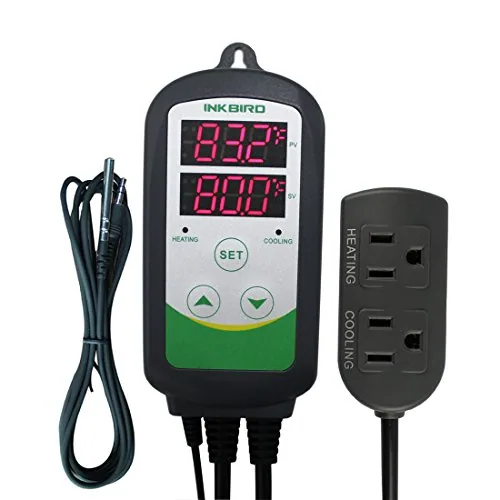
Fermentation makes its own heat, so beer can run several degrees above the room. A dual-stage controller switches a fridge for cooling and a heat wrap for warming; tape the probe to the fermenter wall under insulation. The Inkbird ITC-308 lists 1100 W maximum at 110V on one listing, so check the manual before you plug in a large load.
Best for Fridge or heat-wrap fermentation control
Best for Warming ales in a cold garage
Best for Keeping a bucket warm in winter
Best for Hot garages and apartments
Best for Summer ales without a fridge
Want hot-garage options and kveik? See the summer brewing hub.
Related reading: KegLand FermZilla review, Inkbird ITC-308 review and best conical fermenters.
 Best of
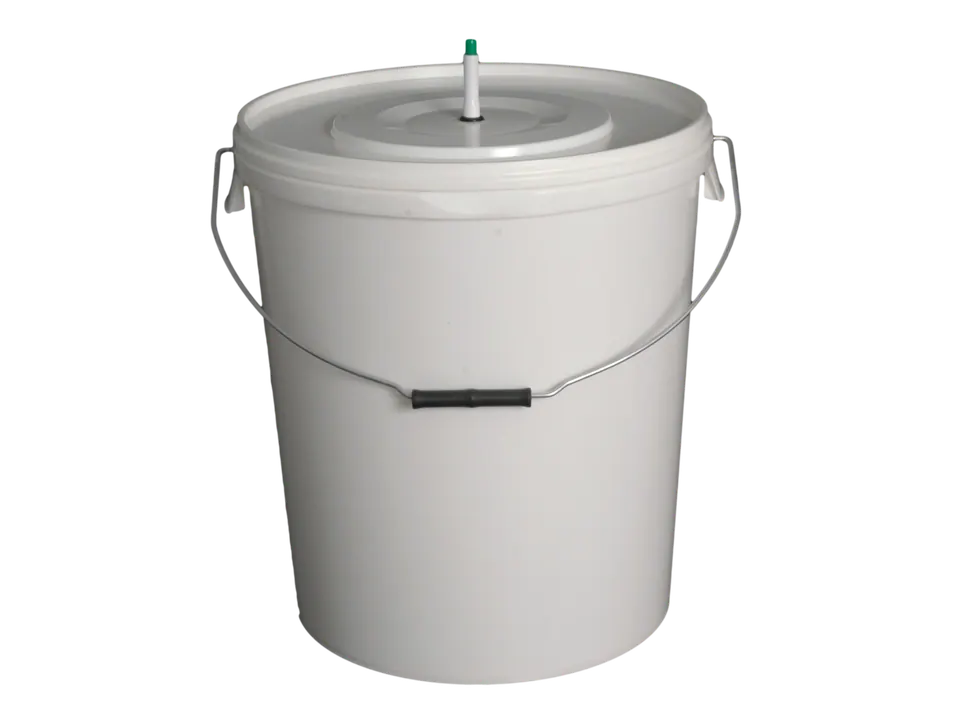
The best fermenter for homebrew by material: buckets, PET carboys, glass, a FermZilla pressure kit and stainless…
 Best of
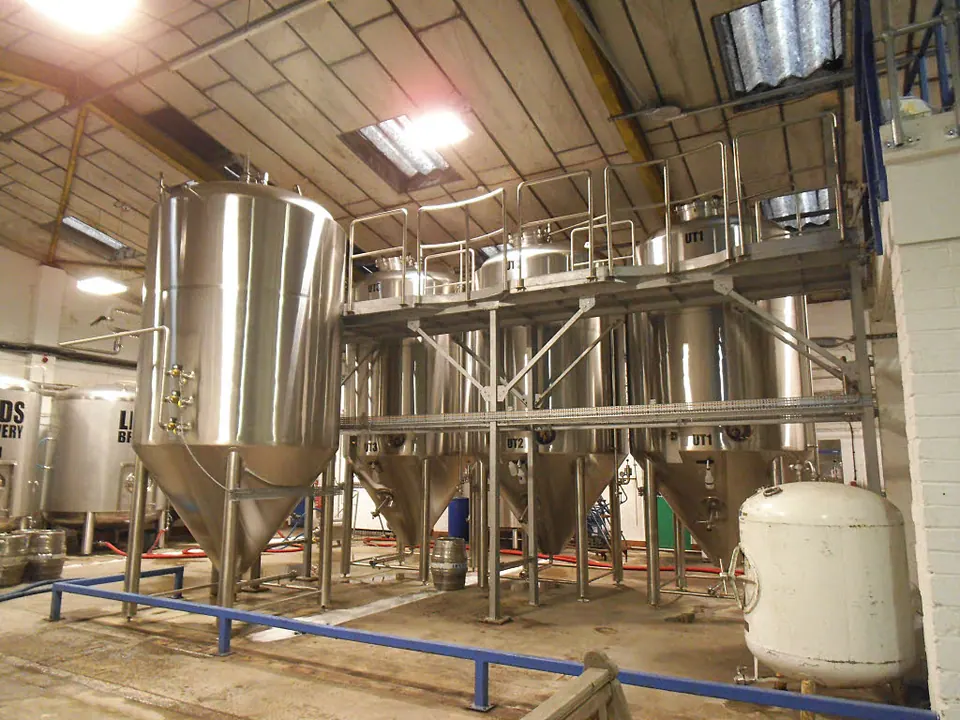
The best conical fermenter for your batch size: stainless and PET conicals compared by volume, material, valves,…
 Best of
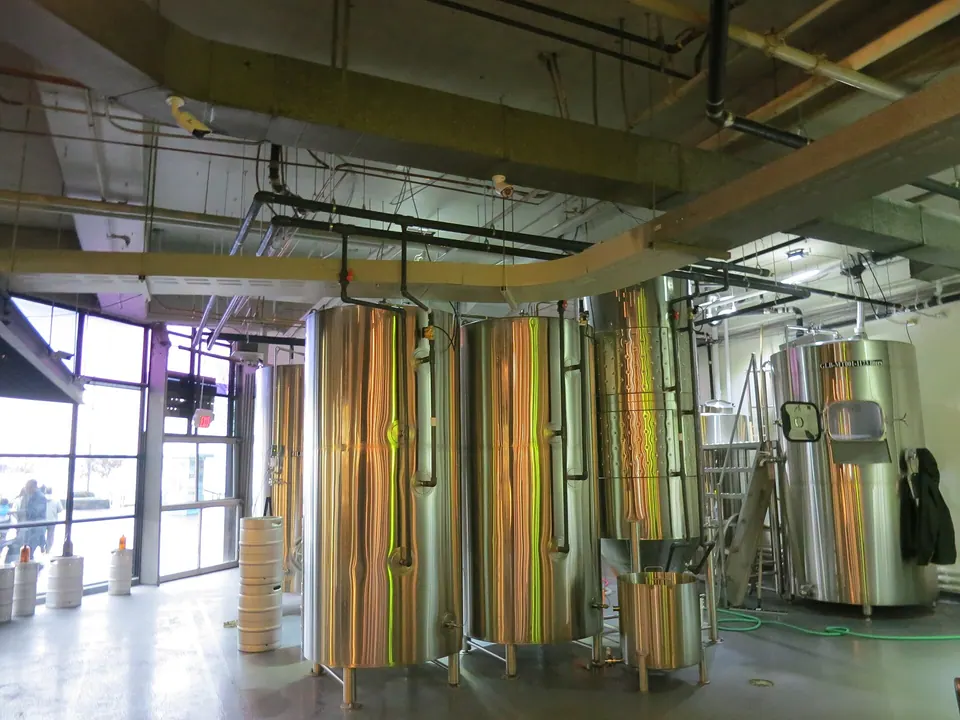
The best pressure fermenter for homebrew: FermZilla, Kegmenter, VEVOR and corny kegs compared by listed pressure…
 Best of
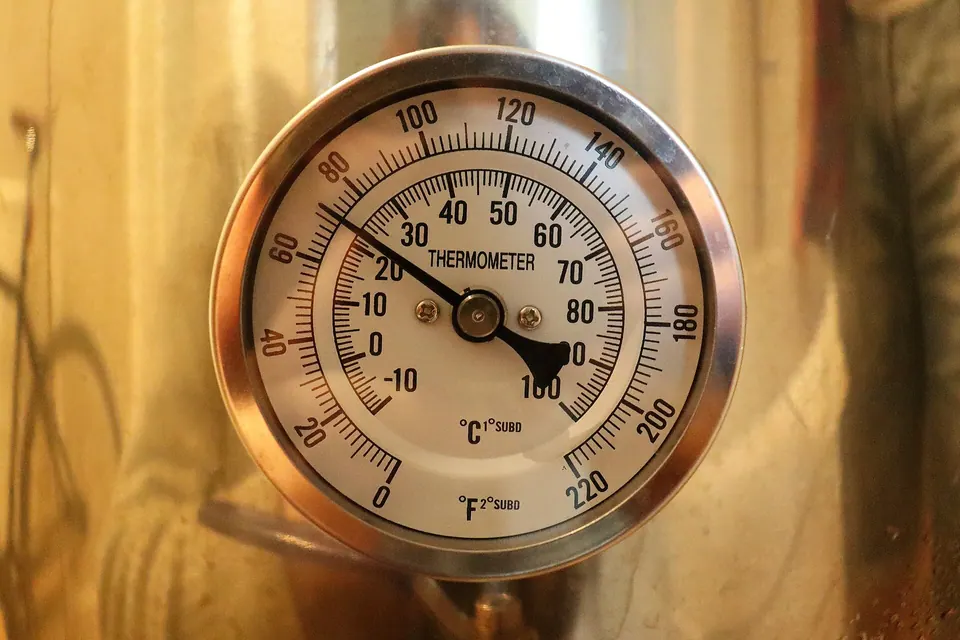
The best fermentation temperature controller for a fridge, freezer or glycol loop: Inkbird ITC-308 models compared by…
 Best of
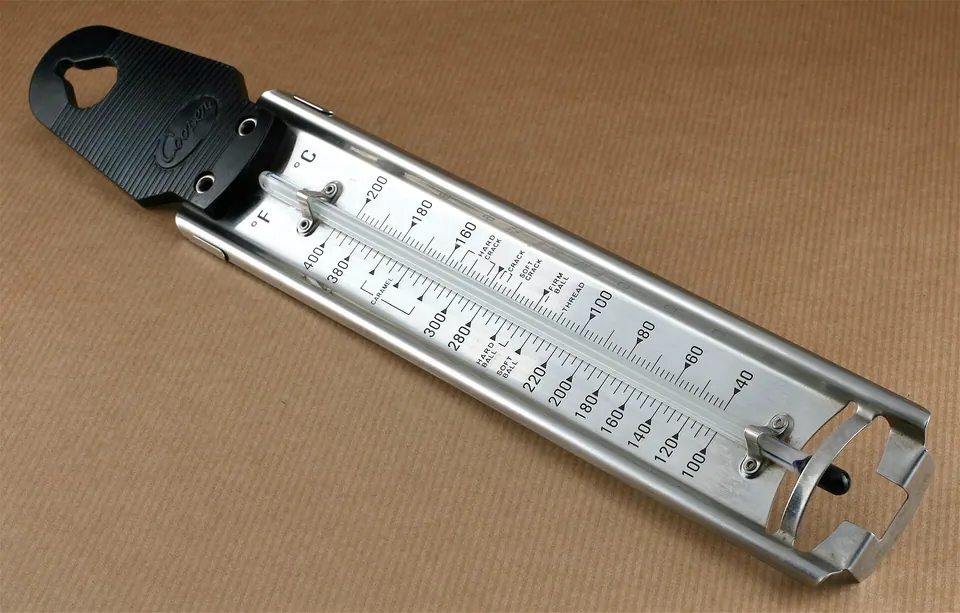
The best fermentation chamber setup for your space: fridge plus controller, kegerator, cooler bag or glycol coil, with…
 Best of
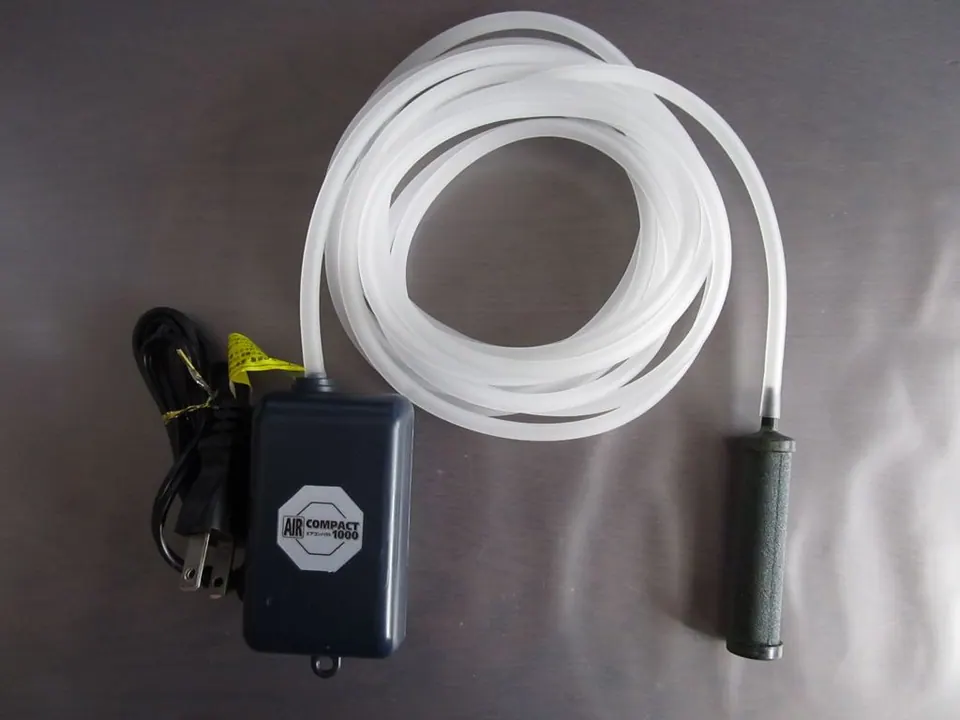
The best wort aeration kit for your yeast and batch: pure-oxygen wands, air pumps and inline aerators compared by…