KegLand
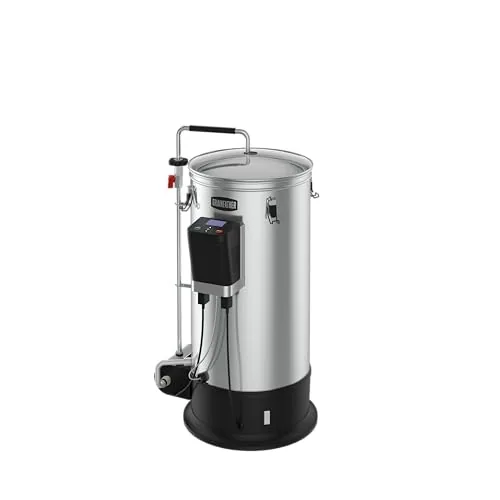
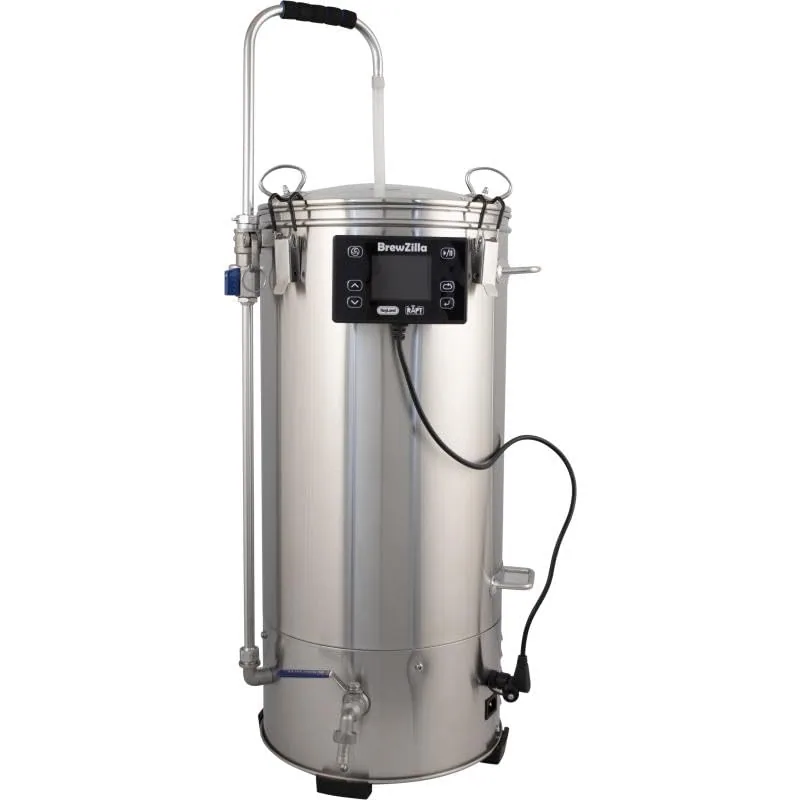
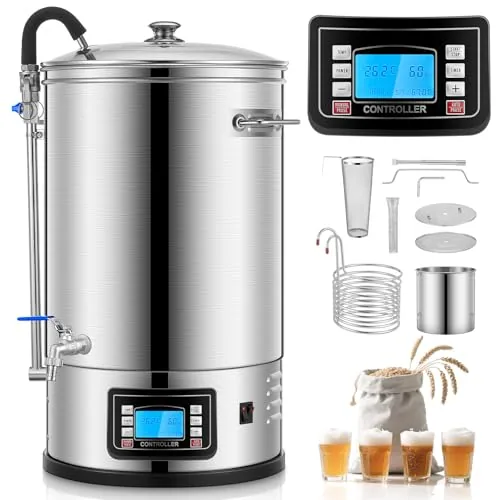
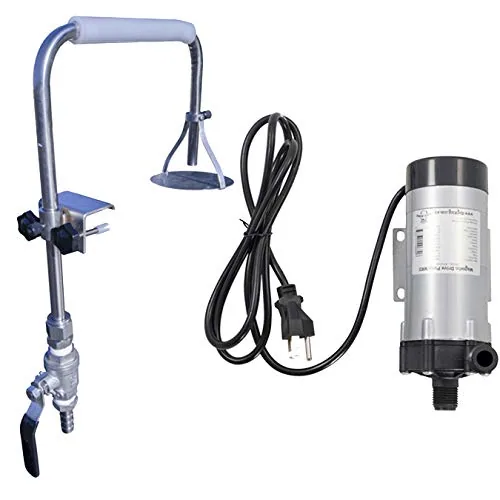
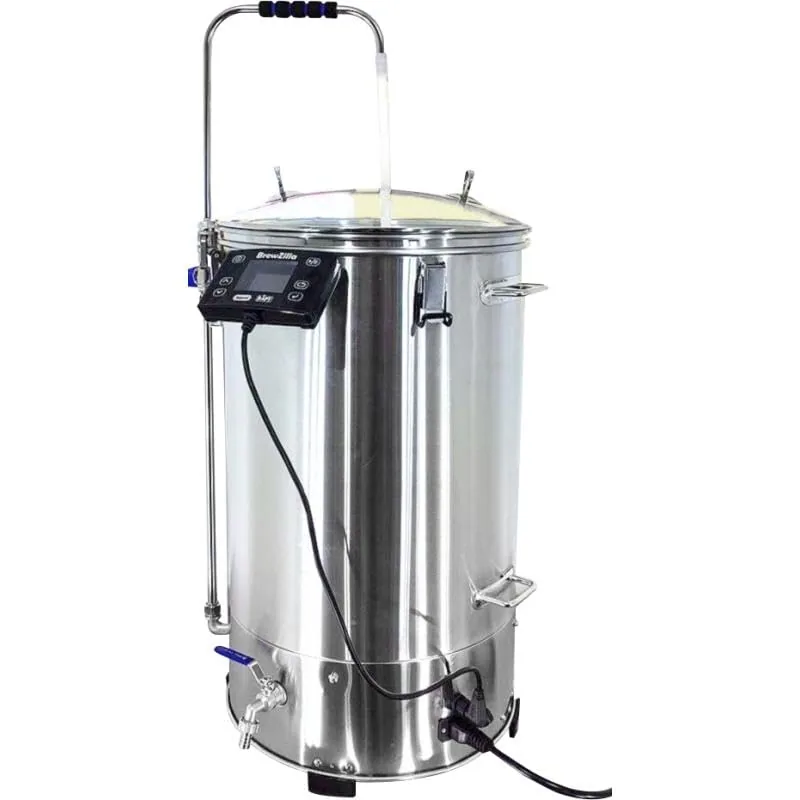
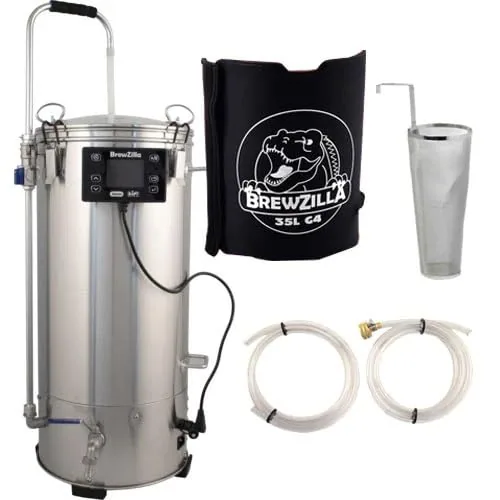
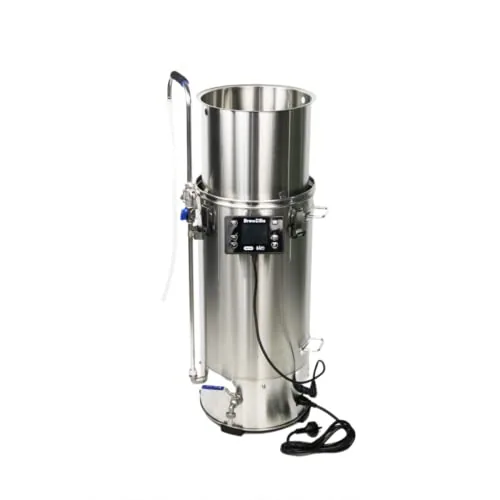
KegLand BrewZilla Gen 4 35L 110V, Wi-Fi/RAPT, with Pump
- Volume
- 35 L (9.24 gal)
- Power
- 110V
- Material
- Stainless steel
Best for 120V all-grain with app control
Electric all-in-ones on 120V or 240V, stainless kettles, outdoor propane burners, BIAB bags and wort chillers, compared by maker specs.
Best for 120V all-grain with app control
Best for Outdoor 5-gallon boils
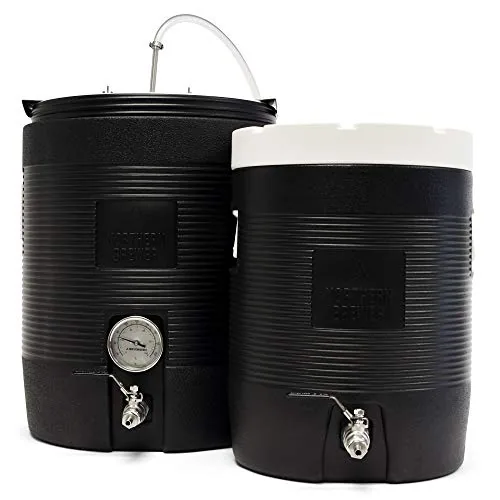
Best for Brew-in-a-bag in a cooler
Best for Plate chilling in a KegLand setup
Best for Dual-voltage all-grain
Best for Compact 120V all-grain
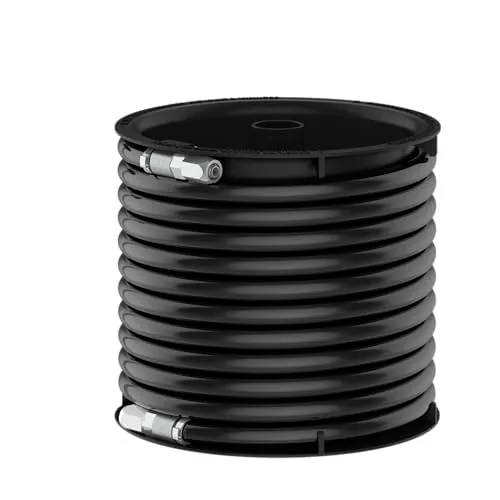
Best for Fastest immersion chilling
Best for Moving to full-volume boils outdoors
Best for 5-gallon all-grain on a household outlet
Best for App-guided all-grain brewing
Best for Simple 120V all-grain
Best for Electric BIAB on 120V
Best for Budget all-in-one
Best for Budget all-in-one with programs
Best for 7.5 gal boils on a budget
Best for Outdoor kettle-and-burner start
Best for Budget 5-gallon kettle
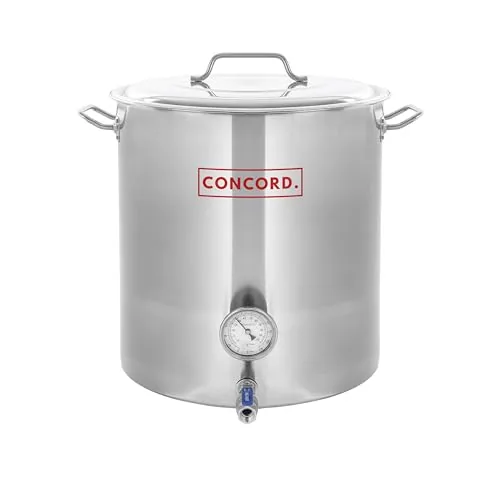
Best for 5-gallon full boils
Best for 10-gallon batches
Best for Kettle that doubles as a mash tun
Best for 10-gallon batches on induction
Best for Stovetop extract boils
Best for 5-gallon boils
Best for Rust-resistant outdoor burner
Best for BIAB in a large kettle
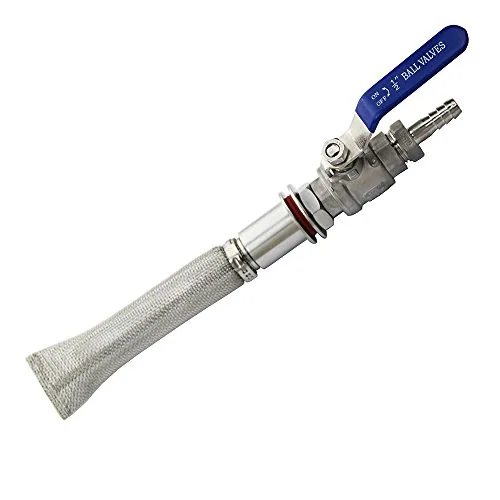
Best for Keeping hop debris out of the fermenter
Best for Hoppy beers in a kettle
Best for Cooler mash tun with temp readout
Best for Certified pump for a brew rig
Best for Fly sparging a 3-vessel setup
Best for Chilling in an Anvil Foundry or kettle
Best for First chiller for 5-gallon batches
Best for Small-batch and stovetop chilling
Best for Stainless chiller for 5-gallon kettles
Best for Plate chilling with a pump
Best for 10-gallon batches
Best for Faster chilling of 5–10 gal
Best for Cooler-style all-grain brewing
Best for 10-gallon batches with a 240V circuit
Best for Grainfather G30 and G40 setups
Best for 10 gal boils on a budget
Best for Big kettles outdoors
Best for Counterflow chilling with a pump
Best for Budget high-output burner
Best for Cooler mash tun for all-grain
Best for Fast counterflow chilling
Best for Tri-clamp brew rigs
Best for Chilling at a kitchen sink
Best for Updated Foundry without pump bundle
Best for Faster chilling of bigger batches
Best for Small-batch boils indoors
Best for Budget-minded electric all-grain
Best for 10-gallon batches outdoors
Best for Fast outdoor boils
Best for Easy-clean counterflow chiller
Best for 2.5–3 gallon all-grain batches
Best for Full 5-gallon boils
Best for Electric boil kettle or BIAB indoors
Best for Heavy kettles outdoors
Best for Rust-resistant outdoor boils
Best for Small-batch all-grain kit
Best for BIAB or 5-gallon full boils
Best for Entry electric all-in-one
Best for Homebrew-specific propane burner
Best for Legacy BrewZilla-style system
Best for 5-gallon kettle chilling
Best for Recirculating or transferring hot wort
Best for Sanitary immersion chilling
Best for Counterflow with hoppy worts
Best for Counterflow without clamps
Best for BrewZilla bundle
Best for Budget smaller all-in-one
Best for Indoor electric boils
Best for Large plain boil pot
Best for Portable outdoor burner
Best for Basic outdoor burner
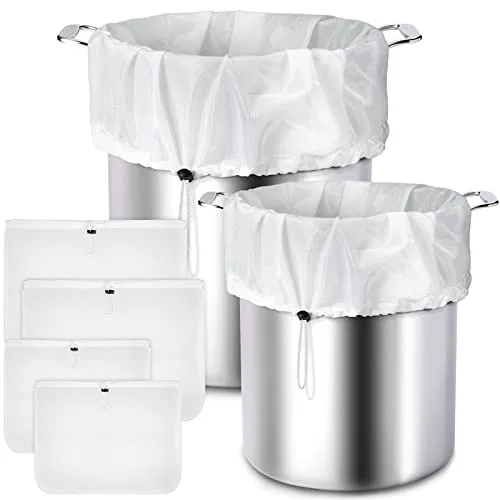
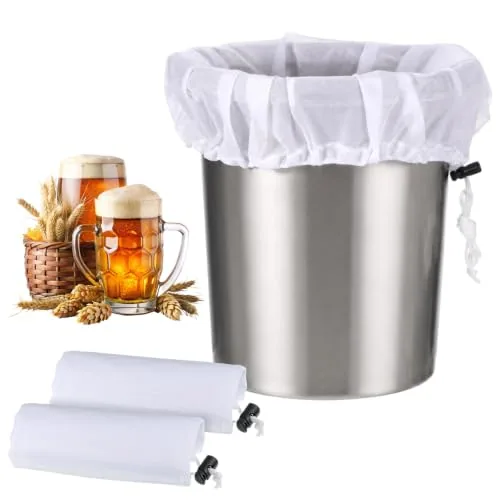
Best for Budget BIAB bag
Best for Straining fruit or grain
Best for Spare BIAB bags
Best for Steeping grains in extract brewing
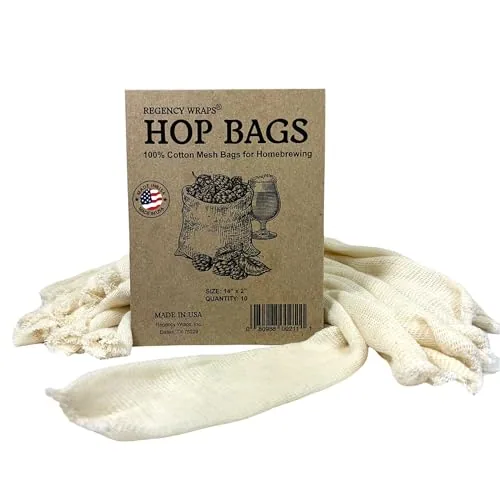
Best for Basic hop additions
Best for Kettle valve screen
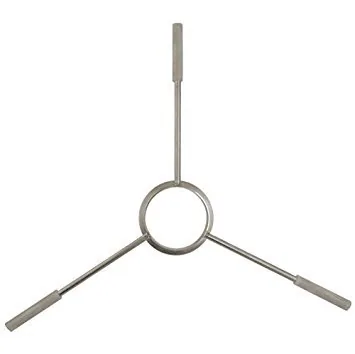
Best for Spare hop spiders
Best for Converting a kettle or cooler
Best for Mashing in an 8-gallon kettle
Best for Cooler mash tun build
Best for DIY mash tun
Best for Cooler mash tun build
Best for Complete cooler conversion
Best for Budget brewing pump
Best for Budget wort transfer
Best for Budget transfer pump
Best for DIY electric brewery controls
Best for DIY electric brewery controls
Best for 240V eBIAB builds
Best for 240V kettle builds
Best for Electric 15-gallon kettles
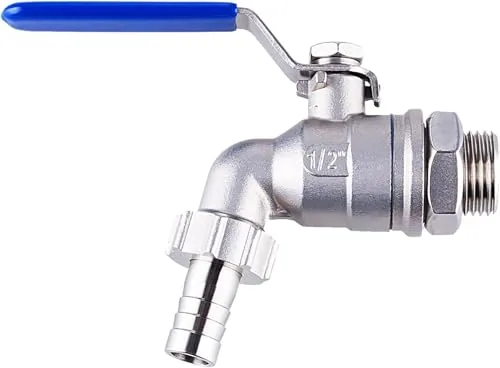
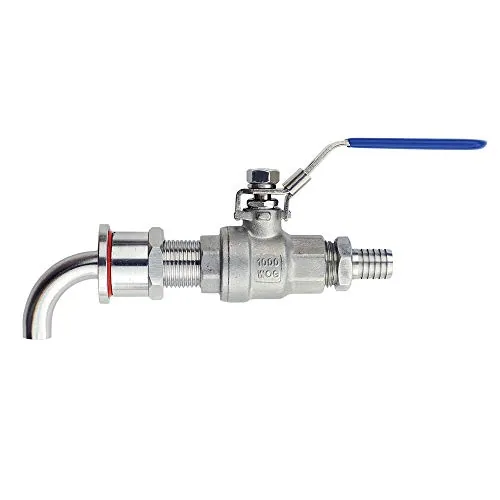
Best for Adding a valve to a kettle
Best for Converting a stock pot
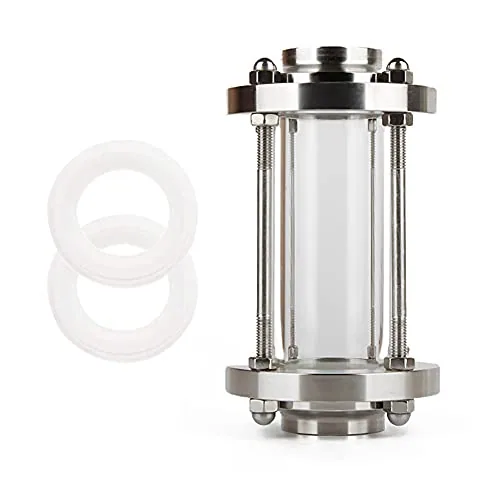
Best for Watching wort flow
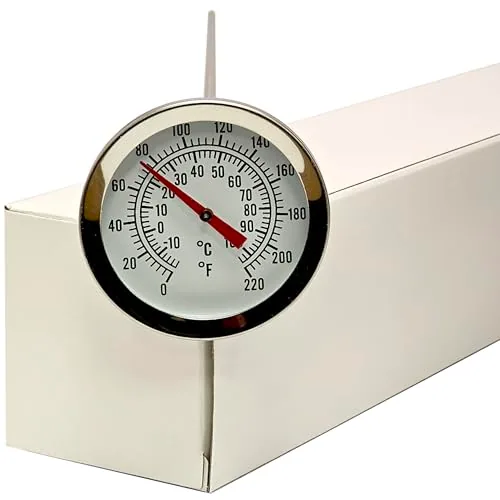
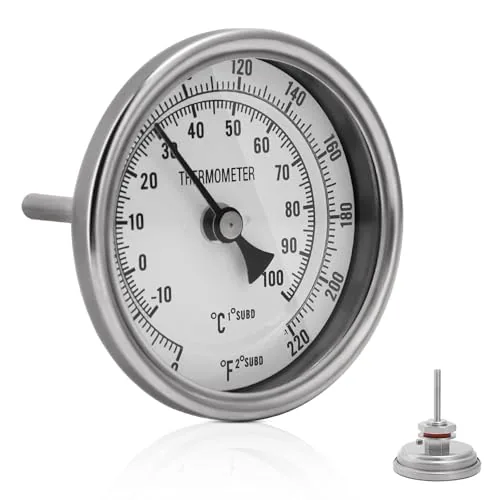
Best for Steeping and mash temps
Best for Budget copper chiller
Best for Budget counterflow
Best for Budget counterflow
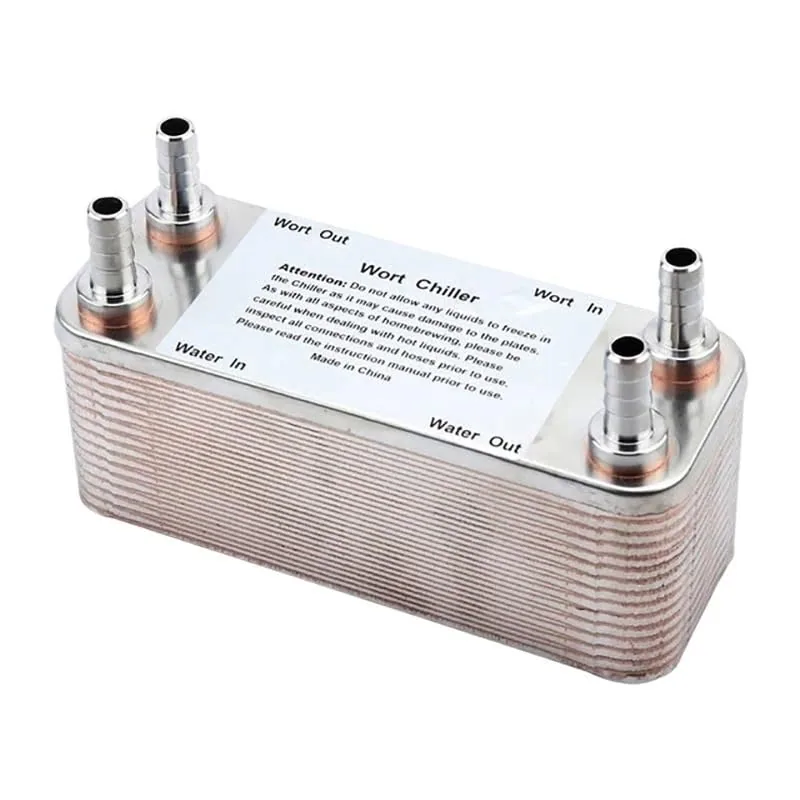
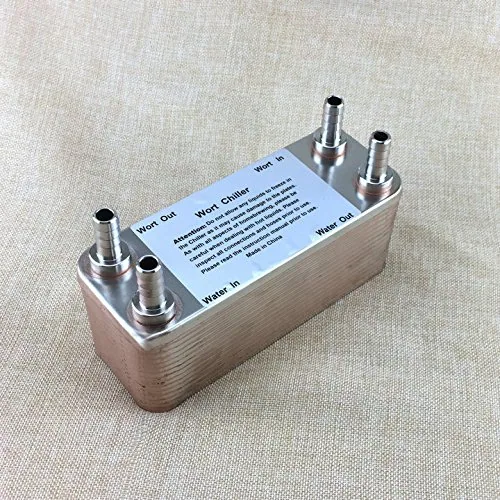
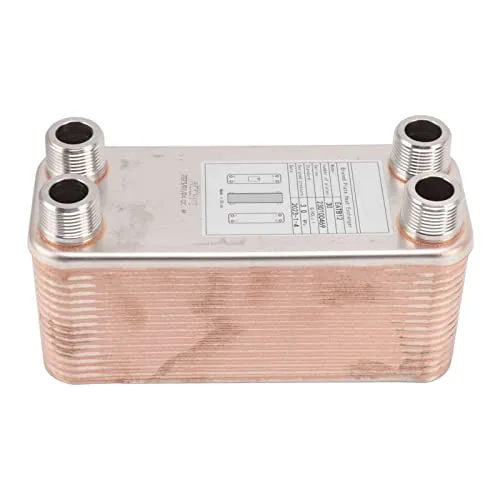
Best for Budget plate chiller
Best for Budget plate chiller
Best for Budget plate chiller
Best for Budget plate chiller
Best for Hot-side tubing
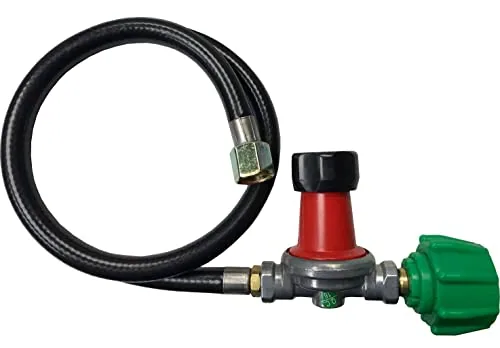
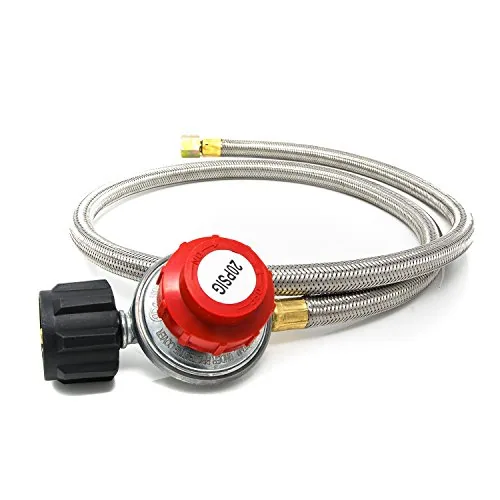
Best for Replacement burner regulator
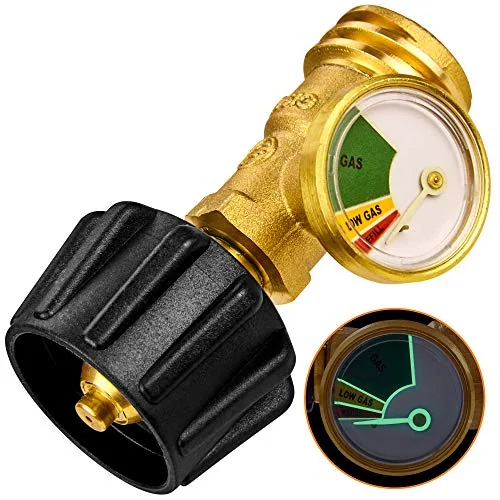
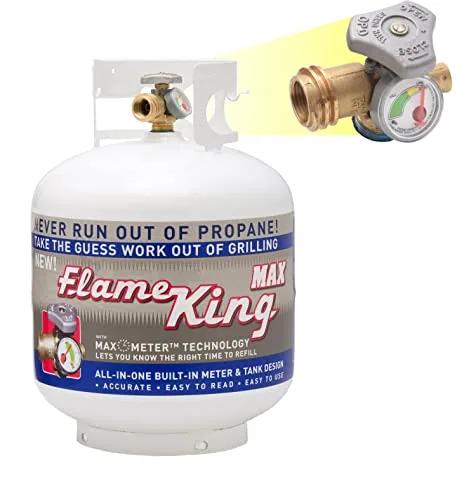
Best for Not running out mid-boil
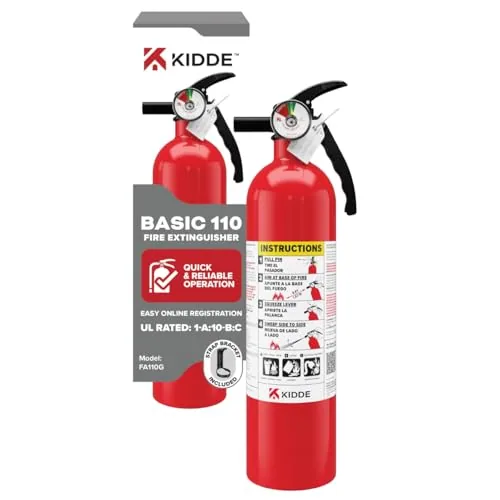
Best for Brew-day fire safety
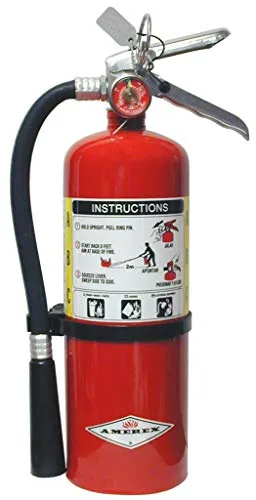
Best for Garage and brew-day fire safety
Best for Lifting hot grain baskets
Best for Adding a pump to a Foundry
Best for Partial-boil extract brewing
Best for Large-batch outdoor brewing
Best for Outdoor cooking that also brews
Best for Outdoor boils
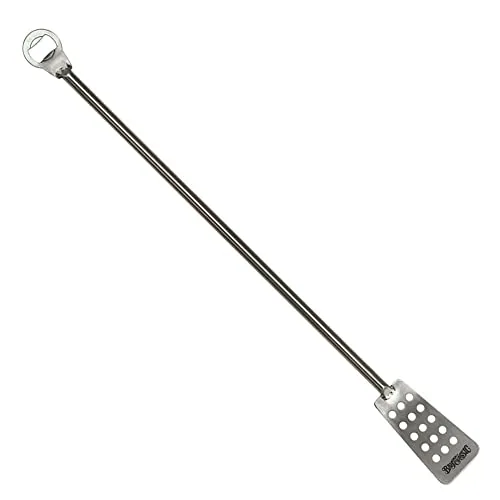
Best for Stirring larger mashes
Best for Fly sparging
Best for Budget copper chiller
Best for Kettle temperature readout
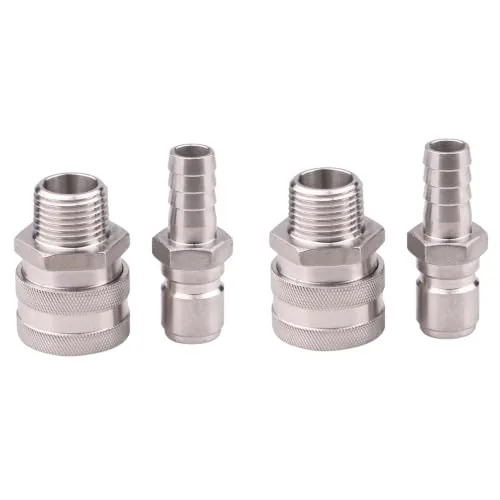
Best for Pump and chiller hookups
Best for Fuel for an outdoor burner
Best for Stirring the mash
Best for Replacement burner regulator
Best for Kettle valve upgrade
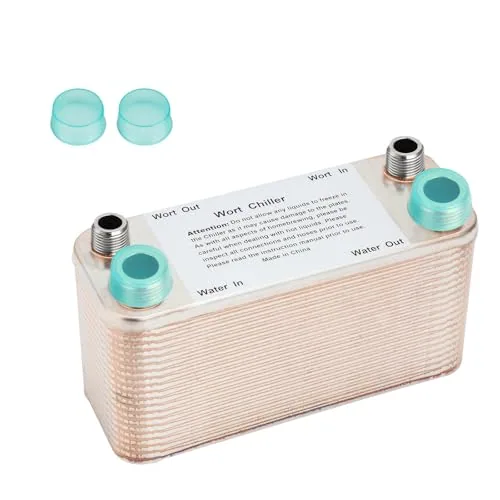
Best for Fast plate chilling
Best for 240V electric kettles
Best for Replacing a burner regulator
Best for Replacement burner hose
No product matches every filter. Clear one to see more.
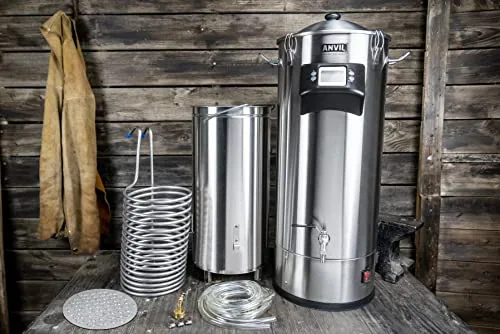
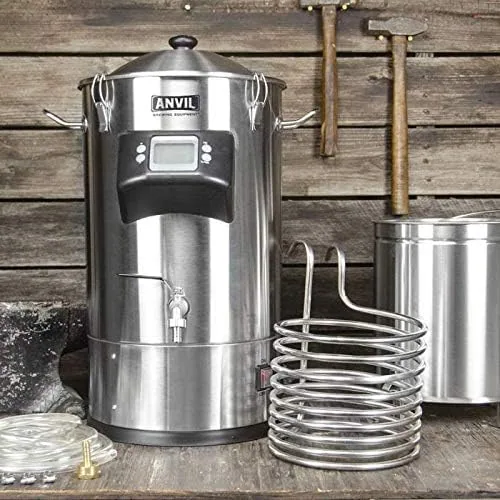
An all-in-one brewing system mashes, boils and often chills in one electric vessel, which is why it is the usual upgrade for garage and apartment brewers. The first question is your outlet. A 120V system plugs into a normal outlet but heats slower; a 240V system heats faster and needs a dedicated circuit installed by a licensed electrician.
The amps come from simple arithmetic: watts ÷ volts. Anvil lists the Foundry 10.5 at 1600 W on 120V, which is about 13.3 A, close to the limit of a 15 A circuit. That is why makers ask for a GFCI-protected circuit and no extension cords.
Electric all-in-ones (listing specs)
| System | Volume | Power | 120V? |
|---|---|---|---|
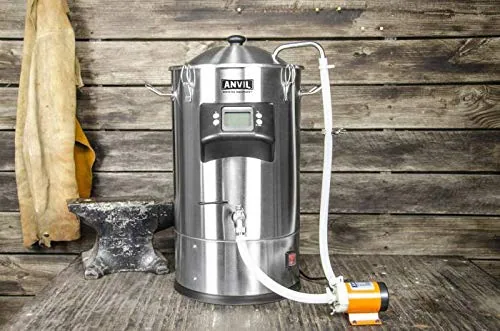
| Anvil Foundry 10.5 with pump | 10.5 gal | 120V 1600 W or 240V 2800 W | ✓ Switchable |
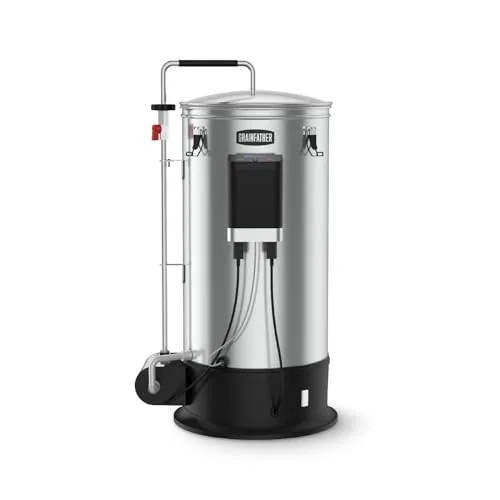
| Grainfather G30³ 110V | 8 US gal | 110V (US model) | ✓ |
| KegLand BrewZilla Gen 4 35L | 35 L (9.24 gal) | 110V | ✓ |
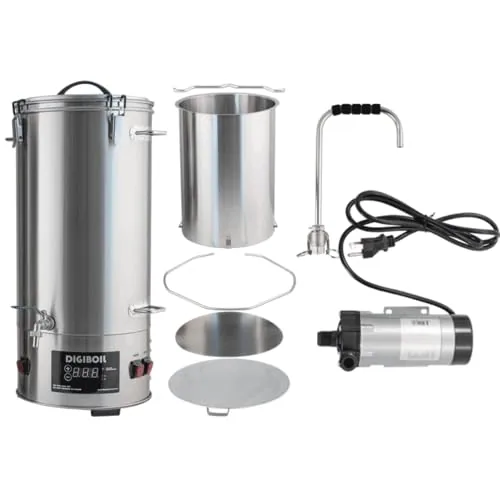
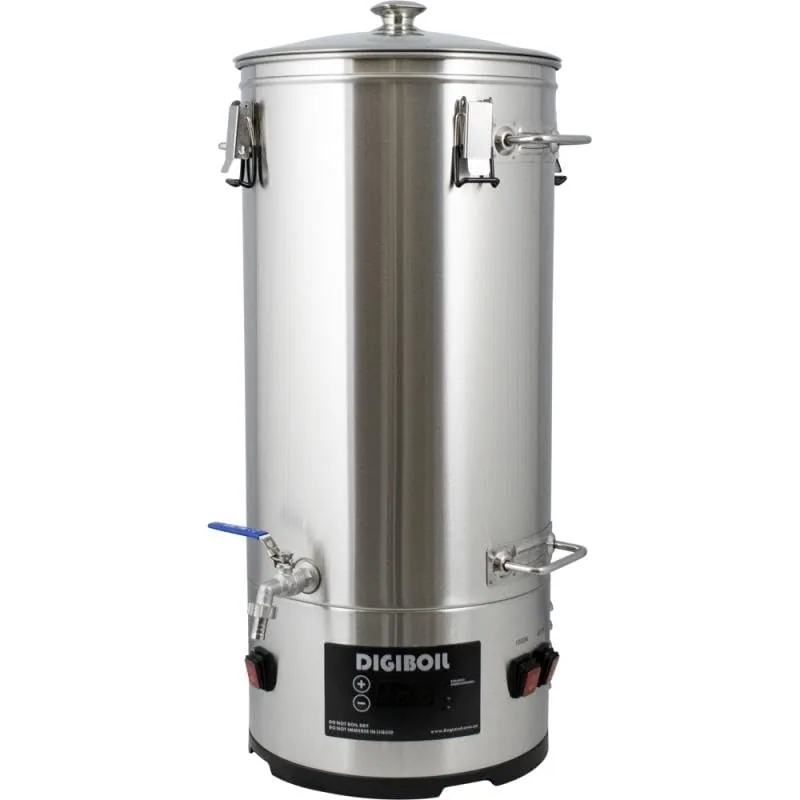
| KegLand DigiBoil 35L kettle | 35 L (9.25 gal) | 110V / 15A, 1500 W | ✓ |
| KegLand BrewZilla Gen 4 65L | 65 L (17.1 gal) | 220V | ✗ 240V circuit |
Source: Product listings and maker specs
Best for Dual-voltage all-grain
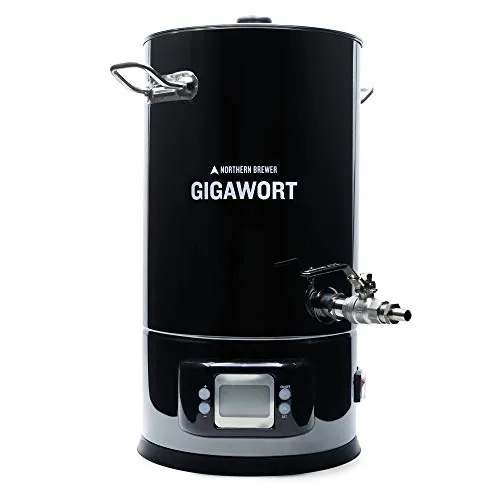
Best for Compact 120V all-grain
Best for 120V all-grain with app control
Best for Simple 120V all-grain
Best for Electric BIAB on 120V
Best for Budget all-in-one
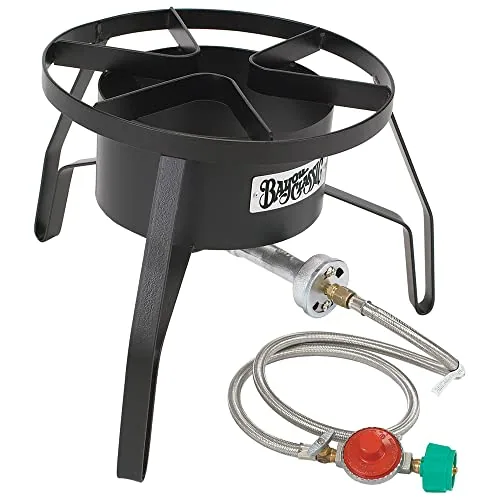
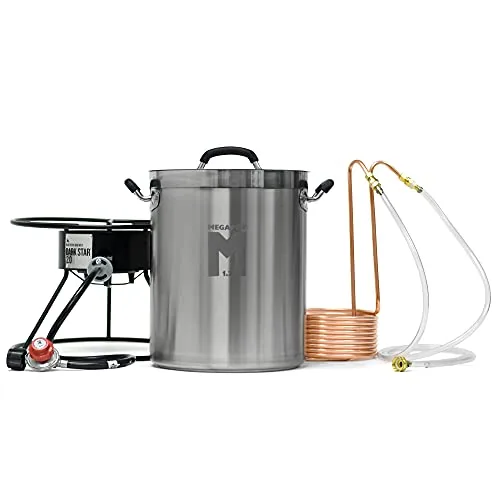
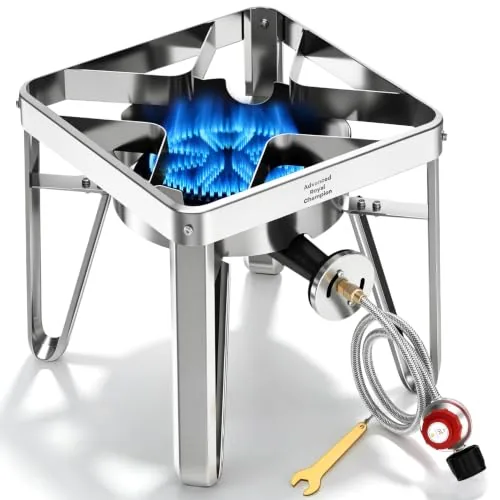
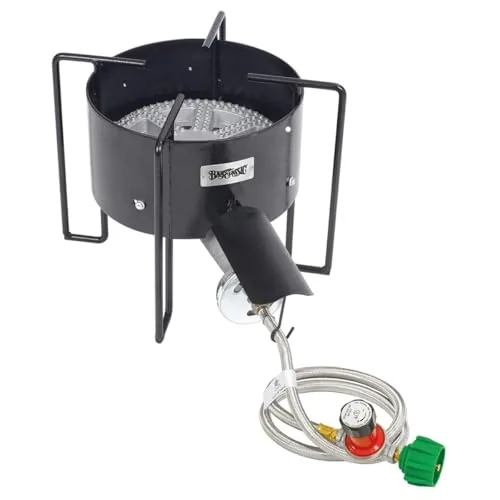
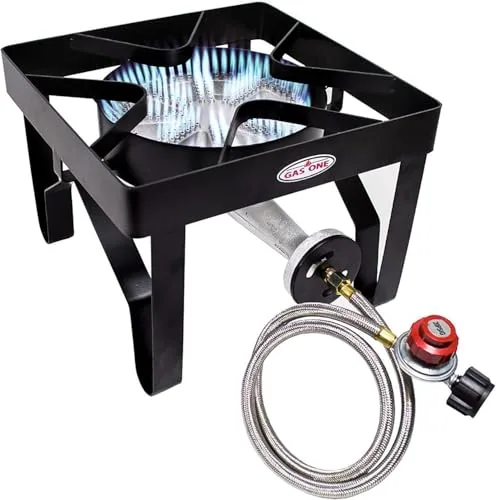
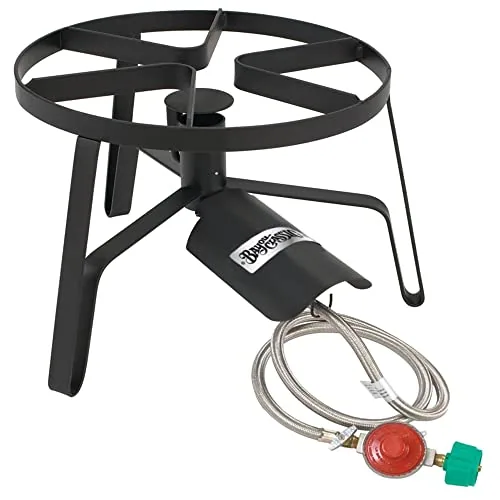
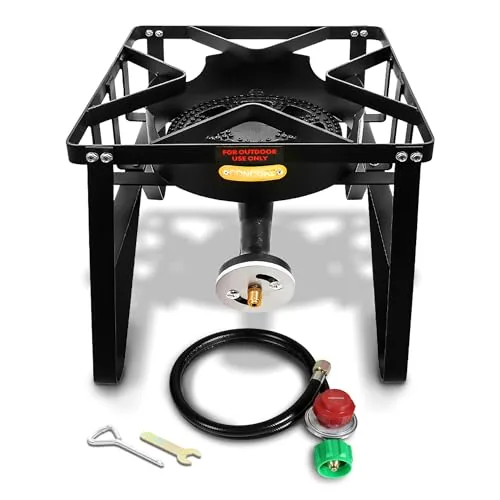
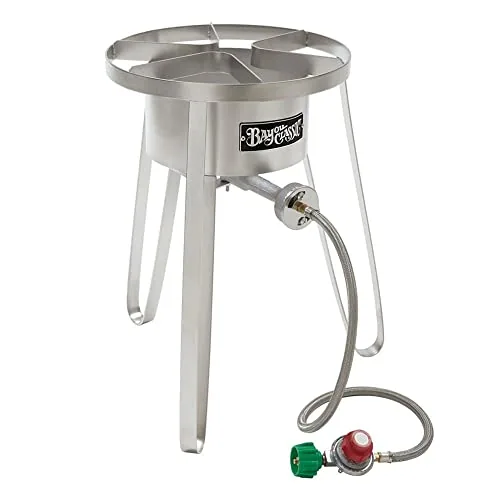
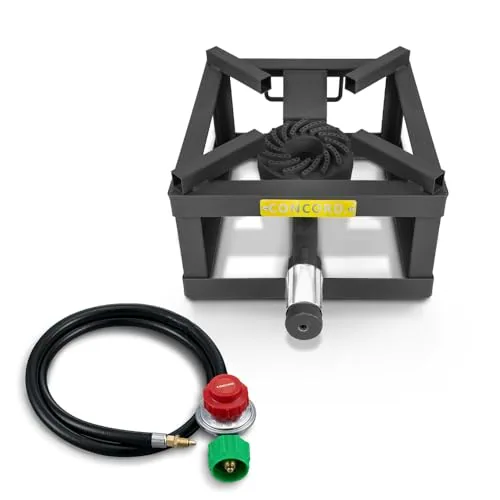
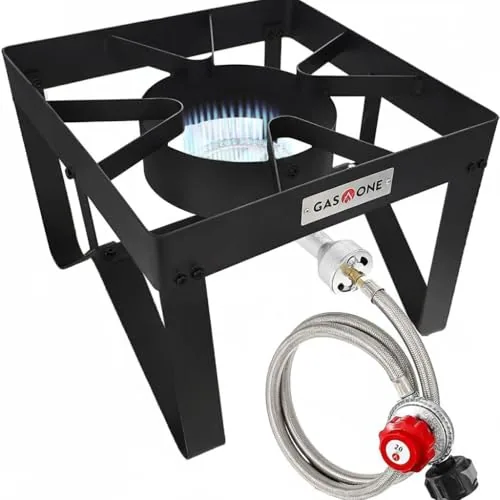
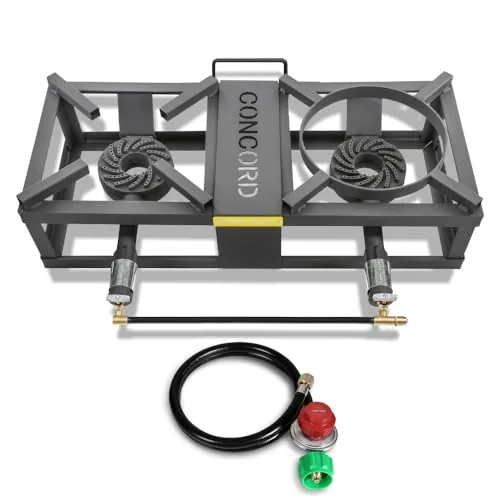
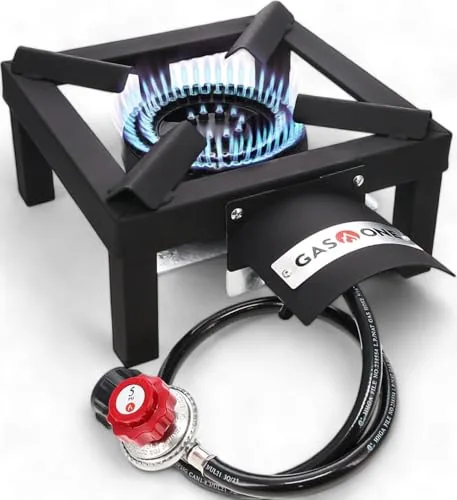
If you boil on propane, the burner goes outdoors, in open air and away from the house. CPSC says to keep jet burners out of the garage, off the deck and away from the house; an open garage door does not make a garage outdoors. Listed burner outputs vary widely:
Maker or listing figures, outdoor use only
More BTU is not always better: a high-output jet burner wastes gas on a 5-gallon batch. Match the burner to your kettle size and use the regulator it ships with.
Best for Outdoor 5-gallon boils
Best for Homebrew-specific propane burner
Best for Budget high-output burner
Best for Portable outdoor burner
Best for 10 gal boils on a budget
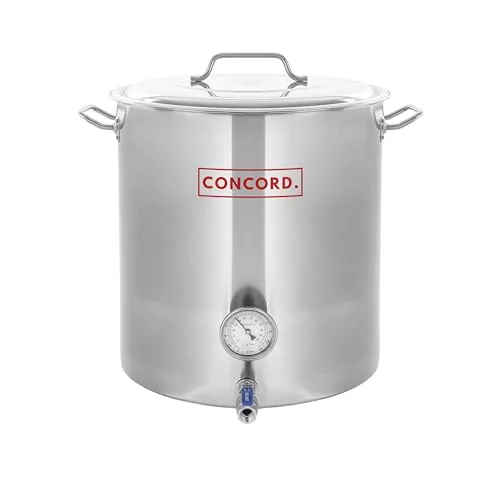
Best for Full 5-gallon boils
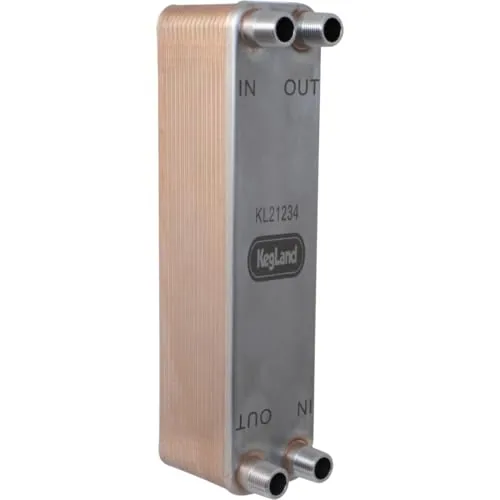
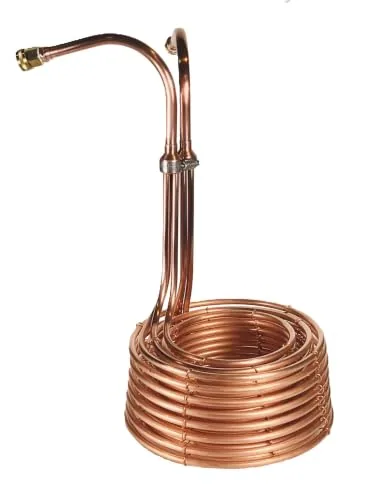
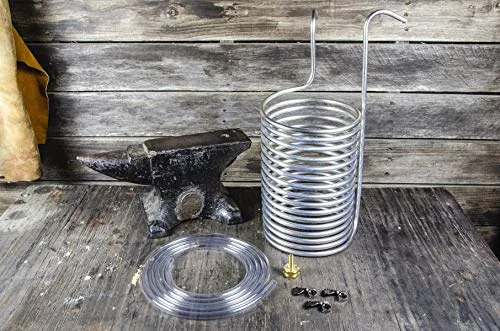
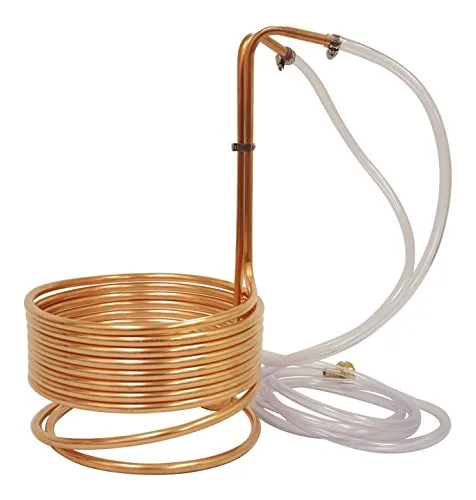
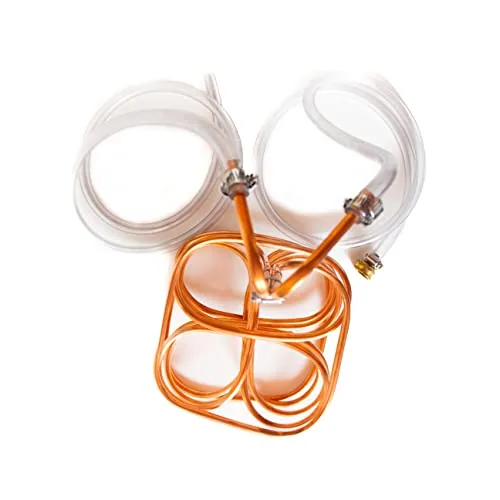
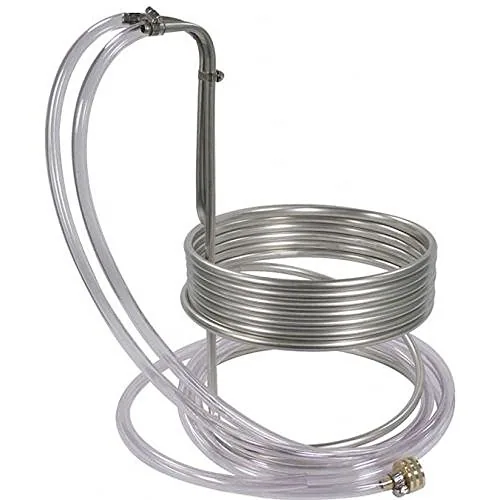
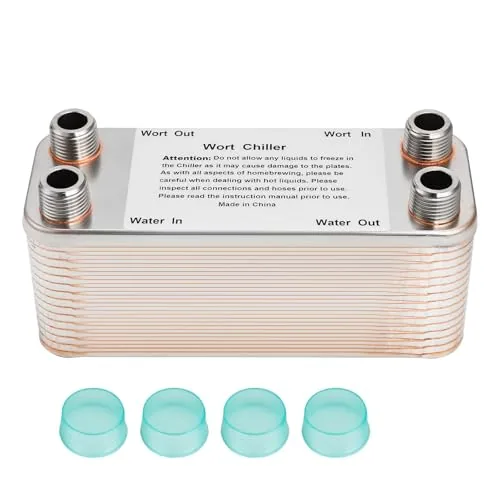
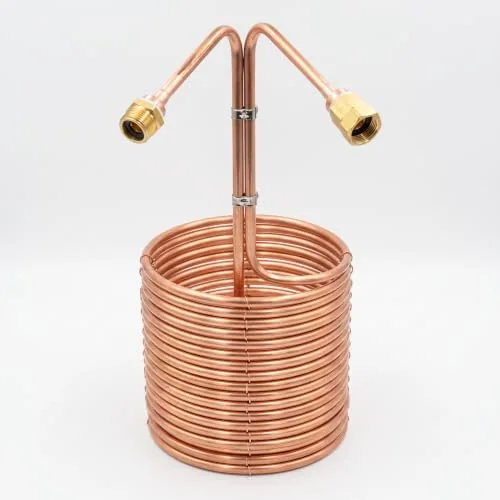
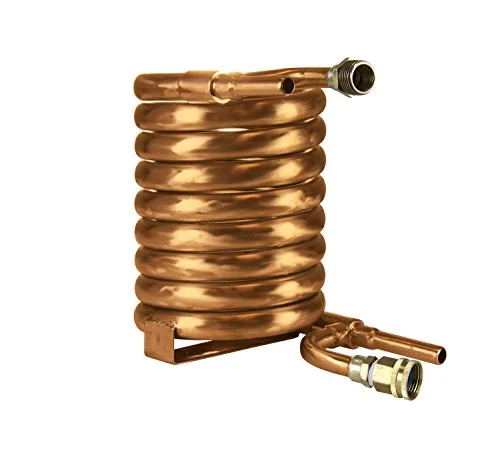
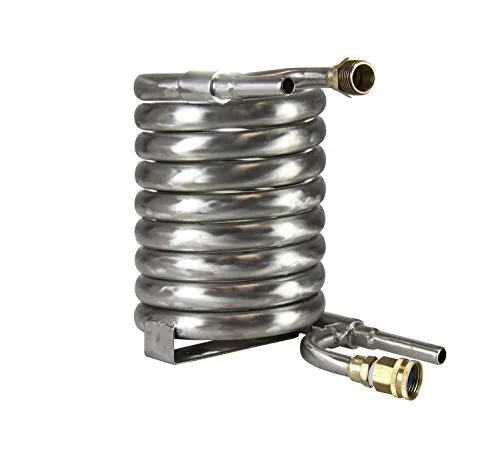
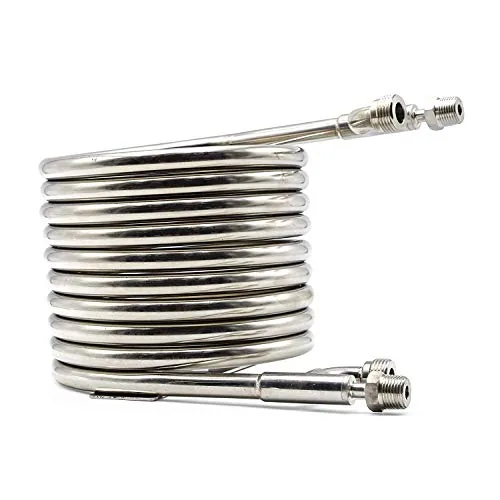
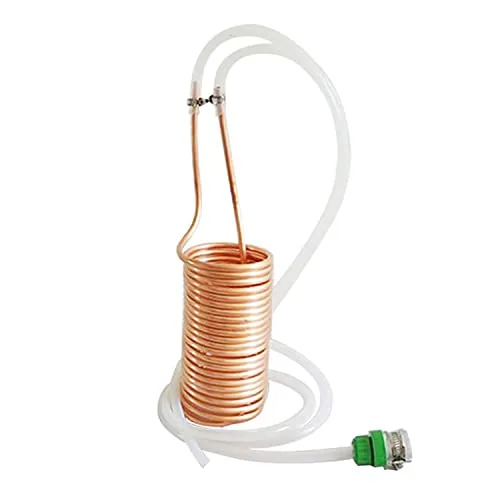
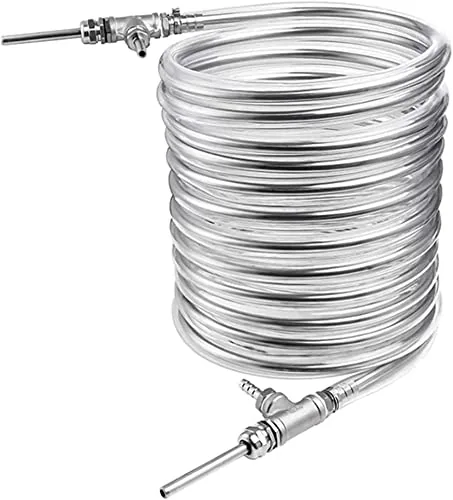
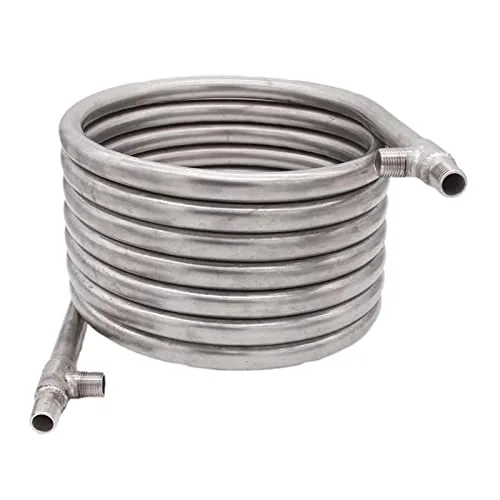
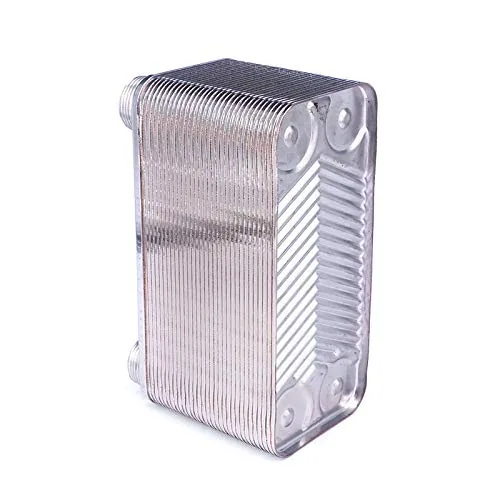
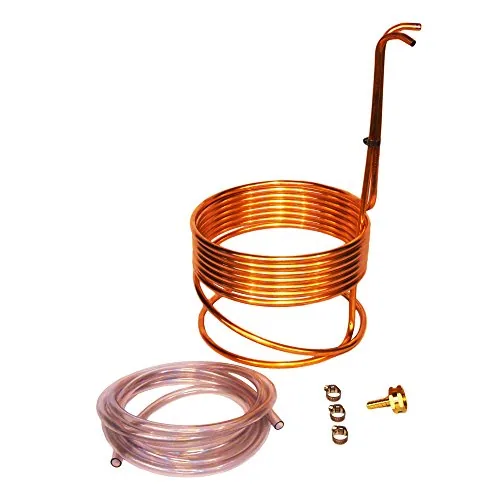
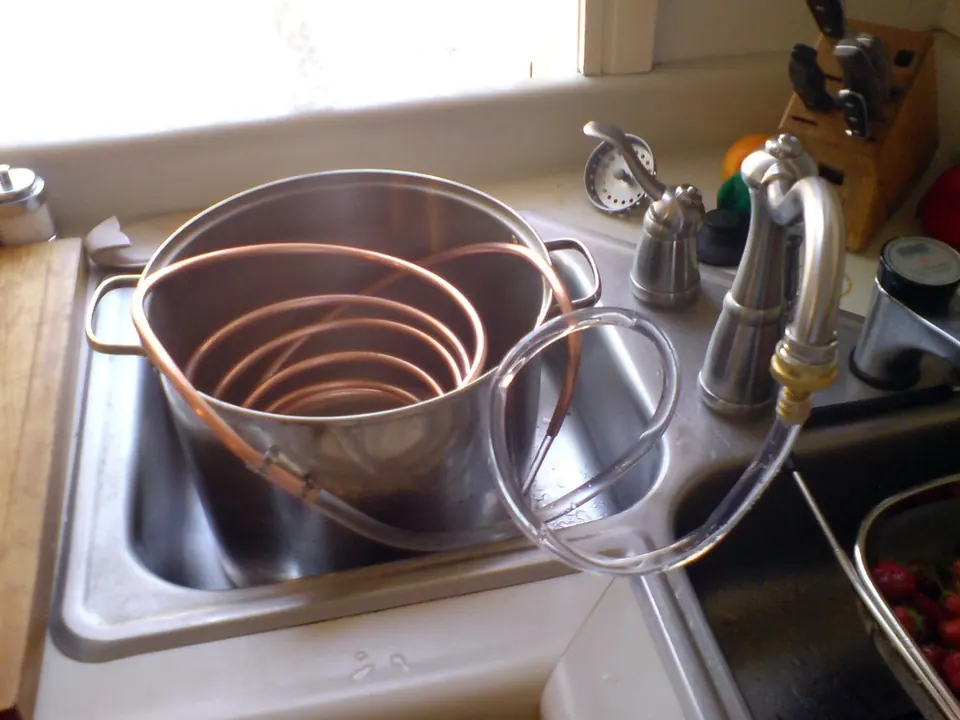
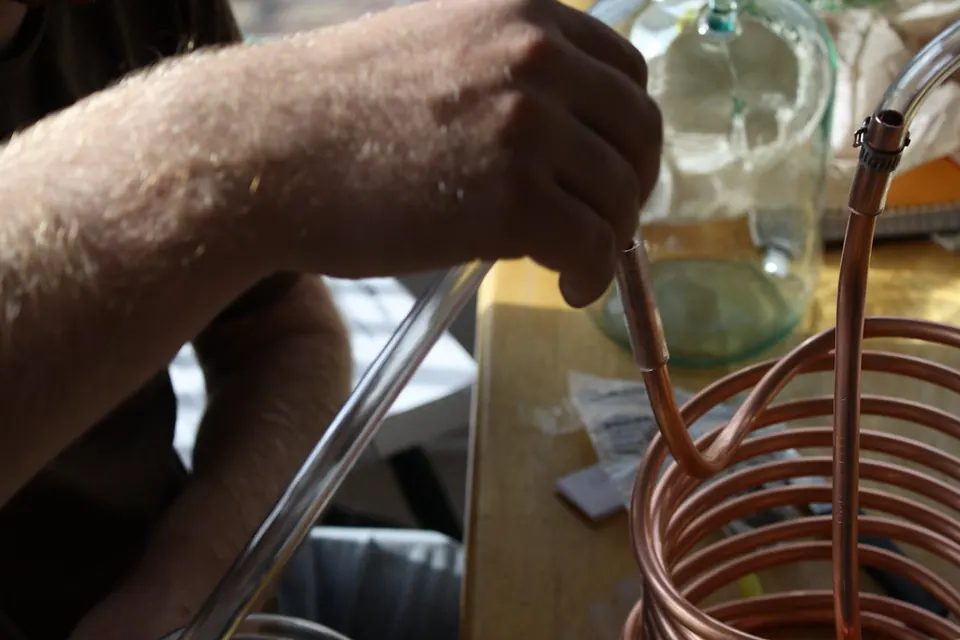
An immersion chiller (copper or stainless coil in the kettle) is the simplest and easiest to sanitize. Counterflow and plate chillers cool faster but need a pump or gravity flow and careful flushing; a brazed plate chiller cannot be taken apart.
Best for First chiller for 5-gallon batches
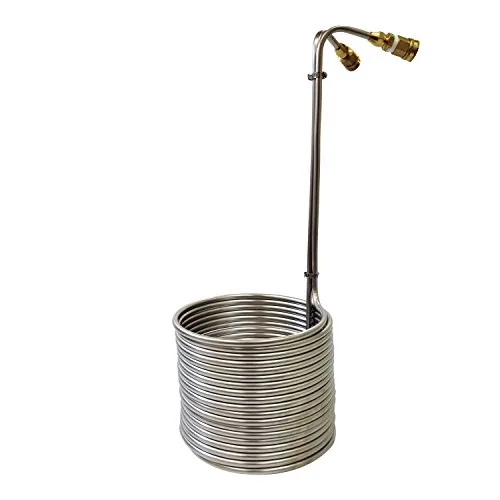
Best for Fastest immersion chilling
Best for Stainless chiller for 5-gallon kettles
Best for Grainfather G30 and G40 setups
Best for Plate chilling in a KegLand setup
Read the manual's circuit requirement before buying any electric system. Never run one from an extension cord.
Related reading: Anvil Foundry 10.5 review (with the 6.5), Grainfather G30v3 review (110V), KegLand BrewZilla Gen 4 review and best propane burners for brewing (outdoors).
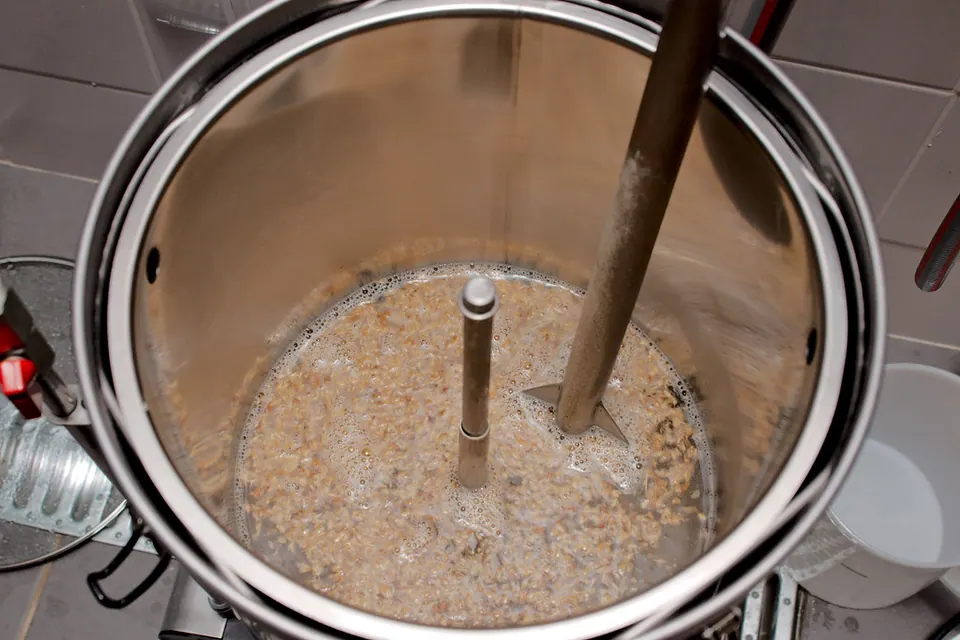 Best of
The best all-in-one brewing system for your outlet: Anvil, Grainfather, BrewZilla and budget 35L units compared by…
 Best of
The best brew kettle for your batch size: 5 to 16 gallon stainless kettles compared by steel grade, bottom, ports,…
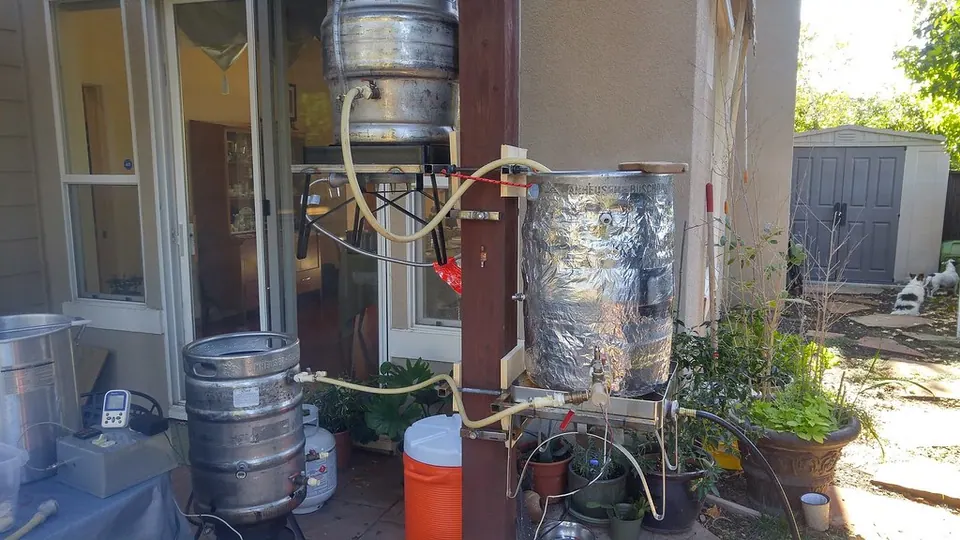 Best of
The best propane burner for brewing outdoors: Bayou Classic, Concord, Gas One, ARC and Dark Star burners compared by…
 Best of
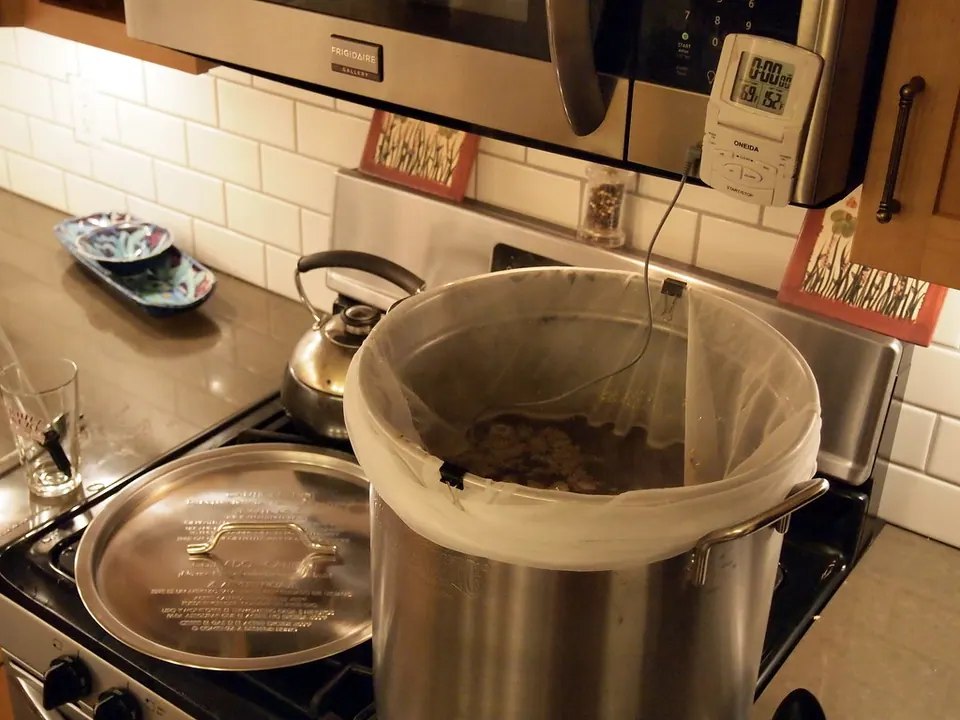
The best BIAB bag and hop spider for your kettle: The Brew Bag, mesh straining bags and stainless hop spiders compared…
 Best of
The best wort chiller for your setup: immersion, counterflow and plate chillers from JaDeD, Anvil, Grainfather and…
 Best of
The best immersion chiller for your kettle: copper and stainless coils from JaDeD, NY Brew Supply, Northern Brewer and…